
Quick Answer: The best zinc supplements use highly absorbable forms like zinc picolinate, zinc citrate, or zinc bisglycinate. For most adults, 15–30 mg daily is sufficient for general health, taken with food to minimise stomach upset. If supplementing long-term at doses above 25 mg, consider a formula that includes copper to maintain mineral balance.
Zinc is an essential trace mineral involved in over 300 enzymatic reactions, supporting immune function, wound healing, protein synthesis, and DNA production. The best zinc supplements offer bioavailable forms at appropriate doses, with zinc picolinate and zinc citrate generally providing superior absorption compared to cheaper alternatives like zinc oxide.
You’ve likely reached for zinc lozenges at the first sign of a cold, or noticed zinc listed in your multivitamin. But this unassuming mineral does far more than support your immune system—it’s involved in virtually every aspect of cellular function, from maintaining your sense of taste and smell to supporting healthy testosterone levels and skin integrity.
The challenge is that not all zinc supplements are created equal. Walk down the supplement aisle and you’ll encounter zinc gluconate, zinc picolinate, zinc citrate, zinc oxide, and several other forms—each with different absorption rates, dosing requirements, and best-use scenarios. Choosing the wrong form could mean you’re absorbing far less zinc than you think.
This guide cuts through the confusion. Whether you’re looking to support your immune system, address a potential deficiency, or simply understand which zinc supplement offers the best value for your needs, we’ll cover everything from the science of how zinc works to practical buying advice.
🎬 Watch: An overview of zinc benefits and how to choose the right supplement form.
📜 Prefer reading? Scroll down for the complete guide.
How Zinc Works in Your Body
Zinc is classified as an essential trace mineral, meaning your body cannot produce it and must obtain it from diet or supplements. Despite being needed in relatively small amounts, zinc is remarkably busy—it serves as a structural component or catalytic cofactor for over 300 enzymes and influences the function of more than 2,000 transcription factors involved in gene expression.
Unlike iron, which your body stores efficiently, zinc doesn’t have a dedicated storage system. Your body maintains a relatively tight regulation of zinc levels, with most zinc found in skeletal muscle (about 60%) and bone (about 30%). The remaining zinc circulates in blood and is distributed to tissues that need it for immediate use.
Key Biological Roles
Immune Function: Zinc is essential for the development and function of immune cells. It supports the production and maturation of T-lymphocytes (T-cells), which orchestrate the immune response, and helps regulate inflammation. Zinc deficiency impairs immune function at multiple levels, which is why it’s so closely associated with infection susceptibility.
Protein Synthesis and Wound Healing: Your body needs zinc to build proteins and create new cells. This makes it vital for wound healing, tissue repair, and growth during childhood, adolescence, and pregnancy. Zinc deficiency notably slows wound healing and tissue regeneration.
DNA Synthesis and Cell Division: Zinc plays a crucial role in DNA synthesis and cell division. Rapidly dividing cells—including immune cells, skin cells, and cells lining your digestive tract—have particularly high zinc requirements.
Sensory Function: Zinc is necessary for proper taste and smell perception. The enzyme carbonic anhydrase VI, which is zinc-dependent, plays a role in taste bud function. This explains why loss of taste or smell can be an early sign of zinc deficiency.
Hormonal Support: Zinc influences hormone production and regulation, including testosterone, insulin, and thyroid hormones. It also plays a role in the production and function of growth hormone.
💡 Tip: Zinc absorption can be significantly reduced by phytates (found in whole grains and legumes) and high calcium intake. Taking zinc supplements away from high-phytate meals and calcium supplements can improve absorption.
Key Benefits of Zinc Supplements
While zinc is involved in hundreds of biological processes, certain benefits have attracted particular research attention and are most relevant for people considering supplementation.
Immune System Support
Zinc’s role in immunity is perhaps its most well-known benefit. Research suggests that zinc supplementation may help reduce the duration of common cold symptoms when taken within 24 hours of onset—particularly in the form of zinc lozenges or syrup that allow direct contact with throat tissues.
Beyond acute illness, zinc supports the development and function of neutrophils, natural killer cells, and macrophages—key players in your innate immune response. It also helps regulate the inflammatory response, potentially preventing the excessive inflammation that can damage tissues during infection.
Skin Health and Wound Healing
Zinc is heavily concentrated in the skin, where it supports collagen synthesis, cell membrane integrity, and inflammatory control. Supplementation has been studied for conditions including acne, where it may help reduce inflammation and bacterial growth on the skin.
For wound healing, zinc’s role in protein synthesis and cell division makes it essential. People with zinc deficiency often experience delayed wound healing, and some research suggests supplementation may benefit those recovering from surgery or injuries—particularly if baseline zinc status is low.
Reproductive and Hormonal Health
Zinc plays important roles in reproductive health for both men and women. In men, zinc is concentrated in the prostate gland and is essential for testosterone production and sperm development. Some research suggests that zinc supplementation may support healthy testosterone levels in men who are deficient.
For women, adequate zinc is important during pregnancy for foetal development, and some studies have explored its role in hormone balance and menstrual health.
Cognitive Function and Mood
Zinc is abundant in the brain, particularly in the hippocampus (involved in memory and learning). Emerging research has explored connections between zinc status and mood regulation, with some studies finding associations between low zinc levels and depression symptoms. However, this area requires more rigorous investigation before firm conclusions can be drawn.
Eye Health
Zinc is found in high concentrations in the retina, where it supports vitamin A metabolism and the function of enzymes essential for vision. The Age-Related Eye Disease Study (AREDS) included zinc as part of a supplement formula that showed benefits for certain people at risk of macular degeneration.
✓ Key Benefits Summary
- Supports immune cell development and function
- Promotes wound healing and skin integrity
- Essential for protein synthesis and DNA replication
- Supports reproductive health and hormone balance
- May help maintain healthy vision
Forms of Zinc: Which Is Best?
One of the most important decisions when choosing a zinc supplement is selecting the right form. Zinc supplements pair elemental zinc with another compound (like citric acid, picolinic acid, or gluconic acid), and this pairing significantly affects absorption, tolerability, and cost.
| Form | Bioavailability | Best For | Typical Dose | Notes |
|---|---|---|---|---|
| Zinc Picolinate | ●●●●○ High | General supplementation, addressing deficiency | 15–30 mg | Well-absorbed; gentle on stomach |
| Zinc Citrate | ●●●●○ High | General use, good balance of absorption and cost | 15–30 mg | Good absorption; widely available |
| Zinc Bisglycinate | ●●●●○ High | Sensitive stomachs, optimal absorption | 15–30 mg | Chelated; very gentle; premium price |
| Zinc Gluconate | ●●●○○ Moderate | Lozenges for cold symptoms, budget option | 15–30 mg | Common in lozenges; affordable |
| Zinc Acetate | ●●●○○ Moderate | Lozenges, short-term immune support | Variable | Studied for cold duration; lozenge form |
| Zinc Oxide | ●●○○○ Lower | Topical use, fortified foods | Variable | Poor absorption; avoid for supplements |
| Zinc Sulphate | ●●○○○ Lower | Budget supplementation, medical settings | Variable | May cause GI upset; inexpensive |
Understanding Elemental Zinc
When reading supplement labels, pay attention to “elemental zinc” content—this is the actual amount of zinc you’re getting. A supplement listing “zinc picolinate 150 mg” might only contain 30 mg of elemental zinc, with the remainder being the picolinic acid portion of the compound.
Quality supplement labels clearly state the elemental zinc content, typically in parentheses or as a separate line item. If a label doesn’t specify elemental zinc, it’s difficult to know your actual intake.
Pros and Cons at a Glance
✓ Zinc Picolinate Pros
- Excellent absorption in research studies
- Well-tolerated by most people
- Widely available
- Good for addressing deficiency
✗ Zinc Picolinate Cons
- More expensive than some forms
- Larger capsule size
- Still requires food for some people
✓ Zinc Gluconate Pros
- Very affordable
- Extensively studied in lozenge form
- Widely available
- Suitable for short-term use
✗ Zinc Gluconate Cons
- Lower absorption than picolinate
- May cause nausea in some people
- Not ideal for correcting deficiency
🛡️ Best for Immune Support
Zinc Picolinate or Citrate (15–30 mg)
Well-absorbed forms support ongoing immune function
🤧 Best for Cold Symptoms
Zinc Acetate or Gluconate Lozenges
Direct throat contact may reduce symptom duration
🌿 Best for Sensitive Stomachs
Zinc Bisglycinate (15–25 mg)
Chelated form is gentlest on digestive system
Signs of Zinc Deficiency
Zinc deficiency exists on a spectrum, from mild insufficiency that causes subtle symptoms to severe deficiency with significant health consequences. Because zinc is involved in so many bodily functions, deficiency can manifest in diverse ways.
Mild to moderate zinc deficiency is more common than many people realise, particularly among certain population groups. The challenge is that symptoms often develop gradually and can be attributed to other causes, making deficiency easy to overlook.
| Stage | Common Signs | Action |
|---|---|---|
| 🟡 Early/Mild | Reduced taste/smell, slow wound healing, frequent minor infections, brittle nails | Consider dietary changes or testing |
| 🟠 Moderate | Hair loss, skin rashes, diarrhoea, poor appetite, impaired immunity, white spots on nails | Discuss with GP; blood test recommended |
| 🔴 Severe | Severe dermatitis, significant hair loss, recurrent infections, delayed sexual maturation, growth retardation | Seek medical attention promptly |
Who Is at Risk of Zinc Deficiency?
Certain groups have higher risk of developing zinc insufficiency:
- Vegetarians and vegans — Plant-based diets are lower in zinc and high in phytates that inhibit absorption
- Older adults — Reduced dietary intake and age-related absorption decline
- Pregnant and breastfeeding women — Increased zinc requirements for foetal/infant development
- People with digestive disorders — Crohn’s disease, ulcerative colitis, and coeliac disease impair absorption
- Those with chronic kidney disease — Increased urinary zinc losses
- People with alcohol use disorder — Alcohol decreases zinc absorption and increases excretion
- Those taking certain medications — Including some diuretics and proton pump inhibitors
Like iron deficiency, zinc deficiency can develop gradually without obvious symptoms until levels drop significantly. If you fall into a high-risk category, periodic assessment may be worthwhile.
How to Test Your Zinc Levels
Testing zinc status is less straightforward than checking iron or vitamin D levels. The most common test measures serum zinc, but this has limitations—it can fluctuate based on recent food intake, time of day, and inflammation status.
A serum zinc test provides a snapshot that can identify significant deficiency but may miss marginal insufficiency. Some practitioners use additional markers like alkaline phosphatase (a zinc-dependent enzyme) or red blood cell zinc levels for a more complete picture.
If you’re experiencing symptoms suggestive of deficiency, speak with your GP. They can assess your diet, risk factors, and symptoms to determine whether testing is appropriate and which tests would be most informative for your situation.
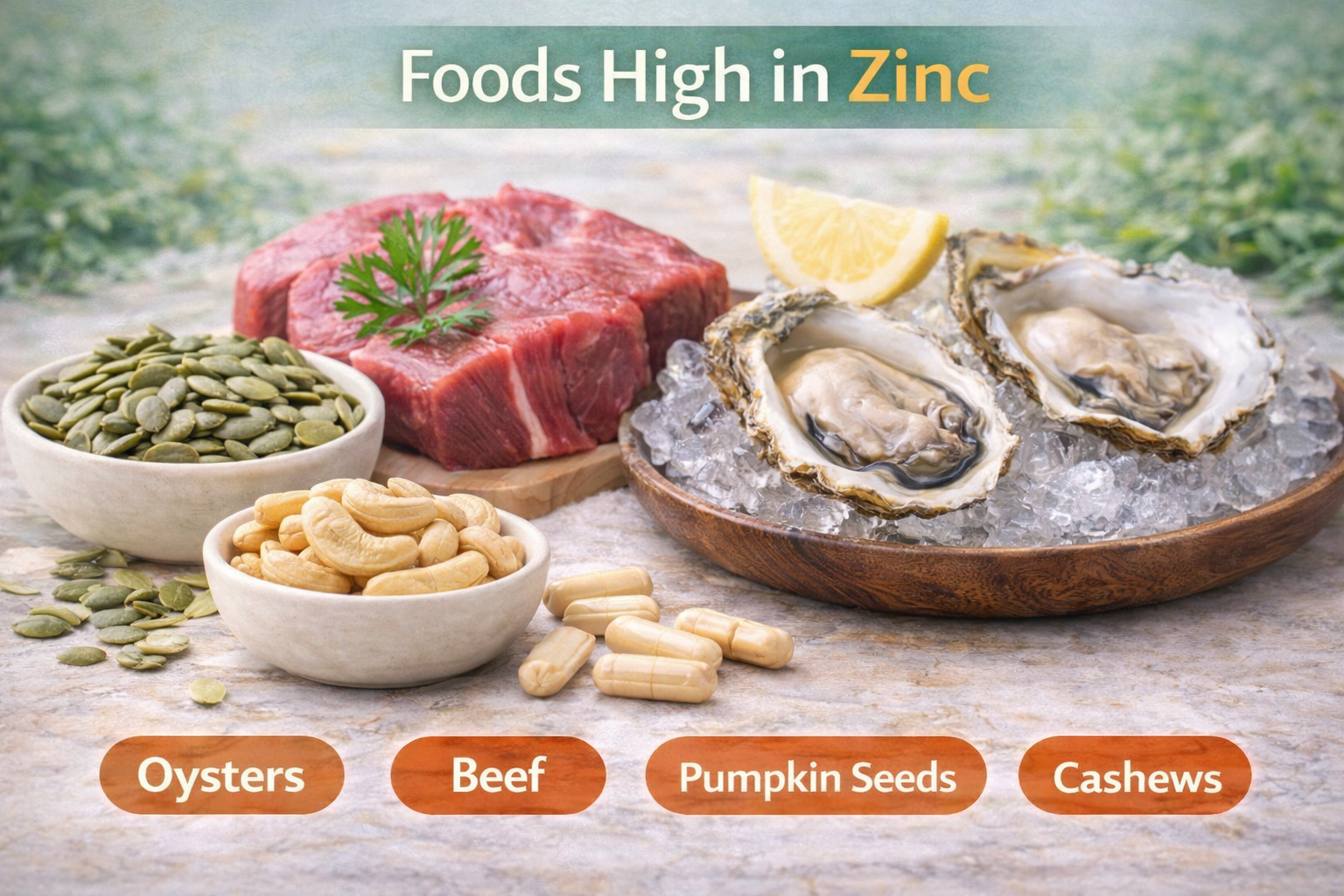
Food Sources of Zinc
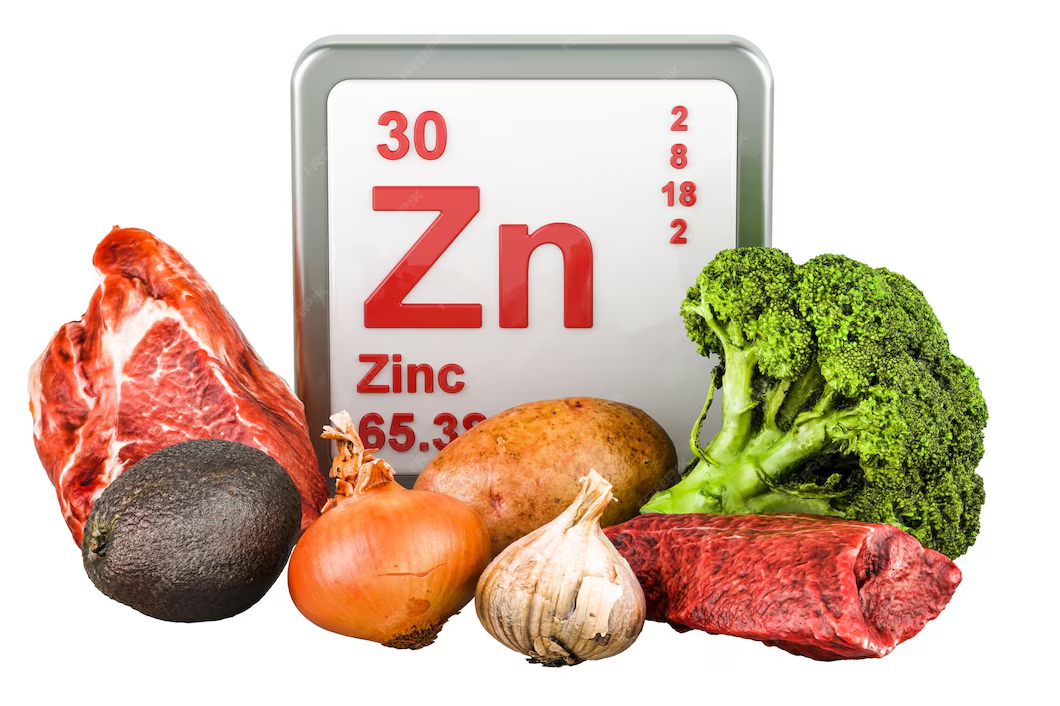
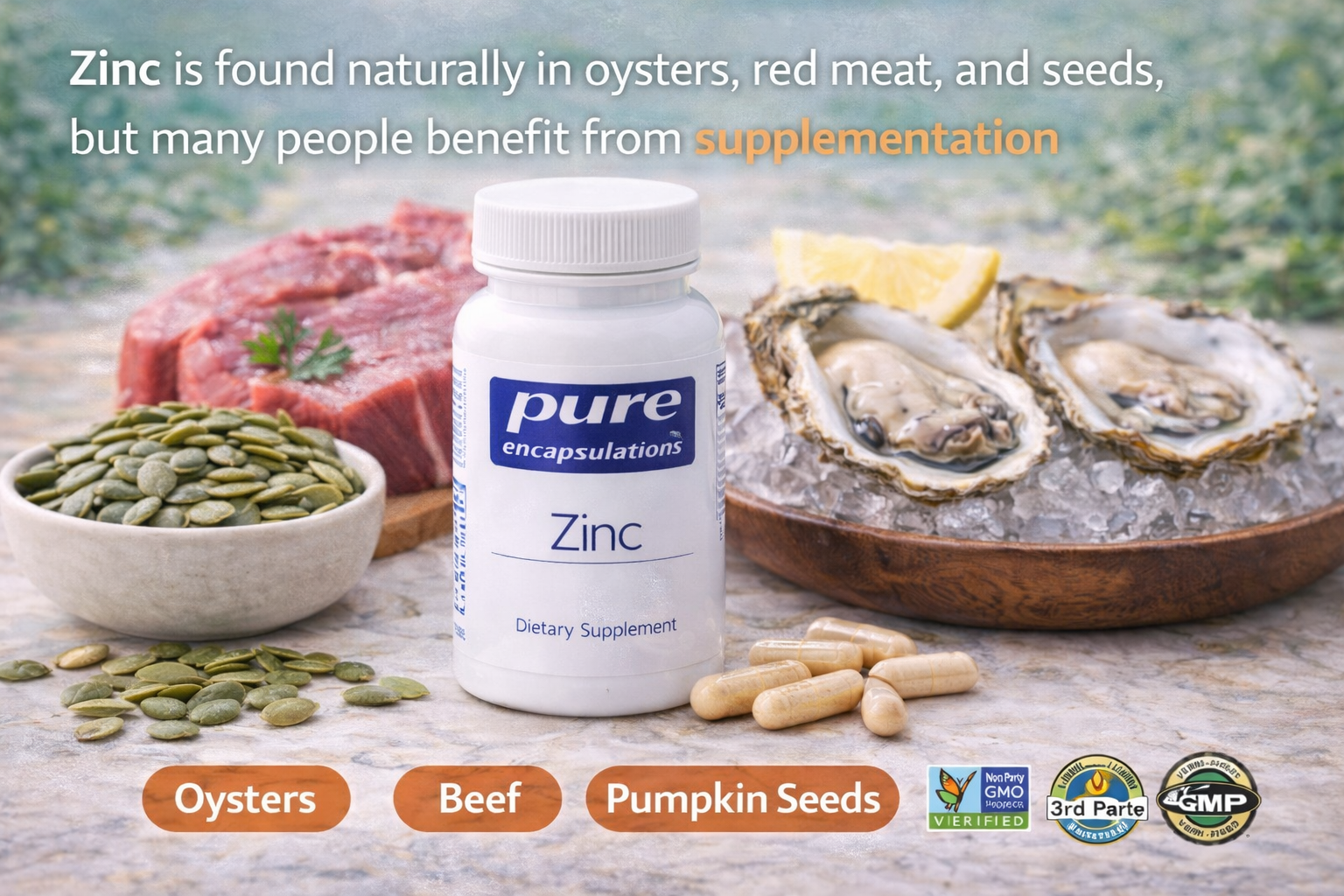
Zinc is found in a variety of foods, though the richest sources are animal-based. The bioavailability of zinc from food varies considerably depending on the source and what else you’re eating—phytates in whole grains and legumes, for instance, can significantly reduce zinc absorption.
| Food | Serving Size | Zinc Content | % Daily Value* |
|---|---|---|---|
| Oysters (cooked) | 85g (6 medium) | 32–74 mg | 290–673% |
| Beef (lean, cooked) | 100g | 4.8–8.5 mg | 44–77% |
| Crab (cooked) | 100g | 6.5 mg | 59% |
| Pumpkin seeds | 30g | 2.2 mg | 20% |
| Chicken (dark meat) | 100g | 2.4 mg | 22% |
| Chickpeas (cooked) | 165g (1 cup) | 2.5 mg | 23% |
| Cashews | 30g | 1.6 mg | 15% |
| Oats (dry) | 40g | 1.5 mg | 14% |
*Based on adult Reference Nutrient Intake (RNI) of 9.5 mg (men) / 7 mg (women) per day
Food vs Supplements: Considerations
If you eat a varied diet including regular servings of meat, shellfish, or fortified foods, you may obtain sufficient zinc from diet alone. However, several factors can tip the balance toward supplementation:
- Vegetarian or vegan diets provide less bioavailable zinc
- High-phytate diets reduce zinc absorption by 20–50%
- Digestive conditions may impair nutrient uptake
- Increased requirements during pregnancy, illness, or recovery
⚠️ Important: Soaking, sprouting, and fermenting legumes and grains can reduce their phytate content, improving zinc absorption from plant foods. If you follow a plant-based diet, these preparation methods can meaningfully boost your zinc intake.
Dosage: How Much Zinc Do You Need?
Zinc requirements vary based on age, sex, and life stage. The UK Reference Nutrient Intake (RNI) provides baseline recommendations, though some individuals may benefit from amounts at the higher end of studied ranges.
| Population | UK RNI | Common Supplement Range | Upper Limit |
|---|---|---|---|
| Adult Men (19–64) | 9.5 mg | 15–30 mg | 40 mg |
| Adult Women (19–64) | 7 mg | 10–25 mg | 40 mg |
| Pregnancy | 7 mg | 10–25 mg | 40 mg |
| Breastfeeding | 9.5–13 mg | 15–25 mg | 40 mg |
| Adults Over 65 | 9.5/7 mg | 15–25 mg | 40 mg |
Timing and Absorption Tips
Zinc is best taken with food to minimise stomach upset—a common complaint with zinc supplementation. However, certain foods can reduce absorption:
- Avoid taking with high-phytate foods (bran cereals, legumes) which can bind zinc and reduce uptake
- Avoid taking with calcium supplements or dairy at the same time, as high calcium intake may compete with zinc
- Avoid taking with iron supplements at the same time, as these minerals compete for absorption
- Consider taking with protein-rich foods, which may enhance zinc absorption
Spacing zinc supplements away from other mineral supplements by 2–4 hours can help maximise absorption of each.
Can You Take Too Much Zinc?
Yes, unlike some nutrients, zinc can definitely be overdone. The tolerable upper intake level for adults is 40 mg per day from all sources (food plus supplements). Exceeding this chronically can cause problems.
Short-term high doses (above 40 mg) may cause nausea, vomiting, stomach cramps, and diarrhoea. Long-term excessive intake—even at moderately high doses like 50+ mg daily—can interfere with copper absorption, leading to copper deficiency with its own set of health consequences including anaemia and neurological issues.
This zinc-copper interaction is particularly important if you’re supplementing long-term at doses above 25 mg daily. Many quality zinc supplements include a small amount of copper (1–2 mg) to help maintain balance.
Zinc Synergies and the Copper Connection
Zinc doesn’t work in isolation—it interacts with other nutrients in ways that can either enhance or interfere with their effects. Understanding these relationships helps you build a more effective supplement strategy.
| Combination | Synergy Type | Why It Works | Evidence Level |
|---|---|---|---|
| Zinc + Vitamin C | 🛡️ Protection | Both support immune function through different mechanisms; complementary effects | ⭐⭐⭐ Good |
| Zinc + Quercetin | ⚡ Activation | Quercetin may act as a zinc ionophore, helping zinc enter cells more effectively | ⭐⭐ Moderate |
| Zinc + Copper | 🔗 Balance | Essential balance; long-term zinc supplementation requires copper to prevent deficiency | ⭐⭐⭐⭐ Strong |
| Zinc + Magnesium | 🔗 Cofactor | Both essential minerals often depleted together; ZMA formulas popular for sleep/recovery | ⭐⭐⭐ Good |
The Critical Zinc-Copper Balance
One of the most important interactions to understand is the zinc-copper relationship. These two minerals compete for absorption in your intestines—they use the same transport proteins to enter cells. Taking high doses of zinc over time can create a functional copper deficiency, even if your dietary copper intake is adequate.
Copper deficiency symptoms include fatigue, weakness, frequent illness, neurological problems, and anaemia that doesn’t respond to iron supplementation. These symptoms can be mistaken for other conditions, making the zinc connection easy to miss.
The solution: If you’re taking more than 25 mg of zinc daily on an ongoing basis, consider a supplement that includes copper (typically 1–2 mg) or ensure adequate dietary copper intake. The ideal zinc-to-copper ratio is generally considered to be between 8:1 and 15:1.
Timing Considerations with Other Minerals
Zinc competes with several other minerals for absorption, which has practical implications for supplement timing:
- Iron: Take separately (2–4 hours apart) to avoid competition
- Calcium: High-dose calcium supplements may reduce zinc absorption; separate if taking both
- Magnesium: Some competition exists, but many people take ZMA formulas (zinc + magnesium + B6) together successfully
✓ Zinc Synergy Summary
Safety Considerations and Precautions
Zinc is generally safe when taken at appropriate doses, but it does carry interaction and toxicity risks that warrant attention—particularly for long-term supplementation.
Signs of Zinc Overdose
Acute zinc toxicity can occur from a single very high dose (200+ mg) and typically causes nausea, vomiting, abdominal cramps, diarrhoea, and headaches. These symptoms usually resolve once zinc is eliminated from the body.
Chronic overconsumption (40–50+ mg daily over months) presents different concerns, primarily copper deficiency. Early signs include fatigue, weakness, and susceptibility to infections. More advanced copper deficiency can cause anaemia, neurological symptoms, and immune dysfunction.
| Combination | Risk Level | Interaction | Recommendation |
|---|---|---|---|
| Zinc + Antibiotics (quinolones, tetracyclines) | HIGH | Zinc can bind antibiotics and reduce their effectiveness | Take zinc 2 hours before or 4–6 hours after antibiotic |
| Zinc + Penicillamine | HIGH | Mutual interference—reduces effectiveness of both | Take at least 2 hours apart; consult prescriber |
| Zinc + Thiazide diuretics | MODERATE | Diuretics increase urinary zinc loss | May need zinc supplementation; discuss with GP |
| Zinc + Iron supplements | MODERATE | Compete for absorption when taken together | Take at different times of day |
| Zinc + High-dose calcium | LOW | High calcium may slightly reduce zinc absorption | Separate by 2 hours if concerned |
Other Precautions
- Pregnancy and breastfeeding: Zinc is safe and important during pregnancy, but stick to recommended amounts (10–25 mg) and consult your midwife or GP
- HIV/AIDS: Some research suggests caution with zinc supplementation in this population; consult your healthcare team
- Zinc nasal sprays: Have been associated with permanent loss of smell (anosmia); avoid this delivery method
- Empty stomach: Taking zinc without food often causes nausea; always take with a meal or snack
🚨 Warning: If you experience persistent nausea, vomiting, or abdominal pain after starting zinc supplements, reduce your dose or switch to a different form. If symptoms continue, stop supplementation and consult your GP.
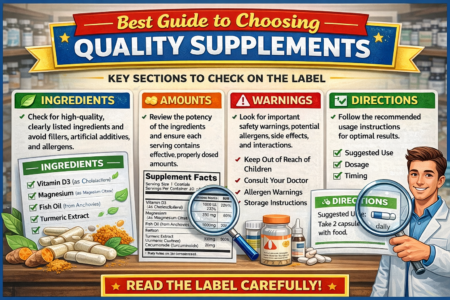
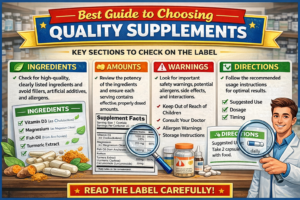
How to Choose a Quality Zinc Supplement
The supplement market offers numerous zinc products at varying quality and price points. Understanding what distinguishes a good product helps you make an informed choice.
✅ Quality Checklist: What to Look For
- ☐ Bioavailable form — Zinc picolinate, citrate, or bisglycinate preferred over oxide or sulphate
- ☐ Elemental zinc clearly stated — Label should specify actual zinc content, not just compound weight
- ☐ Appropriate dose — 15–30 mg elemental zinc for most adults; avoid mega-doses
- ☐ Copper included — For doses above 25 mg, look for added copper (1–2 mg)
- ☐ Third-party tested — NSF, USP, or ConsumerLab verification provides quality assurance
- ☐ Minimal additives — Short ingredient list without unnecessary fillers or colours
- ☐ Clear expiration date — With reasonable shelf life remaining
- ☐ Reputable manufacturer — Established company with transparent practices
🚩 Red Flags to Avoid
- Zinc oxide as primary form — Poor absorption; common in cheap supplements
- No elemental zinc stated — Impossible to know actual dose you’re getting
- Mega-doses (50+ mg) — Increases risk of copper deficiency without added benefit
- Zinc nasal sprays — Associated with permanent smell loss; avoid entirely
- Proprietary blends — Hides actual amounts of each ingredient
- Unrealistic health claims — “Cures,” “treats,” or guaranteed results
- No third-party verification — Relies solely on manufacturer claims
What About Combination Products?
You’ll find zinc combined with various other nutrients. Common combinations include:
- Zinc + Copper: Excellent for long-term supplementation; maintains mineral balance
- Zinc + Vitamin C: Popular for immune support; complementary effects
- ZMA (Zinc + Magnesium + B6): Marketed for sleep and recovery; may benefit those deficient in these nutrients
- Multivitamins with zinc: Convenient but typically contain lower zinc doses and less bioavailable forms
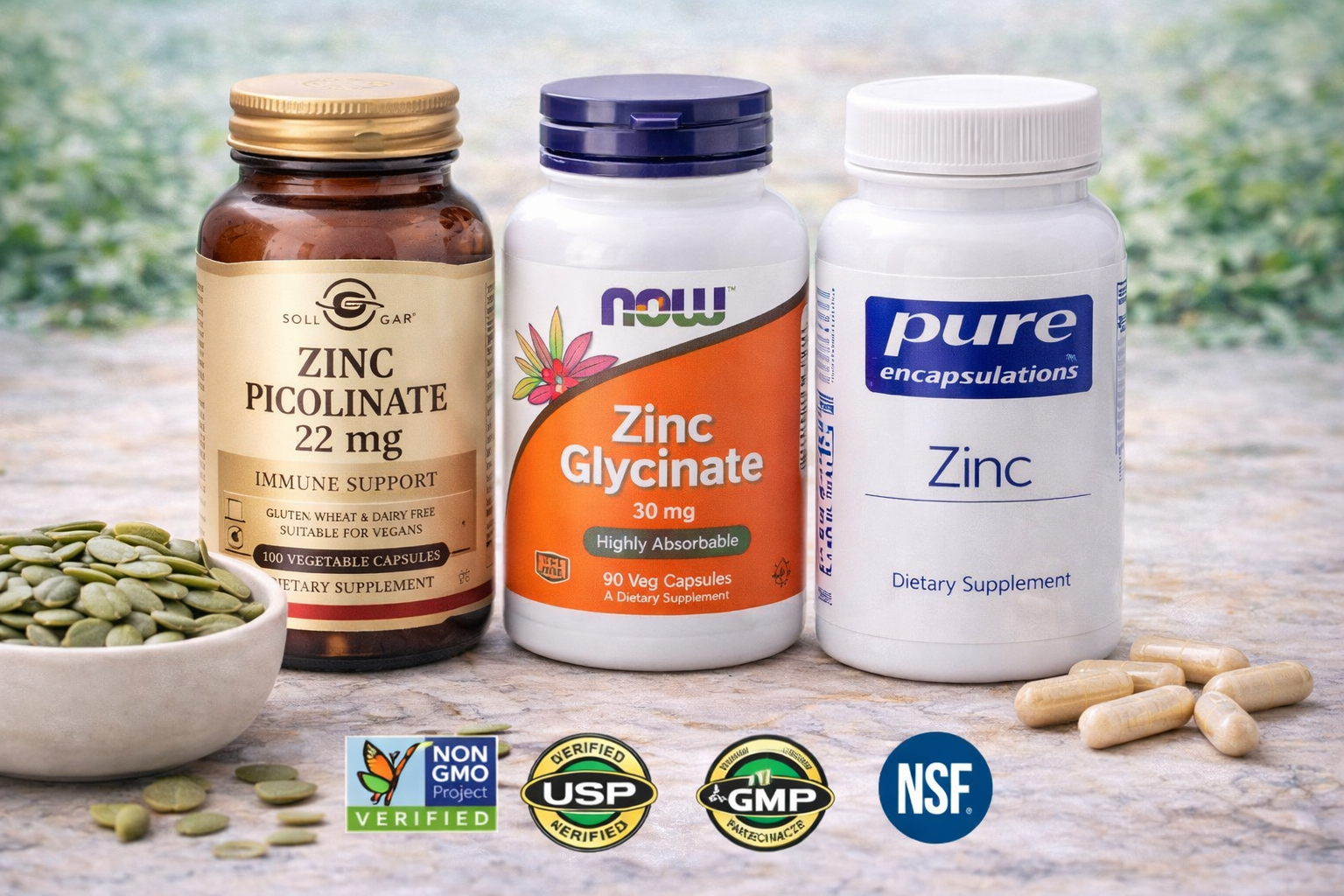
Products Worth Considering
Zinc Picolinate 30mg
A high-absorption zinc picolinate formula providing 30 mg elemental zinc per capsule. Ideal for those looking to optimise zinc levels or address dietary insufficiency.
- 30 mg elemental zinc (as zinc picolinate)
- Highly bioavailable chelated form
- Small, easy-to-swallow vegetarian capsules
- No artificial colours or preservatives
- Third-party tested for purity
Zinc + Copper Balance Formula
A balanced formula combining 25 mg zinc citrate with 2 mg copper bisglycinate. Perfect for long-term supplementation without risking copper depletion.
- 25 mg zinc (as zinc citrate) + 2 mg copper (as copper bisglycinate)
- Optimal zinc-to-copper ratio for long-term use
- Both minerals in highly absorbable chelated forms
- Suitable for daily maintenance supplementation
- Free from common allergens (gluten, soy, dairy)
Frequently Asked Questions
What is the best form of zinc to take?
For most people, zinc picolinate, zinc citrate, or zinc bisglycinate offer the best combination of absorption and tolerability. Zinc picolinate has shown superior absorption in some studies, while zinc bisglycinate is particularly gentle on the stomach. Avoid zinc oxide for supplementation, as it’s poorly absorbed despite being common in cheap products.
How much zinc should I take daily?
For general health maintenance, 15–30 mg of elemental zinc daily is typically sufficient. The UK Reference Nutrient Intake is 9.5 mg for men and 7 mg for women, but these are minimums to prevent deficiency rather than optimal amounts. Don’t exceed 40 mg daily long-term without medical supervision, as this can cause copper deficiency.
Should I take zinc with copper?
If you’re taking more than 25 mg of zinc daily on an ongoing basis, adding copper is advisable. Zinc and copper compete for absorption, and chronic high-dose zinc supplementation can deplete copper over time. Look for a formula that includes 1–2 mg of copper, or ensure adequate dietary copper intake from foods like shellfish, nuts, and organ meats.
When is the best time to take zinc?
Take zinc with a meal to minimise stomach upset, which is a common side effect. Avoid taking it with high-phytate foods (bran cereals, legumes) or at the same time as iron or calcium supplements, as these can reduce absorption. Many people find taking zinc with dinner works well.
Can zinc help with colds?
Research suggests that zinc lozenges or syrup, taken within 24 hours of symptom onset, may reduce the duration of common cold symptoms by 1–2 days. The effect appears to require direct contact with throat tissues, so swallowed capsules may not provide the same benefit for acute cold symptoms. For ongoing immune support, regular zinc supplementation helps maintain adequate levels.
Are there side effects from taking zinc supplements?
The most common side effect is nausea, particularly when taken on an empty stomach. Taking zinc with food usually prevents this. Other potential effects include metallic taste, headache, and diarrhoea. Long-term high-dose supplementation (above 40 mg daily) can cause copper deficiency, leading to fatigue, weakness, and immune problems. Avoid zinc nasal sprays, which have been linked to permanent loss of smell.
Final Thoughts
Zinc may not grab headlines like vitamin D or omega-3s, but this essential mineral quietly supports hundreds of critical functions in your body—from immune defence to wound healing to hormone production. Ensuring adequate zinc intake is a foundational piece of any health optimisation strategy.
For most people considering supplementation, zinc picolinate or zinc citrate at 15–30 mg daily represents the sweet spot: well-absorbed, well-tolerated, and unlikely to cause imbalances. If you’re supplementing long-term at the higher end of this range, choosing a formula that includes copper or ensuring adequate dietary copper intake protects against the main risk of zinc supplementation.
Those at particular risk of deficiency—vegetarians and vegans, older adults, people with digestive conditions, and those on certain medications—may benefit most from targeted supplementation. But even if you eat a varied diet, the convenience and low cost of a quality zinc supplement makes it a reasonable addition to a wellness routine.
As with any supplement, more isn’t necessarily better. Stick within studied dosage ranges, pay attention to form and quality, and if you have specific health concerns or take medications, have a conversation with your GP before starting. With the right product at the right dose, zinc supplementation is straightforward, safe, and potentially quite beneficial for your overall health.
Sources
- NHS. “Vitamins and minerals – Zinc.” NHS Choices. NHS — Zinc
- NIH Office of Dietary Supplements. “Zinc – Fact Sheet for Health Professionals.” NIH ODS. NIH ODS — Fact Sheets
- Prasad AS. “Zinc in human health: effect of zinc on immune cells.” Mol Med. PubMed — Zinc and Immunity
- Science M et al. “Zinc for the treatment of the common cold: a systematic review and meta-analysis.” CMAJ. PubMed — Zinc Cold Review
- Examine. “Zinc.” Examine Research Database. Examine — Zinc
- Mayo Clinic. “Zinc.” Drugs and Supplements. Mayo Clinic — Zinc
Written by Arsim Rama
Health Content Specialist · Last reviewed: January 2026
Affiliate Disclosure: This article may contain affiliate links. If you purchase through these links, we may earn a small commission at no extra cost to you. We only recommend products we believe in.
Medical Disclaimer: This article is for educational purposes only and does not constitute medical advice. Always consult your GP or qualified healthcare professional before making changes to your health regimen.