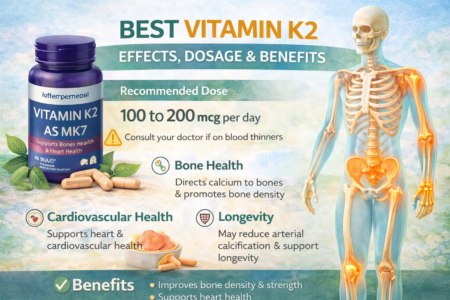
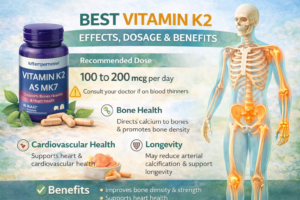

Quick Answer: Vitamin K2 helps direct calcium to your bones and teeth whilst keeping it away from your arteries. MK-7 stays active in your body longer (making it ideal for once-daily dosing), whilst MK-4 works quickly but requires multiple doses. For most people seeking bone and cardiovascular support, MK-7 at 100–200 mcg daily offers the best balance of effectiveness and convenience.
Vitamin K2 is a fat-soluble vitamin that activates proteins responsible for calcium metabolism, supporting bone mineralisation and helping to prevent arterial calcification. The two main supplemental forms—MK-4 and MK-7—differ in their half-life, dosing requirements, and tissue distribution, with MK-7 generally offering longer-lasting effects at lower doses.
If you’ve heard about vitamin K2 but feel confused by terms like “menaquinone,” “MK-4,” and “MK-7,” you’re certainly not alone. Unlike its better-known cousin vitamin K1 (found in leafy greens and essential for blood clotting), vitamin K2 operates behind the scenes in ways that researchers are only beginning to fully appreciate.
What makes K2 particularly fascinating is its role as a calcium traffic controller. Without adequate K2, calcium may end up in places you don’t want it—like your arteries—rather than where you need it most, such as your bones and teeth. This guide walks you through everything you need to know about vitamin K2, from how it works at a cellular level to which form might suit your needs best.
Whether you’re exploring K2 for bone health, cardiovascular support, or as part of a broader supplement strategy alongside vitamin D3, understanding the nuances between MK-4 and MK-7 will help you make a more informed choice.
🎬 Watch: A visual overview of how vitamin K2 supports bone and cardiovascular health.
📜 Prefer reading? Scroll down for detailed explanations.
How Vitamin K2 Works in Your Body
Vitamin K2 belongs to the vitamin K family, which includes K1 (phylloquinone) and K2 (menaquinones). While both forms participate in blood clotting, K2 has additional roles that K1 doesn’t perform as effectively—particularly in activating proteins that regulate where calcium ends up in your body.
The magic happens through a process called carboxylation. Vitamin K2 acts as a cofactor for an enzyme that adds carboxyl groups to specific proteins, essentially “switching them on.” Without sufficient K2, these proteins remain inactive and can’t do their jobs properly.
The Key Players: Osteocalcin and Matrix Gla Protein
Two proteins depend heavily on vitamin K2 for activation:
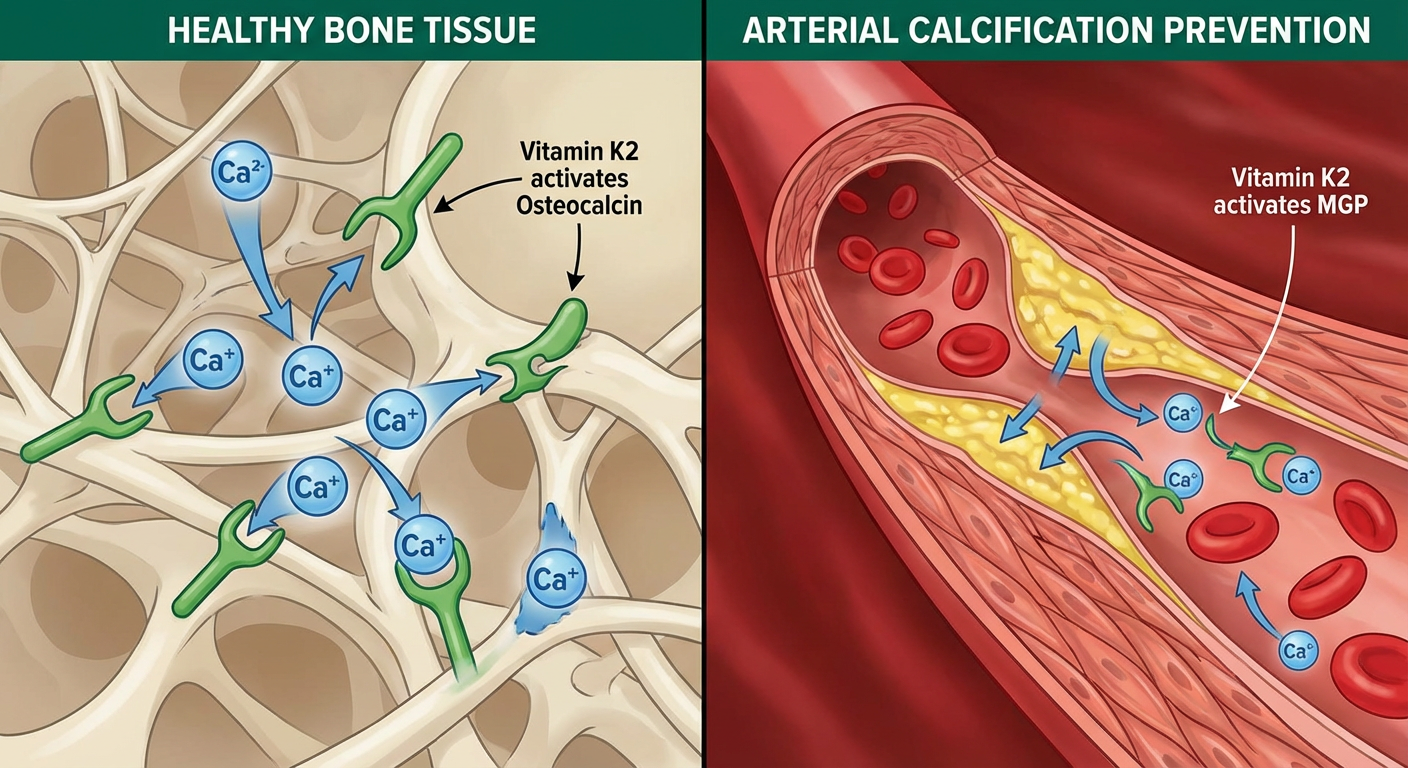
Osteocalcin is produced by bone-building cells called osteoblasts. Once activated by K2, osteocalcin binds calcium and helps incorporate it into your bone matrix. Think of activated osteocalcin as a construction worker cementing calcium into the bone scaffold. Undercarboxylated (inactive) osteocalcin levels are sometimes used as a marker of vitamin K status.
Matrix Gla Protein (MGP) works in your blood vessels and soft tissues. When activated by K2, MGP acts as a powerful inhibitor of calcification, essentially preventing calcium from depositing in your arterial walls. Research suggests that adequate K2 intake may help keep arteries flexible and reduce the risk of vascular calcification.
This dual action—promoting calcium deposition in bones whilst preventing it in arteries—is why vitamin K2 has attracted significant research interest in both skeletal and cardiovascular health.
💡 Tip: Vitamin K2 is fat-soluble, meaning it absorbs better when taken with a meal containing healthy fats. Taking your K2 supplement with breakfast or dinner can improve absorption.
Key Benefits of Vitamin K2
Research into vitamin K2 has expanded considerably over the past two decades. While some benefits have stronger evidence than others, the overall picture suggests K2 plays important roles in several aspects of health.
Bone Health and Density
Perhaps the most studied benefit of vitamin K2 relates to bone health. By activating osteocalcin, K2 helps ensure calcium is properly utilised in bone formation. Several studies, particularly from Japan where MK-7 from fermented soya (natto) is commonly consumed, have observed associations between higher K2 intake and better bone mineral density.
The relationship between K2 and fracture risk is particularly relevant for postmenopausal women and older adults. Some research suggests that adequate K2 intake, especially when combined with vitamin D3 and calcium, may support bone integrity more effectively than calcium alone.
Cardiovascular Support
The Rotterdam Study, which followed over 4,800 participants for seven years, found that higher dietary vitamin K2 intake was associated with reduced aortic calcification and lower cardiovascular mortality risk. These findings sparked considerable interest in K2’s potential cardioprotective effects.
By keeping MGP activated, K2 may help maintain arterial flexibility. Arterial stiffness typically increases with age, and calcification of the blood vessel walls contributes to this process. While more research is needed, the existing evidence suggests K2 may play a supportive role in cardiovascular health.
Dental Health
The same osteocalcin that supports bone health also exists in teeth. Vitamin K2 may help maintain tooth mineralisation and support overall dental health. Some researchers have proposed that K2 deficiency during development could contribute to dental issues, though this area requires further investigation.
Potential Additional Benefits
Emerging research is exploring K2’s possible roles in:
- Blood sugar regulation — Some studies suggest K2 may support insulin sensitivity
- Brain health — K2-dependent proteins have been identified in brain tissue
- Skin health — Through its role in calcium metabolism and collagen support
- Kidney function — Particularly in populations at risk of vascular calcification
These areas remain under active investigation, and it’s important not to overstate current evidence levels.
MK-4 vs MK-7: Which Form Is Best?
When shopping for vitamin K2 supplements, you’ll encounter two main forms: MK-4 (menaquinone-4) and MK-7 (menaquinone-7). The numbers refer to the length of the side chain attached to the vitamin’s core structure, and this seemingly small difference has significant practical implications.
| Form | Bioavailability | Best For | Typical Dose | Notes |
|---|---|---|---|---|
| MK-4 | ●●○○○ Lower | Therapeutic bone protocols, research settings | 1,500–45,000 mcg/day | Short half-life (hours); requires multiple daily doses |
| MK-7 | ●●●●○ High | Daily supplementation, general health maintenance | 100–200 mcg/day | Long half-life (2–3 days); once-daily dosing |
| MK-4 + MK-7 Combo | ●●●○○ Moderate-High | Those wanting both rapid and sustained effects | Varies by product | Combines benefits of both forms |
Understanding the Half-Life Difference
The most clinically relevant distinction between MK-4 and MK-7 is their half-life—how long they remain active in your bloodstream:
MK-4 has a half-life of just a few hours. This means blood levels rise quickly after taking it but also drop rapidly. Japanese clinical trials using MK-4 for osteoporosis typically used doses of 45 mg (45,000 mcg) taken three times daily—a testament to how quickly the body clears this form.
MK-7 has a half-life of approximately 2–3 days. This allows it to accumulate in the blood with regular dosing, maintaining more stable levels with just one daily dose. Research suggests that as little as 90–180 mcg of MK-7 daily can significantly increase vitamin K status and activate relevant proteins.
Where Each Form Comes From
MK-4 can be synthesised in the body from vitamin K1, though the conversion rate varies between individuals and may be limited. Supplemental MK-4 is typically synthetic.
MK-7 is produced by bacterial fermentation. The richest natural source is natto (fermented soybeans), a traditional Japanese food. Most MK-7 supplements use natto-derived K2, though soy-free versions produced through fermentation with other bacteria are also available.
🦴 Best for Bone Health
MK-7 (100–200 mcg daily)
Sustained levels support ongoing osteocalcin activation; convenient once-daily dosing
❤️ Best for Cardiovascular Support
MK-7 (180–200 mcg daily)
Longer half-life helps maintain MGP activation for arterial protection
⚡ Best for Quick Response
MK-4 (as directed by healthcare provider)
Rapid tissue uptake; typically used in clinical settings at higher doses
Pros and Cons Comparison
✓ MK-7 Pros
- Longer half-life (steady blood levels)
- Once-daily dosing is sufficient
- Lower doses are effective
- More research for cardiovascular benefits
- Widely available and affordable
✗ MK-7 Cons
- Often soy-derived (allergy concerns)
- May take weeks to reach optimal levels
- Not suitable for those on warfarin without monitoring
✓ MK-4 Pros
- Fastest tissue uptake
- Extensive Japanese research for osteoporosis
- May reach tissues MK-7 doesn’t
- Typically soy-free
✗ MK-4 Cons
- Short half-life (clears quickly)
- Requires multiple daily doses
- Higher doses needed for effect
- More expensive at therapeutic doses
Signs of Vitamin K2 Deficiency
Outright vitamin K deficiency is relatively uncommon in healthy adults because K1 from leafy greens typically meets basic clotting needs. However, K2-specific insufficiency may be more widespread than previously recognised, particularly in populations that consume little fermented food.
The challenge is that K2 insufficiency often doesn’t produce obvious immediate symptoms. Instead, the effects may accumulate silently over years, contributing to gradual bone loss or arterial stiffening.
| Stage | Common Signs | Action |
|---|---|---|
| 🟡 Early/Mild | Easy bruising, slow wound healing, weak nails, early dental issues | Consider dietary changes or testing |
| 🟠 Moderate | Declining bone density, increased tartar buildup, arterial stiffness markers | Discuss with GP; testing recommended |
| 🔴 Severe | Significant bruising, nosebleeds, heavy periods, bone fractures, calcification of blood vessels | Seek medical attention promptly |
Who Is at Risk of Deficiency?
Certain groups may be more likely to have suboptimal vitamin K2 status:
- Older adults — Reduced dietary intake and potential absorption issues
- Those on long-term antibiotics — Gut bacteria produce some K2; antibiotics may disrupt this
- People with digestive disorders — Coeliac disease, Crohn’s, or other conditions affecting fat absorption
- Those who’ve had weight loss surgery — Malabsorption may affect K2 status
- People avoiding fermented foods — Natto and certain cheeses are primary K2 sources
- Those taking certain medications — Some cholesterol drugs and antibiotics may interfere
Just as iron deficiency can develop gradually, vitamin K2 insufficiency may build up over time without obvious warning signs until bone or cardiovascular issues emerge.
How to Test Your Vitamin K2 Levels
Testing vitamin K status isn’t as straightforward as checking iron or vitamin D levels. The most useful marker is undercarboxylated osteocalcin (ucOC), which indicates how much inactive osteocalcin is present. Higher levels suggest insufficient K2 to fully activate this protein.
Another marker is dephospho-uncarboxylated Matrix Gla Protein (dp-ucMGP), which reflects K2 status in relation to cardiovascular health. However, these tests aren’t routinely offered on the NHS and may need to be arranged privately.
If you’re concerned about your K2 status, speak with your GP. They may assess your diet, risk factors, and overall health picture to determine whether testing or supplementation is appropriate.

Food Sources of Vitamin K2
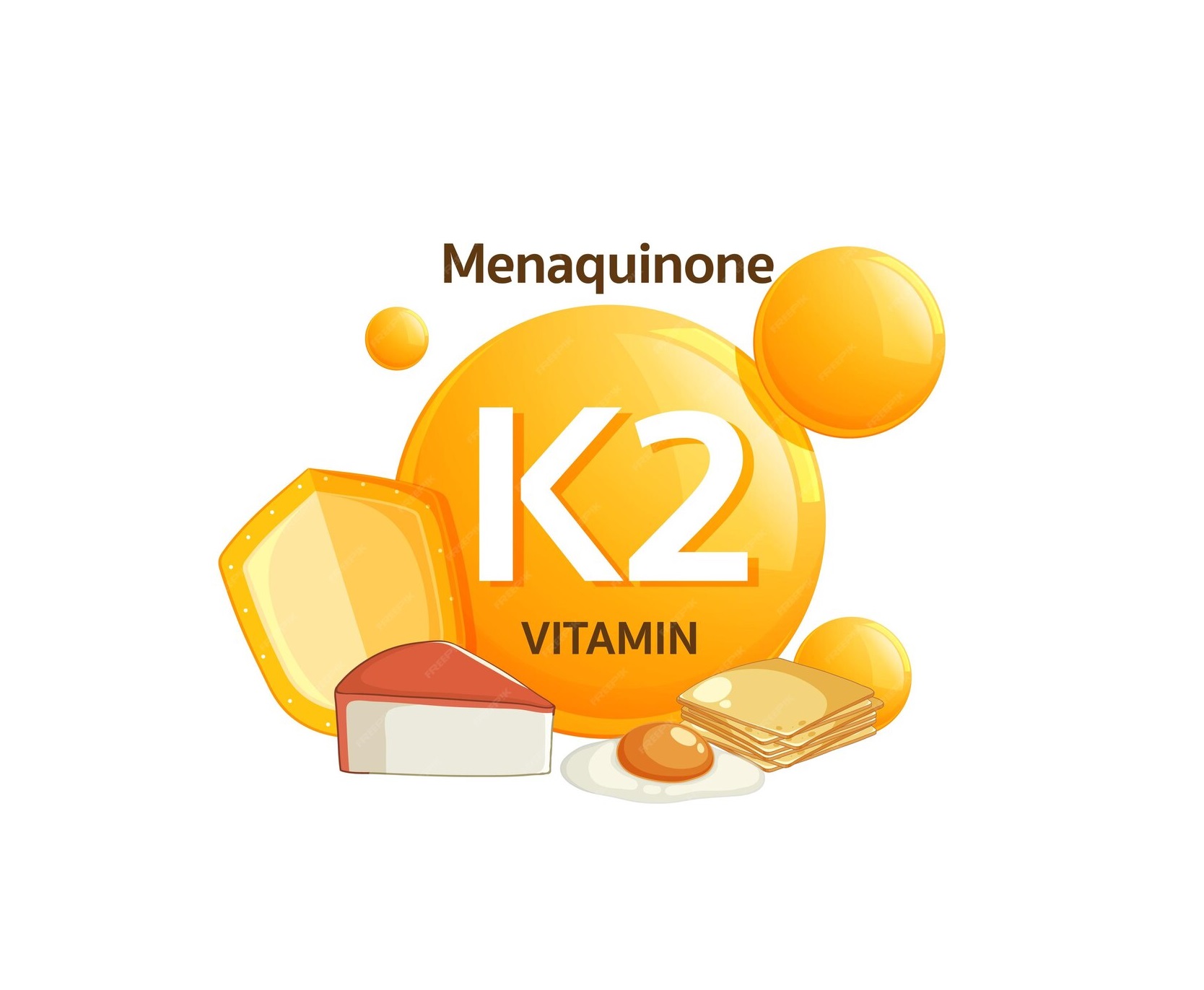
Unlike vitamin K1, which is abundant in leafy greens, K2 is found primarily in fermented foods and certain animal products. The specific form of K2 varies depending on the source—natto contains mostly MK-7, while animal foods contain primarily MK-4.
| Food | Serving Size | Amount per Serving | Primary Form |
|---|---|---|---|
| Natto (fermented soy) | 50g | ~500 mcg | MK-7 |
| Goose liver pâté | 30g | ~110 mcg | MK-4 |
| Hard aged cheese (Gouda) | 30g | ~20–25 mcg | MK-8, MK-9 |
| Egg yolks (pastured) | 2 large | ~15–30 mcg | MK-4 |
| Grass-fed butter | 15g | ~5–15 mcg | MK-4 |
| Chicken liver | 100g | ~10–15 mcg | MK-4 |
| Sauerkraut | 100g | ~5 mcg | Various MKs |
*Values are approximate and vary based on animal diet, fermentation conditions, and processing methods
Getting K2 from Food vs Supplements
For those who regularly eat natto, obtaining adequate K2 from diet alone is entirely feasible. However, natto’s strong flavour and slimy texture make it an acquired taste that many Western palates find challenging. Aged cheeses and pastured animal products provide K2 but in smaller amounts that may not reach optimal levels.
If you’re vegan or vegetarian and avoid natto, supplementation becomes particularly relevant. Some fermented plant foods contain small amounts of K2, but the quantities are generally insufficient for therapeutic benefit.
⚠️ Important: The K2 content in animal products varies significantly based on what the animal ate. Grass-fed and pastured animals typically produce foods higher in K2 than grain-fed counterparts because the animals convert K1 from grass into MK-4 in their tissues.
Dosage: How Much Vitamin K2 Do You Need?
Unlike many vitamins, vitamin K doesn’t have a well-established Reference Nutrient Intake (RNI) in the UK specifically for K2. The existing recommendations combine K1 and K2, which isn’t particularly helpful given their different roles in the body.
Research studies and clinical experience have, however, established ranges that appear effective for various purposes:
| Population | MK-7 Range | MK-4 Range | Notes |
|---|---|---|---|
| Adults (general health) | 90–200 mcg | 500–1,000 mcg | Once daily with fat-containing meal |
| Bone health focus | 100–200 mcg | 15,000–45,000 mcg | Higher MK-4 doses used in Japanese research |
| Cardiovascular support | 180–360 mcg | Not typically used | MK-7 preferred for arterial health studies |
| Pregnancy & breastfeeding | 90–100 mcg | As advised by healthcare provider | Consult GP before supplementing |
| Children | 45–90 mcg | As advised by healthcare provider | Paediatric guidance recommended |
Timing and Absorption
As a fat-soluble vitamin, K2 absorbs best when taken with food containing dietary fat. Taking your supplement with breakfast (if it includes butter, eggs, or avocado) or with dinner is generally ideal.
There’s no strong evidence favouring morning versus evening dosing, so choose whichever time helps you maintain consistency.
Can You Take Too Much?
Vitamin K2 has a remarkably good safety profile. Unlike vitamins A and D, which can cause toxicity at high doses, no upper tolerable limit has been established for K2. The Japanese studies using 45 mg (45,000 mcg) of MK-4 daily didn’t observe significant adverse effects.
That said, “more isn’t always better” applies here too. There’s little evidence that mega-doses provide additional benefit for most people, and the cost adds up quickly at very high intakes.
Vitamin K2 Synergies: What to Take It With
Vitamin K2 doesn’t work in isolation. Its effects are intertwined with other nutrients, particularly those involved in calcium metabolism and bone health. Understanding these relationships can help you build a more effective supplement strategy.
| Combination | Synergy Type | Why It Works | Evidence Level |
|---|---|---|---|
| Vitamin K2 + Vitamin D3 | 🔗 Cofactor | D3 increases calcium absorption; K2 directs where that calcium goes | ⭐⭐⭐⭐ Strong |
| Vitamin K2 + Calcium | 🛡️ Protection | K2 helps ensure calcium reaches bones rather than accumulating in arteries | ⭐⭐⭐ Good |
| Vitamin K2 + Magnesium | ⚡ Activation | Magnesium is needed for vitamin D activation; all three work together | ⭐⭐⭐ Good |
| Vitamin K2 + Omega-3s | 🔄 Absorption | Fat from omega-3s enhances K2 absorption; both support cardiovascular health | ⭐⭐ Moderate |
The D3 and K2 Partnership
Perhaps the most important synergy to understand is between vitamin K2 and vitamin D3. These two nutrients work hand in hand in calcium metabolism:
Vitamin D3 increases your intestinal absorption of calcium from food and supplements. It also signals your body to make more osteocalcin and MGP—the proteins that K2 activates.
Vitamin K2 then activates those proteins, ensuring the calcium D3 helped you absorb ends up in your bones rather than your arteries.
This is why many experts suggest that anyone taking vitamin D3, particularly at higher doses, should consider adding K2. The concern is that D3 alone might increase calcium absorption without providing the “traffic control” K2 offers—potentially allowing calcium to deposit where it shouldn’t.
✓ Key Takeaways: K2 Synergies
- D3 and K2 work together—consider combining them
- If taking calcium supplements, K2 may help with proper utilisation
- Magnesium supports the entire vitamin D/K2/calcium system
- Taking K2 with fat-containing meals or fish oil improves absorption
Safety Considerations and Precautions
Vitamin K2 is generally considered safe with a very good tolerability profile. However, certain situations warrant caution or professional guidance before supplementing.
Warfarin and Anticoagulant Interactions
The most significant interaction concern involves warfarin (and similar vitamin K antagonist anticoagulants). Warfarin works by inhibiting vitamin K’s role in blood clotting. Adding K2 supplements can counteract warfarin’s effect, potentially disrupting carefully managed INR levels.
If you take warfarin: Do not start vitamin K2 supplements without discussing with your anticoagulation clinic or prescribing doctor. Some practitioners do use stable, low-dose K2 alongside warfarin monitoring, but this requires professional supervision.
Newer anticoagulants like apixaban, rivaroxaban, and dabigatran work differently and don’t interact with vitamin K in the same way. However, if you take any blood-thinning medication, consult your healthcare provider before adding K2.
| Combination | Risk Level | Interaction | Recommendation |
|---|---|---|---|
| K2 + Warfarin | HIGH | K2 opposes warfarin’s anticoagulant mechanism | Do not use without medical supervision |
| K2 + DOACs (apixaban, rivaroxaban) | LOW-MOD | Different mechanism; less interaction expected | Consult prescriber before starting |
| K2 + Aspirin (low-dose) | LOW | Aspirin affects platelets, not clotting factors | Generally considered compatible |
| K2 + Bile acid sequestrants | MODERATE | May reduce K2 absorption | Separate doses by 4+ hours |
| K2 + Orlistat | MODERATE | Orlistat blocks fat absorption, affecting fat-soluble vitamins | Take K2 at a different time; may need higher doses |
Other Precautions
- Pregnancy and breastfeeding: K2 is likely safe at moderate doses, but consult your midwife or GP before supplementing
- Scheduled surgery: Inform your surgeon about K2 use; they may advise stopping before procedures
- Kidney disease: Those with advanced kidney disease should discuss K2 with their nephrologist, as calcium and phosphate metabolism is already disrupted
- Liver disease: Severe liver dysfunction may affect K2 metabolism; seek medical guidance
🚨 Warning: If you experience unusual bleeding, persistent bruising, or notice blood in your urine or stool after starting any new supplement, stop taking it and contact your GP promptly.
How to Choose a Quality Vitamin K2 Supplement
The supplement market offers dozens of K2 products at varying price points and quality levels. Understanding what distinguishes a good product from a mediocre one helps you spend your money wisely.
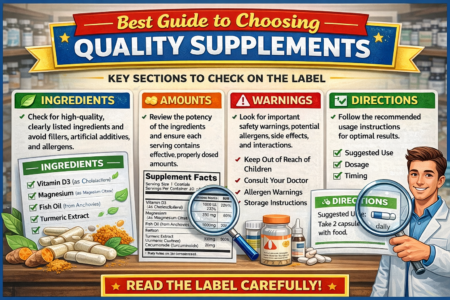
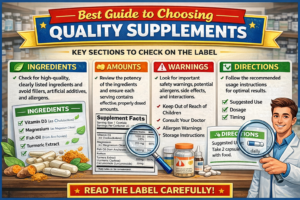
✅ Quality Checklist: What to Look For
- ☐ Third-party tested — Look for NSF, USP, or other independent verification
- ☐ Specified form — Clearly states MK-4, MK-7, or combination (not just “K2”)
- ☐ Trans-form MK-7 — If using MK-7, ensure it’s the biologically active trans isomer, not cis
- ☐ Appropriate dosage — MK-7: 90–200 mcg; MK-4: dose clearly specified for intended use
- ☐ Fat-soluble delivery — Softgels with oil or instruction to take with fat
- ☐ Minimal unnecessary additives — Short ingredient list without artificial colours
- ☐ Allergen information — Particularly soy status for those with allergies
- ☐ Reputable manufacturer — Established company with transparent sourcing
🚩 Red Flags to Avoid
- Just “Vitamin K” or “K2” — Doesn’t specify MK-4 or MK-7 form
- Cis-form MK-7 — Biologically inactive; a sign of poor manufacturing
- Proprietary blends — Hides actual amounts of K2 in a blend
- Mega-doses without justification — More isn’t necessarily better
- Claims to “cure” or “treat” disease — Supplements cannot legally make these claims
- Unusually cheap — Quality MK-7 production has inherent costs
- No batch testing information available — Reputable companies can provide this
MenaQ7 and Other Branded Ingredients
You may see “MenaQ7” on some K2 supplements. This is a branded, clinically studied form of MK-7 produced through a specific fermentation process. While other MK-7 sources can be equally effective, MenaQ7 has been used in several published studies, which provides some additional confidence in its quality.
That said, unbranded MK-7 from reputable manufacturers can work well too—the branded ingredient isn’t strictly necessary, just an additional quality indicator.
Products Worth Considering
MK-7 Vitamin K2 Complex
A pure MK-7 formula providing 200 mcg per softgel in an olive oil base for optimal absorption. Uses the biologically active trans-form and is third-party tested for purity.
- 200 mcg MK-7 (trans-form) per serving
- Easy-to-swallow small softgel
- Olive oil base enhances absorption
- Soy-free option available
- 90-day supply per bottle
Vitamin K2 + D3 Formula
Combines 100 mcg MK-7 with 2,000 IU vitamin D3 in a single daily softgel. Designed for those wanting the synergistic benefits of both nutrients without taking multiple supplements.
- 100 mcg MK-7 + 2,000 IU D3 per serving
- Optimal ratio for calcium metabolism support
- Coconut oil base for enhanced absorption
- Non-GMO and gluten-free
- 60-day supply per bottle
Frequently Asked Questions
What is the difference between vitamin K1 and K2?
Vitamin K1 (phylloquinone) is found in leafy greens and primarily supports blood clotting. Vitamin K2 (menaquinone) is found in fermented foods and animal products, and while it also contributes to clotting, its unique role is activating proteins that direct calcium metabolism—sending calcium to bones and keeping it away from arteries. The body can convert some K1 to K2, but this conversion is limited and varies between individuals.
Can I take vitamin K2 with vitamin D3?
Yes, and many experts recommend doing so. Vitamin D3 increases calcium absorption, while K2 ensures that calcium is properly utilised in bones rather than accumulating in soft tissues. Taking them together supports a more complete approach to calcium metabolism. Many supplements now combine K2 and D3 for convenience.
Is MK-4 or MK-7 better for bone health?
Both forms support bone health, but they work differently. MK-7’s longer half-life means it maintains steadier blood levels with once-daily dosing at lower amounts (100–200 mcg). MK-4 requires much higher doses (15–45 mg) taken multiple times daily but has been extensively studied in Japanese bone health research. For most people, MK-7 offers a more practical daily supplement option.
How long does it take for vitamin K2 to work?
MK-7 blood levels typically reach steady state after about 2–3 weeks of consistent daily supplementation. However, the downstream effects on bone and cardiovascular health develop over months to years, as these are slow-changing tissues. Don’t expect overnight results—K2 is best viewed as a long-term investment in skeletal and vascular health.
Can I get enough vitamin K2 from diet alone?
It’s possible if you regularly consume K2-rich foods like natto, aged cheeses, and pastured animal products. However, many people in Western countries consume very little of these foods. A single serving of natto provides substantial MK-7, but its acquired taste makes it unappealing to many. For those who don’t eat fermented foods regularly, supplementation may help bridge the gap.
Should I take vitamin K2 if I’m on blood thinners?
It depends on which blood thinner. If you take warfarin or similar vitamin K antagonists, do not take K2 supplements without medical supervision—K2 can counteract warfarin’s effects and disrupt your INR control. Newer anticoagulants (DOACs) work differently and may not interact the same way, but you should still discuss any new supplements with your prescriber before starting.
Final Thoughts
Vitamin K2 occupies a unique position in nutritional science—it’s been largely overlooked compared to vitamins D and calcium, yet emerging research suggests it plays a vital role in ensuring those nutrients work effectively. By activating proteins that guide calcium to your bones and away from your arteries, K2 acts as the often-missing piece in the calcium metabolism puzzle.
For most people interested in supplementing, MK-7 at 100–200 mcg daily offers the best combination of effectiveness, convenience, and cost. Its long half-life allows for once-daily dosing, and it’s particularly well-suited for those already taking vitamin D3 who want to optimise their calcium metabolism.
MK-4 remains relevant for specific therapeutic applications, particularly in clinical bone health protocols, but its short half-life and higher dose requirements make it less practical for general supplementation.
Whatever form you choose, remember that K2 works best as part of a broader approach to bone and cardiovascular health—one that includes adequate vitamin D, appropriate calcium intake, regular weight-bearing exercise, and other supportive lifestyle factors.
As always, if you have existing health conditions or take medications, have a conversation with your GP before adding any new supplement to your routine.
Sources
- NHS. “Vitamins and minerals – Vitamin K.” NHS Choices. NHS — Vitamin K
- NIH Office of Dietary Supplements. “Vitamin K – Fact Sheet for Health Professionals.” NIH ODS. NIH ODS — Fact Sheets
- Geleijnse JM et al. “Dietary intake of menaquinone is associated with a reduced risk of coronary heart disease: the Rotterdam Study.” The Journal of Nutrition. PubMed — Rotterdam Study K2
- Schurgers LJ et al. “Vitamin K-containing dietary supplements: comparison of synthetic vitamin K1 and natto-derived menaquinone-7.” Blood. PubMed — MK-7 Research
- Knapen MHJ et al. “Three-year low-dose menaquinone-7 supplementation helps decrease bone loss in healthy postmenopausal women.” Osteoporosis International. PubMed — MK-7 Bone Health
- Harvard T.H. Chan School of Public Health. “Vitamin K.” The Nutrition Source. Harvard Health — Vitamin K
- Cleveland Clinic. “Vitamin K.” Health Essentials. Cleveland Clinic — Vitamin K
Written by Arsim Rama
Health Content Specialist · Last reviewed: January 2026
Affiliate Disclosure: This article may contain affiliate links. If you purchase through these links, we may earn a small commission at no extra cost to you. We only recommend products we believe in.
Medical Disclaimer: This article is for educational purposes only and does not constitute medical advice. Always consult your GP or qualified healthcare professional before making changes to your health regimen.