
Understanding Vitamin E: Benefits, Sources, and What the Science Says
🔑 Key Takeaways
- Vitamin E is a fat-soluble antioxidant that helps protect cells from oxidative damage caused by free radicals, and plays a role in immune function and skin health.
- Most people can get enough vitamin E through a balanced diet rich in nuts, seeds, vegetable oils, and leafy green vegetables — deficiency is relatively rare in healthy adults.
- Alpha-tocopherol is the form of vitamin E most actively used by the human body, and is the form found in most supplements.
- High-dose supplementation may carry risks — always consult a healthcare professional before taking vitamin E supplements, particularly if you’re on blood-thinning medications.
Introduction
⚠️ Health Disclaimer: This article is for informational purposes only and does not constitute medical advice. The information provided should not be used to diagnose, treat, cure, or prevent any disease. Always consult with a qualified healthcare professional before starting any new supplement regimen, especially if you have existing health conditions or are taking medications.
You’ve probably heard of vitamin E mentioned in skincare products, health food labels, or perhaps in conversations about antioxidants. But what exactly does this nutrient do, and why has it earned such a prominent place in the world of health and wellness?
Vitamin E is one of those nutrients that works quietly behind the scenes, protecting your cells from damage and supporting various bodily functions. Unlike some vitamins that make dramatic headlines, vitamin E’s role is more subtle — yet no less important.
The good news? If you’re eating a reasonably balanced diet that includes nuts, seeds, and plant oils, you’re likely already getting a decent amount. However, understanding what vitamin E does, where to find it, and whether supplementation might be appropriate for you is valuable knowledge.
In this guide, we’ll explore everything you need to know about vitamin E — from its function in your body to the best food sources and what current research tells us about its potential benefits and limitations.
What Is Vitamin E?
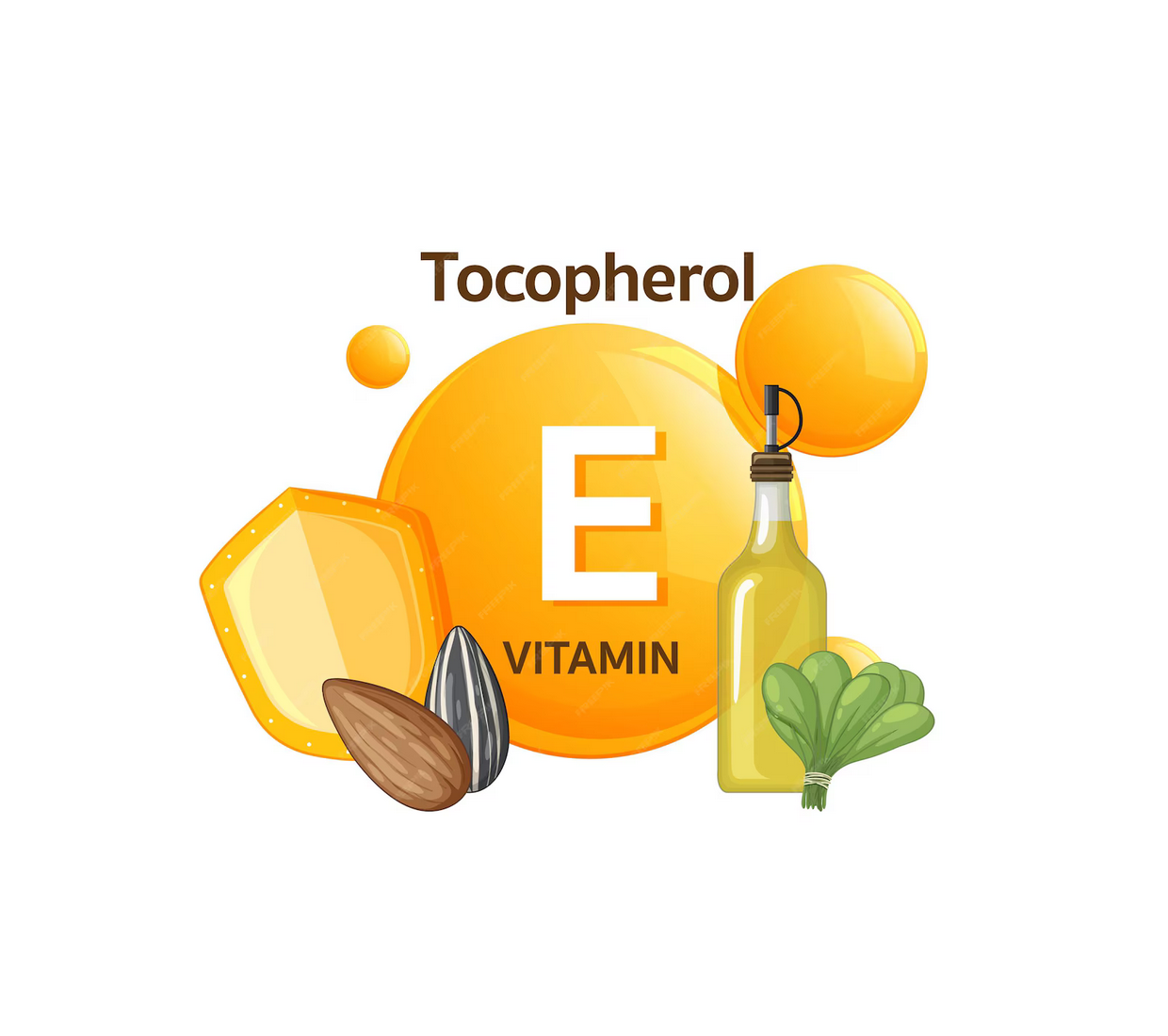
Vitamin E isn’t actually a single compound — it’s a family of eight fat-soluble compounds with antioxidant properties. These are divided into two main categories: tocopherols and tocotrienols, each with four variants (alpha, beta, gamma, and delta).
According to the NIH Office of Dietary Supplements, alpha-tocopherol is the only form recognised to meet human requirements. This is because it’s the form that the body preferentially uses and maintains in the blood. When you see vitamin E listed on food labels or in supplements, it’s typically referring to alpha-tocopherol.
As a fat-soluble vitamin, vitamin E is absorbed along with dietary fats and can be stored in your body’s fatty tissues and liver for later use. This means you don’t necessarily need to consume it every single day, though regular intake is still important for maintaining optimal levels.
Natural food sources of vitamin E include:
- Wheat germ oil (one of the richest sources)
- Sunflower seeds and sunflower oil
- Almonds and almond oil
- Hazelnuts and peanuts
- Avocados
- Spinach and other leafy greens
- Olive oil and other vegetable oils
The NHS notes that vitamin E is found in a wide variety of foods, which is why deficiency is uncommon in the general population when consuming a varied diet.
How Vitamin E Works in Your Body
Understanding how vitamin E functions helps explain why it’s considered an important nutrient. Here’s a breakdown of its primary mechanisms:
1. Antioxidant Protection: Vitamin E’s most celebrated role is as an antioxidant. Your body constantly produces free radicals — unstable molecules generated through normal metabolism, exposure to pollution, UV radiation, and other environmental factors. These free radicals can damage cells through a process called oxidative stress. Vitamin E helps neutralise these free radicals, potentially protecting cell membranes from damage.
2. Absorption and Transport: When you consume vitamin E through food, it’s absorbed in the small intestine along with dietary fats. From there, it’s packaged into lipoproteins and transported to the liver. The liver then preferentially redistributes alpha-tocopherol throughout the body via the bloodstream.
3. Cell Membrane Integration: Vitamin E is particularly important for cell membranes, where it sits among the fatty acids that make up these structures. Its position allows it to intercept free radicals before they can damage the membrane’s delicate lipid components.
4. Immune System Support: According to the NIH, vitamin E plays a role in immune function, though the precise mechanisms are still being studied. It appears to influence the activity of certain immune cells and may help support the body’s natural defence systems.
5. Cell Signalling: Beyond its antioxidant function, vitamin E is involved in cell signalling processes and gene expression. Research suggests it may influence how cells communicate and respond to various stimuli.
5 Potential Benefits of Vitamin E
Research into vitamin E has explored numerous potential health benefits. While some are better supported by evidence than others, here’s what current science suggests:
1. Antioxidant Cell Protection
The most well-established function of vitamin E is its role as an antioxidant. According to Harvard T.H. Chan School of Public Health, vitamin E helps protect cells from the damaging effects of free radicals. This cellular protection is fundamental to the body’s defence against oxidative stress, which has been associated with various age-related conditions.
This antioxidant activity may be particularly important for protecting polyunsaturated fatty acids in cell membranes, which are vulnerable to oxidation.
2. May Support Skin Health
Vitamin E has long been associated with skin health, which explains its prevalence in skincare products. Some research suggests that vitamin E may help protect skin from UV damage and support skin barrier function. However, the evidence for topical versus dietary vitamin E varies, and more research is needed to fully understand these potential benefits.
Many people use vitamin E oil directly on the skin, though scientific evidence for this practice is mixed.
3. May Support Immune Function
The NIH notes that vitamin E is involved in immune function. Some studies have examined whether vitamin E supplementation might benefit immune responses, particularly in older adults. While there are indications that adequate vitamin E intake may support immune health, the evidence isn’t conclusive enough to make specific claims about preventing illness.
4. May Support Eye Health
Some research has explored vitamin E’s potential role in eye health, particularly in relation to age-related conditions. The Age-Related Eye Disease Study (AREDS), conducted by the National Eye Institute, examined antioxidant supplementation including vitamin E. However, the results were specific to certain formulations and populations, so individual benefits may vary.
5. Essential for Neurological Function
Vitamin E appears to be important for neurological health. According to the NIH, severe vitamin E deficiency can lead to neurological problems, including nerve damage and muscle weakness. This highlights the importance of maintaining adequate intake, though it doesn’t necessarily mean that extra supplementation provides additional neurological benefits for those who are not deficient.
5 Tips for Getting Enough Vitamin E
💡 Tip 1: Prioritise Food Sources Over Supplements
The NHS recommends getting vitamins from a varied and balanced diet rather than relying on supplements. Foods naturally rich in vitamin E — such as almonds, sunflower seeds, and olive oil — provide the nutrient alongside other beneficial compounds like healthy fats, fibre, and additional antioxidants.
💡 Tip 2: Include Nuts and Seeds in Your Daily Diet
A small handful of almonds (about 23 nuts) provides a significant portion of your daily vitamin E needs. Sunflower seeds are another excellent choice. Try adding them to salads, yoghurt, or porridge, or simply enjoy them as a snack. This simple habit can meaningfully boost your vitamin E intake.
💡 Tip 3: Use Vitamin E-Rich Cooking Oils
Wheat germ oil contains the highest concentration of vitamin E, though it’s not commonly used for cooking due to its strong flavour and low smoke point. Sunflower oil and olive oil are more practical options that still provide good amounts of vitamin E while being versatile for everyday cooking.
💡 Tip 4: Pair Vitamin E Foods with Healthy Fats
Since vitamin E is fat-soluble, consuming it alongside dietary fats helps optimise absorption. Many vitamin E-rich foods already contain fats (like nuts and oils), but when eating leafy greens such as spinach, consider adding olive oil or avocado to your salad to enhance absorption.
💡 Tip 5: Be Cautious with High-Dose Supplements
The NHS advises that taking 540mg or less of vitamin E supplements per day is unlikely to cause harm. However, high-dose vitamin E supplements have been associated with potential health concerns in some studies. If you’re considering supplementation, speak with a healthcare professional first, especially if you take blood-thinning medications.
What Does the Research Say?
Vitamin E has been the subject of extensive research over the decades, with sometimes conflicting results. Here’s an overview of the current scientific landscape:
Antioxidant Function: The evidence supporting vitamin E’s role as an antioxidant in the body is well-established. Laboratory and animal studies clearly demonstrate its ability to neutralise free radicals and protect cell membranes from oxidative damage.
Disease Prevention: Early observational studies generated excitement about vitamin E’s potential to prevent chronic diseases. However, large-scale clinical trials have generally not confirmed these hoped-for benefits. According to Harvard T.H. Chan School of Public Health, supplementation trials have not shown clear benefits for preventing heart disease or cancer in the general population.
Skin Health: Research on vitamin E for skin health shows mixed results. While there’s some evidence that it may help with certain skin conditions and UV protection, the evidence is not consistent across all studies. Topical and oral vitamin E may have different effects.
Safety Considerations: Some meta-analyses have raised concerns about high-dose vitamin E supplementation, particularly doses exceeding 400 IU daily. The NIH notes that high doses may increase the risk of bleeding, especially in people taking anticoagulant medications.
The Whole Food Advantage: Researchers increasingly recognise that the benefits observed in people who eat vitamin E-rich diets may be due to the combination of nutrients in whole foods rather than vitamin E alone. This supports the recommendation to obtain vitamin E through diet rather than isolated supplements.
Summary
Vitamin E is an essential fat-soluble antioxidant that plays important roles in protecting cells from oxidative damage, supporting immune function, and maintaining overall health. The form most beneficial to humans is alpha-tocopherol, which is abundant in foods like nuts, seeds, vegetable oils, and leafy green vegetables.
For most healthy adults eating a balanced diet, vitamin E deficiency is uncommon. The best approach is to obtain this nutrient through food sources rather than supplements, as whole foods provide a complex mix of beneficial compounds that work together synergistically.
While vitamin E’s antioxidant properties are well-documented, large clinical trials have not consistently demonstrated that supplements prevent chronic diseases. Furthermore, high-dose supplementation may carry risks for certain individuals, particularly those on blood-thinning medications.
If you’re concerned about your vitamin E intake or considering supplementation, it’s best to discuss this with a healthcare professional who can assess your individual needs and circumstances.
⚠️ Health Disclaimer: This article is for informational purposes only and should not replace professional medical advice. Individual needs vary, and what works for one person may not be suitable for another. Please consult your doctor or a registered dietitian before making any changes to your supplement routine, particularly if you are pregnant, breastfeeding, taking medications (especially blood thinners), or managing a health condition.
⭐ Was this article helpful?
Help others discover quality information — share your experience on Trustpilot!
Related Topics
- Vitamin C: The Ultimate Antioxidant Partner
- Understanding Selenium and Its Role in Health
- The Complete Guide to Healthy Fats
- Antioxidants Explained: What They Are and Why They Matter
- Nutrition for Healthy Skin
- Foods That May Support Immune Function
Frequently Asked Questions
How much vitamin E do I need daily?
According to the NHS, adults need approximately 4mg of vitamin E daily for men and 3mg for women. The NIH recommends 15mg (22.4 IU) for adults. Most people can achieve this through a balanced diet. The slight difference in recommendations reflects different approaches to setting dietary guidelines.
What are the signs of vitamin E deficiency?
Vitamin E deficiency is rare in healthy individuals but can occur in people with fat malabsorption disorders. Symptoms may include nerve and muscle damage, loss of body movement control, muscle weakness, and vision problems. If you experience these symptoms, consult a healthcare professional rather than self-diagnosing.
Can I take vitamin E with other supplements?
Vitamin E may interact with certain supplements and medications. It can enhance the effects of blood-thinning medications and supplements like fish oil. It’s also often taken alongside vitamin C, as these antioxidants may work synergistically. However, always consult a healthcare professional before combining supplements.
Is natural vitamin E better than synthetic?
Natural vitamin E (d-alpha-tocopherol) is generally considered more bioavailable than synthetic vitamin E (dl-alpha-tocopherol). According to the NIH, natural vitamin E is about twice as potent as the synthetic form. You can identify synthetic vitamin E by the “dl” prefix on the label, while natural forms have just “d” before the name.
Does cooking destroy vitamin E in foods?
Vitamin E is relatively stable compared to some other vitamins, but it can be degraded by heat, light, and exposure to air over time. To preserve vitamin E content, store oils in cool, dark places, and avoid overheating cooking oils. Using fresh ingredients and not overcooking foods can help maintain their nutritional value.
Can vitamin E help with scars?
Despite its popularity in scar treatments, the scientific evidence for vitamin E reducing scars is mixed. Some studies have found no significant benefit, while others suggest potential improvement. Some individuals may even develop contact dermatitis from topical vitamin E. If you’re considering using vitamin E for scars, it’s worth discussing with a dermatologist first.
Sources
- NHS. “Vitamin E.” https://www.nhs.uk/conditions/vitamins-and-minerals/vitamin-e/
- National Institutes of Health, Office of Dietary Supplements. “Vitamin E — Fact Sheet for Health Professionals.” https://ods.od.nih.gov/factsheets/VitaminE-HealthProfessional/
- Mayo Clinic. “Vitamin E.” https://www.mayoclinic.org/drugs-supplements-vitamin-e/art-20364144
- Harvard T.H. Chan School of Public Health. “Vitamin E.” https://www.hsph.harvard.edu/nutritionsource/vitamin-e/
- British Nutrition Foundation. “Vitamins and Minerals.” https://www.nutrition.org.uk/healthy-sustainable-diets/vitamins-and-minerals/