
Medical Disclaimer: This article provides general educational information about Vitamin C and is not intended as medical advice. Individual health needs vary significantly. Always consult with a qualified healthcare professional before making changes to your diet or starting any supplement regimen. The information presented should not replace professional medical guidance.
🔑 Key Takeaways
- Essential antioxidant: Vitamin C protects cells from damage and supports numerous vital body functions
- Immune support: Research suggests it may help reduce the duration and severity of common cold symptoms
- Food sources matter: Citrus fruits, berries, and vegetables provide natural Vitamin C alongside beneficial plant compounds
- Daily requirements: Most adults need 40-90mg daily, though individual needs may vary based on lifestyle and health status
The Essential Role of Vitamin C in Your Health
Few nutrients have captured public attention quite like Vitamin C. From orange juice adverts promising immune protection to supplement bottles lining pharmacy shelves, this essential vitamin is everywhere. But beyond the marketing, what does science actually tell us about Vitamin C?
Also known as ascorbic acid, Vitamin C is a water-soluble nutrient that your body cannot produce or store in significant amounts. This means you need a regular dietary supply to maintain optimal health. Whilst severe deficiency is rare in developed countries today, many people may not be getting the amounts that research suggests could support peak wellness.
This comprehensive guide explores the evidence-based benefits of Vitamin C, the best food sources, and practical strategies to ensure you’re meeting your needs—whether through diet alone or with careful supplementation.
⚕️ Important Notice: This article provides educational information about Vitamin C. It is not intended to diagnose, treat, cure, or prevent any disease. Individual nutritional needs vary based on age, health status, medications, and other factors. Always seek guidance from a qualified healthcare professional before changing your supplement routine.
What Is Vitamin C?
Vitamin C (ascorbic acid) is a water-soluble vitamin that acts as a powerful antioxidant in your body. Unlike most animals, humans cannot synthesise Vitamin C internally—we lost this ability through evolution—which makes it an essential nutrient that must come from our diet.
Being water-soluble means that Vitamin C dissolves in water and is not stored in fatty tissues. Your body keeps only a small reserve, and excess amounts are excreted through urine. This characteristic has important implications: whilst toxicity is rare, you need a consistent daily intake to maintain adequate levels.
The vitamin exists in two main forms:
- L-ascorbic acid: The most common and biologically active form
- Dehydroascorbic acid: The oxidised form, which your body can convert back to ascorbic acid
Both forms contribute to your total Vitamin C intake and can be absorbed by your intestines, though L-ascorbic acid is generally more stable and prevalent in foods and supplements.
How Vitamin C Works in Your Body
Understanding how Vitamin C functions helps explain why it’s so crucial for health. This versatile nutrient participates in numerous biochemical processes:
Antioxidant Protection
Vitamin C acts as a potent antioxidant, neutralizing harmful free radicals—unstable molecules that can damage cells and contribute to ageing and disease. It can donate electrons to these reactive molecules, stabilising them and preventing cellular damage.
Collagen Synthesis
Perhaps one of Vitamin C’s most important roles is supporting collagen production. Collagen is the most abundant protein in your body, providing structure to skin, bones, tendons, ligaments, and blood vessels. Vitamin C is essential for the enzymes that build and stabilize collagen molecules—without it, collagen becomes unstable and weak.
Immune Function
Vitamin C supports various cellular functions of both the innate and adaptive immune system. It accumulates in immune cells and appears to enhance their ability to fight infections, though the exact mechanisms are still being researched.
Iron Absorption
The vitamin significantly enhances the absorption of non-haem iron (the type found in plant foods) by converting it to a form that’s easier for your intestines to absorb. This is why nutrition experts often recommend consuming Vitamin C-rich foods alongside iron-rich plant foods.
5 Science-Backed Health Benefits of Vitamin C
Research has explored numerous potential benefits of adequate Vitamin C intake. Here’s what current evidence suggests:
1. May Support Immune Function
Whilst Vitamin C won’t necessarily prevent you from catching a cold, research suggests it may help reduce the duration and severity of symptoms. A review of studies found that regular supplementation might reduce cold duration by approximately 8% in adults and 14% in children, though individual responses vary considerably.
The evidence appears stronger for people under physical stress—such as marathon runners or soldiers in cold environments—where regular Vitamin C intake has been associated with reduced cold incidence.
2. Supports Skin Health and Wound Healing
Given its essential role in collagen synthesis, adequate Vitamin C is crucial for maintaining healthy skin and supporting wound healing. Research indicates that Vitamin C may help protect skin from sun damage when combined with Vitamin E, though it doesn’t replace sunscreen.
Studies have also found associations between higher Vitamin C intake and better skin appearance, including reduced wrinkles and dryness, though these relationships are complex and influenced by many factors.
3. May Help Manage Blood Pressure
Some research suggests that Vitamin C supplementation may have a modest effect on blood pressure. A review of studies found that taking Vitamin C supplements might help reduce systolic blood pressure by an average of 3-4 mmHg and diastolic pressure by 1-2 mmHg in people with hypertension.
Whilst these reductions are relatively small, they could potentially contribute to cardiovascular health when combined with other lifestyle measures. However, Vitamin C should not replace prescribed blood pressure medications.
4. Enhances Iron Absorption
For people who rely heavily on plant-based iron sources or have iron deficiency, Vitamin C can be particularly valuable. Studies show that consuming just 25-100mg of Vitamin C alongside a meal can increase non-haem iron absorption by up to 3-4 times.
This makes Vitamin C especially important for vegetarians, vegans, and people at risk of iron deficiency anemia.
5. May Support Cognitive Function
Emerging research suggests potential links between Vitamin C status and brain health. The vitamin is concentrated in brain tissue and appears to play roles in neurotransmitter synthesis and protecting brain cells from oxidative stress.
Some observational studies have found associations between higher Vitamin C levels and better cognitive performance, though more research is needed to establish causality and determine optimal intake for brain health.
5 Practical Tips to Boost Your Vitamin C Intake
Meeting your Vitamin C needs is usually straightforward with the right dietary strategies:
💡 Tip 1: Eat a Rainbow of Fruits and Vegetables
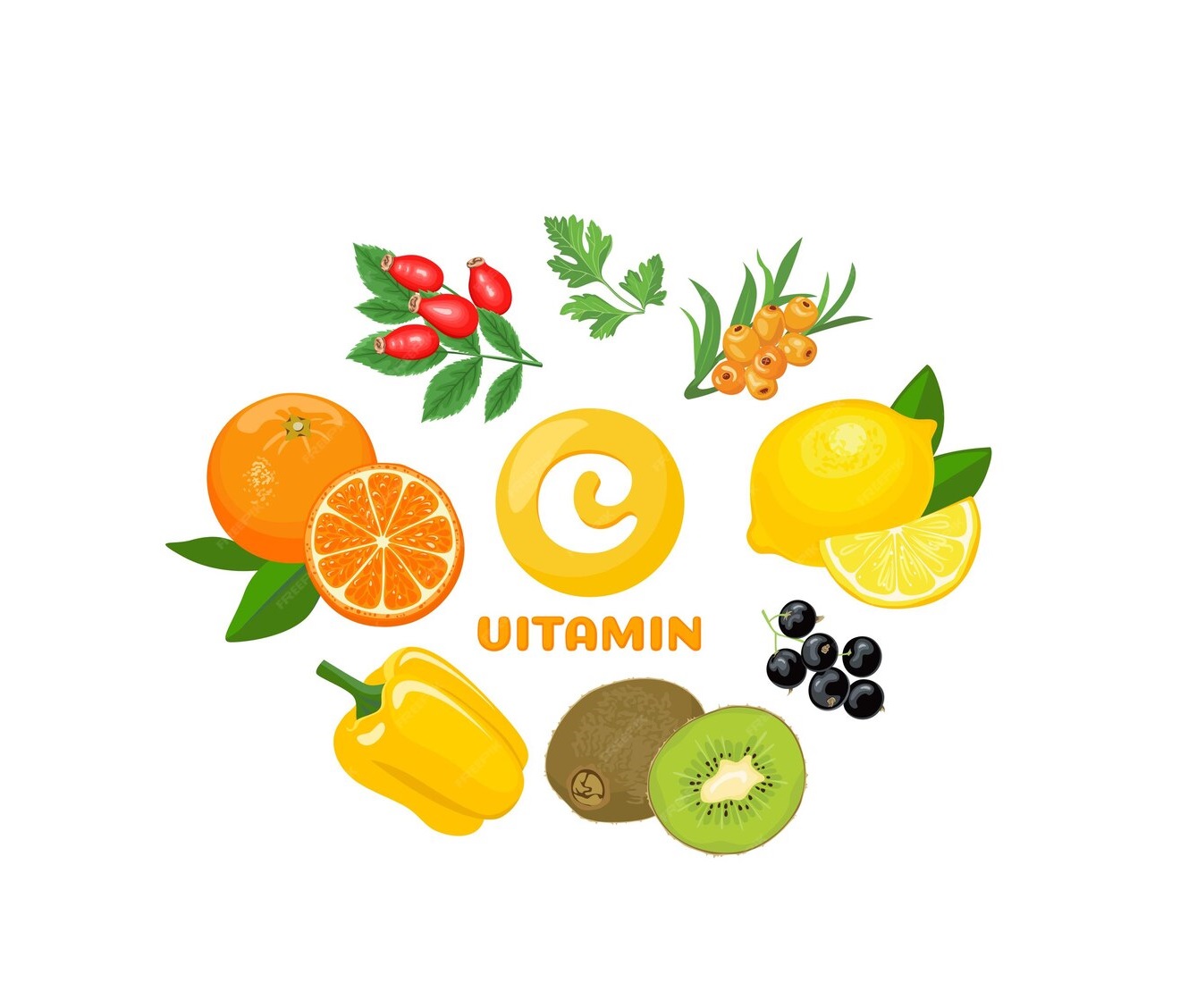
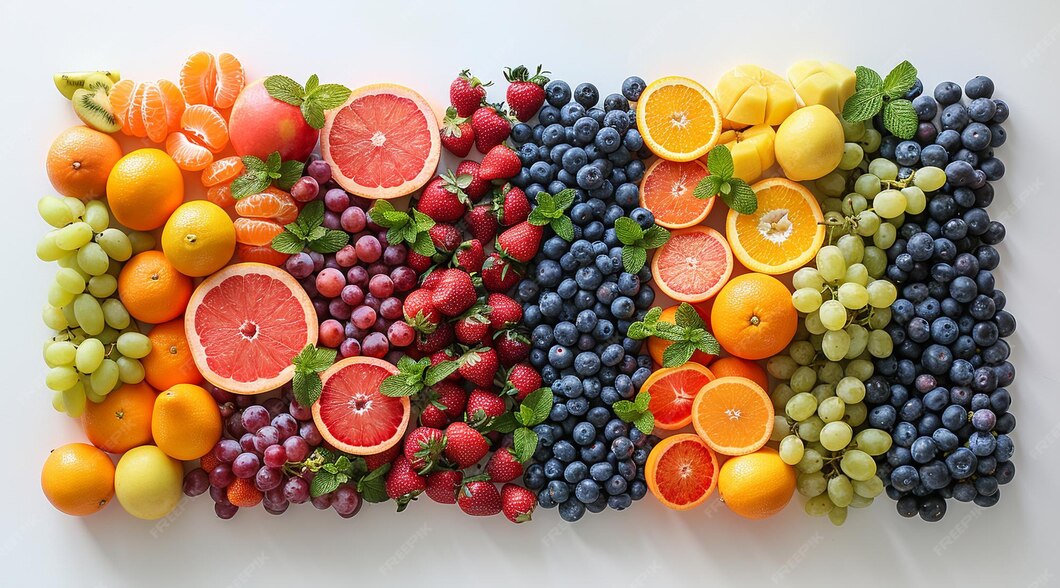
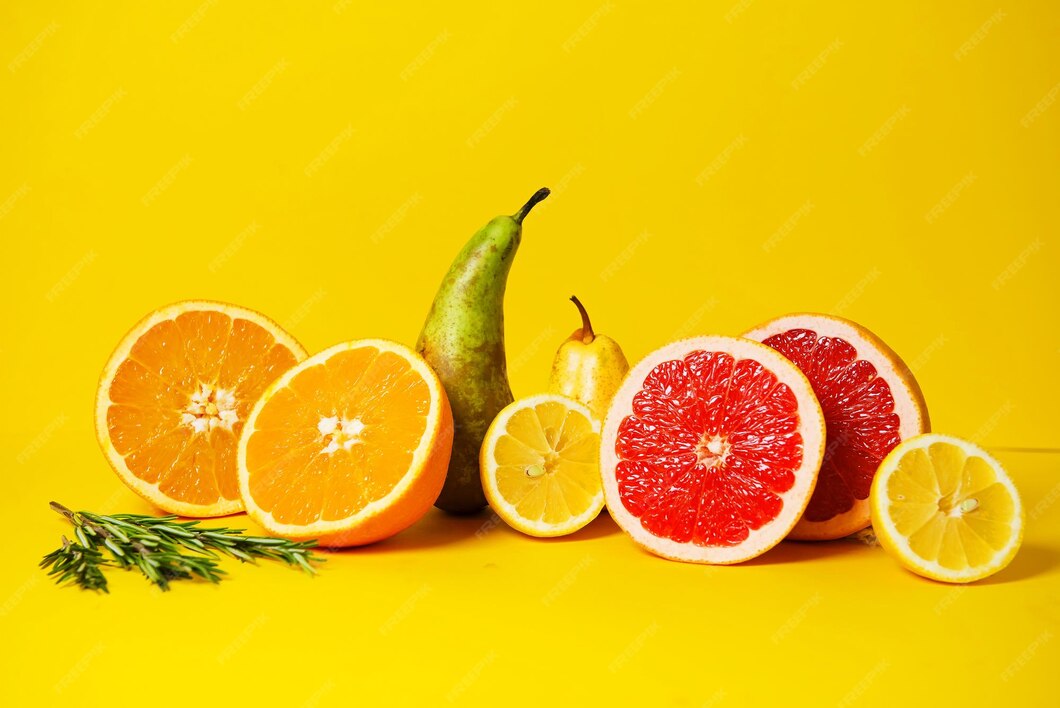
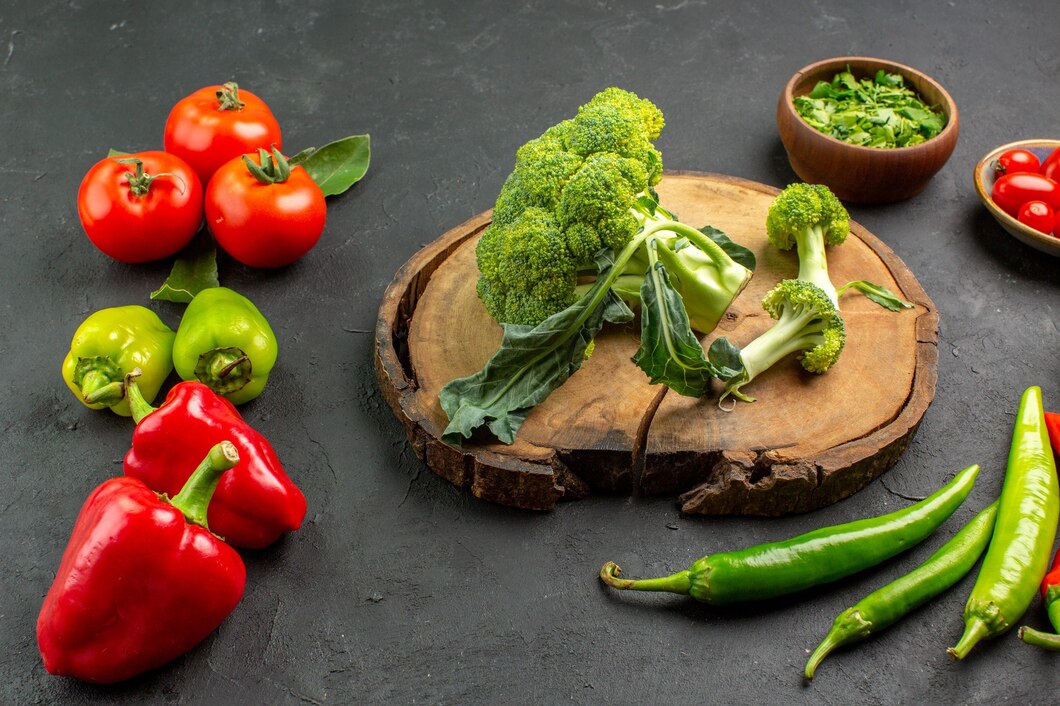
The best natural sources of Vitamin C include citrus fruits (oranges, grapefruits, lemons), berries (strawberries, blackcurrants), kiwi fruit, bell peppers (especially red ones), broccoli, Brussels sprouts, tomatoes, and leafy greens. Aim for at least 5 portions of varied fruits and vegetables daily.
Example: A medium orange (70mg), a handful of strawberries (60mg), and a serving of broccoli (50mg) easily provides 180mg of Vitamin C—well above the UK RDA.
💡 Tip 2: Minimize Cooking Time
Vitamin C is sensitive to heat, light, and oxygen. Boiling vegetables can destroy up to 50% of their Vitamin C content. To preserve maximum nutrients, eat fruits and vegetables raw when possible, steam rather than boil, or use quick cooking methods like stir-frying. If you do boil vegetables, use the cooking water in soups to retain some of the lost vitamins.
💡 Tip 3: Pair Vitamin C with Iron-Rich Foods
Maximize iron absorption from plant sources by combining them with Vitamin C-rich foods. Try lentil soup with a squeeze of lemon, spinach salad with strawberries, or beans with tomato sauce. This simple pairing can significantly enhance iron bioavailability, especially important for vegetarians and vegans.
💡 Tip 4: Store Produce Properly
Vitamin C content decreases over time after harvesting. Store fruits and vegetables in cool, dark places and consume them relatively quickly after purchase. Interestingly, frozen produce is often picked and frozen at peak ripeness, potentially retaining more Vitamin C than “fresh” produce that’s been stored for weeks.
💡 Tip 5: Consider Supplementation Wisely
Whilst food sources are ideal, supplements can be helpful if your diet is limited or during periods of increased need (such as illness or high stress). If supplementing, doses of 100-200mg daily appear safe for most adults and may provide additional benefits beyond deficiency prevention. Higher doses aren’t necessarily better—your body can only absorb about 200mg at once, with excess being excreted.
Always consult a healthcare professional before starting supplements, especially if you have kidney problems or take medications.
What Does the Research Say?
Scientific understanding of Vitamin C has evolved considerably since its discovery in the early 20th century. Here’s what modern research tells us:
Immune Function Studies
A comprehensive Cochrane review examining multiple studies found that whilst regular Vitamin C supplementation doesn’t appear to reduce cold incidence in the general population, it may reduce duration by approximately 8% in adults. The effect appears more pronounced in people under extreme physical stress, with some studies showing up to 50% reduction in cold incidence for marathon runners and soldiers.
Cardiovascular Research
Studies on Vitamin C and heart health have produced mixed results. Whilst observational studies often find associations between higher Vitamin C intake and reduced cardiovascular risk, intervention trials have been less consistent. Some research suggests modest benefits for blood pressure and endothelial function, but Vitamin C alone is unlikely to be a major cardiovascular intervention.
Optimal Intake Debates
There’s ongoing scientific discussion about optimal Vitamin C intake. The UK recommendation is 40mg daily—enough to prevent deficiency—whilst the US suggests 75-90mg. Some researchers argue that 200mg daily may optimise tissue saturation and antioxidant benefits, though there’s no consensus on an “optimal” intake beyond preventing deficiency.
Summary and Recommendations
Vitamin C is an essential nutrient with multiple important roles in your body, from supporting immune function and collagen synthesis to enhancing iron absorption and protecting cells from oxidative damage. Whilst severe deficiency is rare in developed countries, ensuring adequate intake may support optimal health.
Key Points to Remember:
- Aim for 40-90mg daily through a varied diet rich in fruits and vegetables
- Best food sources include citrus fruits, berries, peppers, broccoli, and leafy greens
- Gentle cooking methods help preserve Vitamin C content
- Supplementation may be beneficial during illness or for those with limited diets
- Amounts above 1,000mg daily may cause digestive discomfort
Your Action Steps:
- Assess whether your current diet includes regular Vitamin C-rich foods
- Aim to include at least one serving of citrus fruit or berries daily
- Add colourful vegetables to your meals, especially peppers and broccoli
- If considering supplements, discuss appropriate dosing with a healthcare professional
- Be mindful of cooking methods to preserve nutrient content
📋 Final Reminder: This article provides general educational information about Vitamin C. Individual nutritional requirements vary based on numerous factors including age, health status, medications, and lifestyle. Before making significant dietary changes or starting supplements, please consult with a qualified healthcare professional who can provide personalised advice based on your specific circumstances.
⭐ Was this article helpful?
Help others discover quality health information — share your experience on Trustpilot!
Related Topics You Might Enjoy
Frequently Asked Questions About Vitamin C
How much Vitamin C do I need daily?
The UK recommendation is 40mg daily for adults, sufficient to prevent deficiency. However, many health professionals suggest 75-90mg for general health maintenance, with some research indicating that up to 200mg daily may optimise tissue saturation. During illness or periods of high stress, higher amounts may be beneficial. Individual needs vary based on age, health status, smoking status (which increases requirements), and lifestyle factors. It’s best to meet your needs through a varied diet rich in fruits and vegetables.
What are the best natural sources of Vitamin C?
Excellent food sources include citrus fruits (oranges, grapefruits, lemons, limes), berries (strawberries, blackcurrants, raspberries), kiwi fruit, bell peppers (especially red ones), broccoli, Brussels sprouts, tomatoes, and leafy greens like kale and spinach. A single medium orange provides approximately 70mg of Vitamin C, whilst a serving of raw red bell pepper can provide over 100mg. Interestingly, some vegetables like peppers and broccoli contain more Vitamin C per serving than many citrus fruits.
Can Vitamin C prevent colds?
Research suggests that whilst regular Vitamin C supplementation doesn’t appear to prevent colds in the general population, it may slightly reduce the duration and severity of symptoms once you’re ill—by approximately 8% in adults according to review studies. The effect appears more pronounced in people under extreme physical stress, such as marathon runners or soldiers in cold environments, where some studies have found up to 50% reduction in cold incidence. Taking Vitamin C after symptoms start doesn’t appear to be beneficial, so consistent intake is key if you’re using it for immune support.
Is it possible to take too much Vitamin C?
Yes, although Vitamin C toxicity is rare because it’s water-soluble and excess amounts are typically excreted in urine. The upper safe limit is 1,000mg (1 gram) daily for adults. Taking more than this may cause digestive discomfort, diarrhoea, nausea, and stomach cramps. Very high doses (several grams daily) over extended periods may increase the risk of kidney stones in susceptible individuals. Additionally, because your body can only absorb about 200mg at once, mega-doses aren’t particularly beneficial—you’re literally flushing money down the toilet.
Does cooking destroy Vitamin C?
Yes, Vitamin C is particularly sensitive to heat, light, air, and water. Boiling vegetables can destroy 40-50% or more of their Vitamin C content, with losses increasing with longer cooking times and higher temperatures. To preserve maximum Vitamin C: eat fruits and vegetables raw when possible, steam rather than boil (steaming preserves about 75% compared to 50% with boiling), use minimal water, cook for shorter periods, and if you do boil vegetables, use the cooking water in soups or sauces to capture some of the lost nutrients. Microwaving and stir-frying are also relatively good preservation methods.
What are signs of Vitamin C deficiency?
Early signs of deficiency may include fatigue, weakness, irritability, and aching joints or muscles. As deficiency progresses, more specific symptoms can develop including bleeding or swollen gums, nosebleeds, slow wound healing, dry and rough skin, easy bruising, and weakened immunity. Severe, prolonged deficiency leads to scurvy—characterised by anaemia, gum disease, and skin problems—though this is extremely rare in developed countries. Risk factors for deficiency include limited fruit and vegetable intake, smoking (which increases requirements), certain medical conditions affecting absorption, and alcohol dependence. If you suspect deficiency, consult a healthcare professional rather than self-diagnosing.
Sources and References
This article is based on peer-reviewed research and guidance from established health organisations:
- NHS (National Health Service) – Vitamin C. www.nhs.uk/conditions/vitamins-and-minerals/vitamin-c/
- National Institutes of Health (NIH) – Vitamin C: Fact Sheet for Health Professionals. ods.od.nih.gov/factsheets/VitaminC-HealthProfessional/
- Cochrane Library – Vitamin C for preventing and treating the common cold. www.cochranelibrary.com/cdsr/doi/10.1002/14651858.CD000980.pub4/full
- Harvard T.H. Chan School of Public Health – Vitamin C. www.hsph.harvard.edu/nutritionsource/vitamin-c/
- British Nutrition Foundation – Vitamin C nutrition facts. www.nutrition.org.uk/healthy-sustainable-diets/vitamins-and-minerals/
Last reviewed: January 2025. Information is regularly updated to reflect current scientific understanding. Always verify recommendations with official health organisations.
Author: Arsim Rama | Published: 15 January 2025 | © 2025 PauLinna. All rights reserved.