
Editorial Disclosure: This article provides general educational information about Vitamin B9 (folic acid) and is not intended as medical advice. Individual nutritional needs vary based on health status, age, and other factors. Always consult with a qualified healthcare professional before making changes to your diet or starting any supplement regimen. Some links in this article may be affiliate links.
🔑 Key Takeaways
- Vital nutrient: Vitamin B9 is essential for DNA synthesis, cell division, and red blood cell formation
- Pregnancy essential: Adequate folic acid intake may help reduce the risk of neural tube defects in developing babies
- Food sources: Leafy greens, legumes, and fortified cereals are excellent natural sources
- Daily needs: Most adults need 400 mcg daily; pregnant women typically require more
📑 Table of Contents
Understanding Vitamin B9: An Essential Nutrient
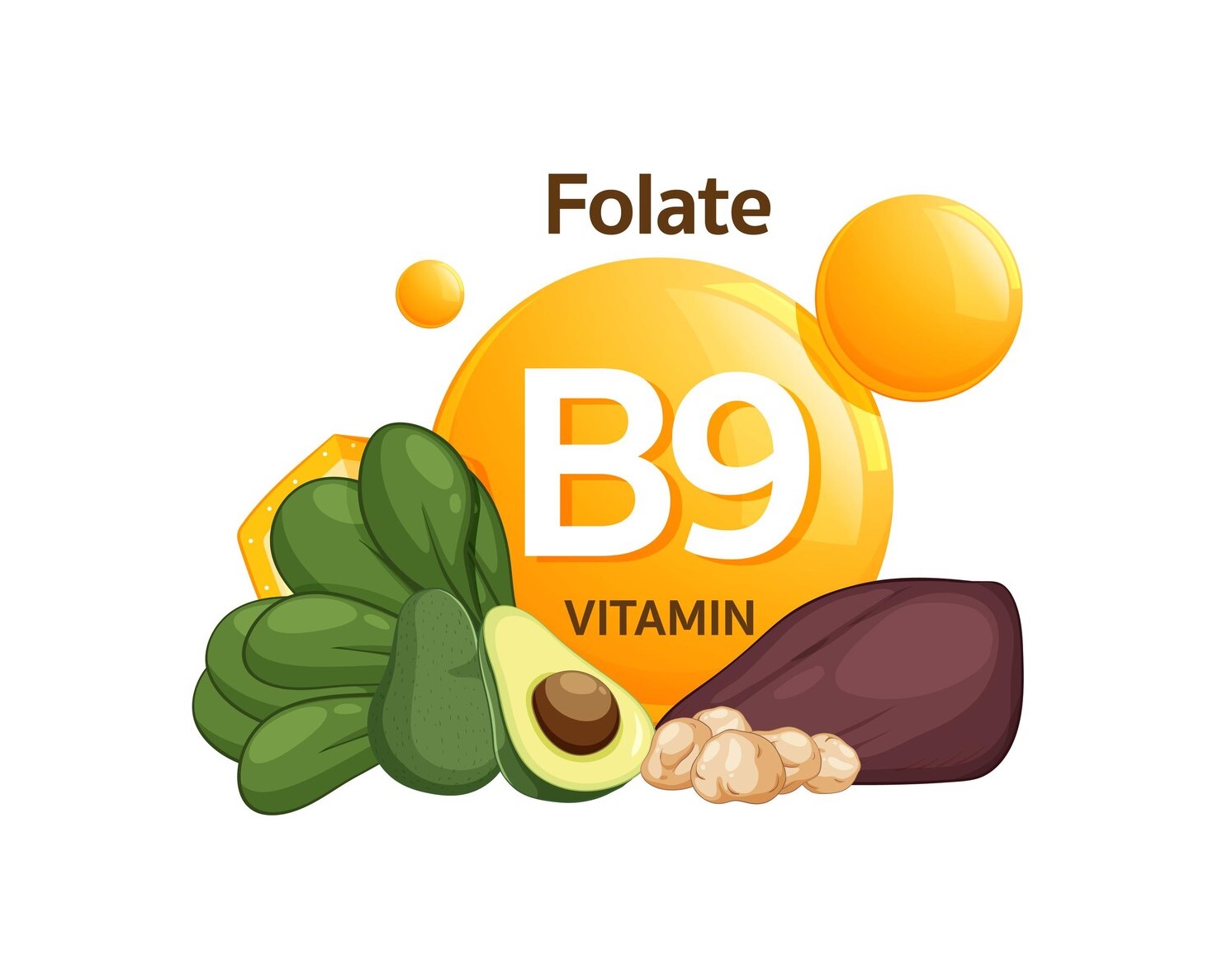
Amongst the family of B vitamins, Vitamin B9 holds a particularly important place in human health. You may know it better as folic acid or folate—names that are often used interchangeably, though they represent slightly different forms of the same essential nutrient.
This water-soluble vitamin plays a fundamental role in some of your body’s most critical processes, from creating new cells to supporting brain function. It’s especially renowned for its importance during pregnancy, but its benefits extend to everyone, regardless of age or gender.
Since the 1990s, many countries have implemented food fortification programmes adding folic acid to common foods like bread and cereals. This public health measure has contributed to significant reductions in certain birth defects, demonstrating the powerful impact of adequate Vitamin B9 intake.
In this guide, we’ll explore what makes Vitamin B9 so essential, how to ensure you’re getting enough, and when supplementation might be beneficial.
⚕️ Health Notice: This article provides general information about Vitamin B9. It does not replace professional medical advice. Nutritional requirements vary based on individual circumstances. Please consult your doctor or a registered dietitian before making significant dietary changes or starting supplements.
Folate vs Folic Acid: What’s the Difference?
Understanding the terminology surrounding Vitamin B9 can help you make more informed choices about your nutrition.
Folate: The Natural Form
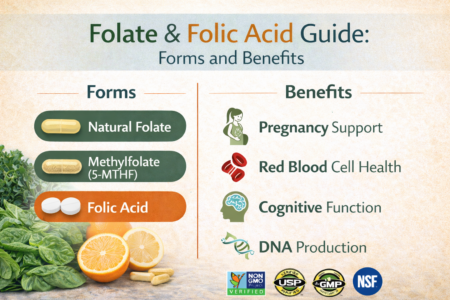
Folate is the naturally occurring form of Vitamin B9 found in whole foods. The name derives from the Latin word folium, meaning “leaf”—a reference to the leafy green vegetables that are amongst the richest sources. Natural folate exists in various chemical forms called folates (plural), all of which your body can use.
Folic Acid: The Synthetic Form
Folic acid is the synthetic, oxidised form of Vitamin B9 created in laboratories. It’s the version used in most supplements and added to fortified foods. Whilst chemically related to natural folate, folic acid has a slightly different structure that actually makes it more stable during storage and more easily absorbed by the body.
| Aspect | Folate (Natural) | Folic Acid (Synthetic) |
|---|---|---|
| Found in | Whole foods | Supplements and fortified foods |
| Absorption rate | ~50% | ~85% (with food) to 100% (empty stomach) |
| Stability | Sensitive to heat, light, oxygen | More stable |
| Conversion needed | Direct use possible | Must convert to active form |
To account for these absorption differences, nutritionists use Dietary Folate Equivalents (DFE) in recommendations. Simply put: 1 mcg of food folate equals 1 mcg DFE, whilst 1 mcg of folic acid from fortified food equals 1.7 mcg DFE.
How Vitamin B9 Works in Your Body
Vitamin B9 functions as a coenzyme—a helper molecule that enables essential biochemical reactions throughout your body. Its primary roles include:
- DNA synthesis: Creating the building blocks of your genetic material
- Cell division: Essential for growth, tissue repair, and maintenance
- Red blood cell formation: Producing healthy blood cells that carry oxygen
- Amino acid metabolism: Processing proteins and converting homocysteine to methionine
- Neurotransmitter production: Supporting the creation of brain chemicals like serotonin
When you consume folic acid, your body converts it into 5-methyltetrahydrofolate (5-MTHF), the active form that participates in these vital processes. This conversion happens primarily in your liver and intestinal cells and requires an enzyme called MTHFR (methylenetetrahydrofolate reductase).

Key Health Benefits of Vitamin B9
Research has identified several important health benefits associated with adequate Vitamin B9 intake:
1. Supporting Healthy Pregnancy Outcomes
The most well-established benefit of folic acid is its role in preventing neural tube defects (NTDs)—serious birth defects affecting the brain and spine. Studies have consistently shown that adequate folic acid intake before conception and during early pregnancy may reduce NTD risk by up to 70%.
This is why the NHS recommends that women who could become pregnant take a daily 400 mcg folic acid supplement, starting before conception and continuing through the first 12 weeks of pregnancy.
2. Preventing Anaemia
Vitamin B9 is essential for producing healthy red blood cells. Without adequate amounts, your body may develop megaloblastic anaemia, characterised by abnormally large, immature red blood cells that cannot transport oxygen efficiently. This can lead to fatigue, weakness, and pale skin.
3. Cardiovascular Health Support
Folate helps convert homocysteine—an amino acid that, when elevated, has been associated with cardiovascular concerns—into methionine. Adequate folate intake may help maintain healthy homocysteine levels, though research on direct cardiovascular benefits continues.
4. Brain Function and Mental Wellbeing
Given its role in neurotransmitter synthesis, Vitamin B9 may support cognitive function and mood. Some studies have found associations between adequate folate status and mental wellbeing, though more research is needed to fully understand these relationships.
5. Supporting Cellular Health
By enabling accurate DNA synthesis and repair, adequate folate intake helps maintain the integrity of your genetic material, which is fundamental to overall health and cellular function.
“Folate is one of the few nutrients where supplementation has been clearly shown to prevent serious birth defects—a remarkable public health achievement.”
— Based on public health research
Deficiency and Risk Factors
Signs of Deficiency
Vitamin B9 deficiency can develop over several weeks to months as body stores become depleted. Potential signs may include:
- Persistent fatigue and weakness
- Pale skin or shortness of breath
- Irritability and difficulty concentrating
- Mouth sores or swollen tongue
- Headaches
- In severe cases, megaloblastic anaemia
Note: These symptoms can indicate many different conditions. If you’re experiencing any of these, consult a healthcare professional for proper evaluation.
Who May Be at Higher Risk?
Certain groups may be more likely to have suboptimal folate levels:
- Women of childbearing age: Especially those planning pregnancy
- People who consume alcohol regularly: Alcohol can interfere with folate absorption and metabolism
- Those with digestive disorders: Coeliac disease, Crohn’s disease, or other malabsorption conditions
- Individuals taking certain medications: Some drugs may affect folate metabolism
- Older adults: May have reduced absorption
- Those with limited dietary variety: Particularly if low in vegetables and legumes
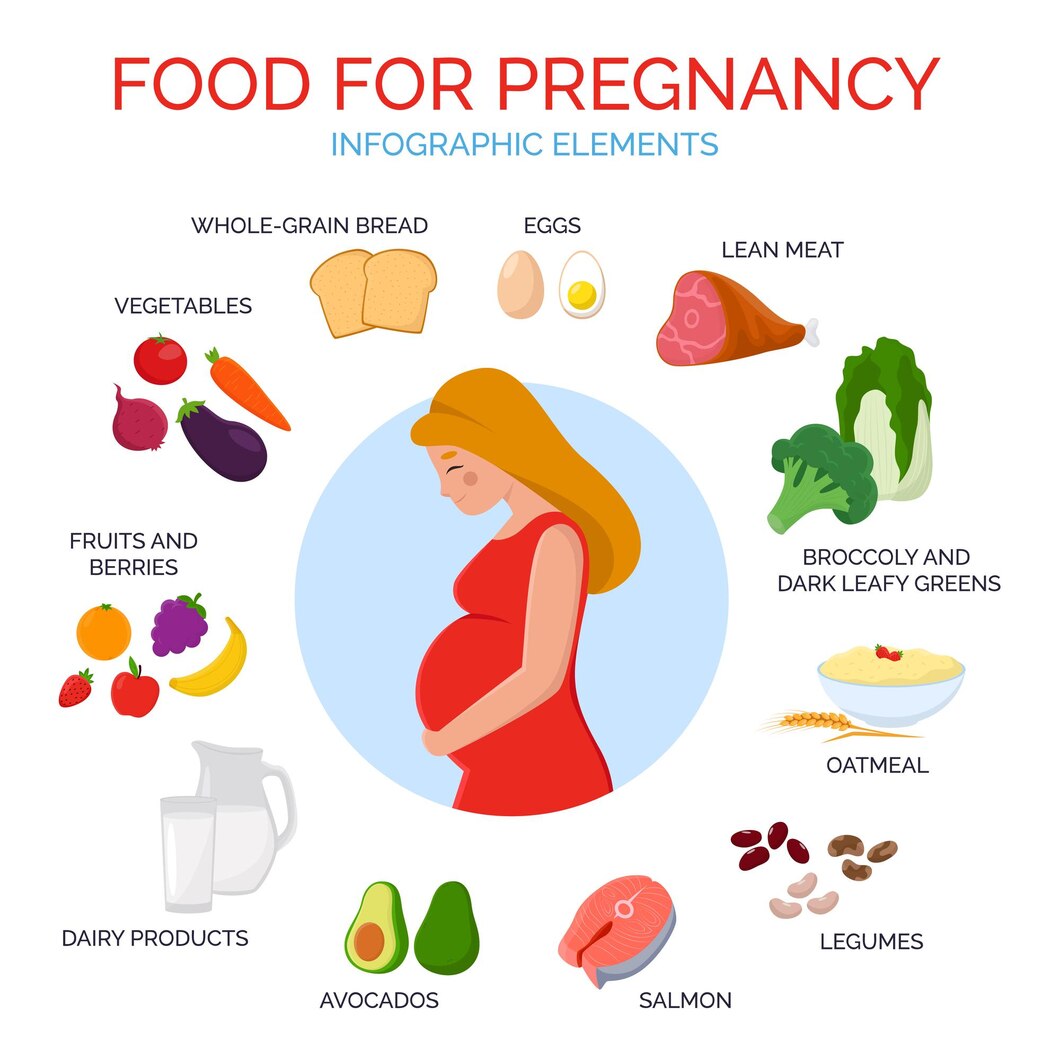
5 Practical Tips to Boost Your Vitamin B9 Intake
Here are evidence-based strategies to help ensure you’re getting enough Vitamin B9:
💡 Tip 1: Fill Your Plate with Folate-Rich Foods
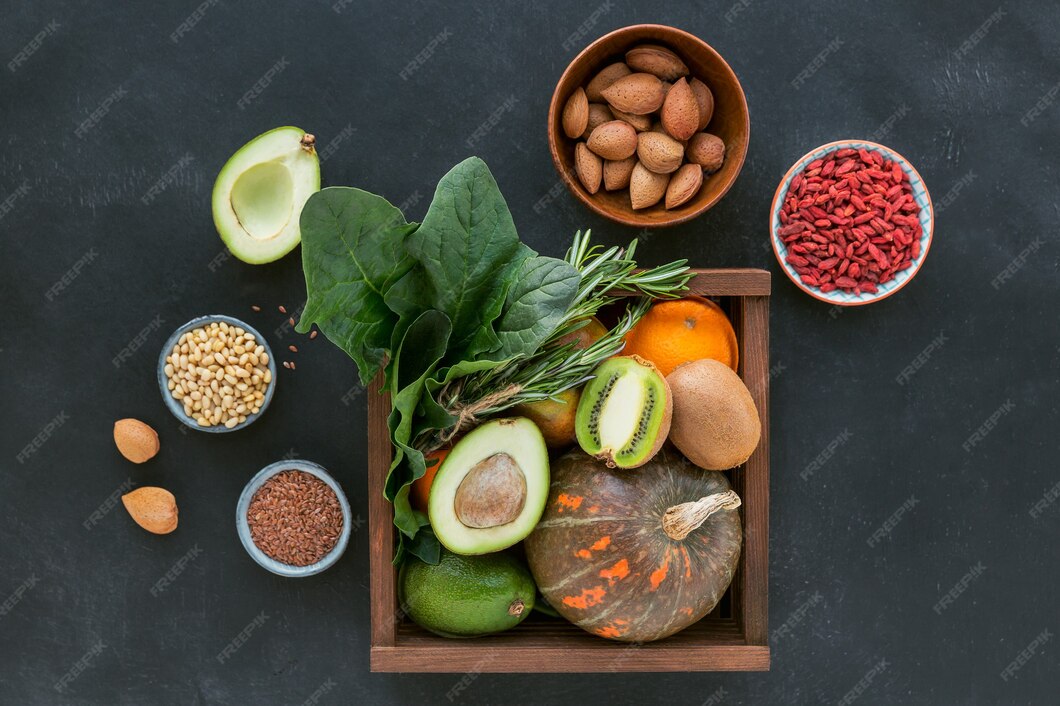
The best natural sources include dark leafy greens (spinach, kale, rocket), legumes (lentils, chickpeas, black beans), asparagus, Brussels sprouts, broccoli, avocado, and beetroot. Aim to include at least one serving of these foods at each meal.
Quick win: Add a handful of spinach to your morning eggs, enjoy a lentil soup for lunch, or serve dinner with steamed broccoli.
💡 Tip 2: Choose Gentle Cooking Methods
Because folate is water-soluble and heat-sensitive, cooking can destroy up to 50-90% of it. Steam vegetables rather than boiling them, or enjoy some vegetables raw. If you do boil vegetables, save the cooking water for soups or sauces to retain lost nutrients.
💡 Tip 3: Look for Fortified Foods
In the UK, non-wholemeal wheat flour is fortified with folic acid. Many breakfast cereals, bread products, and plant-based milk alternatives are also fortified. Check labels to find products providing 25-100% of your daily needs per serving.
💡 Tip 4: Consider Pre-Conception Supplementation
If you’re planning to become pregnant, start taking a daily 400 mcg folic acid supplement at least one month before trying to conceive—ideally three months earlier. The neural tube develops very early in pregnancy, often before you know you’re pregnant.
Consult your healthcare provider, as some women may need higher doses.
💡 Tip 5: Combine with Other B Vitamins
Vitamin B9 works synergistically with B12 and B6 in important metabolic pathways. Ensure adequate intake of all three for optimal function. B12 is found in animal products (or supplements for vegans), whilst B6 is present in poultry, fish, potatoes, and chickpeas.
What the Research Shows
Vitamin B9 has been extensively studied, with particularly strong evidence in certain areas:
Neural Tube Defects Prevention
A landmark 1991 Medical Research Council study demonstrated that folic acid supplementation could reduce the recurrence of neural tube defects by approximately 72%. This finding was so significant that it led to mandatory fortification programmes in over 80 countries. In the United States, NTD rates declined by an estimated 28% following fortification.
Cardiovascular Health
Whilst folate effectively lowers homocysteine levels, large clinical trials examining whether this translates to reduced cardiovascular events have produced mixed results. Some studies found modest benefits in certain populations, whilst others showed no significant effect. Research in this area continues.
Cognitive Function
Observational studies have found associations between low folate status and cognitive decline in older adults. However, intervention trials testing whether supplementation can prevent or slow cognitive decline have shown inconsistent results, with some suggesting possible benefits when combined with other B vitamins.

Summary and Action Steps
Vitamin B9 (folic acid/folate) is an essential nutrient that supports fundamental processes including DNA synthesis, cell division, and red blood cell formation. It’s particularly important for women planning pregnancy, but everyone benefits from adequate intake.
Key Points to Remember:
- Most adults need 400 mcg daily; pregnant women typically need more
- Best food sources include leafy greens, legumes, asparagus, and fortified cereals
- Gentle cooking methods preserve more folate
- Women planning pregnancy should begin supplementation before conception
- Both deficiency and excessive supplementation may carry health implications
Your Next Steps:
- Evaluate whether your diet regularly includes folate-rich foods
- Incorporate more leafy greens and legumes into your meals
- If planning pregnancy, speak with your healthcare provider about supplementation
- Consider your individual risk factors and discuss with your doctor if concerned
📋 Remember: This article provides general educational information. Individual nutritional needs vary significantly. Always consult with a healthcare professional or registered dietitian for personalised advice tailored to your specific health circumstances.
Related Topics
Frequently Asked Questions
What’s the difference between folate and folic acid?
Folate is the naturally occurring form of Vitamin B9 found in foods like leafy greens and legumes. Folic acid is the synthetic form used in supplements and fortified foods. Folic acid has higher bioavailability—approximately 85% compared to 50% for food folate—meaning your body can absorb it more efficiently. Both forms ultimately provide your body with Vitamin B9, though they’re metabolised slightly differently.
How much Vitamin B9 do I need daily?
The recommended daily intake for most adults is 400 micrograms (mcg) of dietary folate equivalents. Women who are pregnant typically need 600 mcg, whilst breastfeeding women need around 500 mcg. Women planning pregnancy are generally advised to take a 400 mcg folic acid supplement in addition to dietary sources. Individual needs may vary based on health status, age, and other factors, so consult a healthcare professional for personalised guidance.
Which foods are richest in Vitamin B9?
Excellent natural sources of folate include dark leafy greens (spinach, kale, rocket), legumes (lentils, chickpeas, black beans, kidney beans), asparagus, Brussels sprouts, broccoli, avocado, and beetroot. Fortified foods such as breakfast cereals, bread, and some plant-based milk alternatives also provide significant amounts. For example, a serving of cooked lentils (about 100g) provides approximately 180 mcg of folate, whilst a serving of cooked spinach provides around 130 mcg.
Why is folic acid important during pregnancy?
Adequate folic acid intake before conception and during early pregnancy may help reduce the risk of neural tube defects—serious birth defects of the brain and spine, including spina bifida and anencephaly. The neural tube develops very early in pregnancy, typically during the first 4 weeks, often before a woman knows she’s pregnant. This is why healthcare professionals recommend that women start taking folic acid supplements before they begin trying to conceive and continue through the first trimester.
Can cooking destroy Vitamin B9 in foods?
Yes, cooking can significantly reduce the folate content of foods. Being water-soluble and heat-sensitive, folate can be reduced by 40-90% depending on the cooking method and duration. Boiling vegetables causes the greatest losses as folate leaches into the cooking water. To preserve more folate, steam or microwave vegetables briefly, eat some vegetables raw, or use the cooking water in soups and sauces. Frozen vegetables can sometimes retain more folate than “fresh” vegetables that have been stored for extended periods.
What are signs of Vitamin B9 deficiency?
Potential signs of folate deficiency include persistent fatigue and weakness, pale skin, shortness of breath, irritability, difficulty concentrating, headaches, mouth sores or a swollen tongue, and digestive issues. In severe cases, deficiency can lead to megaloblastic anaemia, characterised by abnormally large red blood cells. However, these symptoms can indicate many different conditions, so it’s essential to consult a healthcare professional for proper evaluation and diagnosis rather than self-diagnosing.
Sources and References
This article is based on peer-reviewed research and guidance from established health organisations:
- NHS (National Health Service) – Vitamins and minerals: B vitamins and folic acid. www.nhs.uk/conditions/vitamins-and-minerals/vitamin-b/
- NIH Office of Dietary Supplements – Folate: Fact Sheet for Health Professionals. ods.od.nih.gov/factsheets/Folate-HealthProfessional/
- British Dietetic Association – Folic Acid Food Fact Sheet. www.bda.uk.com/resource/folic-acid.html
- MRC Vitamin Study Research Group – Prevention of neural tube defects: Results of the Medical Research Council Vitamin Study. The Lancet. 1991;338(8760):131-137. pubmed.ncbi.nlm.nih.gov/1677062/
- European Food Safety Authority (EFSA) – Scientific opinion on dietary reference values for folate. EFSA Journal. 2014;12(11):3893. www.efsa.europa.eu/en/efsajournal/pub/3893
Last reviewed: January 2025. Information is reviewed periodically to ensure accuracy. Always verify current guidelines with official health organisations.
© 2025 PauLinna. All rights reserved. This content is protected by copyright and may not be reproduced without permission.