
Vitamin B5 – Everything You Need to Know About the ‘Everywhere Vitamin’
This essential B vitamin appears in nearly every food you eat – and it’s fundamental to how your body produces energy, synthesises hormones and maintains healthy cells.
🔑 Key Takeaways
- Vitamin B5 (pantothenic acid) is essential for producing coenzyme A, a molecule involved in over 100 metabolic reactions
- This water-soluble vitamin supports energy production, hormone synthesis, skin health and nervous system function
- True deficiency is rare because B5 appears in almost all foods, though certain populations may be at higher risk
- A balanced diet including eggs, avocados, mushrooms, organ meats and whole grains typically provides adequate amounts
- Research continues to explore potential benefits for skin conditions, cholesterol and wound healing

Introduction
When the Greek-derived name ‘pantothenic acid’ was coined, scientists chose it carefully. Derived from ‘pantos’, meaning ‘everywhere’, this term perfectly describes a vitamin that appears in virtually every food you consume. From the humble egg on your breakfast plate to the grains in your sandwich, vitamin B5 is remarkably omnipresent in our diet.
Yet despite its widespread availability, this essential nutrient often flies under the radar. While vitamins C and D dominate health headlines, pantothenic acid quietly powers some of your body’s most fundamental processes. It’s essential for producing coenzyme A – a molecule so crucial that it participates in more than 100 different metabolic reactions, from energy production to hormone synthesis.
Whether you’re seeking to understand how B5 supports your wellbeing or exploring whether your diet provides sufficient amounts, this comprehensive guide delves into everything current science tells us about this remarkable nutrient. We’ll explore how it works, where to find it, what happens when levels fall short, and how to optimise your intake through practical, everyday choices.
‘Pantothenic acid is essential for the synthesis of coenzyme A, which is involved in fatty acid metabolism and the synthesis of cholesterol, steroid hormones, and neurotransmitters.’
Let’s begin by understanding exactly what vitamin B5 is and why it matters so much for human health.
What Is Vitamin B5?
Vitamin B5, scientifically known as pantothenic acid, belongs to the B-complex family of eight water-soluble vitamins. Unlike fat-soluble vitamins (A, D, E and K) that your body can store in fatty tissues, water-soluble vitamins dissolve in water and aren’t retained in significant quantities. This means you need a consistent dietary supply to maintain adequate levels.

Discovered in 1931 by biochemist Roger J. Williams, pantothenic acid was initially identified as a growth factor essential for yeast. Williams observed that this substance was present in remarkably diverse sources – hence his choice of the name derived from ‘everywhere’. Subsequent research revealed its critical importance across all life forms, from bacteria to humans.
Your body typically contains approximately 25 to 30 milligrams of pantothenic acid at any given time, with the highest concentrations found in your liver, kidneys and adrenal glands. The vitamin exists in several forms, but its primary biological role centres on conversion into coenzyme A (CoA) – one of the most vital molecules in human metabolism.
Rich dietary sources span both animal and plant foods. Particularly good sources include:
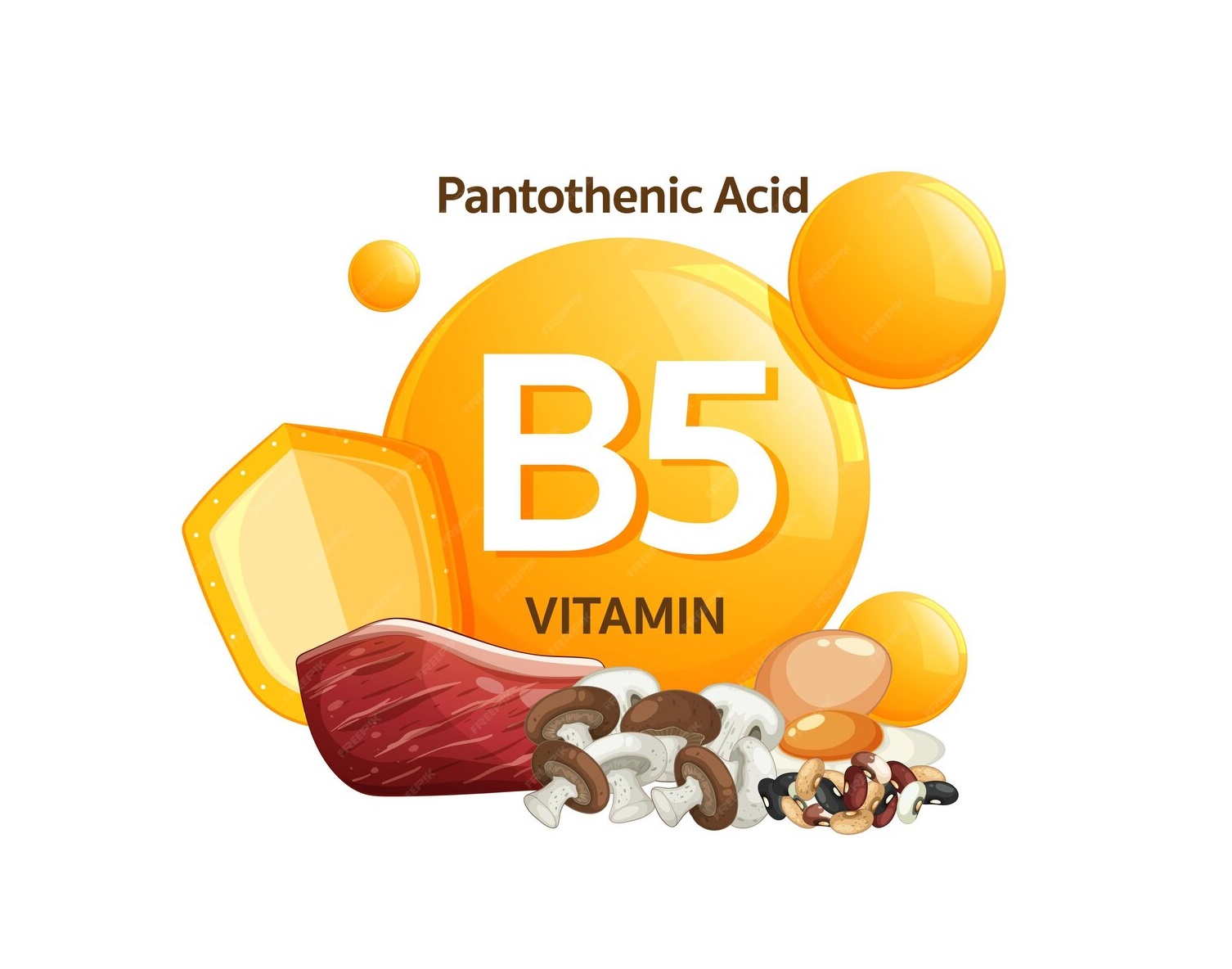
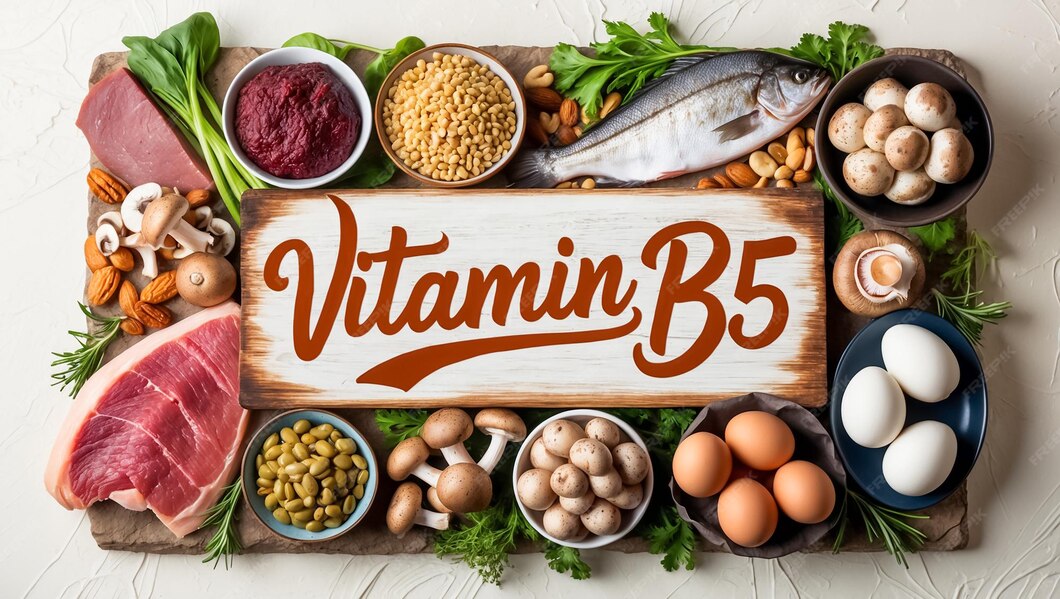
- Animal sources: Beef liver, chicken, eggs, salmon, trout, pork
- Plant sources: Shiitake mushrooms, avocados, sunflower seeds, sweet potatoes, lentils, split peas
- Grains: Whole wheat, brown rice, oats, fortified cereals
- Dairy: Milk, yoghurt, cheese
Understanding how pantothenic acid works within your body helps explain why it’s so essential for everyday health.
How Pantothenic Acid Works in the Body
To appreciate vitamin B5’s importance, we need to understand its transformation into coenzyme A – and what this remarkable molecule does once formed.
The Coenzyme A Connection
When you consume pantothenic acid, your body converts it into coenzyme A through a series of enzymatic reactions. This process requires ATP (cellular energy) and the amino acid cysteine. Once formed, CoA acts as a carrier molecule, shuttling acetyl groups between different biochemical reactions throughout your cells.
The acetyl-CoA molecule – formed when CoA binds to an acetyl group – sits at the crossroads of metabolism. It feeds into the citric acid cycle (also known as the Krebs cycle), where your cells generate the majority of their ATP. Without this process functioning properly, your cells would struggle to extract energy from the food you eat.
Energy Production
Every macronutrient you consume – carbohydrates, fats and proteins – must ultimately be converted into acetyl-CoA before entering the citric acid cycle. This makes pantothenic acid indirectly essential for extracting energy from everything you eat. When B5 levels are adequate, these metabolic pathways function smoothly; when levels fall short, energy production may become less efficient.
Fatty Acid Metabolism
Coenzyme A plays a dual role in fat metabolism. When your body needs to store energy, CoA helps synthesise fatty acids from excess carbohydrates. Conversely, when energy is needed, CoA facilitates the breakdown of stored fats through beta-oxidation. This flexibility is crucial for maintaining energy balance throughout the day.
Hormone and Neurotransmitter Synthesis
Beyond energy metabolism, CoA participates in producing steroid hormones from cholesterol. These include cortisol (your primary stress hormone), aldosterone (which regulates blood pressure), and sex hormones like oestrogen and testosterone. Additionally, CoA is required for synthesising acetylcholine – a neurotransmitter crucial for memory, learning and muscle control.
This broad involvement in hormone and neurotransmitter production may explain why researchers have explored B5’s potential role in stress response, cognitive function and various other health outcomes.
Potential Health Benefits
When vitamin B5 levels are adequate, this nutrient supports numerous aspects of health. Here’s what current evidence suggests:

- Energy production: By enabling coenzyme A synthesis, vitamin B5 plays a fundamental role in converting dietary macronutrients into ATP – the energy currency your cells depend upon for virtually every function
- Skin health: Research suggests pantothenic acid may support skin barrier function, moisture retention and wound healing. This has led to its widespread use in skincare formulations and dexpanthenol-based products
- Hormone synthesis: As a cofactor in steroid hormone production, adequate B5 supports the synthesis of cortisol, sex hormones and other compounds essential for normal physiological function
- Cholesterol metabolism: Pantethine, a derivative of pantothenic acid, has been studied for its potential effects on lipid profiles, with some research suggesting modest reductions in LDL cholesterol and triglycerides
- Red blood cell production: Pantothenic acid contributes to haemoglobin synthesis, supporting oxygen transport throughout your body
- Nervous system function: Through its role in acetylcholine synthesis and cellular energy production, B5 may support normal nerve function and cognitive processes
It’s worth emphasising that these benefits are primarily associated with maintaining adequate intake rather than consuming excess amounts. Taking more than your body needs hasn’t been shown to provide additional advantages for most people.
Deficiency Signs and Risk Factors
True pantothenic acid deficiency is exceptionally rare in developed countries, precisely because the vitamin appears in so many foods. However, understanding the signs, symptoms and risk factors remains valuable for maintaining optimal health.
Signs and Symptoms of Deficiency
Severe B5 deficiency was historically documented during periods of extreme food scarcity, including among prisoners of war during World War II. Symptoms observed included:
- Fatigue and weakness
- Irritability and restlessness
- Numbness and tingling in the hands and feet (paraesthesia)
- Headaches
- Sleep disturbances
- Gastrointestinal problems including nausea and vomiting
- ‘Burning feet syndrome’ – a distinctive sensation of burning pain in the feet
It’s important to note that these symptoms are non-specific and could indicate many different conditions. If you experience persistent symptoms, consulting a healthcare professional for proper evaluation is essential.
Who May Be at Higher Risk?

While deficiency is uncommon, certain groups may be at elevated risk:
- Individuals with severe malnutrition: Those with extremely limited food access or severe eating disorders
- People with chronic alcoholism: Alcohol can impair B vitamin absorption and metabolism
- Those with certain genetic mutations: Rare conditions like pantothenate kinase-associated neurodegeneration (PKAN) affect B5 metabolism
- Individuals with gastrointestinal conditions: Crohn’s disease, coeliac disease or other conditions affecting nutrient absorption
- People taking certain medications: Some drugs may interfere with B vitamin status
Toxicity Considerations
Pantothenic acid is generally considered very safe. No tolerable upper intake level (UL) has been established by major health authorities because adverse effects from excessive intake haven’t been documented in scientific literature. However, very high doses may occasionally cause gastrointestinal discomfort, including diarrhoea, in some individuals.
As with any supplement, more isn’t necessarily better. Taking amounts far exceeding your needs offers no proven benefit and represents unnecessary expense.
Practical Tips for Optimal Intake
Ensuring adequate vitamin B5 intake is surprisingly straightforward given its widespread presence in foods. Here are seven practical strategies to optimise your pantothenic acid status:
1. Embrace Dietary Variety
Because pantothenic acid appears in nearly all foods, eating a varied diet is your best strategy. Include a diverse mix of proteins, whole grains, vegetables, fruits and dairy rather than relying on a narrow range of familiar foods. Variety naturally ensures you’re covering multiple nutrient bases simultaneously.
2. Prioritise B5-Rich Foods
While B5 is widespread, some foods are particularly excellent sources. Make eggs a regular breakfast choice, add avocado to salads and sandwiches, include mushrooms (especially shiitake) in stir-fries, and snack on sunflower seeds. Organ meats like liver are exceptionally rich if you enjoy them.
3. Choose Whole Grains Over Refined
The milling process that creates white flour, white rice and refined cereals removes significant amounts of B vitamins, including pantothenic acid. Choosing wholemeal bread, brown rice, quinoa and oats helps maintain higher B vitamin intake. Many refined products are fortified, but whole grains offer additional nutritional benefits.
4. Consider Cooking Methods
Pantothenic acid is relatively stable compared to some vitamins, but losses can occur during cooking – particularly with high heat, prolonged cooking times or when cooking water is discarded. Steaming vegetables, using minimal water and avoiding excessive cooking times may help preserve more B vitamins in your food.
5. Store Foods Properly
Prolonged storage, exposure to light and freezing can all reduce B vitamin content in foods. Where practical, choose fresh produce, store foods in cool, dark places, and consume items within recommended timeframes. This applies to all water-soluble vitamins, not just B5.
6. Include Legumes Regularly
Lentils, split peas, chickpeas and other legumes provide meaningful amounts of pantothenic acid alongside protein, fibre and other nutrients. Aim to include legumes in your meals several times per week – they’re versatile, affordable and nutritious.
7. Consult Before Supplementing
For most people eating a reasonably balanced diet, B5 supplements aren’t necessary. If you’re considering supplementation for specific health concerns – whether skin conditions, energy levels or other reasons – discuss this with a healthcare provider first. They can assess whether supplementation is appropriate for your individual circumstances.
What the Research Says
Scientific investigation into pantothenic acid has explored several potential applications beyond preventing deficiency. Here’s an overview of current research areas:
Acne and Skin Health
Perhaps the most discussed area of B5 research concerns skin health, particularly acne. A 2014 randomised, double-blind, placebo-controlled trial found that participants taking a pantothenic acid-based supplement experienced significant reductions in facial acne lesions compared to placebo. The researchers hypothesised that B5 might influence sebum production through its role in coenzyme A metabolism.
However, it’s important to note that this study used a specific proprietary formulation, and results may not directly translate to all B5 supplements. More research is needed to confirm these findings and determine optimal approaches.
Wound Healing
Laboratory and animal studies suggest pantothenic acid may support tissue repair processes. Dexpanthenol (the alcohol form of B5) is widely used in topical skincare products and wound care preparations. While human clinical evidence specifically for oral pantothenic acid and wound healing remains limited, the theoretical basis from its role in cell regeneration is well-established.
Cholesterol and Cardiovascular Health
Pantethine, a derivative of pantothenic acid formed from two molecules of pantetheine joined together, has attracted research interest for its potential effects on lipid profiles. Several studies suggest pantethine may modestly reduce LDL cholesterol and triglycerides while potentially raising HDL cholesterol.
A 2011 review examining multiple trials found that pantethine supplementation was associated with improved lipid parameters. However, it’s crucial to note that standard pantothenic acid supplements don’t appear to produce the same effects – the specific chemical form matters.
‘Pantothenic acid is required for the synthesis of coenzyme A, as well as to synthesize and metabolize proteins, carbohydrates, and fats.’
Research Limitations
While these research areas show promise, several limitations should be acknowledged. Many studies are small, use varying doses and formulations, and may have methodological constraints. The most well-established role of vitamin B5 remains its fundamental involvement in energy metabolism and coenzyme A synthesis. Claims about therapeutic benefits often require more robust evidence before being considered definitive.
Common Myths and Misconceptions
As with many nutrients, several misconceptions about vitamin B5 circulate in popular health discussions. Let’s address the most common:
Myth 1: ‘High-dose B5 is a proven acne cure.’
While some research shows promise, the evidence isn’t conclusive enough to call pantothenic acid a proven treatment for acne. Results vary considerably between individuals, and what works for one person may not work for another. Professional dermatological advice remains essential for persistent skin concerns.
Myth 2: ‘B5 deficiency is common and causes fatigue.’
True pantothenic acid deficiency is actually extremely rare in developed countries due to the vitamin’s presence in virtually all foods. While fatigue can theoretically result from severe deficiency, it’s much more commonly caused by other factors. Assuming B5 deficiency without proper assessment may delay identification of actual causes.
Myth 3: ‘More B5 means more energy.’
While pantothenic acid is essential for energy metabolism, consuming excess amounts won’t provide extra energy if you’re already getting enough. Your body uses what it needs and excretes the rest. True energy comes from adequate overall nutrition, sleep and physical activity – not megadoses of single vitamins.
Myth 4: ‘All B vitamins are basically interchangeable.’
Although B vitamins often work synergistically and are frequently found together in foods, each has distinct functions. B5’s unique role in coenzyme A synthesis differs substantially from B12’s involvement in red blood cell formation or B9’s importance for DNA synthesis. They’re a team, but not interchangeable players.
Myth 5: ‘Cooking destroys all the B5 in food.’
While some loss occurs during cooking – especially with high heat, prolonged cooking or when cooking water is discarded – significant amounts of pantothenic acid remain in prepared foods. Moderate cooking with sensible methods preserves enough of the vitamin for nutritional benefit.
Summary
Vitamin B5, or pantothenic acid, may not command the headlines that some nutrients receive, but its contribution to human health is profound and far-reaching. As the essential precursor to coenzyme A, it participates in over 100 metabolic reactions – powering energy production, enabling hormone synthesis, supporting skin health and maintaining nervous system function.
The encouraging reality is that obtaining adequate pantothenic acid is remarkably straightforward. Its presence in nearly every food means that eating a varied, balanced diet typically provides all you need without special planning or supplementation. Eggs, avocados, mushrooms, whole grains, lean meats and legumes are particularly excellent sources, though the vitamin appears throughout the food supply.
True deficiency is exceptionally rare in developed countries, and supplementation is generally unnecessary for healthy individuals eating reasonably varied diets. While research continues to explore potential therapeutic applications – particularly for skin conditions and lipid management – the most well-established benefits relate to preventing deficiency rather than achieving supra-normal intake.
If you have specific health concerns, conditions affecting nutrient absorption, or are considering supplementation for any reason, consulting with a healthcare professional remains the wisest approach. They can assess your individual circumstances and provide personalised guidance based on your specific needs.
Related Topics to Explore
- Vitamin B1 (Thiamine): The energy vitamin for brain and nerves
- Vitamin B2 (Riboflavin): Benefits, sources and daily requirements
- Vitamin B3 (Niacin): What you need to know
- Vitamin B6 (Pyridoxine): Functions and food sources
- Vitamin B12: Essential for energy and nerve health
- Understanding the complete B-complex and how they work together
- Coenzyme Q10: Another key player in cellular energy production
- Energy metabolism explained: How your body converts food to fuel
- Natural approaches to supporting skin health from within
- Whole foods vs supplements: When supplementation makes sense
Frequently Asked Questions
How much vitamin B5 do I need each day?
The adequate intake (AI) for adults is 5 mg per day, according to most dietary guidelines. Pregnant women require approximately 6 mg and breastfeeding mothers need about 7 mg daily. These amounts are typically easy to obtain through a varied diet – a single egg contains about 0.7 mg, and an avocado provides around 1.5 mg. Most people meet their needs without conscious effort.
What are the best food sources of pantothenic acid?
Excellent sources include beef liver (providing exceptional amounts), chicken breast, shiitake mushrooms, avocados, sunflower seeds, eggs, salmon, sweet potatoes, lentils, split peas and whole grains like brown rice and oats. Dairy products also contribute meaningfully. Because B5 appears in nearly all foods, dietary variety is the most reliable strategy for adequate intake.
Can vitamin B5 help clear acne?
Some research suggests high-dose pantothenic acid supplements may help reduce acne in certain individuals. A 2014 randomised controlled trial showed promising results. However, evidence remains limited, results vary between people, and the study used a specific formulation. If you’re struggling with persistent acne, consulting a dermatologist for personalised professional advice is recommended.
What are the signs of vitamin B5 deficiency?
Severe deficiency is extremely rare but may cause fatigue, weakness, irritability, numbness and tingling in the extremities, headaches, sleep disturbances and digestive problems. A distinctive symptom called ‘burning feet syndrome’ was historically observed in severely malnourished individuals. Modern deficiency typically only occurs alongside broader malnutrition or specific medical conditions affecting absorption.
Can I take too much vitamin B5?
Pantothenic acid is generally considered very safe, and no tolerable upper intake level (UL) has been established because adverse effects from excessive intake haven’t been documented. Very high doses may occasionally cause gastrointestinal discomfort, such as diarrhoea, in some individuals. However, taking amounts far exceeding your needs offers no proven additional benefit and represents unnecessary expense.
Is vitamin B5 the same as pantethine or dexpanthenol?
They’re related but not identical. Pantothenic acid (vitamin B5) is the basic vitamin form. Pantethine is a derivative formed from two pantetheine molecules – it’s been studied for cholesterol effects that standard B5 doesn’t show. Dexpanthenol (provitamin B5) is the alcohol form used in topical skincare products. Each form has different properties and applications.
Do I need a B5 supplement if I take a B-complex vitamin?
Most B-complex supplements already contain pantothenic acid along with the other B vitamins. If you’re taking a B-complex, you don’t need a separate B5 supplement – and for most people eating varied diets, even the B-complex may be unnecessary. Check your supplement’s label for specific amounts, and consult a healthcare provider if you’re unsure about your needs.
Does cooking destroy vitamin B5 in food?
Some pantothenic acid is lost during cooking, particularly with high temperatures, prolonged cooking times or when cooking water is discarded. However, significant amounts remain in prepared foods. Steaming vegetables, using minimal water, and avoiding excessive cooking times can help preserve more B vitamins. The losses are generally not significant enough to cause deficiency in people eating varied diets.
Sources
References
- National Institutes of Health – Pantothenic Acid Fact Sheet for Health Professionals – Comprehensive overview of B5 functions, requirements and research
- Harvard T.H. Chan School of Public Health – Pantothenic Acid (Vitamin B5) – Evidence-based nutritional information and food sources
- NHS – B Vitamins and Folic Acid – UK health service guidance on B vitamin requirements
- Linus Pauling Institute – Pantothenic Acid – In-depth scientific review of pantothenic acid research and metabolism
- Mayo Clinic – Pantothenic Acid (Vitamin B5) – Clinical information on uses, dosage and safety considerations
- PubMed – National Library of Medicine – Database of peer-reviewed medical and nutritional research studies