
Vitamin B3 (Niacin): Your Complete Guide to This Essential Nutrient
Understanding how this vital B vitamin may support your energy, skin health, and overall wellbeing—and how to get enough from your diet.
🔑 Key Takeaways
- Vitamin B3 (niacin) is an essential nutrient that plays a crucial role in converting food into energy and supporting cellular function
- Good dietary sources include poultry, fish, whole grains, legumes, and fortified foods
- Niacin deficiency is uncommon in developed countries but may cause fatigue and skin problems when it occurs
- Always consult a healthcare professional before considering niacin supplementation, as high doses may cause side effects
Introduction
You’ve likely heard of B vitamins, but Vitamin B3—commonly known as niacin—often doesn’t receive the attention it deserves. This essential nutrient quietly works behind the scenes in your body, supporting everything from energy production to skin health. Yet many people aren’t quite sure what it does or whether they’re getting enough.
Whether you’re looking to understand this nutrient better, wondering if you might be deficient, or simply curious about how to optimise your nutrition, this guide will walk you through everything you need to know about Vitamin B3. We’ll explore what the science suggests, where to find it naturally, and how to approach this nutrient sensibly.
‘Niacin is required for the proper function of more than 400 enzymes in the human body, more than any other vitamin-derived coenzyme.’
What Is Vitamin B3 (Niacin)?
Vitamin B3 is a water-soluble vitamin that belongs to the B-complex family. Unlike fat-soluble vitamins, your body doesn’t store significant amounts of it, which means you need a regular supply from your diet. The term ‘niacin’ actually encompasses two primary forms: nicotinic acid and nicotinamide (also called niacinamide). Both forms can fulfil your body’s vitamin B3 requirements, though they behave somewhat differently.

Your body can also produce small amounts of niacin from the amino acid tryptophan, found in protein-rich foods. However, this conversion process is relatively inefficient—it takes approximately 60 mg of tryptophan to produce just 1 mg of niacin—so dietary sources remain important for meeting your daily needs.
The recommended daily intake varies by age and sex. According to the NHS and other health authorities, adults typically need between 13.2 mg and 16.5 mg of niacin equivalents daily, though this can vary based on individual circumstances.
How Niacin Works in Your Body
Energy Metabolism
Perhaps niacin’s most fundamental role involves energy production. Once absorbed, your body converts vitamin B3 into two coenzymes: NAD (nicotinamide adenine dinucleotide) and NADP (nicotinamide adenine dinucleotide phosphate). These coenzymes are essential for metabolising carbohydrates, fats, and proteins into usable energy.
Without adequate niacin, your cells would struggle to extract energy from the food you eat. This helps explain why fatigue is often one of the first signs that someone might not be getting enough of this vitamin.
DNA Repair and Cell Signalling
Beyond energy, NAD plays a significant role in DNA repair mechanisms. Research suggests that this coenzyme may help maintain genomic stability by supporting enzymes involved in fixing damaged DNA. Additionally, NAD appears to be involved in various cell signalling pathways that influence cellular health and longevity.
Skin and Nervous System Support
Niacin also contributes to maintaining healthy skin and supporting normal nervous system function. The classic deficiency disease, pellagra, demonstrates what happens when niacin levels become severely depleted—it affects the skin, digestive system, and brain. Fortunately, true pellagra is now rare in developed countries due to food fortification and diverse diets.
Potential Benefits of Vitamin B3
Research suggests that adequate niacin intake may offer several potential benefits, though it’s important to note that much of this research is ongoing, and individual responses can vary significantly.
- Energy support: By facilitating the conversion of food into cellular energy, niacin may help combat feelings of tiredness and fatigue
- Skin health: Some studies suggest that nicotinamide, in particular, might support skin barrier function and overall skin appearance
- Cognitive function: Adequate B vitamin intake, including niacin, appears to be associated with normal cognitive function, particularly as we age
- Cholesterol management: High-dose nicotinic acid has historically been used in clinical settings to help manage cholesterol levels, though this requires medical supervision
- Digestive health: Niacin supports the normal function of the digestive system and may contribute to overall gut health
It’s worth emphasising that these potential benefits are best achieved through a balanced diet and, when necessary, appropriate supplementation under professional guidance. Vitamin B3 works synergistically with other B vitamins and nutrients, so focusing on overall dietary quality tends to be more beneficial than fixating on any single nutrient.
Risks and Considerations
While vitamin B3 is essential for health, there are important considerations to keep in mind, particularly regarding supplementation.
The ‘niacin flush’: High doses of nicotinic acid can cause a characteristic flushing reaction—redness, warmth, and tingling, particularly in the face and upper body. While generally harmless, this can be uncomfortable and alarming for those who aren’t expecting it.
Liver concerns: Very high doses of niacin, particularly sustained-release formulations, have been associated with liver problems in some individuals. This is one reason why high-dose niacin supplements should only be used under medical supervision.
Blood sugar effects: Some research suggests that high-dose niacin might affect blood sugar regulation, which could be relevant for individuals with diabetes or prediabetes.
Drug interactions: Niacin can interact with various medications, including statins, blood pressure drugs, and diabetes medications. If you’re taking any prescription medicines, speaking with your healthcare provider before supplementing is essential.
Practical Tips for Getting Enough Vitamin B3
Meeting your daily niacin needs through diet alone is entirely achievable for most people. Here are five practical strategies to ensure you’re getting adequate amounts:
1. Prioritise Protein-Rich Foods
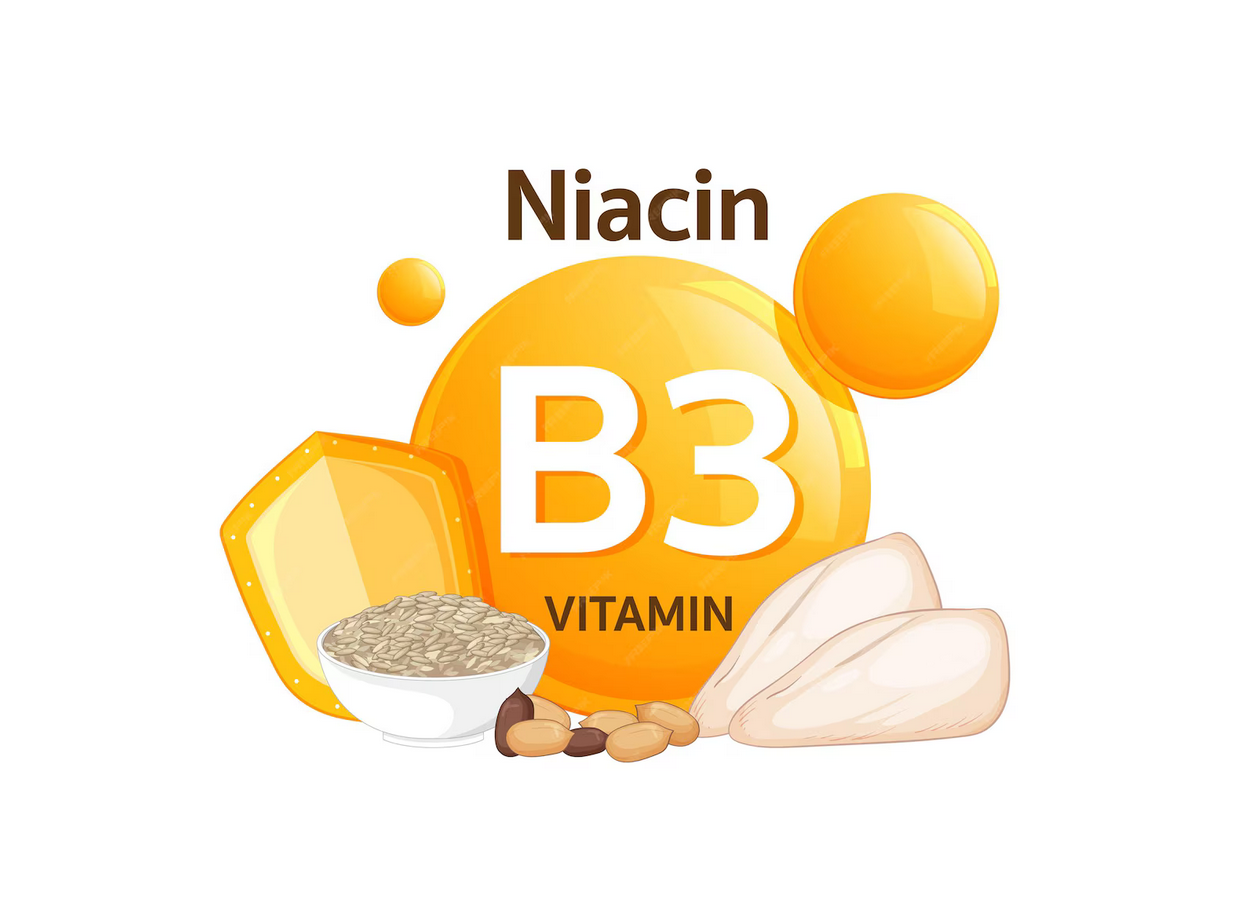
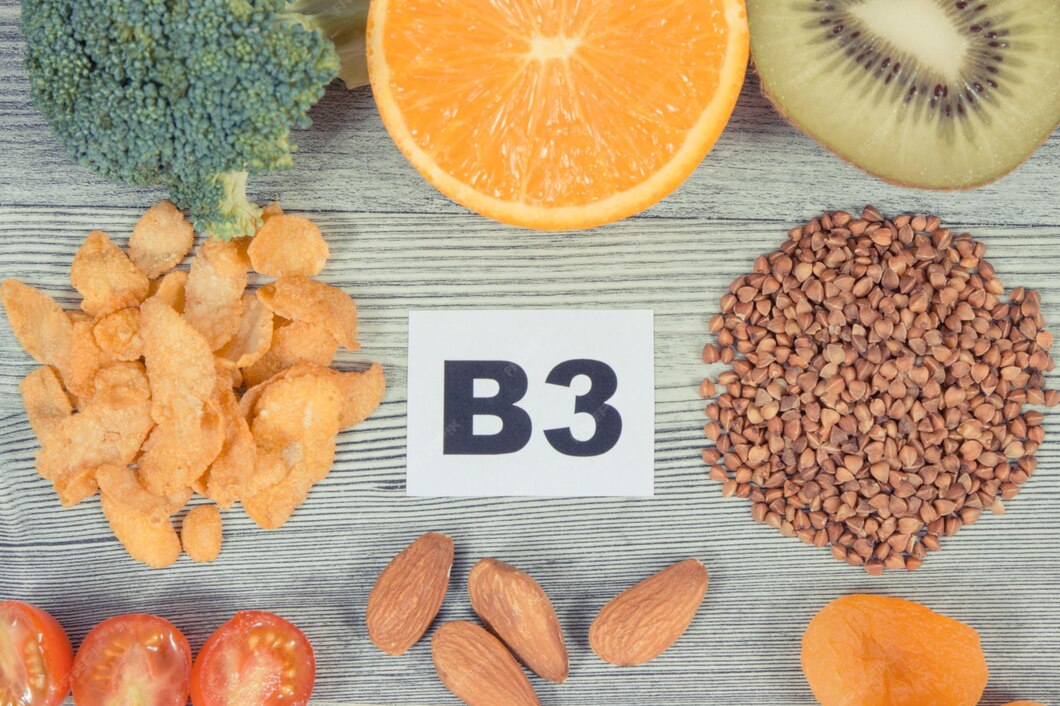
Many excellent niacin sources are also high in protein. Poultry (particularly chicken and turkey breast), fish (tuna and salmon are especially good), and lean beef all provide substantial amounts of vitamin B3. A single chicken breast can provide well over 100% of your daily niacin needs.
2. Include Whole Grains Daily
Whole grains like brown rice, whole wheat bread, and fortified cereals are valuable niacin sources. In many countries, white flour and cereals are fortified with B vitamins, including niacin, making these everyday foods meaningful contributors to your intake.
3. Don’t Forget Legumes and Nuts
For those following plant-based diets, legumes (lentils, chickpeas, peanuts) and certain nuts provide niacin. Peanuts are particularly noteworthy—a small handful contains a meaningful amount of this vitamin, along with healthy fats and protein.
4. Add Mushrooms to Your Meals
Mushrooms are one of the better vegetable sources of niacin. Portobello, cremini, and shiitake varieties all contain notable amounts. They’re also incredibly versatile and can be added to stir-fries, salads, pasta dishes, and more.
5. Consider Your Tryptophan Intake
Remember that your body can convert the amino acid tryptophan into niacin. Foods rich in tryptophan—such as eggs, cheese, tofu, and seeds—indirectly contribute to your niacin status. A varied diet naturally covers both direct and indirect niacin sources.
Current Research on Vitamin B3
Scientific interest in vitamin B3 extends well beyond its basic nutritional roles. Researchers are investigating several intriguing areas, though it’s important to note that much of this work is still in early stages.

NAD+ and ageing: One particularly active area involves NAD+ (the oxidised form of NAD) and its potential role in healthy ageing. Some researchers suggest that NAD+ levels decline with age, and there’s interest in whether supporting NAD+ status might have beneficial effects. However, human research in this area is still emerging.
Neurological health: Preliminary research has explored whether niacin might play a role in supporting brain health, particularly in relation to neurodegenerative conditions. Again, while the mechanisms appear plausible, clinical evidence in humans remains limited.
Skin conditions: Nicotinamide has been studied for various dermatological applications, with some evidence suggesting potential benefits for certain skin conditions. This has led to its inclusion in various skincare products, though topical and oral forms may have different effects.
‘The science of NAD+ biology has advanced considerably in recent years, revealing new potential therapeutic applications for niacin and related compounds.’
Common Myths About Vitamin B3
As with many nutrients, several misconceptions surround vitamin B3. Let’s address some of the most common ones:
Myth 1: ‘More niacin is always better’
Reality: Like many nutrients, there’s an optimal range for niacin intake. While deficiency causes problems, excessive intake—particularly from supplements—can lead to adverse effects. The upper tolerable limit for adults is set at 35 mg daily from supplements to avoid the flushing reaction and other potential issues.
Myth 2: ‘Niacin supplements are necessary for everyone’
Reality: Most people eating a reasonably varied diet obtain adequate niacin from food alone. Supplementation may be appropriate for certain individuals, but it’s not a universal requirement. A healthcare professional can help determine if you have a genuine need.
Myth 3: ‘All forms of vitamin B3 are identical’
Reality: While both nicotinic acid and nicotinamide can fulfil your basic B3 requirements, they have different properties. Nicotinic acid causes flushing while nicotinamide typically doesn’t. They may also have different effects at higher doses.
Myth 4: ‘Niacin can replace medical treatment for high cholesterol’
Reality: While high-dose niacin has been used medically for cholesterol management, this requires careful medical supervision and isn’t a substitute for evidence-based treatments. Self-treating cholesterol issues with niacin supplements is not recommended.
Myth 5: ‘You can’t get enough niacin from a vegetarian diet’
Reality: While the richest niacin sources are animal-based, vegetarians can absolutely meet their needs through legumes, whole grains, nuts, seeds, and fortified foods. The combination of direct niacin intake and tryptophan conversion makes this entirely feasible.
Summary
Vitamin B3, or niacin, is a fundamental nutrient that your body requires for energy production, cellular health, and numerous other functions. The good news is that meeting your daily needs is typically straightforward through a balanced diet that includes protein sources, whole grains, legumes, and varied vegetables.
While deficiency is uncommon in developed countries, understanding this vitamin’s role can help you make more informed dietary choices. If you’re concerned about your niacin status or considering supplementation, a conversation with your healthcare provider is the sensible first step—they can assess your individual situation and provide personalised guidance.
Remember that nutrients rarely work in isolation. Vitamin B3 is part of a larger nutritional picture, and focusing on overall dietary quality will serve your health far better than fixating on any single vitamin.
Related Topics to Explore
- Understanding the complete B vitamin family and their functions
- NAD+ and cellular energy: what the research shows
- Essential nutrients for healthy skin
- How to read nutrition labels for vitamin content
- The role of B vitamins in energy and fatigue
- Plant-based sources of essential vitamins
- Understanding recommended daily intakes and upper limits
- Food fortification: benefits and considerations
Frequently Asked Questions
What are the signs of vitamin B3 deficiency?
Early signs of mild niacin insufficiency may include fatigue, digestive issues, and skin problems. Severe deficiency, known as pellagra, presents with the ‘three Ds’: dermatitis (skin inflammation), diarrhoea, and dementia. However, pellagra is now rare in developed countries. If you’re experiencing any concerning symptoms, it’s important to consult a healthcare professional for proper evaluation rather than self-diagnosing.
How much vitamin B3 do I need daily?
According to UK guidelines, adult men need approximately 16.5 mg of niacin equivalents daily, while adult women need around 13.2 mg. Pregnant and breastfeeding women may have slightly different requirements. These amounts are typically easy to obtain through a varied diet that includes protein sources and whole grains. Individual needs can vary, so consult a healthcare provider if you have specific concerns.
What causes the ‘niacin flush’ and is it dangerous?
The niacin flush is caused by nicotinic acid (one form of vitamin B3) triggering blood vessel dilation, leading to redness, warmth, and tingling, typically in the face and upper body. While uncomfortable and sometimes alarming, the flush is generally harmless and temporary, usually lasting 15-30 minutes. It doesn’t occur with nicotinamide. If you’re taking niacin supplements and find the flush bothersome, speak with your healthcare provider about alternatives.
Can I take vitamin B3 supplements without medical advice?
Low-dose B3 supplements (within typical multivitamin amounts) are generally considered safe for most adults. However, high-dose niacin supplements—particularly those used for cholesterol management—should only be taken under medical supervision due to potential side effects including liver concerns and blood sugar effects. If you’re considering any supplement, discussing it with a healthcare provider first is always advisable, especially if you take medications or have existing health conditions.
What foods are highest in vitamin B3?
The richest dietary sources of niacin include chicken and turkey breast, tuna, salmon, beef liver, peanuts, and fortified cereals. A single chicken breast provides approximately 14-15 mg of niacin—nearly a full day’s requirement. Whole grains, legumes, mushrooms, and green peas are also good sources. Because your body can convert tryptophan to niacin, protein-rich foods indirectly contribute to your niacin status as well.
Is there a difference between niacin and nicotinamide?
Yes, while both are forms of vitamin B3 that can meet your basic nutritional requirements, they have some different properties. Nicotinic acid (often called ‘niacin’) causes the characteristic flushing reaction at higher doses and has historically been used for cholesterol management. Nicotinamide (also called niacinamide) doesn’t cause flushing and is commonly used in skincare products. Both convert to NAD in your body, but their effects at therapeutic doses differ, which is why the distinction matters for supplementation.
Sources & References
Sources
- NHS – B Vitamins and Folic Acid – Official UK health service guidance on B vitamins including niacin
- National Institutes of Health – Niacin Fact Sheet – Comprehensive scientific overview of niacin for health professionals
- Mayo Clinic – Niacin – Medical information on uses, dosage, and safety considerations
- World Health Organization – Vitamin and Mineral Requirements – International dietary recommendations and guidelines
- British Dietetic Association – B Vitamins – Practical dietary guidance from registered dietitians