
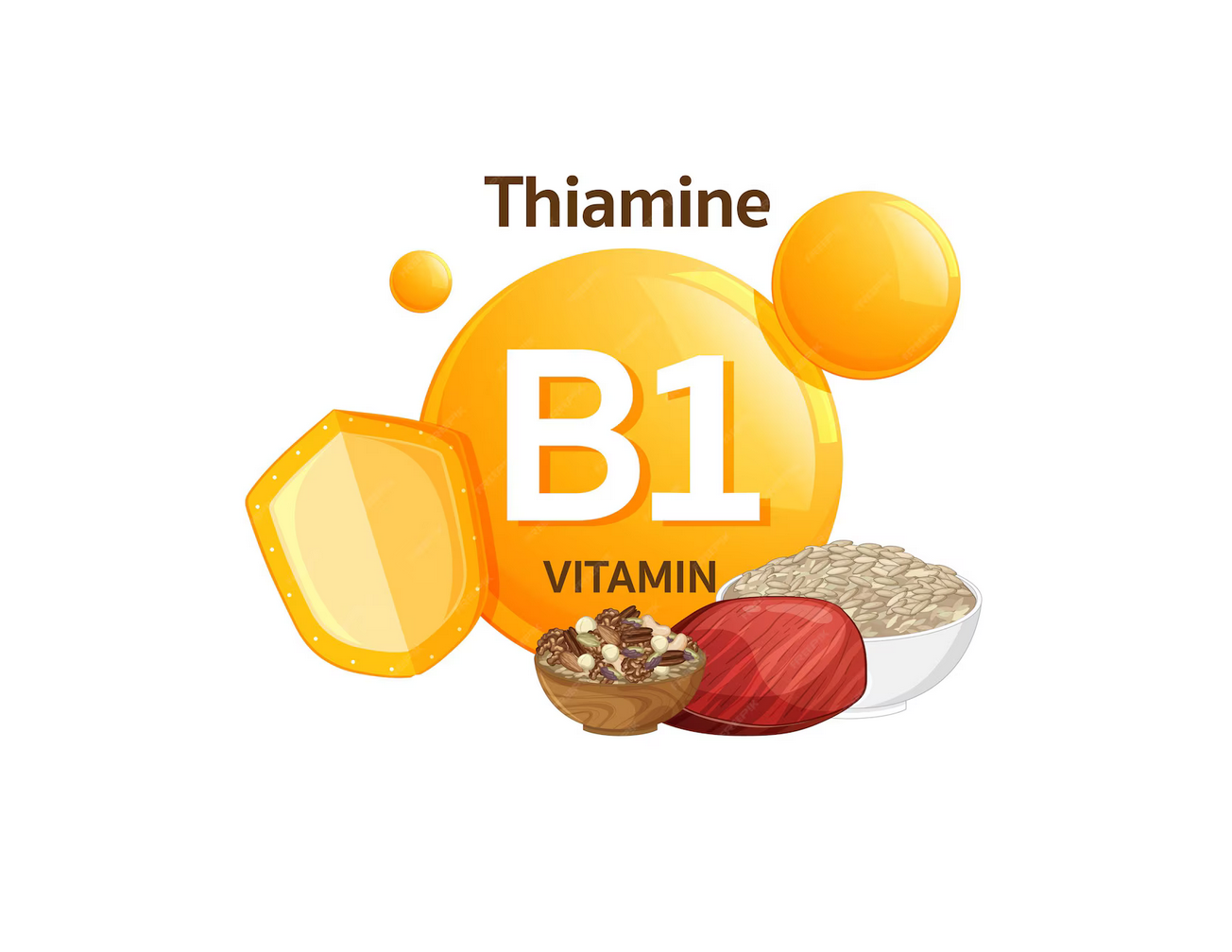
Quick Answer: Vitamin B1 (thiamine) is an essential water-soluble vitamin that converts carbohydrates into energy, supports nervous system function, and maintains heart health. Adults need 0.8-1.1mg daily, which most people obtain through diet, though certain groups may benefit from supplementation.
🎬 Watch: How this essential nutrient works in your body and the key benefits supported by research.
📜 Prefer reading: Scroll down for detailed explanations of each stress-reduction technique.
🎯 Key Takeaways
- ✓ Vitamin B1 is essential for converting food into cellular energy and cannot be produced by the body
- ✓ Deficiency can lead to serious conditions including beriberi and Wernicke-Korsakoff syndrome
- ✓ Good dietary sources include whole grains, pork, legumes, nuts, and fortified cereals
- ✓ Certain groups—including heavy alcohol users, older adults, and those with digestive conditions—face higher deficiency risk
Editorial Note: This article provides general health information based on peer-reviewed research. It is not intended as medical advice. Always consult a qualified healthcare professional before starting any supplement regimen, particularly if you have existing health conditions or take medications.
📖 In This Article
Introduction
Vitamin B1, commonly known as thiamine, was the first B vitamin discovered by scientists—hence its “B1” designation. This water-soluble nutrient serves as a cornerstone of human metabolism, playing an indispensable role in how your body converts the food you eat into usable energy. According to the NHS, thiamine helps break down and release energy from food whilst keeping the nervous system healthy.
Despite its fundamental importance, Vitamin B1 deficiency remains a concern in certain populations. The body cannot store large amounts of thiamine, meaning you need a consistent dietary intake to maintain optimal levels. Modern food processing, certain medical conditions, and lifestyle factors can all compromise your thiamine status. Understanding this vitamin becomes particularly relevant if you follow a restricted diet or belong to an at-risk group.
In this comprehensive guide, you will discover how Vitamin B1 functions in your body, its primary health benefits, which foods provide the richest sources, and how to recognise deficiency symptoms. Whether you are considering supplementation or simply want to optimise your dietary intake, this article provides the evidence-based information you need. For broader context on B vitamins, you may also find our complete B vitamins guide helpful.

What Is Vitamin B1?
Vitamin B1, scientifically termed thiamine, belongs to the family of eight B vitamins that work collectively to support metabolic processes. According to the National Institutes of Health, thiamine exists in several phosphorylated forms in the body, with thiamine pyrophosphate (TPP) being the most metabolically active. This coenzyme participates in numerous biochemical reactions essential for life.
As a water-soluble vitamin, thiamine dissolves in water and travels freely through the bloodstream. Your body excretes excess amounts through urine rather than storing them in fat tissue. This characteristic means you require regular dietary intake—unlike fat-soluble vitamins that accumulate over time. The typical adult body contains approximately 25-30mg of thiamine, with the highest concentrations found in skeletal muscles, heart, brain, liver, and kidneys.
| Characteristic | Thiamine (B1) | Other B Vitamins |
|---|---|---|
| Solubility | Water-soluble | All water-soluble |
| Storage capacity | Very limited (25-30mg total) | Varies; B12 stored in liver |
| Primary function | Energy metabolism from carbs | Various metabolic roles |
How Vitamin B1 Works in Your Body
Once you consume thiamine through food or supplements, your small intestine absorbs it—primarily through active transport at lower doses and passive diffusion at higher concentrations. After absorption, thiamine travels to the liver where enzymes convert it into its active form, thiamine pyrophosphate (TPP). This coenzyme then participates in several metabolic pathways fundamental to cellular energy production.
Key Functions:
- Carbohydrate metabolism: TPP acts as a coenzyme for pyruvate dehydrogenase, which converts pyruvate to acetyl-CoA—the gateway reaction linking glycolysis to the citric acid cycle
- Nerve signal transmission: Thiamine maintains the myelin sheath protecting nerve fibres and supports the synthesis of acetylcholine, a neurotransmitter essential for muscle contraction and memory
- Pentose phosphate pathway: TPP enables transketolase activity, producing NADPH for biosynthesis and ribose-5-phosphate for DNA/RNA production
- Branched-chain amino acid catabolism: Thiamine assists in breaking down leucine, isoleucine, and valine for energy production
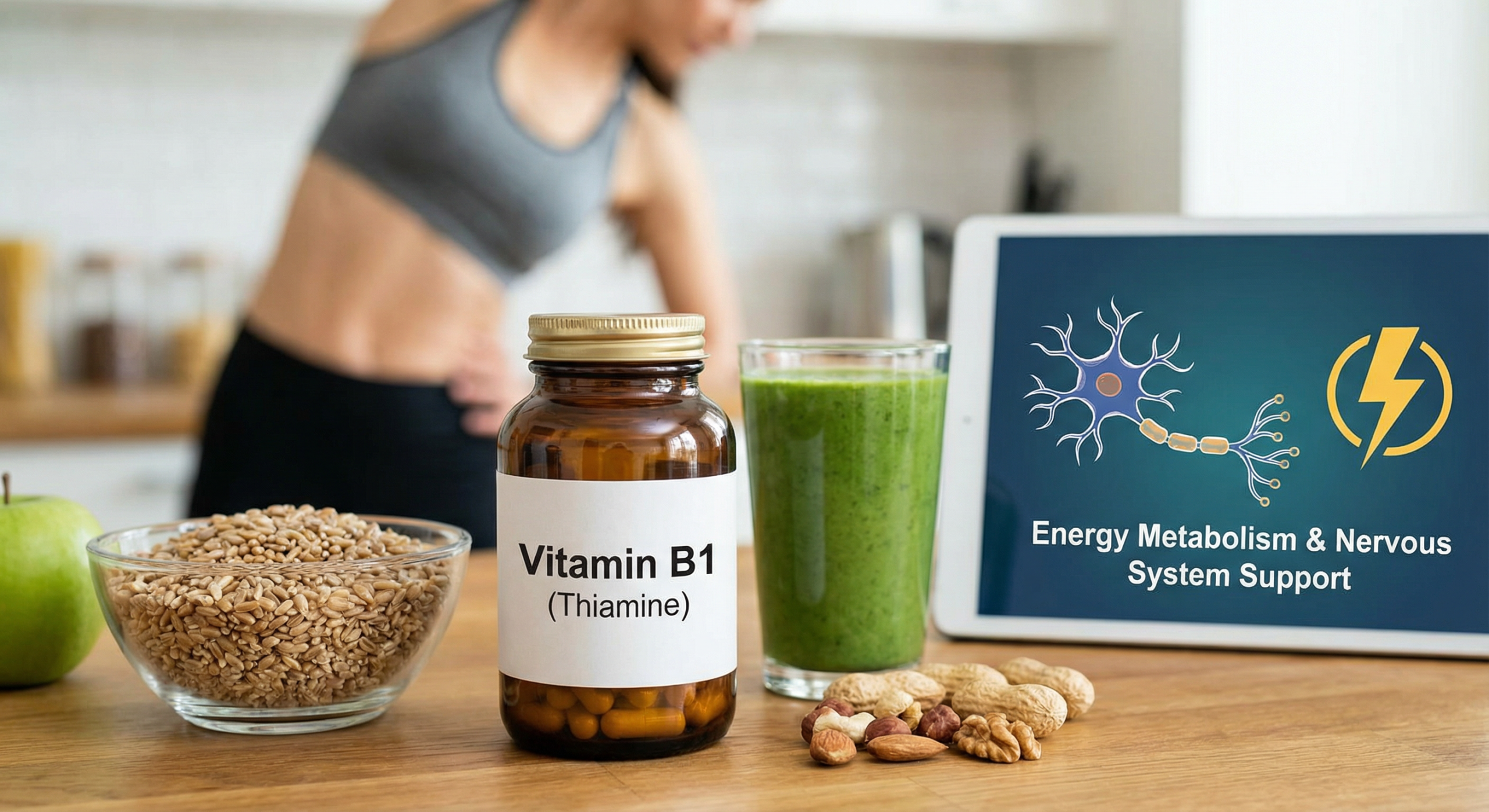
The brain and nervous system have particularly high thiamine requirements due to their dependence on glucose metabolism. Unlike other tissues that can use alternative fuel sources, neurons rely almost exclusively on glucose for energy. This metabolic dependency explains why thiamine deficiency manifests prominently as neurological symptoms—the brain simply cannot function properly without adequate thiamine-dependent enzyme activity.
Key Benefits of Vitamin B1
Research has established numerous health benefits associated with maintaining adequate Vitamin B1 levels. Understanding these benefits helps contextualise why this nutrient receives attention in clinical nutrition and supplementation. For those exploring energy-supporting nutrients, our guide on vitamins for energy provides additional context.
1. Supports Cellular Energy Production
Vitamin B1 stands at the centre of energy metabolism. Without adequate thiamine, your cells cannot efficiently convert carbohydrates into adenosine triphosphate (ATP)—the molecular currency powering virtually all cellular processes. People with sufficient B1 levels often report more stable energy throughout the day, reduced fatigue, and improved exercise tolerance. The Mayo Clinic confirms thiamine’s role in maintaining healthy metabolic function.
2. Maintains Nervous System Health
Your nervous system depends heavily on thiamine for proper function. The vitamin supports myelin sheath integrity—the protective coating around nerve fibres that enables rapid signal transmission. It also facilitates neurotransmitter production, particularly acetylcholine, which governs muscle contractions, memory formation, and cognitive processes. Adequate B1 intake helps maintain sharp mental function and healthy nerve responses.
3. Promotes Cardiovascular Function
The heart muscle requires substantial energy to maintain its continuous pumping action. Thiamine deficiency can impair cardiac function, leading to a condition called wet beriberi characterised by heart failure and fluid retention. Research published in various cardiology journals suggests that thiamine supplementation may benefit patients with heart failure, though more studies are needed. Maintaining adequate levels supports normal heart rhythm and muscle function.
4. Supports Cognitive Function and Memory
The brain consumes approximately 20% of your body’s glucose despite representing only 2% of body weight. This extraordinary metabolic demand makes brain tissue particularly vulnerable to thiamine insufficiency. Studies indicate that adequate B1 levels support memory consolidation, learning capacity, and overall cognitive performance. Older adults and those with high cognitive demands may particularly benefit from ensuring sufficient intake.
5. Aids Digestive System Function
Thiamine contributes to healthy digestive function by supporting the production of hydrochloric acid in the stomach and maintaining smooth muscle tone in the digestive tract. It helps regulate appetite signals and supports the breakdown of nutrients from food. People with digestive conditions that impair nutrient absorption often require additional attention to their B1 status to prevent secondary deficiency.
Risks and Considerations
While Vitamin B1 toxicity is extremely rare due to its water-soluble nature and efficient excretion, deficiency presents genuine health concerns. Understanding the signs of insufficiency and identifying risk factors helps you take appropriate preventive action.
Signs of Vitamin B1 Deficiency to Watch For
- Persistent fatigue and weakness despite adequate rest
- Irritability, mood changes, or depression
- Poor concentration, confusion, or memory difficulties
- Numbness or tingling in hands and feet (peripheral neuropathy)
- Muscle weakness or wasting, particularly in the legs
- Loss of appetite and unexplained weight loss
- Rapid heart rate or shortness of breath
Who Should Be Careful
- Heavy alcohol users: Alcohol impairs thiamine absorption, increases excretion, and often accompanies poor dietary intake—creating a triple threat to B1 status
- Older adults: Reduced absorption efficiency, medication interactions, and decreased food intake can compromise thiamine levels in this population
- People with digestive conditions: Crohn’s disease, coeliac disease, and bariatric surgery can significantly impair thiamine absorption from food
- Individuals with diabetes: Research suggests people with diabetes may have lower thiamine levels and higher excretion rates, potentially benefiting from supplementation
- Those on restricted diets: Highly processed food diets or extreme caloric restriction can result in inadequate thiamine intake
5 Practical Tips for Optimising Your Vitamin B1 Intake
💡 Tip 1: Prioritise Whole Grains Over Refined Options
The refining process removes up to 80% of thiamine from grains. Choose brown rice over white, wholemeal bread over white bread, and whole grain pasta whenever possible. These simple swaps substantially increase your dietary B1 intake whilst providing additional fibre and nutrients.
💡 Tip 2: Include Thiamine-Rich Foods Daily
Incorporate pork (the richest meat source), legumes, nuts, seeds, and fortified breakfast cereals into your regular diet. A 100g serving of pork provides approximately 0.9mg of thiamine—nearly the entire daily requirement for most adults. Sunflower seeds and black beans also offer excellent plant-based options.
💡 Tip 3: Cook Wisely to Preserve Thiamine Content
Thiamine is sensitive to heat, water, and alkaline conditions. Steaming vegetables rather than boiling them, using cooking liquids in soups or sauces, and avoiding prolonged high-heat cooking helps preserve thiamine content. Microwaving often retains more B vitamins than conventional boiling.
💡 Tip 4: Moderate Alcohol Consumption
Alcohol significantly interferes with thiamine absorption and metabolism. If you drink alcohol regularly, pay extra attention to your B1 intake through diet and consider discussing supplementation with your healthcare provider. Even moderate drinking can impact thiamine status over time.
💡 Tip 5: Consider a B-Complex Rather Than Isolated B1
B vitamins work synergistically in the body. Unless specifically treating a diagnosed deficiency, a balanced B-complex supplement often provides more comprehensive support than isolated thiamine. This approach ensures you maintain healthy levels of all eight B vitamins simultaneously.
What Research Shows About Vitamin B1
Scientific investigation into thiamine continues to reveal new insights about this essential nutrient’s role in human health. While its fundamental importance in energy metabolism has been established for decades, researchers continue exploring therapeutic applications and optimal intake strategies.
📊 Research Highlights:
- Diabetes and Thiamine (2013): A systematic review found that people with type 1 and type 2 diabetes often exhibit thiamine deficiency, with potential implications for diabetic complications
- Heart Failure Study (2006): Research demonstrated that thiamine supplementation improved left ventricular function in heart failure patients taking diuretics, which can deplete B1
- Harvard Health Research: Ongoing nutrition research confirms the importance of B vitamins, including thiamine, for maintaining metabolic health and preventing deficiency-related conditions
The research consistently supports thiamine’s essential role in human physiology whilst highlighting populations that may benefit from increased attention to their B1 status. However, most studies focus on deficiency correction rather than supraphysiological supplementation in healthy individuals. Current evidence does not support megadose supplementation for people with adequate dietary intake, as excess thiamine is simply excreted rather than providing additional benefits.
Summary
Vitamin B1 stands as a foundational nutrient for human health, orchestrating the metabolic processes that convert your food into cellular energy. Its importance extends to nervous system function, cardiovascular health, cognitive performance, and digestive wellbeing. While outright deficiency remains relatively uncommon in developed nations, suboptimal intake affects various at-risk populations and may contribute to symptoms often attributed to other causes.
For most individuals, consuming a varied diet rich in whole grains, legumes, nuts, and quality protein sources provides sufficient thiamine. However, those with increased requirements or absorption challenges may benefit from targeted supplementation. The products recommended below offer reliable options for those seeking to ensure adequate Vitamin B1 intake.
⚠️ Important: This article is for educational purposes only. Consult your GP or healthcare professional before starting any supplement, particularly if you have existing health conditions, take medications, or are pregnant or breastfeeding.
Our Top Picks for Vitamin B1 Supplements
Based on our research, here are 2 options worth considering:

How to Choose the Right Vitamin B1 Supplement
- Dosage requirements: Consider whether you need maintenance levels (50-100mg) or therapeutic doses (250-500mg) based on your healthcare provider’s recommendations
- Form preference: Capsules generally offer better absorption than tablets and are easier to swallow; some products offer liquid forms for those who struggle with pills
- Additional ingredients: Check for unnecessary fillers, allergens, or additives—particularly important if you have sensitivities or follow specific dietary requirements
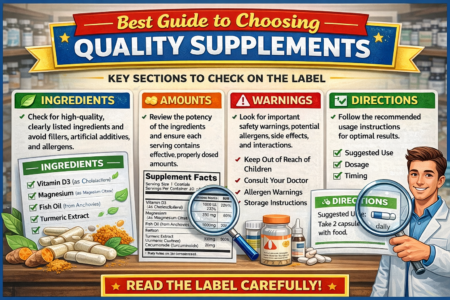
- Brand reputation: Choose manufacturers with good manufacturing practice (GMP) certification and transparent testing procedures to ensure quality and potency
Frequently Asked Questions
What are the symptoms of Vitamin B1 deficiency?
Common symptoms include fatigue, irritability, poor concentration, muscle weakness, numbness in extremities, and appetite loss. Severe deficiency can cause beriberi or Wernicke-Korsakoff syndrome, requiring immediate medical attention.
How much Vitamin B1 do I need daily?
Adults require approximately 0.8mg (women) to 1.0mg (men) daily according to UK guidelines. Requirements increase during pregnancy, breastfeeding, and with heavy alcohol consumption.
Can you take too much Vitamin B1?
Toxicity is extremely rare since excess thiamine is excreted in urine. No tolerable upper intake level has been established due to limited evidence of harm from high doses. However, megadoses offer no additional benefit.
Which foods are highest in Vitamin B1?
Pork is the richest animal source. Excellent plant sources include sunflower seeds, black beans, lentils, whole grains, fortified cereals, and green peas. Processing significantly reduces thiamine content.
Should I take Vitamin B1 alone or in a B-complex?
For general health maintenance, a B-complex provides balanced support. Isolated B1 supplements suit those with diagnosed deficiency or specific therapeutic needs under healthcare supervision.
When is the best time to take Vitamin B1 supplements?
Take B1 with food to enhance absorption and reduce stomach upset. Morning is often preferred as B vitamins support energy metabolism. For more supplement timing guidance, see our supplement timing guide.
Sources
This article is based on peer-reviewed research and authoritative health sources:
✅ Why You Can Trust This Article
- Written by: Arsim Rama
- Research-backed: All claims supported by peer-reviewed sources
- Regularly updated: Content reviewed every 12 months
- Editorial independence: Recommendations based on merit
Last reviewed: January 2025. Next review: January 2026.
© 2025 Paulinna. All rights reserved.
⚠️ Disclosure: This article contains affiliate links. If you purchase through these links, we may earn a small commission at no extra cost to you.