

Quick Answer: Selenium benefits is an essential trace mineral that supports thyroid hormone production, strengthens immune defences, and provides powerful antioxidant protection. Adults typically need 55–75 micrograms daily through diet or quality supplements.
Key Takeaways
- ✓ This trace mineral is essential for thyroid hormone metabolism and immune function
- ✓ Brazil nuts are the richest natural source—just 1–2 nuts may meet your daily needs
- ✓ Selenomethionine offers superior bioavailability compared to inorganic forms
- ✓ The safe upper limit is 400mcg daily—exceeding this may cause adverse effects
Introduction
When it comes to supporting your body’s fundamental processes, selenium stands out as one of the most important yet often overlooked minerals. This essential micronutrient participates in dozens of enzymatic reactions that affect everything from your thyroid gland to your immune system. Despite its significance, many people in the UK consume insufficient amounts through their diet alone. If you are exploring ways to optimise your nutrition, understanding how trace minerals support overall health provides valuable context for appreciating this vital element.
The landscape of nutritional science has evolved considerably over the past few decades. Researchers now understand that this trace mineral does far more than previously recognised. From its role in producing thyroid hormones to its function as a component of powerful antioxidant enzymes, the evidence supporting adequate intake continues to grow. However, it is equally important to recognise that more is not always better—balance remains key.
Throughout this comprehensive guide, you will discover the science behind this essential micronutrient, learn about evidence-based benefits, understand potential risks, and gain practical knowledge for making informed decisions. We will examine clinical research, discuss quality standards for supplements, and provide actionable tips for incorporating this nutrient safely into your wellness routine.

What Is Selenium?
Selenium is a naturally occurring trace element that your body requires in small but significant amounts. According to the National Institutes of Health Office of Dietary Supplements, it functions primarily through incorporation into selenoproteins—specialised proteins that play essential roles in reproduction, thyroid hormone metabolism, DNA synthesis, and protection against oxidative damage and infection.
Unlike macronutrients such as proteins or carbohydrates, your body needs only microgram quantities of this vital element. The recommended daily intake for adults ranges from 55 to 75 micrograms, depending on factors such as age, sex, and life stage. Pregnant and breastfeeding women have slightly higher requirements to support foetal development and milk production.
This essential micronutrient exists in several chemical forms, both organic and inorganic. Organic forms include selenomethionine and selenocysteine, which the body absorbs and utilises more efficiently. Inorganic forms like sodium selenite and sodium selenate are also available but demonstrate lower bioavailability. Understanding these distinctions becomes important when evaluating supplement formulas and their potential effectiveness.
How Selenium Benefits Works
The biological activity of this trace mineral operates through its incorporation into selenoproteins. Scientists have identified approximately 25 different selenoproteins in human tissues, each performing specific functions essential for health. Rather than acting independently, the nutrient serves as a critical component within these larger protein structures.
Key Functions
- Antioxidant Defence: Glutathione peroxidases neutralise harmful peroxides and protect cell membranes from oxidative damage
- Thyroid Hormone Activation: Iodothyronine deiodinases convert inactive T4 thyroid hormone into the active T3 form
- Immune Regulation: Various selenoproteins modulate inflammatory responses and support immune cell function
- DNA Synthesis: Thioredoxin reductases participate in DNA production and repair mechanisms
The thyroid gland contains the highest concentration of this nutrient per gram of tissue anywhere in the body. This reflects its indispensable role in thyroid hormone metabolism. Without adequate levels, your thyroid cannot efficiently convert T4 into T3—the more metabolically active hormone that influences energy production, body temperature, and countless other processes.
Glutathione peroxidases represent another critical family of selenoproteins. These enzymes work alongside vitamin E to protect cells from oxidative stress. By neutralising reactive oxygen species, they help preserve cellular integrity and may contribute to healthy ageing processes. This antioxidant protection extends throughout the body, from cardiovascular tissues to the brain.
Key Selenium Benefits You Should Know
Research has identified several areas where adequate intake of this vital element may support health outcomes. However, it is essential to interpret these findings carefully, as evidence quality varies across different claims. When considering how essential nutrients affect your wellbeing, understanding both the potential and limitations of the research helps you make informed decisions.
1. Thyroid Support
Clinical research suggests this trace mineral may help maintain healthy thyroid function. The thyroid gland relies heavily on selenoproteins for hormone production and metabolism. Some studies indicate that adequate status may be associated with improved thyroid antibody levels in people with autoimmune thyroid conditions, though results remain mixed and more research is needed.
2. Immune Function
Evidence suggests that this essential micronutrient plays a role in supporting normal immune responses. Deficiency has been associated with impaired immune cell function in observational studies. Some clinical trials indicate that supplementation may enhance certain aspects of immune activity, particularly in populations with low baseline status.
3. Antioxidant Protection
As a component of glutathione peroxidase enzymes, this nutrient contributes to your body’s antioxidant defence network. These enzymes help neutralise harmful free radicals and reactive oxygen species that can damage cells. Adequate intake may support cellular health by maintaining this protective system.
4. Cognitive Health
Observational studies have found associations between lower blood levels and cognitive decline in older adults. The brain contains significant amounts of this trace mineral, and oxidative stress is implicated in age-related cognitive changes. However, whether supplementation can influence cognitive outcomes remains an active area of investigation.
5. Reproductive Health
Research indicates this vital element may support reproductive function in both men and women. It appears to play roles in sperm motility and development, as well as protecting reproductive tissues from oxidative damage. Some fertility specialists consider adequate intake as part of preconception care, though evidence for supplementation benefits remains limited.

Risks and Considerations
While adequate intake offers potential benefits, this trace mineral also carries risks when consumed in excess. The margin between beneficial and harmful levels is narrower than many people realise. Understanding these risks helps you make safe and informed choices about supplementation.
Signs of Excess Intake (Selenosis)
- Garlic-like breath odour—often the first noticeable sign
- Hair loss or brittle, discoloured nails
- Gastrointestinal disturbances including nausea and diarrhoea
- Skin rashes, fatigue, or irritability
Who Should Be Careful
- Pregnant and Breastfeeding Women: Should not exceed recommended amounts without medical guidance, as effects on foetal development require careful consideration
- People Taking Blood Thinners: Some evidence suggests interactions with anticoagulant medications; consult your prescriber before supplementing
- Those with Kidney Disease: Impaired excretion may lead to accumulation; specialist guidance is essential
- Individuals with Thyroid Conditions: Effects on thyroid function may complicate existing conditions; work with your endocrinologist
5 Practical Tips for Selenium
Tip 1: Prioritise Food Sources First
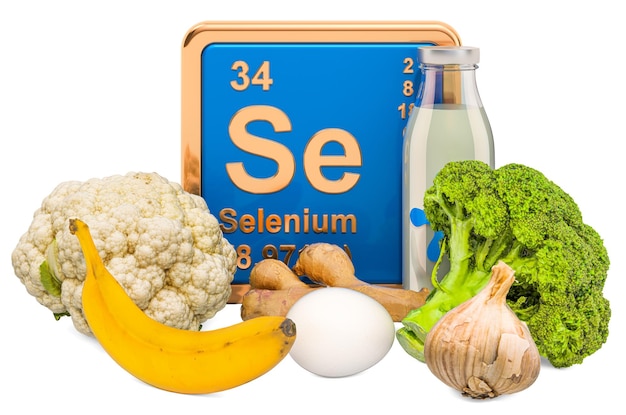
Before considering supplements, evaluate your dietary intake. Brazil nuts are exceptionally rich—just one or two nuts daily may provide your entire requirement. Other selenium-rich foods include fish, shellfish, meat, poultry, eggs, and whole grains grown in selenium-adequate soils.
Tip 2: Choose the Right Supplement Form
If you decide to supplement, selenomethionine typically offers superior bioavailability compared to inorganic forms like sodium selenite. Check product labels for the specific form used. Organic forms are generally absorbed more efficiently and incorporated into body tissues more readily.
Tip 3: Respect the Upper Limit
The tolerable upper intake level is 400 micrograms daily from all sources combined. When calculating your daily intake, include both food and supplement contributions. Chronic intake above this level increases the risk of toxicity symptoms, so conservative dosing is advisable.
Tip 4: Consider Timing and Absorption
This nutrient can generally be taken with or without food, though some evidence suggests optimal timing with meals for best absorption rate. Consistency matters more than exact timing—choose a schedule you can maintain regularly. Avoid taking high-dose vitamin C supplements simultaneously, as this may reduce absorption.
Tip 5: Monitor Your Response
Pay attention to how you feel after starting supplementation. Keep a simple journal noting energy levels, mood, and any unusual symptoms. If you experience garlic breath, hair changes, or digestive issues, reduce your intake or stop and consult your GP. Blood tests can measure your status if needed.

How to Interpret the Evidence
Navigating the research landscape for any nutrient requires understanding how different types of studies contribute to our knowledge. Not all evidence carries equal weight, and recognising these distinctions helps you evaluate health claims more critically. When reading about this trace mineral or any other supplement, consider the following principles.
Observational studies—which examine associations between nutrient status and health outcomes in populations—generate many initial hypotheses. These studies can reveal correlations, but they cannot prove causation. For example, finding that people with higher blood levels have lower rates of a particular condition does not prove that supplementation would prevent that condition. Numerous confounding factors may explain observed associations.
Randomised controlled trials (RCTs) provide stronger evidence for causation because they randomly assign participants to receive either the intervention or a placebo. However, even well-designed RCTs have limitations. The specific form used, dosage, duration, and characteristics of study participants all influence results. A trial showing no benefit in well-nourished populations tells us little about effects in those with genuine deficiency.
Meta-analyses combine data from multiple studies to increase statistical power and provide more robust conclusions. However, if the underlying studies are heterogeneous—differing significantly in design, populations, or interventions—meta-analyses may yield misleading results. Pay attention to whether the authors address heterogeneity and how they handle conflicting findings.
Effect sizes matter as much as statistical significance. A study might find a “statistically significant” difference that is too small to be clinically meaningful. Conversely, a study might fail to detect a real effect due to small sample size. Understanding confidence intervals and the magnitude of observed effects provides more useful information than simply noting whether results reached the p<0.05 threshold.
Finally, consider the totality of evidence rather than cherry-picking individual studies. Peer-reviewed systematic reviews from respected organisations such as the Cochrane Collaboration offer balanced assessments of the evidence base. Be sceptical of claims based on single studies, animal research alone, or testimonials. The most reliable conclusions emerge from consistent findings across multiple well-designed human trials.
Realistic Expectations and How to Track Progress
When beginning any new supplement regimen, setting realistic expectations helps you evaluate whether the approach is working for your individual situation. This nutrient operates at the cellular level, so effects are often subtle and develop gradually rather than producing dramatic overnight changes. Understanding this timeline prevents premature disappointment and supports more objective assessment.
Consider tracking several wellness markers to evaluate your response over time. Energy levels often serve as a useful general indicator—note whether you feel more or less fatigued throughout the day. Sleep quality, mood stability, and mental clarity are also worth monitoring, particularly if supporting cognitive or thyroid function is among your goals. A simple daily rating scale (1-10) for these factors creates trackable data.
For those supplementing specifically to support thyroid function, objective laboratory markers provide more reliable information than subjective feelings alone. Work with your GP to monitor thyroid hormone levels (TSH, free T4, free T3) and, if applicable, thyroid antibody levels over time. Changes in these markers typically take weeks to months to manifest, so patience is essential.
Adopt a one-change-at-a-time approach whenever possible. If you introduce multiple supplements simultaneously, determining which (if any) is responsible for observed effects becomes impossible. Start with the nutrient you consider most likely to be beneficial based on your individual circumstances, maintain consistent intake for at least eight to twelve weeks, then reassess before adding additional interventions.
Skin, hair, and nail quality may improve with adequate intake of this trace mineral, though such changes develop slowly over months rather than weeks. Take photos periodically to document any visible improvements that might otherwise go unnoticed during gradual day-to-day changes. However, remember that many factors influence these tissues, and improvements may not be attributable to any single nutrient.
Know when to seek professional guidance. If you experience any concerning symptoms, if you have been supplementing for three or more months without perceived benefit, or if you have underlying health conditions, consult your GP. They can assess whether testing your blood levels would provide useful information and whether continued supplementation is appropriate for your situation.
Quality Checklist Before You Buy
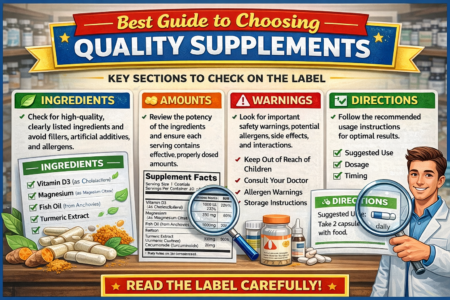
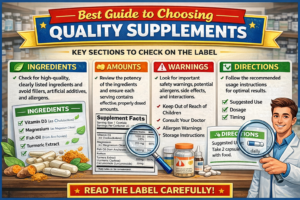
Not all supplement products deliver equivalent quality, and distinguishing reliable options from inferior alternatives requires attention to several key factors. The following checklist helps you evaluate selenium benefits tablets and capsules before making a purchase decision. Taking time to assess these elements protects both your health and your investment.
Label transparency represents a fundamental quality indicator. Reputable manufacturers clearly state the specific form of the nutrient (selenomethionine, sodium selenite, etc.), the exact amount per serving in micrograms, and the percentage of the Nutrient Reference Value provided. Avoid products with vague descriptions like “mineral blend” or “trace mineral complex” without specifying exactly what you are getting.
Third-party testing provides independent verification that a product contains what the label claims and is free from contaminants. Look for certifications from recognised testing organisations such as NSF International, Informed Sport, or the Soil Association. These certifications mean the product has undergone lab verified testing for purity, potency, and safety beyond the manufacturer’s own quality control.
GMP certified manufacturing indicates that a facility follows Good Manufacturing Practice standards. These regulations govern cleanliness, equipment maintenance, staff training, record-keeping, and quality assurance procedures. Products manufactured in GMP-compliant facilities are more likely to be consistent, pure, and accurately labelled than those from facilities without such certification.
Examine the inactive ingredients listed on the label. Some products contain fillers, binders, colours, or preservatives that may be problematic for individuals with sensitivities. If you have known allergies—to soy, gluten, shellfish, or other common allergens—verify that the product is certified free from these substances. Fewer inactive ingredients generally indicates a cleaner formula.
Consider the source and form of the active ingredient. Organic forms derived from yeast or synthesised selenomethionine typically offer superior bioavailability. Inorganic forms like sodium selenite may be less expensive but are absorbed less efficiently. If a product is significantly cheaper than competitors, question whether this reflects inferior ingredients, lack of testing, or manufacturing shortcuts.
Return policies and customer service quality reflect a company’s confidence in its products. Manufacturers who stand behind their offerings typically provide satisfaction guarantees. Check reviews from verified purchasers for insights into real-world experiences, including any quality concerns, effectiveness observations, or customer service issues encountered.
Safety Checklist and When to Speak to a Professional
Ensuring safe supplementation requires honest assessment of your individual circumstances and awareness of potential interactions. The following considerations apply to this trace mineral and should inform your decisions about whether, and how, to supplement. When in doubt, consulting a healthcare professional provides personalised guidance that general articles cannot offer.
Medication interactions deserve careful attention. If you take anticoagulant medications such as warfarin, discuss supplementation with your prescriber, as some evidence suggests potential effects on blood clotting. Those taking thyroid medications should coordinate with their endocrinologist, as this nutrient directly influences thyroid hormone metabolism. Chemotherapy patients must consult their oncologist, as interactions with certain treatments have been documented.
Pregnancy and breastfeeding require special caution with any supplement. While adequate intake of this essential micronutrient supports foetal development, exceeding recommended amounts may pose risks that are not fully characterised. Pregnant and nursing women should not supplement without explicit guidance from their midwife, obstetrician, or GP. Any products used during this period should meet the highest purity standards.
Existing health conditions may alter how your body handles supplementation. Kidney disease impairs excretion of many minerals, potentially leading to accumulation and toxicity at doses that would be safe for others. Liver disease may similarly affect metabolism. Autoimmune conditions—including autoimmune thyroid disorders—require careful monitoring, as effects on immune function could theoretically influence disease activity.
Allergies to supplement ingredients require vigilance. Review the complete ingredient list, including inactive components like capsule materials, lubricants, and anti-caking agents. Some products contain common allergens such as soy, gluten, or shellfish derivatives. If you have known allergies, select products explicitly labelled as free from your specific triggers and preferably third-party verified.
Recognise warning signs that indicate you should stop supplementation and seek medical advice. Garlic-like breath, unusual hair loss, nail changes, persistent nausea or digestive upset, skin rashes, or neurological symptoms like tingling could indicate excessive intake. Even at doses below the established upper limit, individual sensitivity varies. Listen to your body and prioritise safety over any potential benefits.
Schedule regular check-ins with your GP if you plan to supplement long-term. Periodic blood tests can monitor your status and detect any signs of excess before symptoms develop. This is particularly important if you are also consuming selenium-rich foods regularly, as total intake from all sources determines your risk of toxicity.
What Research Shows
The scientific literature on this trace mineral spans decades and covers diverse health outcomes. While certain applications have stronger evidence than others, maintaining perspective on the current state of knowledge helps you interpret claims accurately. The following highlights illustrate the range of findings while acknowledging limitations.
Research Highlights
- Cochrane Review, 2013: Found insufficient evidence to support supplementation for cancer prevention in healthy populations; highlighted variability in study designs and outcomes
- Thyroid Research, 2018: Meta-analysis suggested potential reduction in thyroid peroxidase antibodies with supplementation in Hashimoto’s thyroiditis, though clinical significance remains uncertain
- Nutrients Journal, 2020: Systematic review noted associations between adequate status and improved mood outcomes, while emphasising need for well-designed intervention trials
It is worth noting that many early trials used high doses that would now be considered unsafe, potentially confounding interpretation of both benefits and risks. More recent clinical trials have generally used more moderate doses within established safety margins. Additionally, effects observed in populations with baseline deficiency may not translate to well-nourished individuals, limiting generalisability.
The overall evidence base supports the importance of adequate intake through diet but provides limited justification for routine supplementation in people without deficiency. Individual circumstances—including geographic factors affecting soil content and food supply, dietary patterns, and specific health conditions—influence whether supplementation is likely to be beneficial.
Summary
This comprehensive guide has explored the science, benefits, risks, and practical considerations surrounding this essential trace mineral. From its fundamental roles in thyroid function and antioxidant defence to the nuances of supplement selection and safety, you now have the evidence-based information needed to make informed decisions for your individual circumstances.
Remember that optimising intake through selenium-rich foods should generally precede consideration of supplements. When supplementation is appropriate, choosing quality products with bioavailable forms like selenomethionine, respecting upper intake limits, and monitoring your response supports safe and effective use. For those ready to explore supplementation options, we have identified two quality products that meet rigorous standards.
Editorial Note: This content is informational and does not replace medical advice. Evidence quality varies across different health claims.
Important: This article is for educational purposes only. Consult your GP or healthcare professional before starting any supplement.
Our Top Picks
Based on our research into quality standards, bioavailability, and value, here are 2 options worth considering:


How to Choose
- Assess Your Current Intake: If you already eat Brazil nuts or seafood regularly, a lower-dose option may be sufficient to bridge any gap
- Check the Form: Prioritise products using selenomethionine for optimal bioavailability rather than inorganic sodium selenite
- Consider Synergies: Vitamin E works alongside this nutrient in antioxidant pathways; combined formulas may offer added convenience
- Verify Quality Markers: Look for third-party testing certifications, GMP manufacturing, and transparent labelling of all ingredients
Frequently Asked Questions
How much selenium do I need daily?
Adults typically require 55–75 micrograms daily. The UK Reference Nutrient Intake is 75mcg for men and 60mcg for women. Pregnant and breastfeeding women have slightly higher needs. Most people can meet requirements through a balanced diet.
What are the best food sources of selenium benefits?
Brazil nuts are exceptionally rich—just 1–2 nuts may provide your daily needs. Fish, shellfish, meat, poultry, eggs, and whole grains are also good sources. Content varies depending on soil levels where foods are grown.
Can I take too much selenium?
Yes. The safe upper limit is 400mcg daily from all sources. Excess intake causes selenosis, with symptoms including garlic breath, hair loss, nail brittleness, and gastrointestinal upset. Always respect dosage guidelines.
Is selenomethionine better than sodium selenite?
Generally yes. Selenomethionine is an organic form with higher bioavailability (80–90% absorption) compared to sodium selenite (approximately 50%). Organic forms are also stored more efficiently in body tissues.
Does selenium help with thyroid problems?
Evidence suggests adequate status supports thyroid function. Some studies show benefits for autoimmune thyroid conditions, though results are mixed. Never self-treat thyroid disorders—work with your GP or endocrinologist.
Can I take selenium with other supplements?
This nutrient generally combines safely with most supplements. Vitamin E offers synergistic antioxidant benefits. Avoid taking high-dose vitamin C simultaneously, as this may reduce absorption. For guidance on combining supplements safely, consult a healthcare professional.
Sources
This article is based on peer-reviewed research and authoritative health sources:
Why You Can Trust This Article
- Written by: Arsim Rama
- Research-backed: Claims supported by cited sources
- Regularly updated: Content reviewed every 12 months
- Editorial independence: Recommendations based on merit
- Customer trust: See our Trustpilot reviews
Last reviewed: January 2025. Next review: January 2026.
© 2025 Paulinna. All rights reserved.
⚠️ Disclosure: This article contains affiliate links. If you purchase through these links, we may earn a small commission at no extra cost to you.