
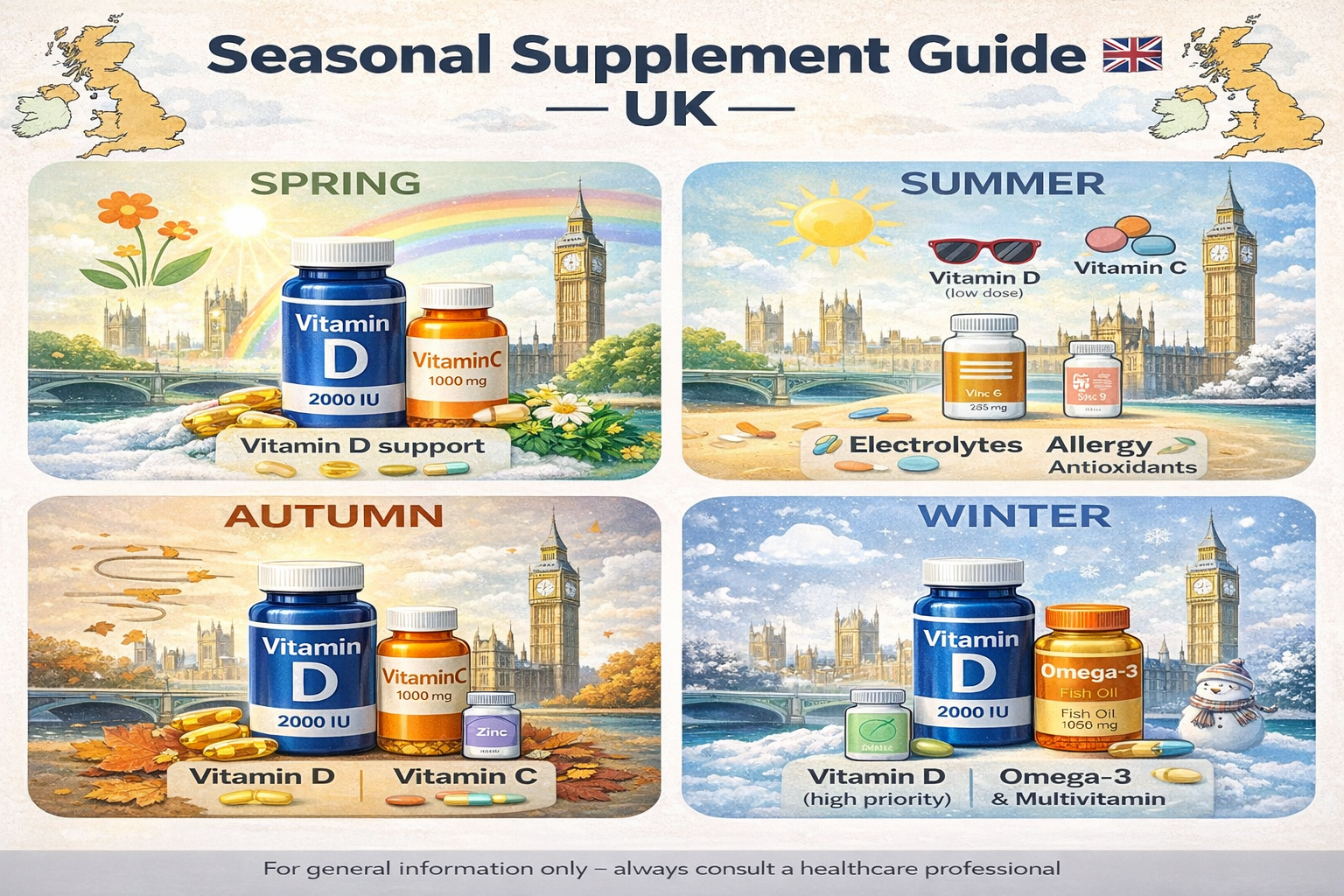
Quick Answer: The best seasonal supplement approach for the UK involves taking vitamin D from October through March (when sunlight is insufficient), considering quercetin or vitamin C during spring allergy season, supporting hydration and skin health in summer, and bolstering immune defences as autumn arrives. Year-round, omega-3 and magnesium remain popular choices for many adults.
A seasonal supplement guide tailored to the UK helps you adjust your nutritional support throughout the year, addressing the unique challenges of British weather—from limited winter sunlight that affects vitamin D production to spring pollen that triggers hay fever in millions. By matching your supplements to each season’s demands, you may better support your overall wellbeing without unnecessary overlap or expense.
Introduction
Living in the UK means navigating a climate that shifts dramatically across the year. Our long, grey winters offer precious few hours of meaningful sunlight, whilst spring brings an onslaught of pollen that affects roughly one in four adults. Summer’s warmer months present their own considerations—from sun exposure to staying properly hydrated—and autumn often heralds the return of coughs and colds as we spend more time indoors.
It’s no wonder, then, that many of us wonder whether our supplement routine should change with the seasons. After all, our bodies don’t face the same challenges in July as they do in January. Yet walking into a health shop or browsing online can feel overwhelming. Rows upon rows of bottles make promises, and it’s difficult to know what genuinely applies to you.
This guide takes a practical, evidence-informed approach to seasonal supplementation in the UK. Rather than suggesting you need dozens of products, we’ll focus on what the research actually supports and where gaps in the typical British diet tend to appear at different times of year. You’ll find comparisons, practical tips, and honest assessments of what may—or may not—be worth your consideration.
Whether you’re new to supplements or looking to streamline an existing routine, this seasonal framework should help you make more informed choices. As always, what works varies from person to person, and there’s no substitute for professional medical advice when you have specific health concerns.
🎬 Watch: Frequently Asked Questions.
📜 Prefer reading? Scroll down for the full written guide.
Understanding Seasonal Supplement Needs in the UK
Before diving into specific recommendations, it helps to understand why seasonality matters for nutrition in the first place. The UK sits at a relatively high latitude—between 50 and 60 degrees north—which profoundly affects our exposure to ultraviolet B (UVB) radiation, the type needed for vitamin D synthesis in the skin.
From roughly October through to late March, the sun sits too low in the sky for most of us to produce meaningful amounts of vitamin D, regardless of how long we spend outdoors. This isn’t a minor concern; government surveys have consistently shown that a significant proportion of UK adults have insufficient vitamin D levels, particularly by the end of winter.
But seasonality extends beyond sunlight. Our diets naturally shift throughout the year. Summer brings an abundance of fresh berries, salads, and locally grown produce, whilst winter meals tend toward heartier, often less vitamin-rich fare. Our activity levels change too—we’re generally more active in warmer months, which affects everything from calorie needs to nutrient turnover.
Then there’s the immune consideration. Autumn and winter see spikes in respiratory infections as people congregate indoors with less ventilation. Spring brings its own immune challenges in the form of allergic responses to tree and grass pollens. Each of these patterns creates different nutritional contexts.
The Case for Adjusting Your Approach
Rather than taking the same supplements year-round at the same doses, a seasonal approach allows you to address genuine needs whilst potentially reducing unnecessary intake during periods when those needs don’t apply. For instance, someone who spends considerable time outdoors during summer may not require the same vitamin D supplementation as they would in January.
That said, this isn’t about complicating your routine unnecessarily. Some nutrients—particularly those addressing consistent dietary gaps—may be worth taking throughout the year. The key is understanding which fall into that category and which are more seasonally relevant.
Winter Supplements: November to February
Winter represents the most critical supplementation period for many UK residents, primarily due to the vitamin D situation. However, there are other considerations worth exploring during these darker, colder months.
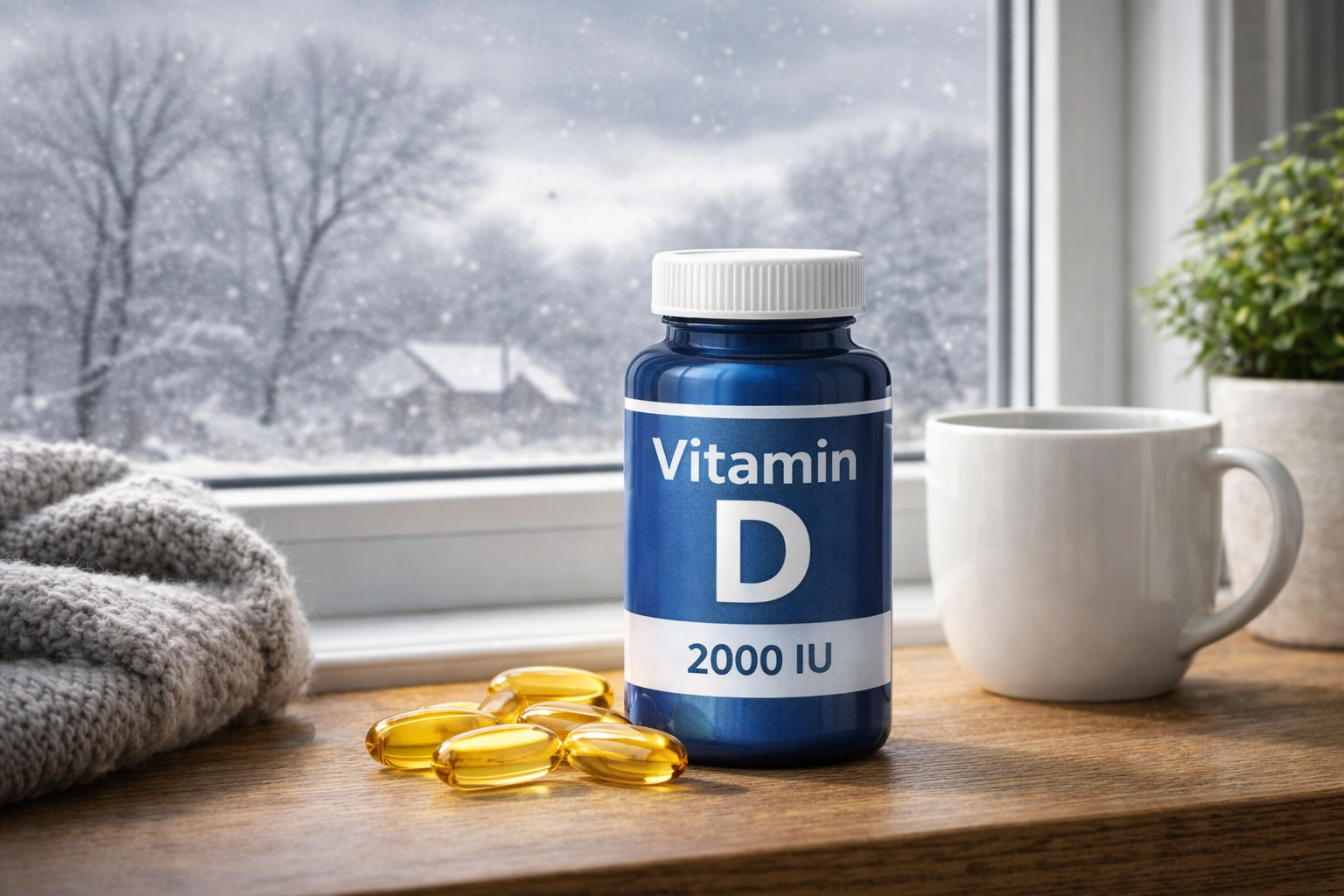
Vitamin D: The Winter Essential
Public Health England’s advice is clear: adults and children over the age of one should consider taking a daily supplement containing 10 micrograms (400 IU) of vitamin D during autumn and winter. Some individuals—including those with darker skin tones, people who cover most of their skin when outdoors, and those who rarely go outside—are advised to consider supplementation year-round.
The reasoning is straightforward. Vitamin D plays roles in calcium absorption, bone health, muscle function, and immune regulation. When we can’t make enough from sunlight, dietary sources and supplements become the only options. Unfortunately, few foods naturally contain significant amounts—oily fish, egg yolks, and fortified products being the main sources.
Many people opt for higher doses than the 400 IU minimum, with 1000-4000 IU being common choices. However, it’s worth noting that more isn’t always better, and very high doses over extended periods can potentially cause problems. If you’re unsure about dosing, especially if you have existing health conditions, speaking with your GP is sensible.
✓ Pros of Vitamin D Supplementation
- Addresses a well-documented UK deficiency risk
- Supported by government health recommendations
- Generally affordable and widely available
- Easy to incorporate into daily routine
✗ Cons to Consider
- Excessive doses may cause toxicity over time
- Quality varies between products
- Some people may not need supplementation
- Doesn’t replace the other benefits of sunlight exposure
Immune Support Considerations
Winter’s cold and flu season prompts many to consider immune-supporting supplements. Vitamin C, zinc, and elderberry are among the most popular choices, though the evidence for each varies.
Vitamin C won’t prevent you catching a cold, despite persistent myths to the contrary. However, some research suggests it may modestly reduce the duration and severity of symptoms if taken regularly before illness strikes. Zinc lozenges, taken at the onset of cold symptoms, have shown some promise in shortening illness duration in certain studies, though results are mixed.
Elderberry extracts have gained popularity, with some laboratory and clinical research suggesting potential antiviral properties. However, more robust evidence is needed before drawing firm conclusions. These supplements aren’t magic bullets, but some people find them helpful as part of a broader winter wellness approach that includes adequate sleep, stress management, and good hygiene practices.
Mood and Energy in Dark Months
The lack of daylight affects more than just vitamin D levels. Many people experience low mood, fatigue, or even seasonal affective disorder (SAD) during winter. While supplements aren’t a replacement for light therapy or professional mental health support, some nutrients may play supportive roles.
Omega-3 fatty acids, particularly EPA and DHA from fish oil, have been studied for their potential effects on mood. B vitamins, especially B12 and folate, are involved in neurotransmitter production. Magnesium supports hundreds of enzymatic reactions, including those related to energy production and nervous system function.
None of these should be viewed as treatments for clinical depression or anxiety, but ensuring adequate intake may be one piece of a larger wellbeing puzzle during challenging months.
Spring Supplements: March to May
As days lengthen and temperatures rise, spring brings its own set of considerations. For many, this season is defined by one word: allergies. Tree pollens begin their assault in March, followed by grass pollens from May onwards, affecting millions across the UK.
Hay Fever and Allergy Support
While antihistamines remain the frontline treatment for hay fever, some people explore complementary approaches. Quercetin, a flavonoid found in onions, apples, and berries, has demonstrated mast cell-stabilising properties in laboratory studies. By potentially reducing histamine release, it may offer some support for allergy sufferers, though human clinical evidence remains limited.
Vitamin C also appears to have natural antihistamine properties at higher doses, and some research suggests it may help reduce symptoms. Bromelain, an enzyme from pineapple, is sometimes combined with quercetin as it may enhance absorption and offers its own potential anti-inflammatory effects.
Stinging nettle leaf has traditional use for allergy support, with some preliminary research suggesting it may help reduce symptoms. However, robust clinical trials are lacking, and it shouldn’t replace proven treatments if your symptoms significantly affect your quality of life.
💡 Tip: If you’re considering natural approaches for hay fever, start them several weeks before your typical symptom onset. Some of these compounds may work better preventatively than reactively.
Transitioning Vitamin D
March marks the beginning of the transition period for vitamin D. While UVB levels start increasing, they’re often not sufficient for meaningful vitamin D synthesis until late April or May, depending on where you live in the UK and how much skin you expose to midday sun.
A sensible approach might be to continue supplementation through March and April, then reassess based on your sun exposure habits and skin type. Those who spend significant time outdoors with exposed skin during summer may naturally maintain adequate levels without supplementation. Others—particularly office workers, those with darker skin, or people who cover up or use high-SPF sunscreen consistently—may benefit from year-round supplementation, albeit potentially at lower doses during summer months.
Energy and Vitality After Winter
Many people feel sluggish as spring arrives, their bodies emerging from months of reduced activity and limited fresh produce. This is a natural time to focus on nutrient-dense eating, but supplements can help bridge any gaps.
Iron is worth considering if you experience persistent fatigue, though it’s wise to have your levels checked before supplementing, as excess iron can be harmful. B vitamins support energy metabolism and may help if your winter diet was particularly lacking in whole grains, leafy greens, and lean proteins.
Summer Supplements: June to August
Summer’s longer days and warmer weather bring different considerations. For many, this is the season requiring the least supplementation, though certain factors still warrant attention.
The Vitamin D Question in Summer
If you spend regular time outdoors with skin exposed to midday sun (roughly 11am to 3pm), you may produce sufficient vitamin D without supplementation during summer months. Brief exposures—around 10-15 minutes for lighter skin, longer for darker skin—with forearms and lower legs uncovered may be enough on clear days.
However, this calculation isn’t straightforward. Heavy sunscreen use (which is important for skin cancer prevention), spending most time indoors, or having darker skin all affect vitamin D synthesis. If in doubt, maintaining a lower dose supplement during summer—perhaps 400-1000 IU—provides insurance without significant risk.
Sun Protection from Within?
Some research has explored whether certain nutrients might offer modest additional protection against sun damage from the inside. Antioxidants like beta-carotene, lycopene, and vitamins C and E have been studied for their potential photoprotective effects.
While there’s some evidence that high dietary intake of these compounds may slightly increase the skin’s resilience to UV damage, it’s crucial to understand that no supplement replaces proper sun protection. Sunscreen, protective clothing, shade, and avoiding peak UV hours remain essential. Any internal support is, at best, a minor addition to these proven measures.
Hydration and Electrolytes
Increased sweating during hot weather means greater losses of electrolytes, particularly sodium, potassium, and magnesium. For most people eating a balanced diet, these losses are easily replaced through food. However, those who exercise intensively in heat or who struggle with appetite during hot weather might consider electrolyte support.
Magnesium is worth particular mention. Many UK adults don’t meet recommended intakes through diet alone, and summer’s increased activity and sweating may exacerbate any shortfall. Symptoms of low magnesium can include muscle cramps, fatigue, and poor sleep—all of which might be dismissed as simply “the heat.”
Autumn Supplements: September to October
Autumn serves as a transition period, with days shortening and temperatures dropping. It’s a sensible time to consider ramping up certain supplements before winter truly arrives.
Preparing for Vitamin D Season
By late September, UVB levels in the UK have typically dropped below the threshold for effective vitamin D synthesis. If you’ve been skipping supplementation during summer, now is the time to resume. Starting in September or October helps maintain adequate levels heading into winter, rather than playing catch-up once stores have depleted.
Immune Preparation
As children return to school and adults spend more time indoors, respiratory infections begin their annual uptick. Some people use autumn as a time to “prepare” their immune systems, though this concept has limitations—the immune system isn’t a muscle that can be bulked up on command.
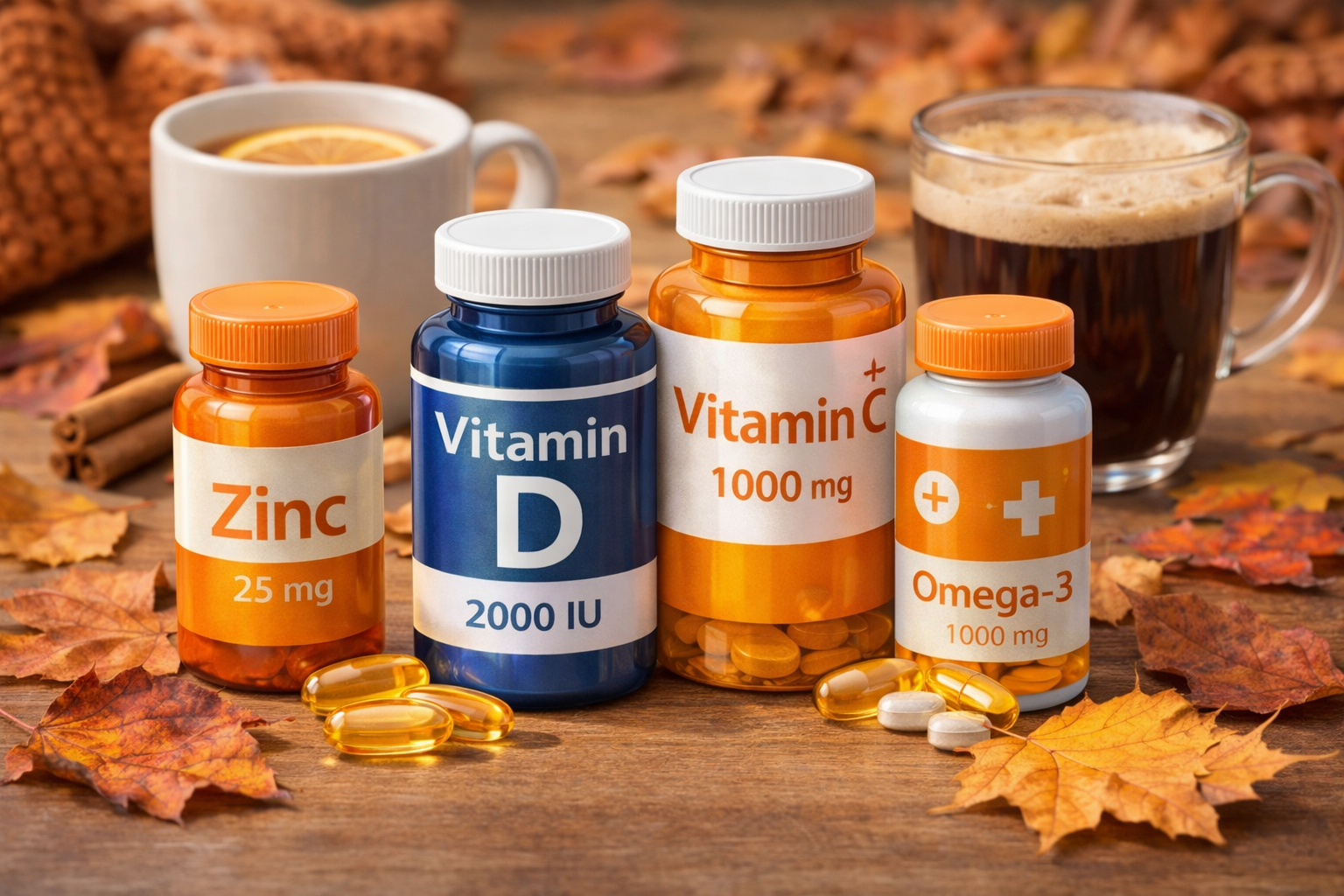
That said, ensuring adequate vitamin D, zinc, and vitamin C intake as autumn arrives may be reasonable. If you’ve let these slip during summer, addressing any deficiencies before cold and flu season peaks makes sense. Adequate sleep, stress management, and regular hand washing remain more evidence-based approaches to avoiding winter illness, but nutritional foundations matter too.
Supporting Mood Before Winter
For those susceptible to winter low mood or SAD, autumn preparation can be valuable. Beginning omega-3 supplementation if you don’t eat oily fish regularly, ensuring your vitamin D levels are topped up, and perhaps considering B vitamins or magnesium may all be worth discussing with a healthcare provider.
Light exposure remains crucial. Even as days shorten, maximising outdoor time during daylight hours—especially morning light—can help regulate circadian rhythms and mood. Supplements may support this but certainly don’t replace it.
Year-Round Essentials Worth Considering
While seasonal adjustments make sense for certain supplements, others address consistent gaps in the typical UK diet that persist regardless of the time of year.
Omega-3 Fatty Acids
Unless you eat two or more portions of oily fish weekly (salmon, mackerel, sardines, herring), you may not get optimal amounts of EPA and DHA. These long-chain omega-3s support heart health, brain function, and may help manage inflammation throughout the body.
Fish oil or algae-based omega-3 supplements can fill this gap year-round. The anti-inflammatory benefits may be particularly relevant during winter illness season and for those with joint concerns, but the heart and brain support applies regardless of season.
Magnesium
Surveys suggest many UK adults fall short of recommended magnesium intake. This mineral supports over 300 enzymatic reactions, including those involved in energy production, muscle function, nerve signalling, and sleep regulation.
While summer’s increased activity might slightly elevate needs, the typical dietary shortfall makes year-round supplementation reasonable for many people. Glycinate and citrate forms tend to be well-absorbed and gentler on the digestive system than oxide forms.
Vitamin B12 for At-Risk Groups
Those following vegetarian or vegan diets, adults over 50 (who may absorb B12 less efficiently), and people taking certain medications should consider B12 supplementation regardless of season. Deficiency develops slowly but can cause significant neurological and blood-related problems if left unaddressed.
Seasonal Supplement Comparison at a Glance
The following tables provide a quick reference for seasonal supplement priorities and year-round considerations.
| Supplement | Winter | Spring | Summer | Autumn |
|---|---|---|---|---|
| Vitamin D | ✓ Essential | ✓ March-April | Optional* | ✓ Resume Sept |
| Vitamin C | ✓ Immune | ✓ Allergies | Optional | ✓ Preparation |
| Quercetin | — | ✓ Peak need | Grass pollen | — |
| Zinc | ✓ Immune | Optional | Optional | ✓ Preparation |
| Omega-3 | ✓ Year-round | ✓ Year-round | ✓ Year-round | ✓ Year-round |
| Magnesium | ✓ Year-round | ✓ Year-round | ✓ Year-round | ✓ Year-round |
*Summer vitamin D: Those with regular sun exposure may not need supplementation; others should continue.
| Consideration | Best Season to Address | Key Supplements |
|---|---|---|
| Low vitamin D levels | October – March (essential) | Vitamin D3 400-4000 IU |
| Hay fever symptoms | February – July (start early) | Quercetin, Vitamin C, Bromelain |
| Winter immune support | September – March | Vitamin D, Zinc, Vitamin C |
| Low mood in winter | September – March | Vitamin D, Omega-3, B vitamins |
| Summer electrolyte loss | June – August (if active) | Magnesium, Electrolyte blends |
| General dietary gaps | Year-round | Omega-3, Magnesium, B12* |
*B12 particularly important for vegans, vegetarians, and adults over 50.
🏆 Our Verdict
For most UK adults, a practical seasonal supplement routine might include: vitamin D from October through March (continuing year-round for some), omega-3 throughout the year if not eating oily fish regularly, and targeted support like quercetin during spring allergy season if needed. Magnesium addresses a common dietary gap year-round. Beyond these foundations, individual needs vary considerably—there’s no universal “best” stack, only what works for your specific circumstances.
How to Choose Quality Seasonal Supplements
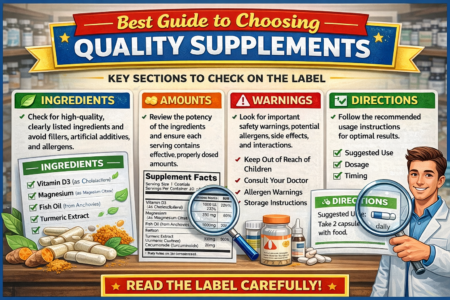
With thousands of supplement products available in the UK, quality varies enormously. Here’s how to make more informed choices.
Look for Third-Party Testing
Reputable supplement brands submit their products for independent testing to verify contents match label claims and to check for contaminants. Look for certifications from organisations like Informed Sport, NSF International, or the GMP (Good Manufacturing Practice) mark. While absence of these certifications doesn’t necessarily indicate a poor product, their presence provides additional assurance.
Consider Bioavailable Forms
Not all forms of a nutrient are equally well absorbed. For vitamin D, D3 (cholecalciferol) is generally preferred over D2 (ergocalciferol). Magnesium glycinate and citrate absorb better than magnesium oxide. Methylcobalamin is a bioactive form of B12 that some people utilise more efficiently than cyanocobalamin.
These differences matter, though they’re not always dramatic. Reading reviews, checking independent analyses, and sometimes trying different forms to see what agrees with you can all help.
Be Wary of Excessive Claims
Products promising dramatic results, quick fixes, or positioned as alternatives to medical treatment should raise red flags. Legitimate supplements make modest, evidence-based claims. If something sounds too good to be true, it probably is.
Consider Your Total Intake
If you take multiple supplements, it’s worth checking for overlap. Some multivitamins contain nutrients you might also be getting from standalone products, potentially leading to excessive intake. Create a simple list of what you’re taking and the amounts to ensure you’re not overdoing any particular nutrient.
✓ Key Takeaways for Choosing Supplements
- Prioritise products with third-party testing or quality certifications
- Choose bioavailable forms where evidence supports better absorption
- Be sceptical of dramatic claims or “miracle” marketing
- Track your total intake across all products to avoid excess
- Start with lower doses to assess tolerance before increasing
Safety Considerations and Precautions
While supplements can play a valuable role in supporting health, they’re not without risks. Here’s what to keep in mind.
Who Should Use Extra Caution
Certain groups should be particularly careful with supplementation or should consult a healthcare professional before starting:
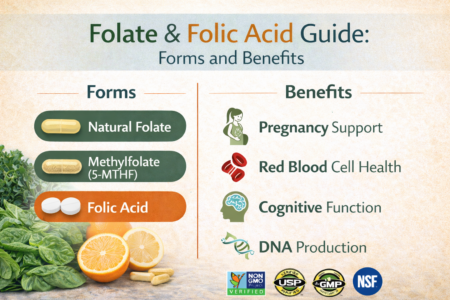
- Pregnant or breastfeeding women: Some supplements are recommended (like folic acid and vitamin D), while others may be harmful in certain doses or forms.
- People taking prescription medications: Supplements can interact with medications. Vitamin K affects blood thinners, St John’s Wort interacts with numerous drugs, and even common vitamins can alter medication absorption or effectiveness.
- Those with chronic health conditions: Kidney disease, liver problems, and certain metabolic conditions can affect how supplements are processed and what’s safe to take.
- Children: Dosages appropriate for adults may be excessive for children. Always use age-appropriate products and consult a paediatrician when uncertain.
Potential Side Effects
Most supplements are well-tolerated at recommended doses, but side effects can occur:
- Digestive upset: Iron, magnesium, and zinc can cause nausea, constipation, or diarrhoea in some people, especially at higher doses or on an empty stomach.
- Headaches: High doses of certain B vitamins or other supplements occasionally trigger headaches.
- Allergic reactions: Though rare, allergic reactions to supplement ingredients or fillers can occur.
Toxicity Concerns
Fat-soluble vitamins (A, D, E, K) accumulate in the body and can reach toxic levels if taken in excess over extended periods. Vitamin D toxicity, while rare, can cause hypercalcaemia with symptoms including nausea, weakness, and kidney problems. Iron toxicity is also a concern, which is why testing iron levels before supplementing is advisable.
⚠️ Important: Supplements are not a substitute for a balanced diet or medical treatment. If you have health concerns, symptoms, or conditions, consult your GP or a qualified healthcare professional rather than attempting to self-treat with supplements.
When to Consult Your GP
Consider speaking with your doctor before supplementing if you:
- Take any prescription medications
- Have a diagnosed health condition
- Are pregnant, breastfeeding, or trying to conceive
- Experience unexplained symptoms you’re hoping supplements might address
- Want to take doses significantly above recommended daily amounts
Your GP can also arrange blood tests to identify actual deficiencies, which is far more useful than guessing based on symptoms that could have multiple causes.
Recommended Products for Seasonal Support
High-Strength Vitamin D3 4000IU Softgels
A potent vitamin D3 supplement designed for the UK’s vitamin D season, supporting bone health, immune function, and overall wellbeing during the darker months.
- 4000IU (100mcg) cholecalciferol per easy-to-swallow softgel
- 365-day supply for year-round convenience
- Enhanced absorption in oil-based formula
Natural Quercetin & Vitamin C Complex
A synergistic formula combining quercetin with vitamin C, designed to support immune function and provide natural support during allergy season.
- 500mg quercetin with 1000mg vitamin C per serving
- Added bromelain for enhanced quercetin absorption
- Plant-based capsules suitable for vegetarians
Frequently Asked Questions
Do I really need to take vitamin D in the UK?
For most UK residents, the answer is yes—at least from October through March. During these months, the sun is too low in the sky to stimulate vitamin D production in the skin, regardless of how much time you spend outdoors. Public Health England recommends that adults and children over one consider a daily supplement containing 10 micrograms (400 IU) during autumn and winter. Those with limited sun exposure, darker skin, or who cover up outdoors should consider year-round supplementation.
Can I get all my nutrients from food instead of supplements?
In theory, a well-planned diet can provide most nutrients. However, practical challenges make this difficult for many people. Vitamin D is nearly impossible to obtain in adequate amounts from food alone during UK winters. Omega-3s require eating oily fish twice weekly—something many people don’t do. If your diet is genuinely varied and nutrient-dense, you may need fewer supplements, but for most adults, targeted supplementation helps address common gaps the typical UK diet doesn’t fill.
When should I start taking allergy supplements for hay fever?
If you’re considering natural support for hay fever, it’s generally advisable to begin several weeks before your symptoms typically start. For tree pollen sufferers, this might mean starting in February. For grass pollen reactions, late March or April would be the time to begin. Compounds like quercetin may work better as preventative support than reactive treatment, so early preparation is worthwhile if you intend to try this approach alongside conventional treatments.
Is it safe to take multiple supplements together?
Generally yes, but with some caveats. Most common supplements can be taken together without issue. However, some nutrients compete for absorption—calcium and iron, for instance, are best taken separately. High doses of certain fat-soluble vitamins can accumulate and potentially cause problems. It’s wise to review your total intake periodically and avoid duplicating nutrients across multiple products. If you’re taking several supplements plus medications, discussing your regimen with a pharmacist or GP is sensible.
How do I know if a supplement is actually working?
This depends on what you’re taking and why. For some supplements, blood tests can confirm whether levels have improved—vitamin D and B12 are good examples. For others, subjective improvements in energy, mood, sleep, or symptom reduction provide feedback, though these can be influenced by placebo effects. Give supplements adequate time (typically 4-12 weeks, depending on the nutrient) before evaluating, and be realistic about expectations. Supplements rarely produce dramatic, overnight changes.
Should I take supplements with food or on an empty stomach?
Fat-soluble vitamins (A, D, E, K) and omega-3s absorb better when taken with food containing some fat. Minerals like iron absorb best on an empty stomach but often cause digestive upset, so taking them with a small amount of food is a common compromise. Magnesium is often taken in the evening due to its relaxation-promoting effects. B vitamins are sometimes stimulating and may be better earlier in the day. Following product-specific instructions and adjusting based on how your body responds is the practical approach.
Final Thoughts
A seasonal approach to supplementation makes intuitive sense for those living in the UK. Our climate creates genuine nutritional challenges that vary throughout the year—from winter’s vitamin D deficit to spring’s pollen onslaught. By matching your supplement routine to these shifting demands, you can address real needs without taking unnecessary products year-round.
That said, it’s worth keeping perspective. Supplements are exactly that—supplements to, not replacements for, a balanced diet and healthy lifestyle. No pill compensates for poor sleep, chronic stress, or a diet lacking in variety. The foundations matter most.
If you’re new to supplementation, starting with the basics makes sense. Vitamin D during the darker months is the closest thing to a universal UK recommendation. From there, omega-3s if you don’t eat oily fish, magnesium if your diet falls short, and targeted seasonal support as needed provide a reasonable framework for most adults.
Listen to your body, be skeptical of dramatic claims, and don’t hesitate to seek professional guidance when you have specific health concerns or take medications. With a thoughtful, evidence-informed approach, seasonal supplementation can be a practical part of supporting your wellbeing throughout the year.
Sources
- NHS. “Vitamins and Minerals: Vitamin D.” NHS Choices. NHS — Vitamin D supplements
- National Institutes of Health. “Dietary Supplement Fact Sheets.” NIH Office of Dietary Supplements. NIH ODS — Fact Sheets
- Scientific Advisory Committee on Nutrition. “Vitamin D and Health.” PubMed. PubMed — Seasonal vitamin supplementation
- Mayo Clinic Staff. “Vitamin D: Evidence and Recommendations.” Mayo Clinic. Mayo Clinic — Vitamin supplements
- Harvard T.H. Chan School of Public Health. “Vitamins and Minerals.” Harvard Health. Harvard Health — Seasonal vitamins
- Cleveland Clinic. “Vitamin Deficiency and Seasonal Changes.” Cleveland Clinic Health Library. Cleveland Clinic — Vitamin deficiency
Written by Arsim Rama
Health Content Specialist · Last reviewed: January 2026
Affiliate Disclosure: This article may contain affiliate links. If you purchase through these links, we may earn a small commission at no extra cost to you. We only recommend products we believe in.
Medical Disclaimer: This article is for educational purposes only and does not constitute medical advice. Always consult your GP or qualified healthcare professional before making changes to your health regimen.