
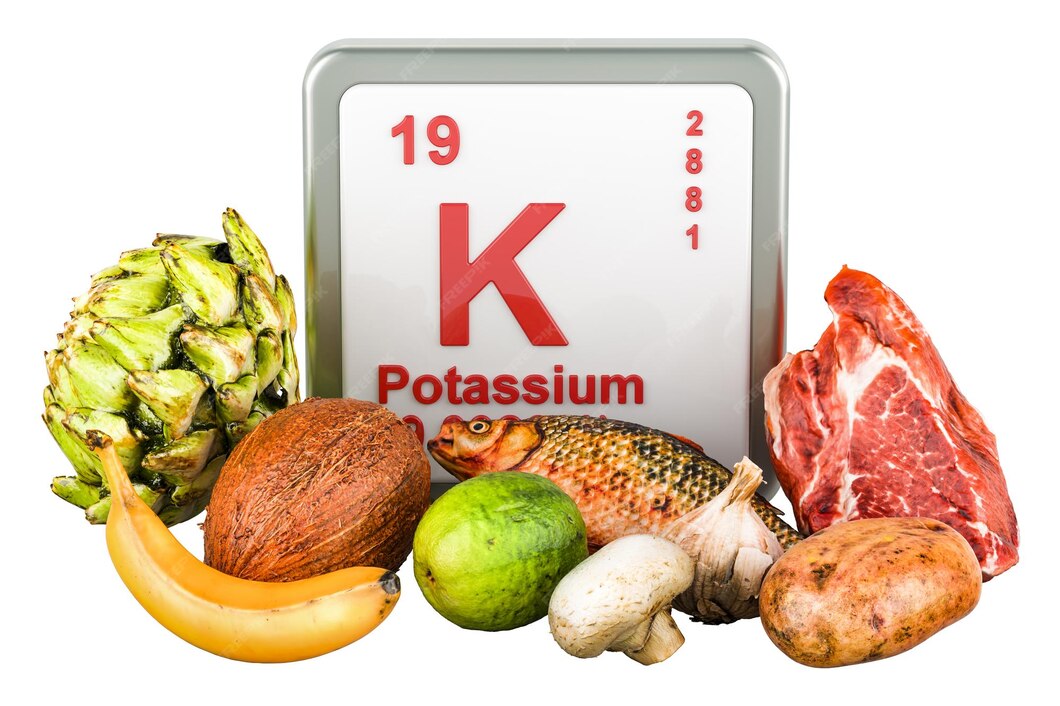
Quick Answer: Potassium is an essential mineral and electrolyte that supports heart rhythm, muscle contraction, nerve signalling and fluid balance. Most adults need around 3,500mg daily, primarily from food sources like bananas, leafy greens, beans and potatoes. Supplements may help those with inadequate intake but require caution due to safety considerations.
Key Takeaways
- ✓ This essential electrolyte supports heart rhythm, blood pressure regulation, muscle contraction and nerve function throughout the body.
- ✓ Most people in the UK don’t consume enough through diet alone—fruit, vegetables, legumes and dairy are the richest natural sources.
- ✓ Supplements are capped at 99mg per serving in many countries due to safety concerns; higher doses require medical supervision.
- ✓ Both low and high levels can cause serious health problems—testing and professional guidance are essential before supplementing.
Introduction
Potassium is one of those minerals that rarely gets the attention it deserves. While most people know they need calcium for bones and iron for blood, fewer understand that this essential electrolyte is vital for nearly every cell in the body. From keeping your heart beating rhythmically to ensuring your muscles contract properly, adequate intake influences functions you likely take for granted every day. If you’re interested in understanding essential minerals more broadly, our guide to key minerals for health provides helpful context.
Despite its importance, surveys consistently show that most people don’t consume enough through their diet. The gap between recommended intake and actual consumption is significant in many Western countries, including the UK. This shortfall has been linked to increased risk of high blood pressure, stroke and other cardiovascular issues in population studies.
This guide will explain what this mineral does in your body, why adequate levels matter, how to optimise your intake through food and supplements, and important safety considerations. Whether you’re looking to support your cardiovascular health, improve athletic performance or simply understand your nutritional needs better, you’ll find evidence-based information to help you make informed decisions.
What Is Potassium?
Potassium is an essential mineral and electrolyte—meaning it carries an electrical charge when dissolved in body fluids. According to the NHS, it helps control the balance of fluids in the body, ensures the heart muscle works properly, and supports normal functioning of the nervous system and muscles.
As the third most abundant mineral in the human body, it’s found primarily inside cells, where it helps maintain proper cellular function. The balance between this mineral inside cells and sodium outside cells creates an electrical gradient essential for nerve transmission, muscle contraction and heart function. This sodium-potassium balance is so important that your body has sophisticated systems to regulate it tightly.
Unlike some nutrients that can be stored for extended periods, your body doesn’t maintain large reserves of this electrolyte. You need a consistent daily supply from your diet to maintain optimal levels. When intake is chronically low, the body prioritises critical functions like heart rhythm, but other processes may suffer.
How Potassium Works in Your Body
This mineral performs its functions primarily through its role in maintaining electrical gradients across cell membranes. The sodium-potassium pump—an enzyme present in virtually every cell—actively moves sodium out and this electrolyte in, creating the voltage difference that cells need to function properly.
Key Functions
- Nerve signalling: Enables the transmission of nerve impulses by allowing electrical signals to travel along neurons, essential for everything from movement to sensation.
- Muscle contraction: Allows muscles to contract and relax properly, including skeletal muscles for movement and smooth muscles in blood vessels and the digestive tract.
- Heart rhythm: Maintains the electrical signals that coordinate heartbeat, ensuring regular rhythm and proper cardiac output.
- Fluid balance: Works with sodium to regulate the amount of water inside and outside cells, affecting blood pressure and cellular hydration.
The kidneys play a central role in regulating levels of this electrolyte. When intake is high, healthy kidneys excrete the excess in urine. When intake is low, the kidneys conserve it. However, this regulation has limits—chronic low intake or certain medical conditions can lead to deficiency, while impaired kidney function can cause dangerous accumulation.
Absorption occurs primarily in the small intestine and is generally efficient—around 85-90% of dietary intake is absorbed. Unlike some minerals that compete for absorption, this electrolyte is readily taken up from food and supplements alike.
Key Potassium Benefits You Should Know
Research has identified several important roles for this mineral in maintaining health and preventing disease. While these benefits are most clearly seen when correcting deficiency, maintaining adequate intake supports optimal function even when overt deficiency isn’t present. For more on minerals that work alongside this one, see our guide on magnesium and electrolyte balance.
1. Supports Healthy Blood Pressure
One of the best-established benefits is the relationship with blood pressure. Higher dietary intake is consistently associated with lower blood pressure in population studies. This effect appears to work partly by promoting sodium excretion and relaxing blood vessel walls. The DASH diet, which emphasises foods rich in this mineral, has been shown to significantly reduce blood pressure in clinical trials.
2. May Reduce Stroke Risk
Several large observational studies have found that higher intake is associated with reduced stroke risk. A meta-analysis published in the Journal of the American College of Cardiology found that each 1,000mg increase in daily intake was associated with an 11% reduction in stroke risk. This benefit may relate to blood pressure effects and potentially direct effects on blood vessel health.
3. Supports Muscle Function and Exercise Performance
As an essential electrolyte for muscle contraction, adequate levels help prevent cramps and support exercise performance. Athletes and those who sweat heavily may have increased needs. Deficiency can cause muscle weakness, cramps and fatigue that interfere with physical activity.
4. May Support Bone Health
Emerging research suggests this mineral may benefit bone health by reducing calcium loss in urine. Some studies have found associations between higher intake and greater bone mineral density, particularly in older women. The mechanism may involve buffering the acid load from typical Western diets, reducing the need for calcium to be released from bones.
5. Supports Kidney Function
In people with healthy kidneys, adequate intake may help prevent kidney stones by reducing urinary calcium excretion. Some research also suggests it may slow the progression of kidney disease, though this requires more study. However, those with existing kidney disease need careful monitoring, as impaired kidneys cannot excrete excess effectively.
Risks and Considerations
While this mineral is essential for health, both deficiency and excess can cause serious problems. Understanding these risks helps you approach supplementation with appropriate caution and emphasises why professional guidance matters.
Signs of Deficiency (Hypokalaemia)
- Muscle weakness, cramps or spasms, particularly in the legs.
- Fatigue, lethargy and general weakness that doesn’t improve with rest.
- Constipation due to reduced smooth muscle function in the digestive tract.
- Heart palpitations or irregular heartbeat in more severe cases.
Who Should Be Careful
- People with kidney disease: Impaired kidneys cannot excrete excess effectively, making supplementation potentially dangerous. Even dietary intake may need to be restricted in advanced kidney disease.
- Those on certain medications: ACE inhibitors, ARBs, potassium-sparing diuretics and some other drugs can raise levels. Combining these with supplements may cause dangerous accumulation.
- People with heart conditions: Both high and low levels affect heart rhythm. Those with heart disease need careful monitoring and should not supplement without medical guidance.
- Those with Type 1 diabetes: Insulin affects how cells take up this electrolyte, and diabetic ketoacidosis can cause dangerous shifts in levels.
5 Practical Tips for Optimising Potassium Intake
Tip 1: Prioritise Food Sources First
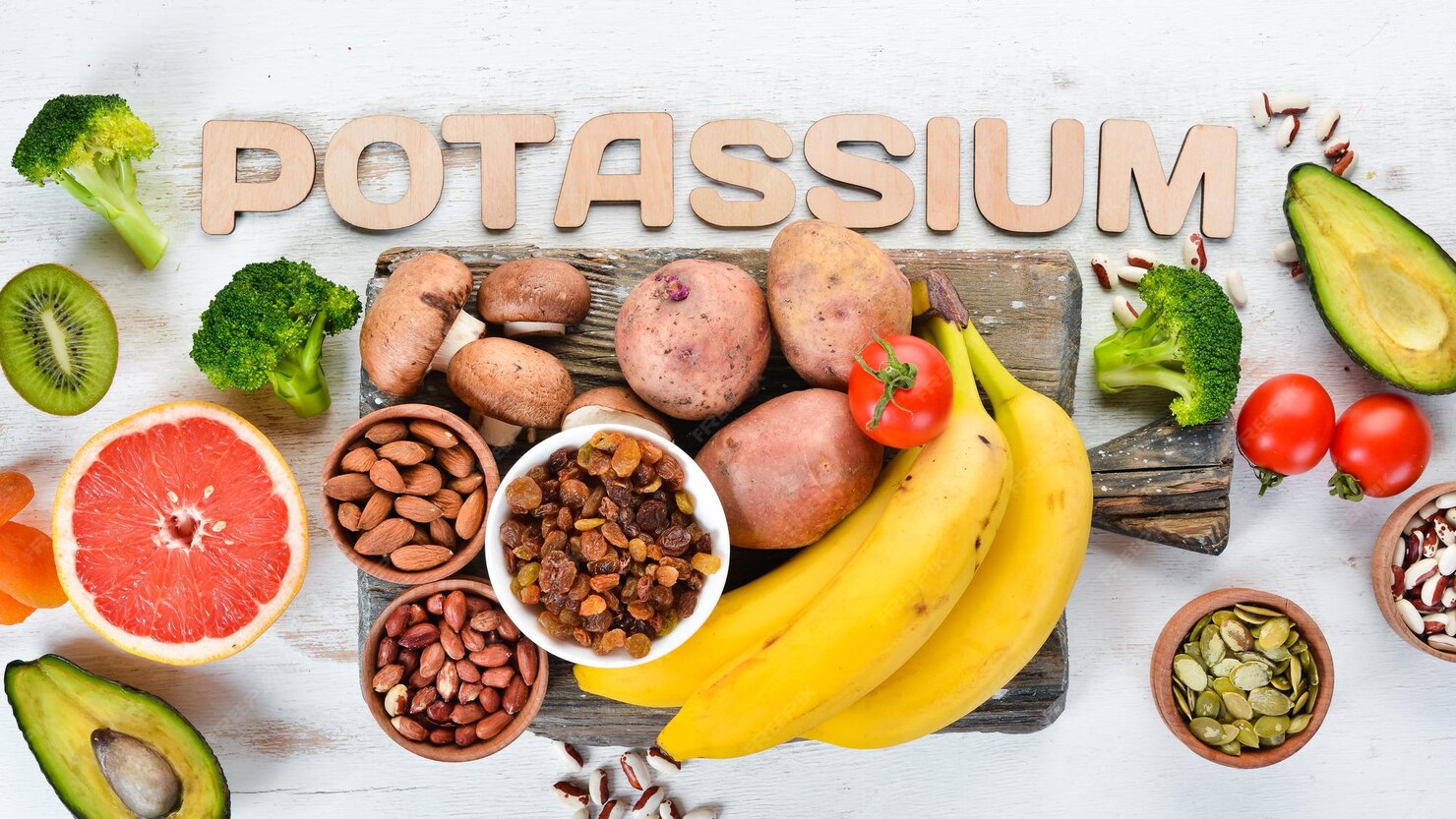
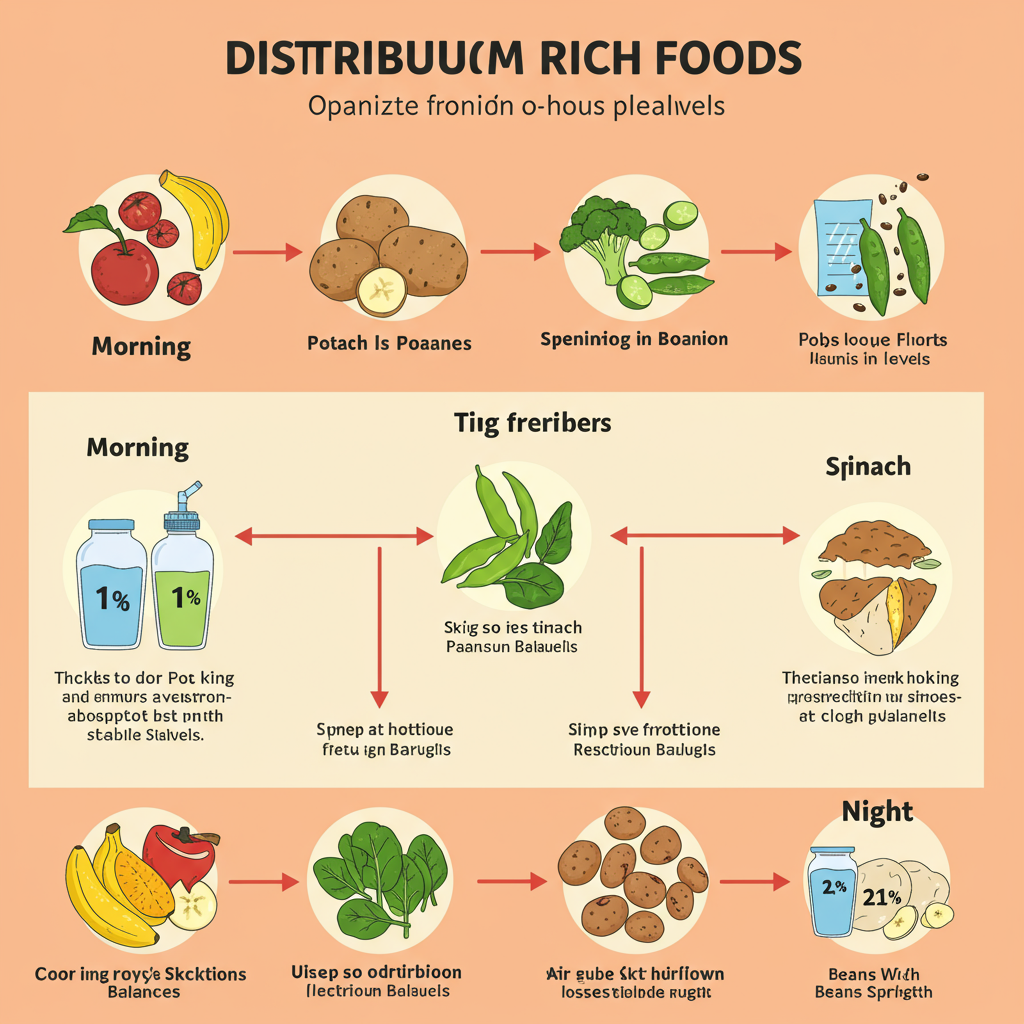
The best way to increase your intake is through food rather than supplements. Bananas are well-known, but many foods are actually richer sources: a medium baked potato provides about 925mg, a cup of cooked spinach about 840mg, and a cup of white beans about 1,190mg. Focusing on whole foods provides additional nutrients and fibre.
Tip 2: Balance with Sodium
The ratio between this mineral and sodium matters as much as absolute amounts. Reducing sodium intake while increasing this electrolyte appears to have synergistic benefits for blood pressure. Aim to limit processed foods (high in sodium, low in this mineral) and increase whole foods (the opposite profile).
Tip 3: Consider Cooking Methods
This mineral can leach into cooking water. Steaming, microwaving or roasting vegetables retains more than boiling. If you do boil vegetables, consider using the cooking water in soups or sauces to recapture lost minerals.
Tip 4: Use Supplements Cautiously
Over-the-counter supplements are typically limited to 99mg per serving—far less than the 3,500mg daily target. This limit exists because higher doses can cause dangerous spikes in blood levels if taken incorrectly. Consider supplements as a modest top-up rather than a primary source.
Tip 5: Get Tested If Concerned
If you have symptoms of deficiency, take medications that affect levels, or have kidney or heart conditions, ask your GP for a blood test. Serum levels are easily measured and provide important information for safe supplementation decisions.
How to Interpret the Evidence
The research landscape for this mineral is relatively robust compared to many supplements, with strong observational data and some clinical trials. However, understanding the nature and limitations of this evidence helps you apply it appropriately to your own situation.
Much of the strongest evidence comes from large observational studies tracking dietary intake and health outcomes over many years. These consistently show that higher intake is associated with lower blood pressure, reduced stroke risk and better cardiovascular outcomes. The consistency across different populations, study designs and time periods strengthens confidence in these associations.
Clinical trials have confirmed some of these findings, particularly for blood pressure. Studies testing increased intake—through diet changes or supplements—have demonstrated blood pressure reductions, especially in people with hypertension. The DASH diet trials are among the most influential, showing significant benefits from eating patterns rich in this mineral and other nutrients.
However, translating population-level findings to individual recommendations is not straightforward. People with different baseline intakes, health conditions and genetic factors may respond differently. Someone with very low intake might see substantial benefits from increasing it, while someone already consuming adequate amounts might see little additional benefit.
The evidence for benefits beyond blood pressure—such as bone health, kidney stone prevention and stroke reduction—is generally supportive but less definitive. Many of these findings come from observational studies that cannot definitively prove cause and effect. Confounding factors—such as people who eat more fruits and vegetables having generally healthier lifestyles—may explain part of the observed associations.
Importantly, the evidence strongly supports food sources over supplements for most people. The blood pressure and cardiovascular benefits are most consistently seen with dietary intake, which provides this mineral alongside other beneficial compounds like fibre, vitamins and phytochemicals. Supplement trials have shown more mixed results, possibly because isolated minerals behave differently than nutrients consumed in whole foods.
Realistic Expectations and How to Track Progress
Understanding what realistic outcomes look like helps you set appropriate expectations and evaluate whether changes to your intake are beneficial. Unlike some nutrients that produce noticeable subjective effects, this mineral often works silently to support long-term health rather than providing immediate perceptible benefits.
If you’re correcting a deficiency, you may notice improvements in symptoms like muscle cramps, weakness or fatigue within days to weeks of increasing your intake. However, these symptoms can have many causes, so improvement doesn’t necessarily confirm deficiency was the issue—and lack of improvement doesn’t mean your intake isn’t benefiting you in other ways.
For blood pressure effects, changes typically occur over weeks to months of consistently higher intake. These effects are modest—expect reductions of perhaps 2-5 mmHg systolic in studies—but even small reductions at the population level translate to meaningful reductions in cardiovascular disease risk over time. Individual responses vary, and those with higher baseline blood pressure tend to see larger effects.
The long-term benefits—reduced stroke risk, better bone health, kidney stone prevention—are not something you can track on a day-to-day basis. These outcomes develop over years and are best supported by consistently adequate intake throughout life rather than short-term supplementation.
Objective tracking is possible through blood tests. Serum levels provide a snapshot of current status, though they reflect only a small fraction of total body stores (most is inside cells). Regular monitoring is particularly important if you have kidney disease, take medications affecting levels, or are supplementing at higher doses under medical supervision.
For most healthy people, the best approach is simply to consistently include rich food sources in your diet without obsessing over exact amounts. If you eat several servings of fruits and vegetables daily, include legumes regularly and consume dairy or alternatives, you’re likely meeting or approaching adequate intake.
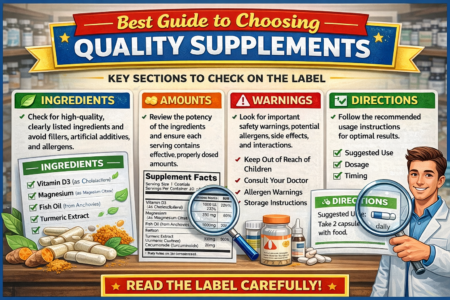
Quality Checklist Before You Buy Supplements
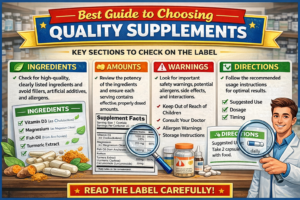
If you decide to supplement, choosing a quality product matters. The supplement market varies in quality, and with a mineral that can cause harm in excess, getting what the label claims—no more, no less—is particularly important.
1. Form matters: Common forms include citrate, chloride and gluconate. Citrate is often preferred for absorption and tolerability. Chloride provides the same form used in medical settings. Gluconate is gentle but less concentrated. Some products combine forms. Avoid unusual or poorly characterised forms.
2. Dosage clarity: The label should clearly state milligrams of elemental mineral per serving—not just milligrams of the compound. For example, 595mg of potassium gluconate provides only about 99mg of elemental mineral. Ensure you understand what you’re actually getting.
3. Third-party testing: Look for products tested by independent laboratories for potency and purity. This confirms that the product contains what it claims and is free from contaminants. Organisations like NSF International, USP or ConsumerLab provide such verification.
4. Reputable manufacturer: Choose brands with established track records, clear contact information and transparent practices. Companies that follow Good Manufacturing Practice (GMP) standards are more likely to produce consistent, reliable products.
5. Appropriate serving size: Be wary of products claiming very high amounts per serving—these may be mislabelled or potentially dangerous. In most countries, over-the-counter supplements are limited to around 99mg per serving specifically for safety reasons.
6. Additional ingredients: Check for unnecessary fillers, colourants or additives. If you have allergies or dietary restrictions, verify the product is free from common allergens like gluten, soy or dairy. Some products combine this mineral with magnesium or other electrolytes, which may or may not suit your needs.
7. Price per serving: Compare the cost per milligram of elemental mineral rather than just the bottle price. Very cheap products may indicate quality issues, but premium pricing doesn’t guarantee superiority. Look for reasonable value from established brands.
Safety Checklist and When to Speak to a Professional
This mineral requires more caution than many supplements because both deficiency and excess can cause serious—even life-threatening—problems. The following guidance helps you stay safe, but when in doubt, professional medical advice is essential.
1. Kidney function is paramount: If you have any kidney disease—even mild or early-stage—do not supplement without medical approval and monitoring. Impaired kidneys cannot excrete excess effectively, and levels can rise to dangerous levels. The Mayo Clinic emphasises that kidney patients may need dietary restriction rather than supplementation.
2. Medication interactions: Many common medications affect how your body handles this electrolyte. ACE inhibitors (like lisinopril), ARBs (like losartan), potassium-sparing diuretics (like spironolactone), NSAIDs and some others can raise levels. If you take any prescription medications, check with your pharmacist or GP before supplementing.
3. Heart conditions: If you have heart disease, arrhythmias or have had a heart attack, do not supplement without medical guidance. Abnormal levels—either high or low—can trigger dangerous heart rhythm disturbances. Monitoring may be necessary even with dietary changes.
4. Symptoms of excess (hyperkalaemia): Seek immediate medical attention if you experience muscle weakness (especially in legs), tingling or numbness, nausea, irregular or slow heartbeat, or chest pain. Severe hyperkalaemia is a medical emergency that can cause cardiac arrest.
5. Pregnancy and breastfeeding: Increased intake is generally needed during pregnancy and lactation, but this should come primarily from food. Supplement only under healthcare provider guidance, as requirements and safe upper limits differ from non-pregnant adults.
6. Digestive conditions: Some forms, particularly chloride, can irritate the digestive tract and may be unsuitable for people with ulcers, gastritis or inflammatory bowel conditions. Citrate and gluconate forms are generally gentler. Take supplements with food to minimise stomach upset.
7. Testing before supplementing: Consider asking your GP for a serum test before starting supplementation, especially if you have any risk factors or are unsure about your current status. This provides a baseline and helps identify whether supplementation is appropriate.
What Research Shows
The research on this mineral spans decades and includes large observational studies, clinical trials and meta-analyses. Overall, the evidence strongly supports the importance of adequate intake for cardiovascular health, with growing evidence for other benefits.
Research Highlights
- NHS, 2024: Confirms that this mineral helps control fluid balance and is needed for the heart muscle to work properly, recommending adults need 3,500mg daily.
- NIH Office of Dietary Supplements, 2023: Comprehensive fact sheet noting that higher intakes are associated with lower blood pressure and reduced risk of stroke, with most evidence strongest for food sources.
- BMJ Meta-Analysis, 2013: Found that increased intake was associated with 24% lower stroke risk and trends toward reduced heart disease and all-cause mortality.
Despite this overall positive picture, important nuances exist. The benefits are most clearly established for dietary intake rather than supplements. Most trials showing cardiovascular benefits used food-based interventions or dietary patterns rich in this mineral rather than isolated supplements. Whether supplements provide the same benefits as food sources remains less certain.
Individual variation in response is also significant. People with higher sodium intakes, those with hypertension and certain genetic profiles may respond more strongly to increased intake. Conversely, those already consuming adequate amounts may see little additional benefit from further increases.
The evidence also clearly shows that more is not always better. Unlike some nutrients with wide safety margins, this electrolyte has a relatively narrow optimal range. Excessive intake—particularly from supplements or salt substitutes in people with impaired excretion—can cause serious harm. This underscores the importance of professional guidance for anyone considering high-dose supplementation.
Summary
This essential electrolyte plays fundamental roles in heart rhythm, blood pressure, muscle function and nerve signalling. Adequate intake is associated with significant cardiovascular benefits, including lower blood pressure and reduced stroke risk. Most people would benefit from increasing their intake through foods like leafy greens, legumes, potatoes and fruit.
Supplements can provide a modest contribution but come with important safety considerations. The limited doses available over-the-counter (typically 99mg) reflect real concerns about the risks of excessive intake. Those with kidney disease, heart conditions or on certain medications need particular caution and should not supplement without medical guidance.
Editorial Note: This content summarises current evidence and expert guidance. The research landscape for this mineral is relatively mature, but individual responses vary and new findings may refine recommendations over time.
Important: This article is for educational purposes only. It does not replace personalised medical advice. Always consult your GP or healthcare professional before starting any supplement, especially if you have kidney disease, heart conditions, take medications or have concerns about your electrolyte levels.
Our Top Picks
Based on our research, here are 2 options worth considering:


How to Choose
- Prioritise food first: Supplements should complement, not replace, dietary sources. Evaluate whether diet changes might meet your needs before turning to pills.
- Consider the form: Citrate is generally well-absorbed and gentle. Chloride matches medical formulations. Gluconate is gentle but less concentrated.
- Check third-party testing: Given safety concerns with this mineral, verification of accurate dosing is particularly important.
- Consult your GP: If you have any health conditions, take medications or are unsure about your needs, get medical advice before supplementing.
Frequently Asked Questions
How much potassium do I need daily?
The NHS recommends 3,500mg daily for adults. Most people can achieve this through a diet rich in fruits, vegetables, legumes and dairy. Supplements typically provide only 99mg per serving, so cannot meet needs alone.
What foods are highest in potassium?
White beans, baked potatoes with skin, spinach, sweet potatoes, avocados, bananas, salmon and yogurt are excellent sources. A single baked potato provides about 925mg—more than nine bananas’ worth of supplement pills.
Can too much potassium be dangerous?
Yes. High levels (hyperkalaemia) can cause dangerous heart rhythm disturbances and, in severe cases, cardiac arrest. This is why supplements are limited to low doses and why kidney patients need particular caution.
Who should not take potassium supplements?
People with kidney disease, those taking ACE inhibitors, ARBs or potassium-sparing diuretics, and individuals with heart rhythm disorders should not supplement without medical supervision and monitoring.
Why are potassium supplements limited to 99mg?
This limit exists for safety. Higher doses taken at once can cause rapid spikes in blood levels, potentially triggering heart rhythm problems. Food provides the mineral more gradually, spreading intake throughout the day.
How do I know if I’m deficient?
Symptoms include muscle cramps, weakness, fatigue and constipation. A blood test can measure serum levels. If you’re concerned, consult your GP for testing. For more on mineral testing, see our guide to understanding blood test results.
Sources
This article is based on peer-reviewed research and authoritative health sources:
Why You Can Trust This Article
- Written by: Arsim Rama
- Research-backed: Claims supported by cited NHS, NIH, Mayo Clinic, Harvard Health and PubMed sources
- Regularly updated: Content reviewed every 12 months to reflect new evidence and guidelines
- Editorial independence: Recommendations based on quality and evidence, not paid placement
- Customer trust: See our Trustpilot reviews
Last reviewed: January 2025. Next review: January 2026.
© 2025 Paulinna. All rights reserved.
⚠️ Disclosure: This article contains affiliate links. If you purchase through these links, we may earn a small commission at no extra cost to you.