

Quick Answer: The best omega-3 fish oil supplements provide meaningful amounts of EPA and DHA from quality sources, undergo third-party testing for purity, and match your specific health goals. Research suggests omega-3s may support heart health, brain function, and inflammatory balance when taken consistently as part of a healthy lifestyle.
Omega-3 fish oil ranks among the most researched dietary supplements available. EPA and DHA—the primary omega-3 fatty acids found in fish oil—serve essential roles in cell membrane structure, cardiovascular function, and brain health. Choosing a quality product involves understanding potency, purity standards, and which form best suits your individual needs and health objectives.
What Makes Omega-3 Fish Oil Worth Considering
Ever wondered why omega-3 fish oil consistently ranks among the most recommended supplements worldwide? The answer lies in decades of scientific investigation and the unique role these fatty acids play in human physiology.
What most people don’t realise is that your body cannot manufacture EPA and DHA on its own. These essential fats must come from dietary sources—primarily fatty fish like salmon, mackerel, and sardines. Yet many people consume far less fish than nutritional guidelines suggest, creating a potential gap that supplementation might help address.
The interest in omega-3s stems from their presence in virtually every cell membrane throughout your body. They influence how cells communicate, respond to inflammation, and maintain structural integrity. This widespread involvement helps explain why researchers have explored omega-3s in relation to so many different aspects of health.
Fish oil supplements concentrate these fatty acids into convenient doses, making it practical to increase intake without dramatically changing your diet. However, not all products deliver equal value—concentration, form, and purity vary considerably between brands and formulations.

🎬 Watch: A visual overview of omega-3 fish oil benefits and what to look for when choosing a quality supplement.
📜 Prefer reading? Scroll down for the complete written guide.
Understanding EPA and DHA: The Key Players
When evaluating fish oil supplements, two abbreviations appear repeatedly: EPA and DHA. Understanding what these mean helps you make informed choices about which products might best serve your needs.
EPA: The Inflammation Modulator
Eicosapentaenoic acid (EPA) plays a particularly significant role in managing inflammatory responses throughout your body. Your cells convert EPA into compounds called eicosanoids, which help regulate inflammation, blood clotting, and immune function.
Research has explored EPA’s potential benefits for cardiovascular health and mood regulation. Some studies suggest that higher EPA formulations may offer particular advantages for certain health goals, though individual responses vary considerably.
DHA: The Structural Foundation
Docosahexaenoic acid (DHA) concentrates heavily in brain tissue and the retina of your eyes. It forms a significant portion of the structural fats in neuronal membranes, where it influences how brain cells communicate and function.
DHA’s role during pregnancy and early childhood has attracted substantial research attention. The developing brain accumulates DHA rapidly, making adequate intake particularly relevant during these periods. Many prenatal supplements emphasise DHA content for this reason.
Like a team working together, EPA and DHA often produce complementary effects. Most quality fish oil supplements provide meaningful amounts of both, though ratios vary between products. The optimal balance may depend on your specific health goals and circumstances.
Potential Heart Health Benefits
Cardiovascular health represents perhaps the most extensively studied area for omega-3 fatty acids. The research spans decades and includes everything from population observations to randomised controlled trials.
Blood Lipid Effects
Fish oil’s ability to reduce triglyceride levels represents one of its most consistent and well-documented effects. Studies have used doses ranging from 2 to 4 grams of combined EPA and DHA daily to achieve meaningful triglyceride reductions, sometimes exceeding 25-30% in individuals with elevated levels.
The effects on other blood lipids appear more nuanced. Some research suggests modest increases in HDL cholesterol, while effects on LDL cholesterol vary depending on the specific formulation and individual factors.
Blood Pressure and Vascular Function
Research indicates that omega-3 supplementation may contribute to modest blood pressure reductions, particularly in individuals with elevated readings. The effect sizes tend to be smaller than those achieved with dedicated blood pressure medications, but every reduction contributes to overall cardiovascular risk management.
For those interested in supplements that may support cardiovascular wellness, omega-3 fish oil remains among the most researched options. However, supplements work best alongside—not instead of—lifestyle measures like regular physical activity and a balanced diet.
What the Research Shows
Large clinical trials have produced somewhat mixed results regarding hard cardiovascular outcomes like heart attacks and strokes. Some studies, particularly those involving higher doses or specific patient populations, have shown meaningful risk reductions. Others have found more modest benefits.
The variability likely reflects differences in study populations, baseline omega-3 status, dosing protocols, and the specific formulations tested. What seems clear is that omega-3s represent one component of cardiovascular health rather than a standalone solution.

Brain Function and Cognitive Support
Given that DHA comprises a significant portion of brain tissue, researchers have naturally explored whether omega-3 supplementation might support cognitive function. The findings paint an interesting, if complex, picture.
Developmental Importance
During pregnancy and early childhood, adequate DHA intake appears particularly important. The developing brain accumulates DHA at a remarkable rate, and research suggests that maternal omega-3 status may influence aspects of infant neurodevelopment.
Many healthcare providers recommend that pregnant and breastfeeding women ensure adequate omega-3 intake, either through diet or supplementation. The specific recommendations vary, but the underlying principle—that developing brains need these fats—enjoys broad scientific support.
Adult Cognitive Health
For adults, the relationship between omega-3s and cognitive function becomes more nuanced. Observational studies have noted associations between higher fish consumption and better cognitive outcomes in ageing populations, but proving that supplementation causes these benefits has proven more challenging.
Some research suggests that omega-3 supplementation may offer particular value for individuals with lower baseline intakes or specific risk factors. The effects appear most pronounced when comparing individuals with clearly inadequate omega-3 status to those with sufficient levels.
Your body has a rhythm when it comes to incorporating omega-3s into brain tissue—the process takes time. Studies showing cognitive benefits typically involve consistent supplementation over months rather than weeks, suggesting patience may be necessary when evaluating personal responses.
Joint Health and Inflammatory Response
The relationship between omega-3 fatty acids and inflammation has attracted considerable research interest. EPA and DHA influence inflammatory pathways at multiple points, potentially affecting how your body responds to various stressors.
How Omega-3s Affect Inflammation
Your body converts EPA and DHA into specialised compounds called resolvins and protectins, which help resolve inflammation after it has served its protective purpose. This mechanism differs from simply blocking inflammation—it supports the natural resolution process.
For those exploring natural approaches to managing inflammation, omega-3 fish oil represents one of the more researched options. However, expectations should remain realistic—supplements influence these processes gradually rather than providing immediate relief.
Joint Comfort Applications
Research has examined omega-3 supplementation in individuals experiencing joint discomfort, with some studies reporting modest improvements in stiffness and overall function. The effects appear to build over time, typically requiring several weeks to months of consistent use.
The doses used in joint-focused research often exceed those in standard supplements, sometimes reaching 3-4 grams of combined EPA and DHA daily. Anyone considering higher doses should consult their healthcare provider, as omega-3s can affect blood clotting at very high intakes.
Comparing Fish Oil Types and Forms
Not all fish oil supplements are created equal. Understanding the differences between various types and forms helps you identify products that deliver genuine value.
| Form | Absorption | Concentration | Best For |
|---|---|---|---|
| Natural Triglyceride | Good | 30-35% | General wellness, budget-conscious |
| Ethyl Ester | Moderate | 50-70% | Higher doses, therapeutic use |
| Re-esterified Triglyceride | Excellent | 60-80% | Premium quality, maximum absorption |
| Phospholipid (Krill Oil) | Very Good | 30-40% | Easy digestion, includes astaxanthin |
Concentration Matters
A 1,000mg fish oil capsule might contain anywhere from 300mg to 900mg of actual EPA and DHA. The remaining content consists of other fats and the capsule material. Checking the EPA and DHA amounts—not just total fish oil—reveals the true potency.
Higher concentration products require fewer capsules to achieve target doses, improving convenience and often proving more cost-effective despite higher per-bottle prices. The maths typically favours concentrated formulations when calculating cost per gram of omega-3s.
Purity and Freshness
Fish oil can oxidise over time, developing unpleasant odours and potentially harmful compounds. Quality manufacturers address this through careful processing, nitrogen flushing to remove oxygen, and the addition of antioxidants like vitamin E.
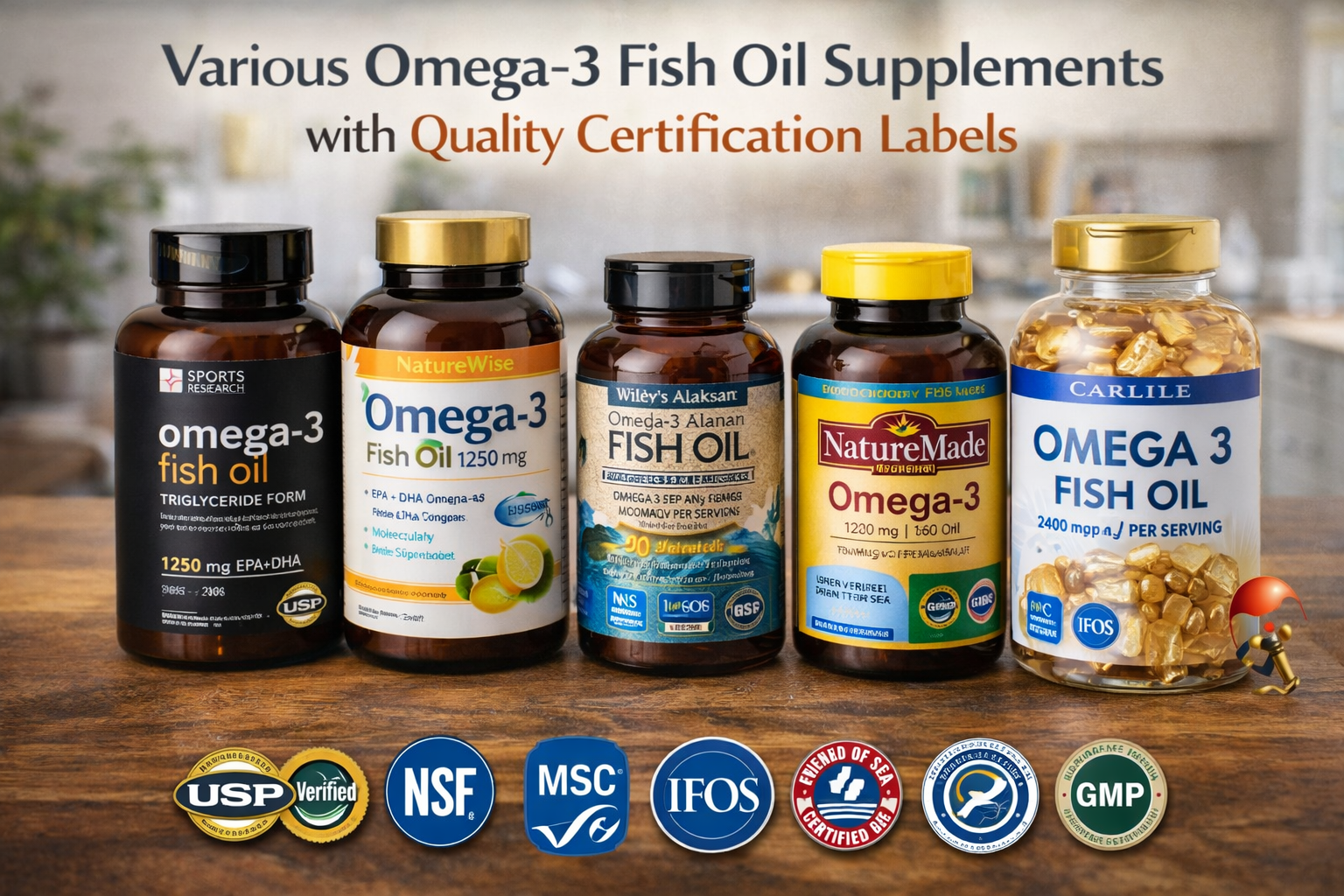
Third-party testing provides independent verification of purity and potency claims. Organisations like IFOS (International Fish Oil Standards) and NSF International test products and publish results, allowing consumers to verify quality claims independently.
How to Choose the Best Omega-3 Fish Oil
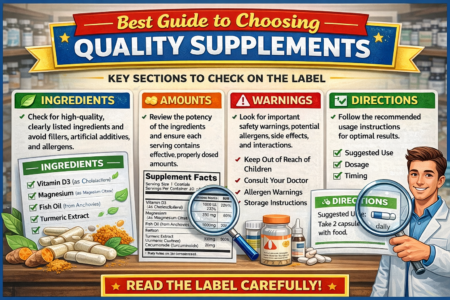
With countless products available, selecting the best omega-3 fish oil requires attention to several key factors. Understanding what to look for in quality supplements helps you navigate the options more effectively.
Key Selection Criteria
Start by examining the EPA and DHA content per serving. Products providing at least 500mg combined EPA and DHA per capsule offer better value than low-concentration alternatives requiring multiple capsules to achieve meaningful doses.
Look for third-party testing verification. Reputable brands display certification logos and provide access to test results. This transparency indicates commitment to quality and gives you confidence in what you’re actually getting.
Consider the source species. Fish oil derived from small, short-lived fish like anchovies and sardines typically contains fewer accumulated contaminants than oil from larger, longer-lived species. Sustainable sourcing certifications add another layer of assurance.
✓ Quality Indicators to Look For
- EPA + DHA content clearly stated (not just “fish oil”)
- Third-party testing (IFOS, NSF, or equivalent)
- Triglyceride or re-esterified triglyceride form
- Sustainable sourcing certification (MSC, Friend of the Sea)
- Freshness date and proper storage instructions
- No strong fishy odour when opening the bottle
Matching Products to Goals
Different health objectives may call for different product characteristics. General wellness supplementation might be well-served by moderate-concentration products providing 500-1000mg combined omega-3s daily.
Specific therapeutic goals often require higher doses, sometimes reaching 2-4 grams of EPA and DHA daily. These applications typically warrant products with higher concentrations to keep capsule counts manageable. Always consult your healthcare provider before using therapeutic doses.
Beneficial Nutrient Pairings
Omega-3 fish oil often works well alongside other nutrients, with certain combinations potentially enhancing overall benefits. Understanding these relationships helps you design a more effective supplementation strategy.
| Combination | Synergy Type | Why It Works | Evidence |
|---|---|---|---|
| Omega-3 + Vitamin D | 🔄 Absorption | Fish oil fats enhance vitamin D absorption; both support cardiovascular and immune health | ⭐⭐⭐ |
| Omega-3 + Vitamin E | 🛡️ Protection | Vitamin E protects omega-3s from oxidation; supports antioxidant function | ⭐⭐⭐ |
| Omega-3 + Curcumin | 🔗 Cofactor | Both support healthy inflammatory response through complementary mechanisms | ⭐⭐ |
| Omega-3 + CoQ10 | ⚡ Activation | Both support cardiovascular function; may enhance cellular energy production | ⭐⭐ |
Like a lock and key fitting together, omega-3s enhance the absorption of fat-soluble nutrients including vitamins A, D, E, and K. Taking these supplements with your fish oil may improve their bioavailability compared to taking them separately on an empty stomach.
Learning about vitamin D and its health benefits reveals why this pairing makes particular sense. Both nutrients support overlapping aspects of cardiovascular and immune health, and the fish oil helps your body absorb vitamin D more effectively.
Evidence Snapshot
| Health Claim | Evidence Level | Summary |
|---|---|---|
| Reduces triglycerides | Strong | Consistent reductions at 2-4g daily; effect size 15-30% |
| Supports heart health | Moderate | Benefits vary by population; stronger in those with existing risk factors |
| Brain development (pregnancy) | Strong | DHA accumulates in developing brain; adequate intake recommended |
| Adult cognitive function | Emerging | Mixed results; may benefit those with low baseline intake |
| Joint comfort | Moderate | Modest improvements at higher doses; effects build over time |
| Eye health (DHA) | Moderate | DHA concentrated in retina; may support overall eye health |
🩺 Expert Note
While omega-3 fish oil shows promise across multiple health areas, individual responses vary considerably. Factors like baseline omega-3 status, overall diet quality, and specific health conditions influence outcomes. Those with cardiovascular disease, bleeding disorders, or taking blood-thinning medications should consult their GP before starting supplementation, as omega-3s can affect blood clotting at higher doses.
Safety Considerations and Precautions
Omega-3 fish oil is generally well-tolerated, but understanding potential concerns helps ensure safe and effective use. Most people experience few issues at standard supplementation doses, though certain situations warrant additional caution.
Common Side Effects
Digestive symptoms represent the most frequently reported issues with fish oil supplementation. These may include fishy aftertaste, burping, nausea, or loose stools. Taking supplements with meals often reduces these effects, as does starting with lower doses and gradually increasing.
Freezing fish oil capsules before taking them can minimise fishy burps by delaying their breakdown until they reach the intestines. Enteric-coated formulations achieve a similar effect through their design.
Important Interactions
| Combination | Risk Level | Interaction | Recommendation |
|---|---|---|---|
| Omega-3 + Warfarin | MODERATE | May enhance anticoagulant effect | Consult GP; monitor INR closely |
| Omega-3 + Blood pressure meds | LOW | Additive blood pressure reduction | Monitor blood pressure; adjust if needed |
| Omega-3 + Aspirin | LOW | Mild additive effect on bleeding | Generally safe at standard doses |
| Omega-3 + Surgery | MODERATE | Potential increased bleeding risk | Stop 1-2 weeks before; consult surgeon |
Who Should Be Cautious
Individuals taking blood-thinning medications require particular attention when considering fish oil supplementation. While standard doses rarely cause problems, higher doses can enhance anticoagulant effects, potentially increasing bleeding risk.
Those scheduled for surgery should inform their healthcare providers about fish oil use. Many surgeons recommend discontinuing supplementation one to two weeks before procedures to minimize bleeding complications.
People with fish or shellfish allergies should approach fish oil cautiously. While highly purified supplements may be tolerated, the safest approach involves consulting an allergist before use.
⚠️ Important: Studies have used doses ranging from 1 to 4 grams of combined EPA and DHA daily for various health outcomes. Always follow product label directions and consult your GP before exceeding standard supplementation doses, particularly if you take medications or have underlying health conditions.
Frequently Asked Questions
How much omega-3 should I take daily?
For general health maintenance, most guidelines suggest 250-500mg of combined EPA and DHA daily, achievable through regular fatty fish consumption or a standard fish oil supplement. Specific health goals may warrant higher doses—studies have used 1-4 grams daily for cardiovascular benefits and joint health. However, doses above 1 gram should be discussed with your healthcare provider, particularly if you take medications that affect blood clotting.
Can I get enough omega-3 from diet alone?
Eating fatty fish like salmon, mackerel, sardines, or herring two to three times weekly can provide meaningful omega-3 amounts for many people. A typical 100-gram salmon serving delivers roughly 1.5-2 grams of EPA and DHA. However, many people don’t consume fish this regularly, making supplementation a practical alternative. Plant sources like walnuts and flaxseed provide ALA, which your body converts to EPA and DHA—though this conversion is relatively inefficient.
What’s the difference between fish oil and cod liver oil?
Standard fish oil comes from the body tissue of fatty fish and primarily provides EPA and DHA. Cod liver oil, derived specifically from cod livers, contains omega-3s plus significant amounts of vitamins A and D. This makes cod liver oil a multitasking supplement but also limits how much you can safely take—vitamin A can accumulate to toxic levels at high doses. For higher omega-3 intake without vitamin concerns, standard fish oil is typically preferred.
How long before I notice benefits from fish oil?
Omega-3s integrate gradually into cell membranes throughout your body, so benefits develop over time rather than appearing immediately. Triglyceride effects may become measurable within 2-4 weeks of consistent use. Cardiovascular and cognitive benefits typically require several months of regular supplementation to assess. Individual responses vary considerably based on baseline omega-3 status, dosage, and specific health factors.
Should I refrigerate my fish oil supplements?
Refrigeration can help maintain freshness and extend shelf life, particularly after opening. The cold environment slows oxidation, which degrades omega-3s over time. Some people also find that refrigerated capsules cause fewer digestive issues. However, quality products stored in a cool, dark cupboard away from heat sources typically remain stable until their expiration dates. Check your specific product’s storage recommendations.
Is it safe to take fish oil during pregnancy?
Most healthcare providers consider fish oil supplementation safe and potentially beneficial during pregnancy, as DHA supports foetal brain and eye development. Many prenatal supplements include DHA for this reason. However, quality matters particularly during pregnancy—choose products specifically tested for purity and free from contaminants like mercury and PCBs. Discuss supplementation with your midwife or GP, especially if you consume little to no fish in your regular diet.
Final Thoughts
Omega-3 fish oil represents one of the more thoroughly researched dietary supplements available, with potential benefits spanning cardiovascular health, cognitive function, and inflammatory balance. The key lies in choosing quality products that deliver meaningful amounts of EPA and DHA from verified sources.
When selecting a fish oil supplement, prioritize products that clearly state their EPA and DHA content, carry third-party testing certifications, and come from reputable manufacturers. Higher concentration formulations often prove more cost-effective despite higher per-bottle prices, reducing the number of capsules needed to achieve target doses.
Remember that supplements work best as part of a broader approach to health. Omega-3s complement—rather than replace—a balanced diet, regular physical activity, and appropriate medical care. For those interested in exploring other nutrients that support cognitive function, combining evidence-based supplements thoughtfully may offer additional value.
As with any supplement decision, consulting your GP makes sense if you take medications, have existing health conditions, or are pregnant or breastfeeding. With the right product and realistic expectations, omega-3 fish oil can be a valuable addition to your health regimen.
Sources
- NHS — Omega-3 Fish Oil Information
- NIH Office of Dietary Supplements — Omega-3 Fatty Acids Fact Sheet
- PubMed — Omega-3 and Cardiovascular Health Research
- Mayo Clinic — Fish Oil Benefits
- Harvard Health — Omega-3 Fatty Acids
- Examine — Fish Oil Evidence Summary
- Cleveland Clinic — Omega-3 Fatty Acids
Written by Arsim Rama
Health Content Specialist · 5+ years in nutrition research
Arsim Rama specialises in translating complex nutrition science into practical, evidence-based guidance. His work focuses on supplement safety, efficacy, and helping readers make informed health decisions.
🩺 Medically Reviewed By: Mavran Todl, Clinical Nutrition Specialist
Last medical review:
Affiliate Disclosure: This article may contain affiliate links. If you purchase through these links, we may earn a small commission at no extra cost to you. We only recommend products we genuinely believe in and have researched thoroughly.
Medical Disclaimer: This article is for educational purposes only and does not constitute medical advice. Always consult your GP or qualified healthcare professional before making changes to your health regimen, especially if you take medications or have existing health conditions.
© 2026 Paulinna. All rights reserved.