
Quick Answer: Multivitamins may benefit people with genuine nutritional gaps—including older adults, those with restricted diets, pregnant women, and individuals with absorption issues. However, for healthy adults eating a varied diet, evidence for broad health benefits remains mixed. The key is understanding whether you have specific needs that a multivitamin can address, choosing quality formulations, and being aware of potential risks like nutrient excess or medication interactions.
Multivitamins remain the most popular dietary supplement in the UK, with millions of people taking them daily as nutritional insurance. Yet the question persists: are they genuinely beneficial, potentially harmful, or simply expensive placebos? The answer, as with most things in nutrition, depends entirely on individual circumstances.
This guide cuts through the marketing claims and contradictory headlines to examine what research actually shows about multivitamin supplementation. We’ll explore the proven benefits for specific populations, the genuine risks that warrant caution, and how to determine whether you’re someone who stands to benefit—or someone who might be better served spending that money on quality food.
Understanding multivitamins requires nuance. They’re neither the miracle pills some advertisements suggest nor the worthless tablets critics dismiss. For certain people in certain situations, they provide meaningful nutritional support. For others, they offer little beyond peace of mind. By the end of this guide, you’ll have the information needed to make an evidence-based decision for your own circumstances.
We’ll also examine how the nutrients within multivitamins interact—some combinations enhance absorption and effectiveness, while others compete or interfere. This knowledge helps you evaluate product formulations and understand why some multivitamins work better than others.

🎬 Watch: Frequently Asked Questions.
📜 Prefer reading? Scroll down for detailed explanations.
Do Multivitamins Actually Work? What Research Shows
The evidence on multivitamins is genuinely mixed, which explains why you’ll find experts on both sides of the debate. Large-scale trials have produced results that range from modestly positive to essentially neutral, depending on what outcomes researchers measured and which populations they studied.
The Physicians’ Health Study II, one of the largest and longest multivitamin trials, followed nearly 15,000 male doctors for over a decade. Results showed a modest 8% reduction in total cancer incidence among those taking a daily multivitamin compared to placebo—statistically significant but not dramatic. However, the same study found no meaningful effect on cardiovascular disease or cognitive decline.
Other major trials, including the Women’s Health Initiative, found no significant benefits for heart disease, cancer, or mortality in generally healthy, well-nourished women taking multivitamins. Critics of multivitamins often cite these studies as evidence that supplementation is unnecessary for those eating reasonably balanced diets.
However, these population-wide studies may obscure benefits in specific subgroups. Someone with genuinely inadequate nutrient intake stands to benefit far more than someone already meeting their needs through food. The problem with large trials is that they average results across diverse populations, potentially missing meaningful effects in those who actually need supplementation.
What we can say with reasonable confidence: multivitamins don’t appear to be miracle pills preventing major diseases in well-nourished populations, but they may help correct deficiencies and support health in those with genuine nutritional gaps. The question becomes whether you fall into the latter category.
Proven Benefits of Multivitamin Supplementation
Despite the mixed evidence for general populations, multivitamins offer clear benefits in specific circumstances. Understanding these helps you assess whether supplementation makes sense for you.
Correcting nutritional deficiencies represents the most straightforward benefit. If you’re not getting enough of certain vitamins or minerals through diet—whether due to food restrictions, appetite issues, or absorption problems—a multivitamin can fill those gaps. Blood tests can identify deficiencies in nutrients like vitamin D, B12, iron, and folate.
Pregnancy and conception provide perhaps the strongest evidence for multivitamin benefit. Prenatal vitamins containing folic acid dramatically reduce neural tube defects when taken before and during early pregnancy. They also provide iron, which demands increase significantly during pregnancy, and other nutrients supporting foetal development.
Older adults often benefit from multivitamins due to decreased appetite, reduced nutrient absorption, and dietary limitations. Vitamin B12 absorption declines with age as stomach acid production decreases. Vitamin D synthesis from sunlight becomes less efficient. Medications commonly used by older adults can further deplete nutrients.
Restricted diets—whether by choice (vegan, vegetarian) or necessity (food allergies, medical conditions)—create specific nutritional challenges that multivitamins can help address. Vegans require B12 supplementation, for instance, while those avoiding dairy may need calcium and vitamin D support.
✓ Proven Benefits
- Corrects identified nutritional deficiencies
- Reduces neural tube defects during pregnancy
- Supports nutrient needs in older adults
- Fills gaps in restricted diets
- May modestly reduce cancer risk (some evidence)
- Supports recovery from illness or surgery
- Provides nutritional insurance during stressful periods
✗ Unproven Claims
- No proven benefit for heart disease prevention
- Doesn’t reliably prevent cognitive decline
- Won’t compensate for consistently poor diet
- Doesn’t extend lifespan in healthy populations
- Won’t “boost energy” if you’re not deficient
- Cannot replace the benefits of whole foods
- Excess doesn’t provide extra benefit
For a deeper look at one key nutrient often included in multivitamins, our guide on vitamin D benefits and sources explores why this particular vitamin warrants attention for most UK residents.
Potential Risks and Side Effects to Consider
While multivitamins are generally safe at recommended doses, they’re not risk-free. Understanding potential downsides helps you weigh benefits against genuine concerns.
Nutrient excess can occur when multivitamins combine with fortified foods, other supplements, or naturally high dietary intake. Fat-soluble vitamins (A, D, E, K) accumulate in body tissues and can reach toxic levels with chronic over-supplementation. Vitamin A excess during pregnancy is particularly concerning, linked to birth defects—which is why prenatal vitamins use beta-carotene instead of preformed vitamin A.
Iron overload poses a specific risk. Unlike most nutrients, your body has no efficient mechanism for excreting excess iron. People with haemochromatosis (a genetic condition causing iron accumulation) should avoid iron-containing multivitamins entirely. Even without this condition, men and post-menopausal women rarely need supplemental iron. Our comprehensive resource on iron supplements and deficiency signs explains when iron supplementation is genuinely warranted.
Medication interactions affect many multivitamin users. Vitamin K can interfere with blood thinners like warfarin. Calcium and magnesium can reduce absorption of certain antibiotics and thyroid medications. High-dose vitamin E may increase bleeding risk, particularly combined with blood-thinning medications. If you take prescription drugs, discussing supplement use with your pharmacist or GP is essential.
False reassurance represents a psychological risk. Taking a daily multivitamin may create a sense of having “covered” nutritional needs, potentially reducing motivation to improve dietary habits. Supplements cannot replicate the complex matrix of nutrients, fibre, and phytonutrients found in whole foods.
Digestive upset affects some people, particularly with iron-containing formulations or when taken on an empty stomach. Nausea, constipation, and stomach discomfort are the most common complaints. Taking multivitamins with food typically reduces these issues.
⚠️ Important: More is not better with vitamins. Taking multiple supplements containing the same nutrients—or combining supplements with heavily fortified foods—can push intake to potentially harmful levels. Always check total intake across all sources before adding a multivitamin.
Who Benefits Most From Taking Multivitamins
Certain groups have stronger evidence supporting multivitamin use. If you fall into one or more of these categories, supplementation may genuinely benefit your health.
Women planning pregnancy or currently pregnant should take prenatal vitamins containing at least 400 mcg of folic acid, ideally starting before conception. The evidence for preventing neural tube defects is compelling enough that this represents a near-universal recommendation. Prenatal vitamins also provide iron, iodine, and other nutrients with increased demands during pregnancy.
Adults over 50 face age-related changes affecting nutrient status. Stomach acid production decreases, reducing B12 absorption from food. Skin produces less vitamin D from sunlight. Appetite often declines, reducing overall nutrient intake. A daily multivitamin designed for older adults can help address these changes.
People with restricted diets—whether vegan, vegetarian, or eliminating food groups due to allergies or intolerances—may struggle to obtain certain nutrients. Vegans particularly need B12 supplementation, as this vitamin occurs naturally only in animal products. Those avoiding dairy may need calcium and vitamin D support.
Individuals with absorption disorders including coeliac disease, Crohn’s disease, or those who’ve had bariatric surgery often cannot absorb nutrients efficiently even from a nutritious diet. Medical supervision of supplementation is important in these cases, as standard multivitamins may not provide adequate amounts.
People recovering from illness, surgery, or periods of poor nutrition may temporarily benefit from multivitamin support while rebuilding nutrient stores. This applies to those recovering from eating disorders, serious illness, or extended periods of dietary restriction.
| Population Group | Benefit Level | Key Nutrients to Prioritise | Special Considerations |
|---|---|---|---|
| Pregnant/Planning Pregnancy | HIGH | Folic acid, iron, iodine, vitamin D | Avoid excess vitamin A; use prenatal formula |
| Adults Over 50 | HIGH | B12, vitamin D, calcium, B6 | Often don’t need iron; absorption issues common |
| Vegans/Vegetarians | HIGH | B12, vitamin D, iron, zinc, iodine | B12 essential; may need higher iron doses |
| Absorption Disorders | HIGH | Depends on condition and medications | Requires medical supervision; may need higher doses |
| Healthy Adults, Varied Diet | LOW-MODERATE | Vitamin D (UK winters), possibly others | May not need full multivitamin; targeted approach better |
Who Should Avoid or Limit Multivitamins
Not everyone benefits from multivitamins, and some people face genuine risks from standard formulations. Understanding when to avoid or modify multivitamin use protects your health.
People with haemochromatosis or other iron overload conditions should never take iron-containing multivitamins. Even those without diagnosed haemochromatosis but with a family history should be cautious. Iron-free multivitamin formulations exist for those who want supplementation without this risk.
Those taking blood-thinning medications (warfarin, heparin, or novel anticoagulants) need to be careful with vitamin K content. Sudden changes in vitamin K intake can destabilise anticoagulant control. If you take blood thinners, discuss any supplement use with your healthcare provider and maintain consistent intake if you do supplement.
Smokers and former smokers should avoid high-dose beta-carotene supplements. Large trials found increased lung cancer risk in smokers taking supplemental beta-carotene—a concerning finding that reversed the assumption that antioxidant supplementation would be protective. Most standard multivitamins contain modest beta-carotene amounts, but those formulated with very high doses warrant caution.
People undergoing cancer treatment should consult their oncologist before taking any supplements. Some antioxidants may theoretically interfere with certain cancer treatments (though evidence is mixed). The precautionary approach is to discuss all supplement use with your treatment team.
Those with kidney disease need careful monitoring of certain nutrients, particularly vitamins A and D, which can accumulate to harmful levels when kidney function is impaired. Standard multivitamin doses may not be appropriate; specialised formulations or medical guidance is warranted.
Healthy adults eating varied, nutritious diets may simply not need a multivitamin. If you regularly consume fruits, vegetables, whole grains, quality proteins, and dairy or fortified alternatives, you’re likely meeting most nutrient needs through food. The exception is vitamin D, which most UK adults should consider supplementing regardless of diet quality.

How to Compare Multivitamin Formulations
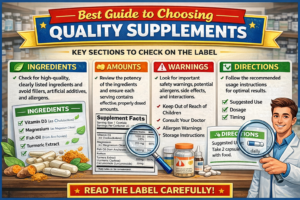
Not all multivitamins are created equal. Formulations vary dramatically in nutrient content, forms, dosages, and quality. Understanding what to look for helps you choose products that actually deliver value.
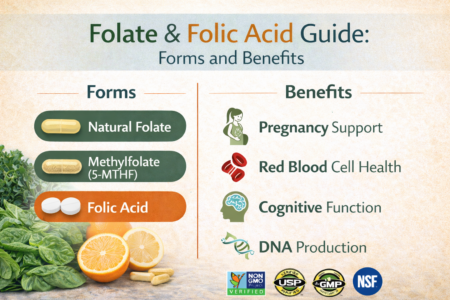
Nutrient forms matter significantly for absorption and effectiveness. Vitamin D3 (cholecalciferol) is more effective than D2 (ergocalciferol) for raising blood levels. Methylcobalamin is the active form of B12, though cyanocobalamin works for most people. Methylfolate may be preferable to folic acid for those with MTHFR gene variants affecting folate metabolism. Look for chelated minerals (like magnesium glycinate or zinc picolinate) for better absorption than oxide forms.
Dosages should be appropriate—not excessive. Many multivitamins provide 100% of reference nutrient intakes, which is reasonable for most nutrients. Be cautious of products providing extremely high percentages (500%, 1000%, or more) of water-soluble vitamins—you’ll excrete most of the excess. More concerning are high doses of fat-soluble vitamins and minerals that can accumulate.
Check what’s included—and what’s missing. Standard multivitamins often contain little calcium or magnesium because these minerals are bulky and would make pills too large. If these are your primary concerns, you may need separate supplements. Similarly, omega-3 fatty acids and probiotics typically require separate products.
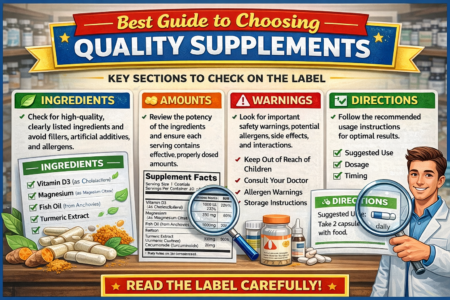
Third-party testing certifications (NSF International, USP, ConsumerLab, Informed Sport) verify that products contain what labels claim and are free from contaminants. The supplement industry isn’t tightly regulated, and independent testing provides quality assurance that manufacturer claims alone cannot.
Age and sex-specific formulations often make sense. Men’s formulas typically exclude iron (unnecessary for most men). Women’s formulas may include more iron and folic acid. Over-50 formulations often emphasise B12 and vitamin D while reducing iron. Prenatal vitamins are specifically designed for pregnancy needs.
| Feature | Budget Formulas | Mid-Range Formulas | Premium Formulas |
|---|---|---|---|
| Vitamin D Form | D2 or low-dose D3 | D3 (10–25 mcg) | D3 (25+ mcg) |
| B12 Form | Cyanocobalamin | Cyanocobalamin or Methylcobalamin | Methylcobalamin/Adenosylcobalamin |
| Folate Form | Folic Acid | Folic Acid | Methylfolate (5-MTHF) |
| Mineral Forms | Oxides | Mixed (some chelated) | Chelated/Glycinate forms |
| Third-Party Testing | Rarely | Sometimes | Usually (NSF, USP, etc.) |
| Typical Daily Cost | £0.05–0.15 | £0.20–0.40 | £0.50–1.00+ |
For comprehensive information about B vitamins commonly found in multivitamins, our complete B vitamins guide explores individual B vitamins, their functions, and signs of deficiency.
Beneficial Nutrient Combinations in Multivitamins
One advantage of multivitamins is that they combine nutrients that work synergistically. Understanding these interactions helps you appreciate why certain combinations appear together—and evaluate whether a formulation is well-designed.
Vitamin D and calcium represent the classic synergistic pairing. Vitamin D dramatically increases calcium absorption in the intestines—without adequate vitamin D, you absorb only 10–15% of dietary calcium, compared to 30–40% with sufficient vitamin D. Most multivitamins include both, though calcium amounts are typically modest due to the mineral’s bulk.
Vitamin C and iron work together to enhance iron absorption. The vitamin C converts iron to a form more easily absorbed in the gut, potentially doubling or tripling uptake. This pairing is particularly valuable for those with iron deficiency or those relying on plant-based iron sources, which are inherently less bioavailable.
B12 and folate are metabolically interlinked, both essential for DNA synthesis and red blood cell formation. Deficiency in either causes similar anaemia symptoms, and they’re often found together in multivitamins. Importantly, high folate intake can mask B12 deficiency symptoms while nerve damage progresses—another reason these nutrients belong together under proper medical awareness.
Zinc and copper require balance. High zinc intake can deplete copper over time by competing for absorption. Well-formulated multivitamins include both minerals in appropriate ratios (typically 10–15:1 zinc to copper) to prevent imbalance from occurring with long-term use.
| Combination | Synergy Type | Why It Works | Evidence Level |
|---|---|---|---|
| Vitamin D + Calcium | 🔄 Absorption | Vitamin D increases intestinal calcium absorption by 2–4 times | ⭐⭐⭐ Strong |
| Vitamin C + Iron | 🔄 Absorption | Vitamin C reduces iron to ferrous form, enhancing gut uptake | ⭐⭐⭐ Strong |
| Vitamin B12 + Folate | 🔗 Cofactor | Both required for methylation cycle and red blood cell production | ⭐⭐⭐ Strong |
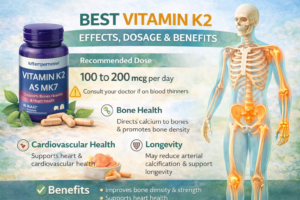
| Vitamin D + Vitamin K2 | 🔗 Cofactor | K2 activates proteins directing calcium (increased by D) into bones | ⭐⭐ Moderate |
| Zinc + Copper (balanced) | ⚖️ Balance | Prevents zinc-induced copper depletion with long-term use | ⭐⭐⭐ Strong |
| Vitamin E + Selenium | 🛡️ Protection | Both function as antioxidants; selenium regenerates vitamin E | ⭐⭐ Moderate |
Learn more about vitamin C’s role in iron absorption and other benefits in our vitamin C benefits and dosage guide.
Products Worth Considering
Selecting a multivitamin involves balancing quality, appropriateness for your needs, and budget. The following represent types of formulations aligned with the quality markers discussed in this guide—though individual needs vary, so these serve as starting points for your research.
Complete Daily Multivitamin
A comprehensive daily multivitamin providing essential vitamins and minerals in well-absorbed forms. Suitable for adults seeking broad nutritional coverage without excessive mega-doses of any single nutrient.
- Vitamin D3 at 25 mcg (1,000 IU) for UK needs
- B vitamins in active methylated forms
- Chelated minerals for improved absorption
- Balanced zinc-to-copper ratio
- Third-party tested for purity and potency
Women’s/Men’s Targeted Multivitamin
Sex-specific formulations addressing different nutritional priorities. Women’s versions typically include iron and higher folate; men’s versions exclude iron and may emphasise prostate-supportive nutrients like zinc and selenium.
- Formulated for specific physiological needs
- Appropriate iron levels (included for women, excluded for men)
- Key nutrients at research-supported doses
- Free from artificial colours and unnecessary additives
- Age-appropriate variants available (50+, prenatal)
Safety Considerations and Precautions
While multivitamins are among the safest supplements when used appropriately, understanding potential interactions and contraindications protects your health. This section consolidates the safety information for quick reference.
Always inform your GP and pharmacist about multivitamin use, particularly if you take prescription medications. Many nutrients can interact with drugs in ways that affect medication efficacy or create adverse effects. This is especially important for blood thinners, thyroid medications, antibiotics, and cancer treatments.
Watch for duplication if you take multiple supplements. If you use a multivitamin plus individual supplements (like extra vitamin D or B12), calculate total intake across all products. Some nutrients—particularly fat-soluble vitamins—can accumulate to problematic levels with excessive supplementation.
Choose appropriate formulations for your situation. Men and post-menopausal women should generally select iron-free multivitamins. Those on blood thinners need stable or low vitamin K content. Pregnant women require prenatal-specific formulations.
| Situation/Combination | Risk Level | Concern | Recommendation |
|---|---|---|---|
| Multivitamin (with K) + Warfarin | HIGH | Vitamin K affects anticoagulant control | Discuss with GP; maintain consistent K intake |
| Multivitamin (with iron) + Haemochromatosis | HIGH | Iron accumulation causes organ damage | Use iron-free formulations only |
| High-dose multivitamin + Kidney disease | HIGH | Fat-soluble vitamins accumulate; mineral imbalances | Requires medical supervision; specialised formulas |
| Multivitamin + Thyroid medication (levothyroxine) | MODERATE | Calcium, iron, magnesium reduce absorption | Take thyroid medication 4 hours before multivitamin |
| Multivitamin + Certain antibiotics | MODERATE | Minerals can bind antibiotics, reducing effectiveness | Separate by 2+ hours; check with pharmacist |
| Prenatal vitamin (with iron) + Constipation tendency | LOW | Iron may worsen constipation | Increase fibre/fluids; consider gentler iron forms |
🚨 Warning: If you experience unusual symptoms after starting a multivitamin—such as skin rash, difficulty breathing, severe digestive upset, or changes in urine colour beyond the harmless bright yellow from riboflavin—discontinue use and consult your GP. Allergic reactions to supplement ingredients, while uncommon, do occur.
For detailed information on zinc supplementation and immune health, including dosing and interactions, our zinc supplements guide provides comprehensive coverage.

Frequently Asked Questions
Should I take a multivitamin every day or can I skip days?
Consistency generally works better than sporadic use, though occasionally missing a day isn’t problematic. Water-soluble vitamins (B vitamins, vitamin C) don’t accumulate significantly, so daily intake helps maintain steady levels. Fat-soluble vitamins (A, D, E, K) store in body tissues, so missing occasional doses matters less. If you struggle with daily compliance, some evidence suggests that taking a multivitamin every other day still provides benefits, though daily use remains the standard recommendation.
Is it better to take multivitamins in the morning or evening?
Most people do well taking multivitamins with breakfast, as this establishes a consistent routine and provides food to aid absorption of fat-soluble vitamins. However, iron-containing multivitamins can cause nausea in some people if taken early; these individuals may tolerate evening doses better. B vitamins occasionally affect sleep in sensitive individuals due to their role in energy metabolism—if you notice sleep difficulties, try switching to morning dosing. Ultimately, the best time is whenever you’ll take it consistently.
Can I take a multivitamin with coffee or tea?
Yes, though with minor caveats. The tannins in tea and compounds in coffee can modestly reduce iron absorption if consumed simultaneously. If you’re taking a multivitamin specifically for iron or have known iron deficiency, waiting 30–60 minutes after your morning coffee or tea before taking your supplement optimises iron uptake. For most people without iron concerns, this interaction isn’t significant enough to change behaviour. Other nutrients in multivitamins aren’t meaningfully affected by coffee or tea.
Are expensive multivitamins actually better than cheap ones?
Sometimes, but not always. Price differences often reflect better-absorbed nutrient forms (methylfolate vs folic acid, chelated minerals vs oxides), third-party testing, exclusion of artificial additives, and targeted formulations. However, some premium pricing is purely marketing. A mid-range multivitamin with good forms and third-party testing often provides excellent value. The cheapest options may use poorly absorbed forms and lack quality verification, while the most expensive may not justify their premium. Reading labels and looking for certifications matters more than price alone.
Do I still need a multivitamin if I eat a healthy diet?
Possibly not—though vitamin D remains an exception for most UK residents. If you consistently eat varied fruits, vegetables, whole grains, quality proteins, dairy or fortified alternatives, nuts, and seeds, you’re likely meeting most nutrient needs through food. The main exceptions are vitamin D (difficult to obtain through diet, especially in UK winters), and B12 for those eating limited or no animal products. Rather than a full multivitamin, you might benefit more from targeted single-nutrient supplements addressing specific gaps identified through diet assessment or blood testing.
Can multivitamins cause weight gain?
No—multivitamins contain negligible calories and no mechanism exists for vitamins or minerals to directly cause fat accumulation. However, correcting certain deficiencies (particularly iron or B12) can restore normal energy levels and appetite, potentially affecting eating patterns. Some people report feeling hungrier when they start supplementing, possibly because improved nutrient status normalises appetite signals that were previously suppressed. If you’re concerned about weight, focus on dietary patterns rather than worrying about supplement effects, as multivitamins themselves are weight-neutral.
Final Thoughts
Multivitamins occupy a complicated space in nutrition—neither the miracle pills of advertising nor the useless tablets of sceptics’ dismissals. Their value depends entirely on individual circumstances: your diet, age, health status, and specific nutritional gaps.
For pregnant women, older adults, those with restricted diets, and people with absorption challenges, quality multivitamins can provide meaningful nutritional support backed by solid evidence. For healthy adults eating varied, nutritious diets, the benefit is less clear—and money might be better spent on food quality than supplements.
If you choose to take a multivitamin, quality matters. Look for appropriate forms of key nutrients, sensible (not excessive) dosing, third-party testing, and formulations matching your demographic needs. Avoid products with mega-doses, and be cautious about duplicating nutrients across multiple supplements.
Perhaps most importantly, view multivitamins as what they are: supplements, not replacements. They work best as part of a broader approach to health that includes nutritious eating, regular movement, adequate sleep, and medical care when needed. No pill compensates for consistently poor lifestyle choices, but the right supplement can fill genuine gaps when diet alone falls short.
If you’re uncertain whether multivitamins make sense for you, consider discussing your diet and health status with your GP or a registered dietitian. They can help identify specific deficiencies through blood testing and recommend targeted supplementation rather than a “take everything” approach. Personalised guidance nearly always outperforms generic recommendations.
✓ Key Takeaways
- Multivitamins benefit specific groups: pregnant women, older adults, restricted diets, absorption disorders
- Evidence is mixed for healthy adults eating varied diets—vitamin D supplementation may be sufficient
- Risks include nutrient excess, medication interactions, and false reassurance about diet quality
- Quality formulations use well-absorbed nutrient forms and appropriate (not excessive) doses
- Third-party testing (NSF, USP, ConsumerLab) provides quality assurance
- Age and sex-specific formulations address different nutritional priorities
- Always inform your GP about supplement use, especially if taking medications
Sources
- NHS. “Vitamins, supplements and nutrition in pregnancy.” NHS Choices. NHS — Multivitamins
- NIH Office of Dietary Supplements. “Multivitamin/Mineral Supplements Fact Sheet.” NIH ODS. NIH ODS — All Fact Sheets
- National Institutes of Health. “Multivitamin Efficacy Randomized Trials.” PubMed. PubMed — Multivitamin Efficacy Trials
- Mayo Clinic. “Multivitamins: Helpful or harmful?” Mayo Clinic. Mayo Clinic — Multivitamin Supplements
- Harvard T.H. Chan School of Public Health. “Should I Take a Daily Multivitamin?” Harvard Health. Harvard Health — Multivitamins
- Examine.com. “Multivitamin Research Analysis.” Examine. Examine — Multivitamin
Written by Arsim Rama
Health Content Specialist · Last reviewed: January 2026
Affiliate Disclosure: This article may contain affiliate links. If you purchase through these links, we may earn a small commission at no extra cost to you. We only recommend products we believe in.
Medical Disclaimer: This article is for educational purposes only and does not constitute medical advice. Always consult your GP or qualified healthcare professional before making changes to your health regimen.