

Quick Answer: Iodine is an essential mineral your body cannot produce on its own. It’s vital for thyroid hormone production, which regulates metabolism, supports brain development, and maintains energy levels throughout life.
🎬 Watch: How to maximise absorption and avoid common pitfalls with your daily dose.
📜 Prefer reading: Scroll down for detailed explanations of each stress-reduction technique.
🎯 Key Takeaways
- ✓ Adults need 150 micrograms of iodine daily, with higher requirements during pregnancy and breastfeeding
- ✓ Iodine deficiency affects nearly 2 billion people worldwide and is the leading preventable cause of intellectual disabilities
- ✓ Best dietary sources include seaweed, fish, dairy products, and iodised salt
- ✓ Both too little and too much iodine can disrupt thyroid function, making balanced intake essential
Editorial Note: This article provides general health information based on peer-reviewed research. It is not a substitute for professional medical advice. Always consult a qualified healthcare provider before making changes to your diet or supplement regimen.
📖 In This Article
Introduction
Iodine is an essential mineral that plays a foundational role in human health, yet many people remain unaware of its importance. According to the World Health Organization, iodine deficiency remains a significant public health concern, affecting approximately 2 billion people globally—including populations in developed nations like the United Kingdom. Without adequate iodine, your thyroid cannot produce the hormones necessary for metabolism, growth, and cognitive function.
The consequences of insufficient iodine intake extend far beyond fatigue and weight gain. During pregnancy and early childhood, iodine deficiency can lead to irreversible developmental delays and reduced IQ. Even mild deficiency in adults may contribute to thyroid dysfunction, impaired concentration, and reduced energy levels. Understanding this essential mineral is the first step toward protecting your long-term health.
In this comprehensive guide, you’ll learn exactly what iodine does in your body, how to recognise deficiency symptoms, which foods provide the richest sources, and whether supplementation might benefit you. We’ll examine the latest scientific research and provide practical tips for optimising your iodine intake safely.

What Is Iodine?
Iodine is a trace element—a mineral your body requires in small but essential amounts. According to the NHS, iodine is found naturally in seawater and certain soils, which is why seafood and crops grown in iodine-rich regions provide the best dietary sources. Your body cannot synthesise iodine, making dietary intake absolutely necessary.
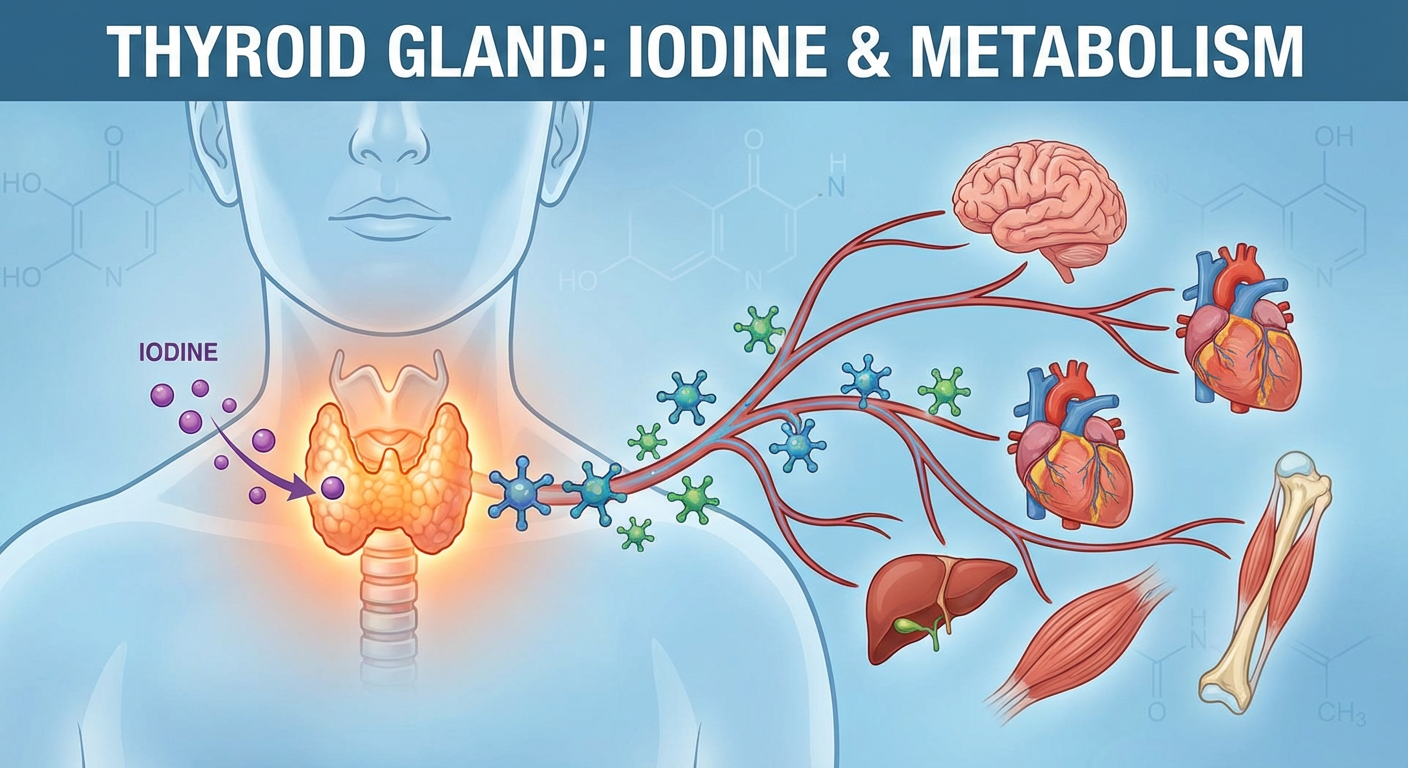
The thyroid gland, located at the base of your neck, actively concentrates iodine from your bloodstream. It uses this iodine to manufacture thyroid hormones—primarily thyroxine (T4) and triiodothyronine (T3). These hormones influence virtually every cell in your body, controlling how quickly you burn calories, how your heart beats, and how your brain develops and functions.
| Population Group | Daily Requirement (mcg) | Upper Safe Limit (mcg) |
|---|---|---|
| Adults (19+ years) | 150 | 600 |
| Pregnant women | 200-250 | 600 |
| Breastfeeding women | 200-250 | 600 |
| Children (1-8 years) | 90 | 300 |
How Iodine Works in Your Body
When you consume iodine through food or supplements, it’s absorbed in your stomach and small intestine, then transported via your bloodstream to the thyroid gland. The thyroid actively traps iodine using specialised protein transporters, concentrating it to levels 20-40 times higher than in your blood.
Key Functions of Iodine:
- Thyroid hormone synthesis: Iodine atoms are incorporated into T4 and T3 hormones, which regulate metabolism in every cell
- Metabolic rate regulation: Thyroid hormones determine how efficiently your body converts food into energy
- Brain development: Critical during pregnancy and infancy for proper neurological development and cognitive function
- Growth and development: Essential for normal bone and tissue growth, particularly in children and adolescents
Key Benefits of Adequate Iodine Intake
Maintaining optimal iodine levels supports multiple aspects of health. Research consistently demonstrates that adequate iodine intake—whether through diet or appropriate supplementation—provides significant benefits. If you’re interested in supporting your thyroid health naturally, understanding these benefits is essential.
1. Supports Healthy Thyroid Function
Your thyroid requires iodine to produce hormones that regulate metabolism. Studies published in the Lancet Diabetes & Endocrinology confirm that adequate iodine prevents both hypothyroidism and goitre formation. Without sufficient iodine, the thyroid enlarges as it attempts to capture more of this essential mineral from your bloodstream.
2. Promotes Cognitive Function and Mental Clarity
Thyroid hormones directly influence brain function throughout life. Research from the National Institutes of Health indicates that even mild iodine deficiency can impair concentration and cognitive performance in adults. Maintaining adequate levels supports memory, focus, and overall mental sharpness.
3. Supports Healthy Metabolism and Energy Levels
Thyroid hormones control your basal metabolic rate—the energy your body expends at rest. Adequate iodine helps maintain healthy metabolism, supporting stable energy levels and healthy weight management. Those with sluggish thyroid function often experience fatigue and unexplained weight gain.
4. Essential During Pregnancy and Breastfeeding
Iodine requirements increase significantly during pregnancy and lactation. According to WHO guidelines, adequate maternal iodine is critical for foetal brain development. Deficiency during pregnancy remains the world’s leading preventable cause of intellectual disability.
5. Supports Immune System Health
Emerging research suggests iodine plays a role in immune function beyond its thyroid-related effects. Iodine has natural antimicrobial properties and may support the body’s defence mechanisms. The thyroid hormones it helps produce also influence immune cell activity and inflammatory responses.
Risks and Considerations
Signs of Iodine Deficiency
- Unexplained fatigue and weakness
- Unexpected weight gain despite unchanged eating habits
- Feeling cold when others are comfortable
- Dry skin and brittle hair
- Swelling at the front of the neck (goitre)
- Difficulty concentrating or memory problems
- Irregular or heavy menstrual periods
Who Should Be Careful
- Those with existing thyroid conditions: Both hypothyroidism and hyperthyroidism require careful iodine management under medical supervision
- People taking thyroid medications: Supplemental iodine may interfere with medication effectiveness—always consult your GP
- Those with autoimmune thyroid disease: Hashimoto’s thyroiditis patients may be sensitive to excess iodine intake
- Individuals considering high-dose supplements: Excessive iodine (above 600mcg daily) can paradoxically cause thyroid dysfunction
5 Practical Tips for Optimal Iodine Intake
💡 Tip 1: Include Seafood Twice Weekly
Fish and shellfish are among the richest natural sources of iodine. Cod, haddock, prawns, and tinned tuna provide substantial amounts. A 150g portion of cod delivers approximately 170mcg of iodine—exceeding your entire daily requirement.
💡 Tip 2: Choose Dairy Products Daily
Milk, yoghurt, and cheese are reliable iodine sources in the UK diet. A 200ml glass of milk provides roughly 50-80mcg of iodine. For those following plant-based diets, check whether your milk alternatives are fortified with iodine.
💡 Tip 3: Use Iodised Salt Sparingly
If you use table salt, choosing iodised varieties provides additional iodine insurance. However, limit total salt intake to no more than 6g daily as recommended by NHS guidelines. A quarter teaspoon of iodised salt contains approximately 75mcg of iodine.
💡 Tip 4: Consider Seaweed in Moderation
Seaweed (kelp, nori, wakame) contains exceptionally high iodine levels. While beneficial, be cautious—some seaweeds contain iodine levels far exceeding safe limits. Limit brown seaweed consumption to once weekly and avoid kelp supplements unless recommended by your GP.
💡 Tip 5: Supplement Strategically if Needed
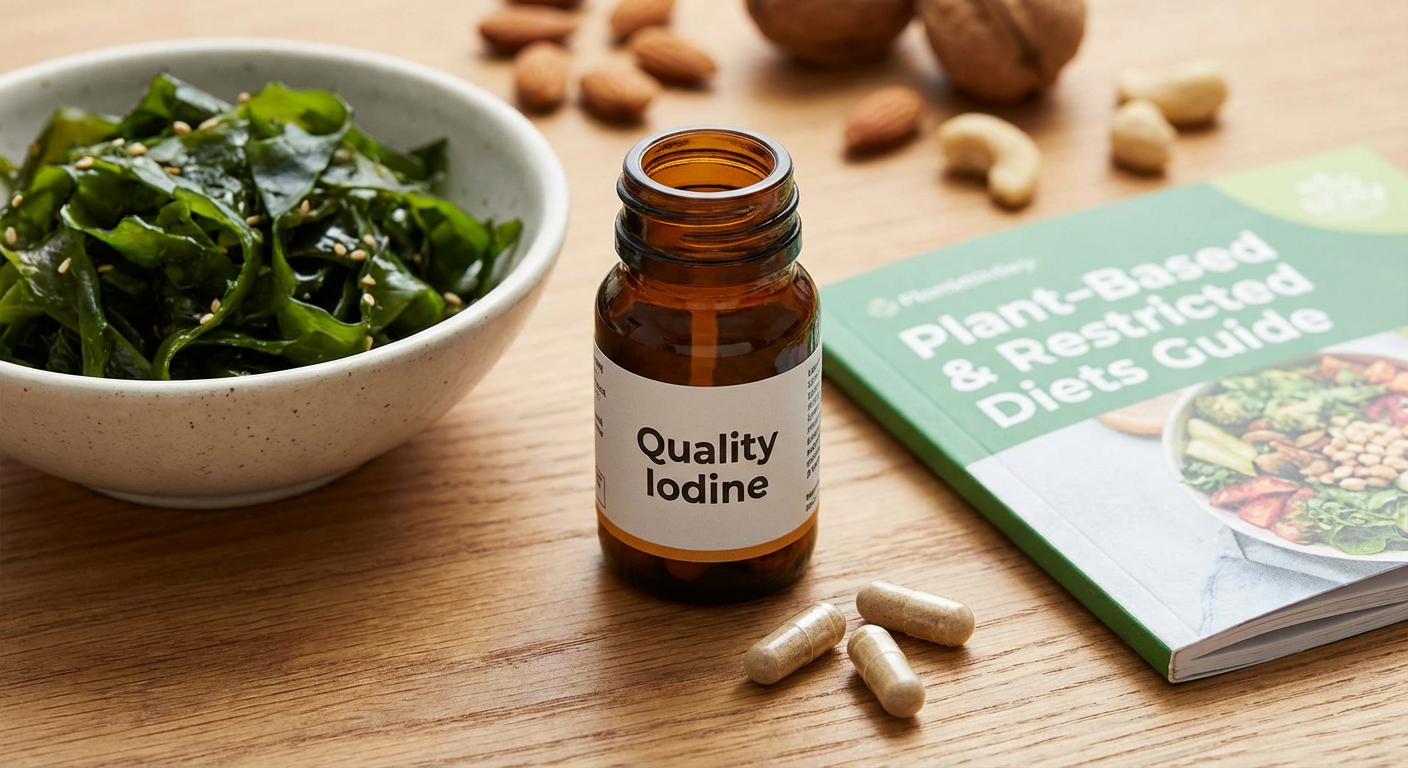
Those at risk of deficiency—including vegans, those avoiding dairy, and pregnant women—may benefit from supplements providing 150mcg of iodine daily. Choose reputable brands and avoid products containing excessive doses unless medically advised.
What Research Shows
Scientific understanding of iodine’s importance has grown substantially over recent decades. Large-scale epidemiological studies and clinical trials have established clear connections between iodine status and multiple health outcomes.
📊 Research Highlights:
- Lancet Diabetes & Endocrinology (2018): Analysis of UK pregnant women found mild-to-moderate iodine deficiency associated with lower verbal IQ scores in offspring at age 8
- European Thyroid Journal (2017): Systematic review confirmed that iodine supplementation during pregnancy improves cognitive outcomes in regions with deficiency
- Nutrients Journal (2018): UK national surveys indicate approximately 50% of teenage girls have suboptimal iodine status, raising concerns for future pregnancies
While these findings underscore iodine’s importance, researchers emphasise that supplementation should be targeted. Blanket recommendations for high-dose iodine supplements are not supported, as excessive intake carries its own risks. The optimal approach involves achieving adequate intake through diet, with modest supplementation reserved for those with documented deficiency or increased requirements.
Summary
Iodine stands as one of the most important yet frequently overlooked essential minerals. Your thyroid depends on adequate iodine to produce hormones that govern metabolism, energy production, cognitive function, and growth. Deficiency remains surprisingly common even in developed nations, particularly among those following plant-based diets, pregnant women, and individuals who limit dairy or seafood consumption.
The good news is that maintaining optimal iodine levels is straightforward with awareness and modest dietary adjustments. Prioritising seafood, dairy products, eggs, and—where appropriate—iodised salt can meet most people’s needs. For those requiring additional support, quality supplements offer a reliable solution when used responsibly.
⚠️ Important: This article is for educational purposes only. Consult your GP or healthcare professional before starting any supplement, especially if you have thyroid conditions or are pregnant.
Our Top Picks
Based on our research, here are 3 iodine supplement options worth considering:

How to Choose
- Check the dosage: Look for supplements providing 150mcg of iodine—matching the adult RDA without exceeding safe limits
- Consider the source: Potassium iodide offers consistent dosing, while kelp-derived iodine provides a more natural option
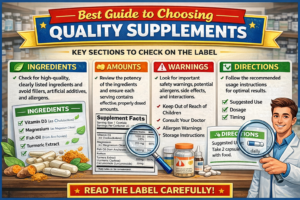
- Verify third-party testing: Reputable brands test for purity and accurate iodine content
- Match your dietary needs: Vegans should confirm capsules are gelatine-free; those with allergies should check for common allergens
Frequently Asked Questions
How do I know if I’m getting enough iodine?
A urinary iodine test can assess your status, though this is rarely needed for most people. Consuming dairy, seafood, or eggs regularly typically ensures adequate intake. Persistent fatigue, unexplained weight gain, or feeling cold may indicate deficiency.
Can I take too much iodine?
Yes. Excessive iodine intake (above 600mcg daily) can paradoxically cause thyroid dysfunction, including both hyperthyroidism and hypothyroidism. Avoid high-dose supplements unless specifically recommended by your doctor.
Are vegans at higher risk of iodine deficiency?
Yes. Plant-based diets typically provide less iodine since major sources include seafood and dairy. Vegans should consume iodine-fortified foods, seaweed in moderation, or consider a supplement providing 150mcg daily.
Is iodised salt available in the UK?
Iodised salt is available but not widely used in the UK, unlike many other countries. Most table salt sold in UK supermarkets is not iodised, so check labels carefully if seeking this source.
Should pregnant women take iodine supplements?
Many prenatal vitamins contain iodine. Pregnant women require 200-250mcg daily. If your prenatal supplement lacks iodine, discuss supplementation with your midwife or GP to support foetal brain development.
How long does it take to correct iodine deficiency?
With adequate intake, iodine levels typically normalise within a few weeks. However, restoring optimal thyroid function may take 2-3 months. For related nutrient support, see our guide on selenium and thyroid health.
Sources
This article is based on peer-reviewed research:
✅ Why You Can Trust This Article
- Written by: Arsim Rama
- Research-backed: All claims supported by peer-reviewed sources
- Regularly updated: Content reviewed every 12 months
- Editorial independence: Recommendations based on merit
Last reviewed: January 2025. Next review: January 2026.
© 2025 Paulinna. All rights reserved.
⚠️ Disclosure: This article contains affiliate links. If you purchase through these links, we may earn a small commission at no extra cost to you.