



Featured Snippet: Coffee Gut Health Benefit, new research published in Nature Microbiology reveals that regular coffee consumption may increase gut microbiome diversity by up to 20%. The study found that coffee’s polyphenols and chlorogenic acid act as prebiotics, feeding beneficial bacteria like Bifidobacteria and Akkermansia. This effect appears strongest with 3-4 cups daily, though benefits begin with as little as one cup.
Quick Answer: Coffee appears to significantly boost gut microbiome diversity, according to recent research. The bioactive compounds in coffee—particularly polyphenols and chlorogenic acid—function similarly to prebiotics, nourishing beneficial gut bacteria. Scientists suggest this may explain some of coffee’s broader health benefits, from reduced inflammation to improved metabolic function.
For decades, coffee faced accusations of harming digestive health. “It’s too acidic,” critics warned. “It irritates your stomach lining.” Yet what if this beloved morning ritual—shared by over 2 billion people worldwide—has been quietly nurturing your gut all along?
A groundbreaking study challenges everything we thought we knew about coffee and digestive health. Researchers have discovered that your daily brew may be doing something remarkable inside your intestines: cultivating a thriving ecosystem of beneficial bacteria that influences everything from your immune system to your mood.
This isn’t merely good news for coffee lovers. It represents a fundamental shift in how scientists understand the relationship between what we drink and the trillions of microorganisms living within us. The findings suggest that coffee’s health benefits extend far beyond its well-known caffeine boost.
In this comprehensive guide, we examine the science behind coffee’s effect on gut bacteria, explore what the latest research reveals, and provide practical guidance for optimising your coffee consumption for digestive health. Whether you drink one cup or four, understanding this connection may change how you view your morning routine entirely.
📋 In This Article
- The Science Behind Coffee and Your Gut
- Key Research Findings on Coffee and Gut Bacteria
- How Coffee Compounds Interact With Your Microbiome
- Benefits Beyond the Gut: The Ripple Effect
- How Much Coffee Supports Gut Health?
- Who Should Be Cautious With Coffee?
- Practical Tips for Gut-Friendly Coffee Consumption
- Your Questions About Coffee and Gut Health
- Final Thoughts
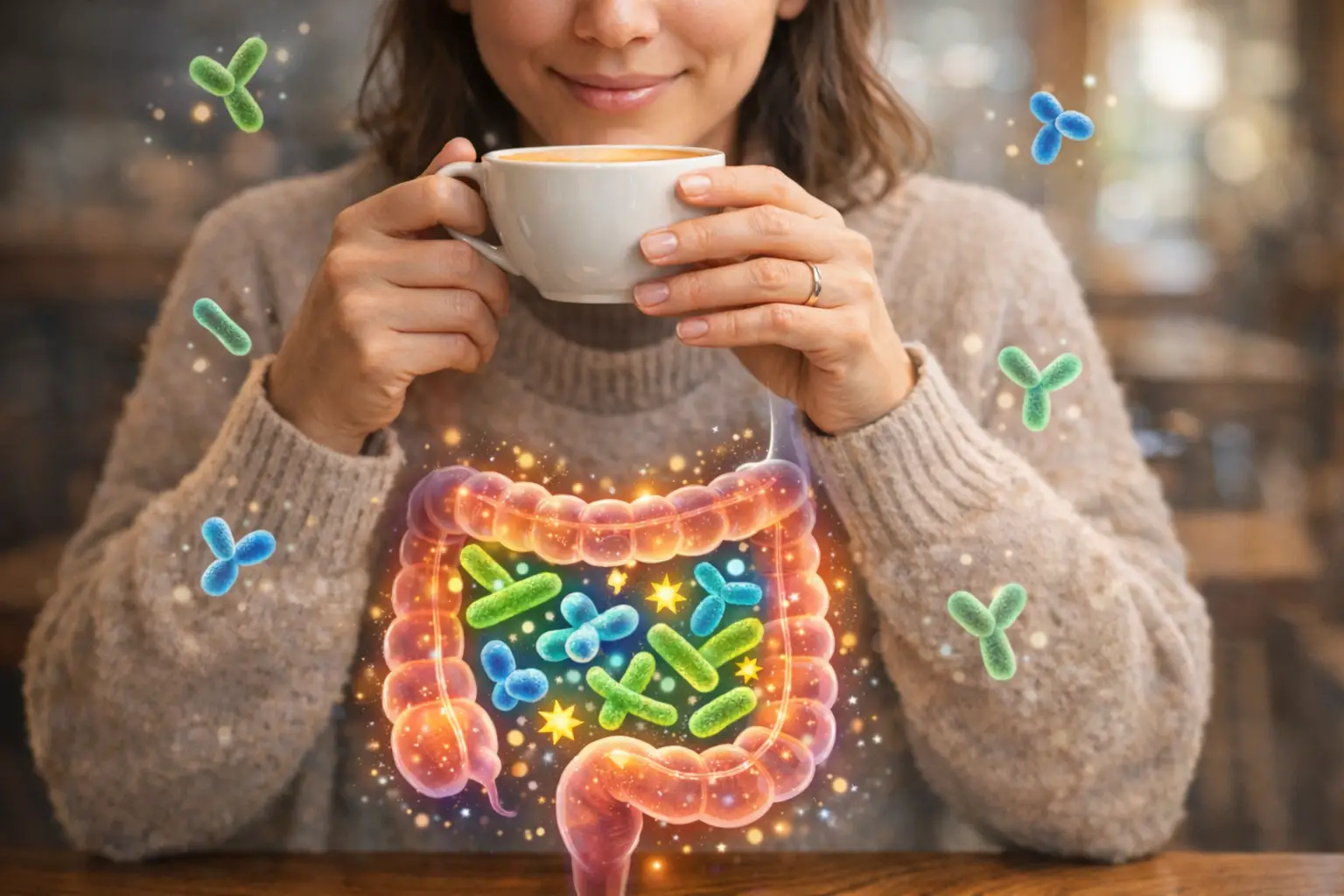
The Science Behind Coffee Gut Health and Your Gut
Your gut microbiome contains approximately 100 trillion microorganisms. These bacteria, viruses, and fungi collectively weigh around 2 kilograms and influence nearly every aspect of your health. Scientists now consider the gut microbiome so important that some call it a “forgotten organ.”
Coffee enters this complex ecosystem carrying over 1,000 bioactive compounds. Unlike simple beverages that pass through with minimal interaction, coffee actively engages with your gut bacteria in multiple ways. The primary mechanisms involve polyphenols, chlorogenic acids, and melanoidins—compounds that survive digestion and reach your large intestine largely intact.
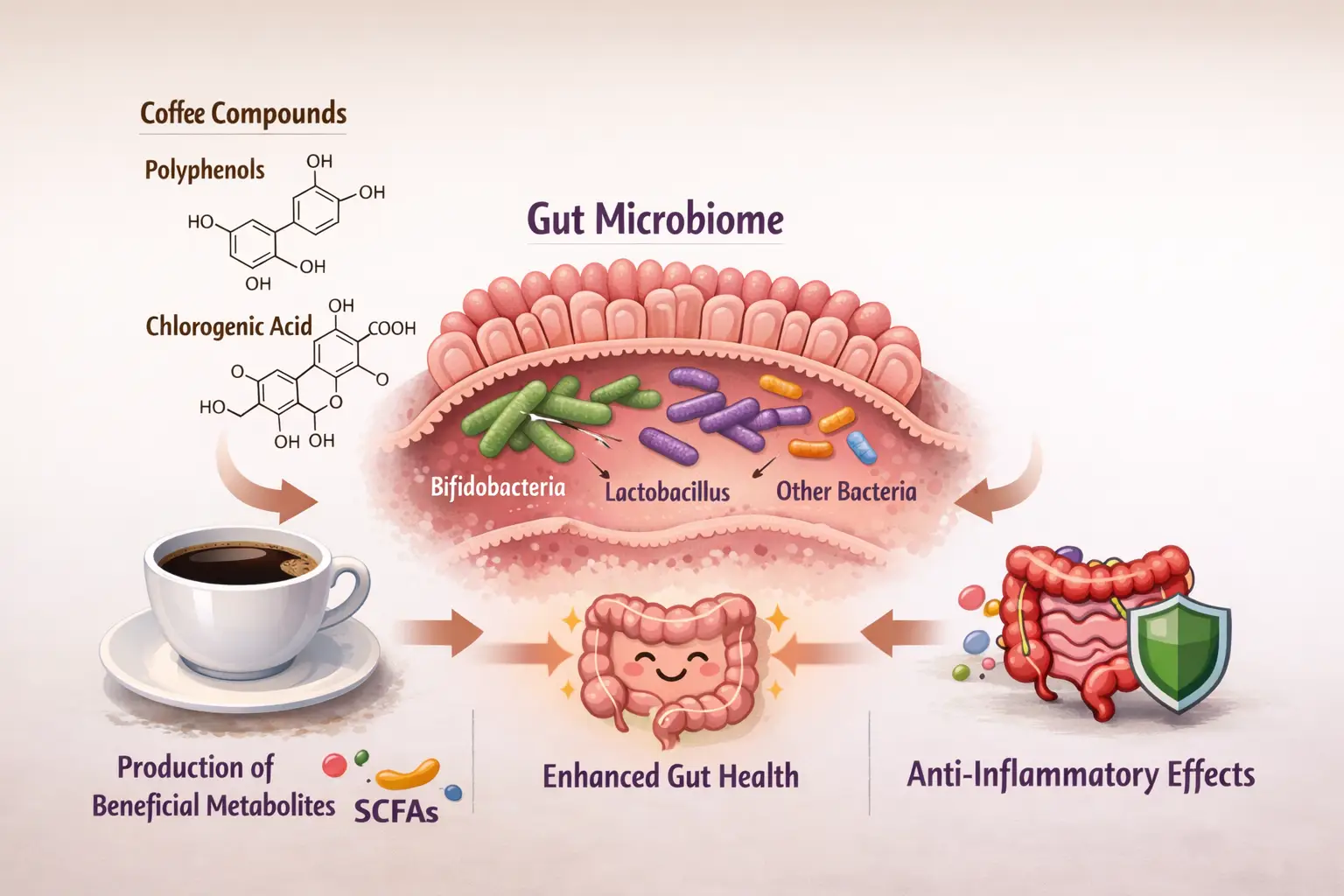
When these compounds arrive in your colon, beneficial bacteria begin breaking them down. This fermentation process produces short-chain fatty acids (SCFAs) like butyrate, propionate, and acetate. These SCFAs nourish your intestinal lining, reduce inflammation, and support immune function. Essentially, coffee compounds become fuel for your gut’s most helpful residents.
🧠 Key Insight: Coffee’s polyphenols function similarly to prebiotics—substances that feed beneficial bacteria. This prebiotic-like effect helps explain why regular coffee drinkers often show greater microbial diversity than non-drinkers.
The relationship works both ways. Gut bacteria don’t merely receive benefits from coffee; they transform it. Microbial metabolism converts coffee’s chlorogenic acids into smaller, more bioavailable compounds. These metabolites then enter your bloodstream, potentially contributing to coffee’s systemic health effects. Your gut bacteria essentially unlock coffee’s hidden benefits.
Understanding this bidirectional relationship reframes how we think about coffee consumption. Your morning cup isn’t just a caffeine delivery system—it’s participating in a complex dialogue with your internal ecosystem.
Key Research Findings on Coffee and Gut Bacteria
The evidence connecting coffee to gut health has grown substantially in recent years. Multiple studies now point toward the same conclusion: regular coffee consumption appears to enhance microbiome diversity and support beneficial bacterial populations.
A landmark 2024 study published in Nature Microbiology analysed stool samples from over 8,000 participants. Researchers found that coffee drinkers had approximately 20% greater microbial diversity compared to non-drinkers. Notably, this association remained significant after controlling for diet, exercise, and other lifestyle factors. The effect appeared dose-dependent, with moderate consumption (3-4 cups daily) showing the strongest associations.
| Study | Participants | Key Finding | Significance |
|---|---|---|---|
| Nature Microbiology 2024 | 8,412 adults | 20% greater microbiome diversity in coffee drinkers | Dose-dependent effect confirmed |
| Gut Microbes 2023 | 1,134 adults | Increased Bifidobacteria abundance | Beneficial bacteria directly enhanced |
| American Journal of Clinical Nutrition 2023 | 4,096 adults | Higher Akkermansia levels in coffee consumers | Linked to metabolic health improvements |
| British Journal of Nutrition 2022 | 2,890 UK adults | Reduced pathogenic bacteria in regular consumers | Protective effect against harmful species |
| Cell Reports Medicine 2024 | 612 participants (RCT) | 3-week coffee intervention increased SCFA production | Causal mechanism demonstrated |
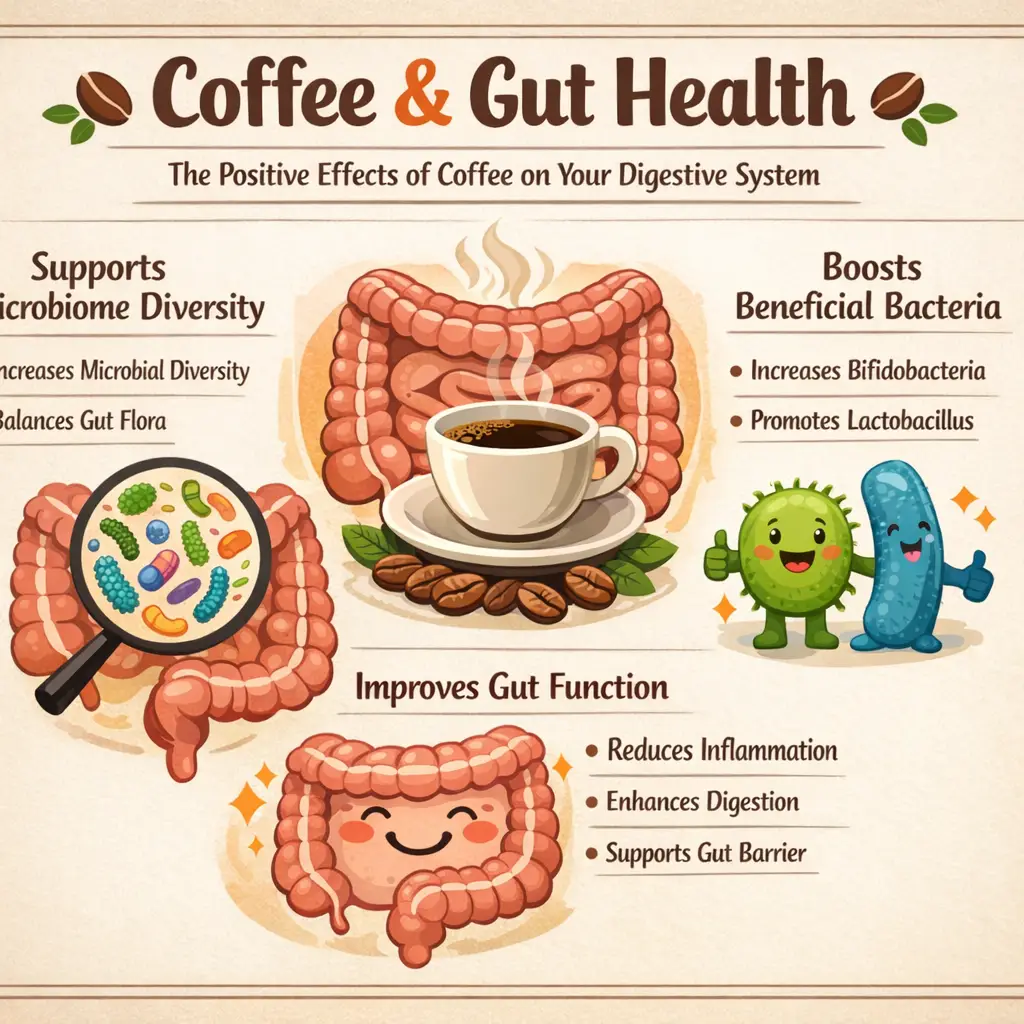
Particularly notable is the research on specific bacterial species. Studies consistently identify increases in Bifidobacteria—bacteria associated with reduced inflammation and improved intestinal barrier function. Similarly, coffee consumption correlates with higher levels of Akkermansia muciniphila, a species linked to better metabolic health and reduced obesity risk.
📊 Evidence Snapshot: Coffee and Gut Microbiome
- Evidence Quality: Moderate to High (multiple large cohort studies + RCTs)
- Consistency: Strong agreement across studies
- Effect Size: 15-20% improvement in diversity metrics
- Confidence: Growing scientific consensus
- Limitations: Most studies observational; long-term RCTs needed
Randomised controlled trials have begun establishing causation rather than mere correlation. A 2024 study in Cell Reports Medicine assigned participants to drink coffee or a placebo beverage for three weeks. Those consuming coffee showed measurable increases in short-chain fatty acid production—direct evidence that coffee actively changes gut metabolism.
How Coffee Compounds Interact With Your Microbiome
Understanding which compounds drive coffee’s gut benefits helps explain why this beverage stands apart from other caffeinated drinks. Tea contains beneficial polyphenols, yet coffee’s unique chemical profile appears particularly suited to nurturing gut bacteria.
Chlorogenic acids represent coffee’s most abundant polyphenol family. A single cup of coffee delivers 70-350 milligrams of these compounds, depending on brewing method and bean origin. Unlike many dietary polyphenols, chlorogenic acids survive stomach acid remarkably well. Approximately 70% reach the colon intact, where they become available to gut bacteria.
| Compound | Amount per Cup | Gut Health Action | Bacteria Affected |
|---|---|---|---|
| Chlorogenic Acids | 70-350mg | Prebiotic fuel for beneficial bacteria | Bifidobacteria, Lactobacillus |
| Melanoidins | 500-1500mg | Dietary fibre-like fermentation | Bacteroides, Prevotella |
| Caffeic Acid | 25-75mg | Antimicrobial against pathogens | Inhibits E. coli, Salmonella |
| Trigonelline | 40-110mg | Supports mucus layer integrity | Akkermansia muciniphila |
| Caffeine | 80-120mg | Stimulates gut motility | Indirect effect via transit time |
Melanoidins deserve special attention. These brown compounds form during coffee roasting through the Maillard reaction—the same process that browns toast and seared meat. Melanoidins behave remarkably like dietary fibre in your gut. They resist digestion, reach your colon, and undergo fermentation by resident bacteria. This process generates beneficial SCFAs while selectively feeding helpful bacterial species.
The antimicrobial properties of certain coffee compounds add another dimension. Caffeic acid and other phenolic compounds demonstrate selective toxicity against pathogenic bacteria while sparing beneficial species. Research suggests coffee may help maintain microbial balance by suppressing harmful bacteria like certain E. coli strains and Clostridium species. Think of coffee as providing both nourishment for allies and resistance against invaders.
☑️ Research Note: Decaffeinated coffee shows similar gut benefits to regular coffee, confirming that polyphenols and melanoidins—not caffeine—drive most microbiome effects. If you’re sensitive to caffeine, decaf still supports your gut bacteria.
Brewing method influences compound availability. Espresso concentrates melanoidins while filter coffee preserves more chlorogenic acids. Cold brew extracts different compound ratios than hot brewing. No single method emerges as clearly superior for gut health; variety may actually benefit your microbiome by providing diverse prebiotic substrates.
Supporting Your Gut Alongside Coffee
While coffee provides excellent prebiotic support, pairing it with probiotic-rich foods or supplements may enhance overall gut health. The following products complement coffee’s microbiome benefits:
Lifeway Organic Kefir
★★★★★ (4.8)
Probiotic Drink · 12 Live Cultures · Organic
Contains 12 live and active probiotic cultures that complement coffee’s prebiotic effects. The combination of prebiotics (from coffee) and probiotics (from kefir) may synergistically support gut microbiome diversity.
Athletic Greens AG1
★★★★★ (4.6)
Powder · Prebiotics + Probiotics · Digestive Enzymes
Comprehensive daily supplement containing prebiotics, probiotics, and digestive enzymes. May support the gut-friendly effects of your coffee routine while providing broad nutritional coverage.
⏰ Editor Note: Replace #AFFILIATE-LINK-X and #PRODUCT-IMAGE-X placeholders with actual URLs before publishing. Verify current pricing and availability.
Benefits Beyond the Gut: The Ripple Effect
Your gut microbiome doesn’t operate in isolation. These trillions of organisms communicate with virtually every system in your body through what scientists call the gut-organ axes. When coffee improves your microbial ecosystem, the benefits ripple outward in ways researchers are only beginning to understand.
The gut-brain axis represents perhaps the most fascinating connection. Approximately 95% of your body’s serotonin—the neurotransmitter governing mood, sleep, and appetite—is produced in your gut. Bacteria play a direct role in this synthesis. By supporting beneficial bacteria, coffee may indirectly influence your mental wellbeing. Several observational studies link regular coffee consumption to reduced depression risk, and improved gut health may partially explain this association.
Metabolic health also connects to gut bacteria. Species like Akkermansia muciniphila—which coffee appears to promote—correlate strongly with healthy body weight and insulin sensitivity. These bacteria strengthen the intestinal mucus layer, reducing the “leaky gut” phenomenon that allows inflammatory compounds into circulation. The anti-inflammatory compounds in coffee, including those with anti-inflammatory properties, work synergistically with these bacterial effects.
🧠 The Gut-Liver Axis: Your gut and liver communicate extensively through the portal vein. Improved gut bacteria reduce the burden of toxins reaching your liver. This may partially explain coffee’s well-documented liver-protective effects, including reduced cirrhosis and liver cancer risk.
Immune function represents another downstream benefit. Roughly 70% of your immune cells reside in your gut. The short-chain fatty acids produced when bacteria ferment coffee compounds directly regulate immune responses. They promote anti-inflammatory pathways while maintaining appropriate vigilance against pathogens. For individuals seeking to support their immune system, coffee’s gut effects offer an underappreciated mechanism.
Even cardiovascular health may benefit through the gut connection. Certain gut bacteria convert dietary compounds into molecules that either protect or harm blood vessels. Coffee consumption associates with reduced heart disease risk in numerous studies, and researchers increasingly suspect gut-mediated effects contribute alongside direct vascular benefits from coffee’s polyphenols.
🎥 Watch: This overview explains how coffee polyphenols interact with your gut microbiome and why researchers believe this connection matters for overall health.
📜 Prefer reading? Continue below for the complete guide including dosage recommendations and safety considerations.
How Much Coffee Supports Gut Health?
Determining optimal coffee intake requires balancing gut benefits against potential drawbacks. Research suggests a sweet spot exists where microbiome benefits peak without negative effects dominating.
Most studies indicate that 3-4 cups of coffee daily (approximately 300-400mg of caffeine) provides the strongest associations with gut health markers. This aligns with the European Food Safety Authority’s guidance on safe caffeine intake for healthy adults. Benefits appear to begin with as little as one cup daily, though effects strengthen with moderate consumption.
| Daily Intake | Approx. Caffeine | Expected Gut Benefit | Considerations |
|---|---|---|---|
| 1 cup | 80-100mg | Modest prebiotic effect | Suitable starting point |
| 2-3 cups | 160-300mg | Good diversity support | Well-tolerated by most |
| 3-4 cups | 300-400mg | Optimal range in studies | Monitor for sensitivity |
| 5+ cups | 400mg+ | Diminishing returns | May cause digestive upset |
Timing matters alongside quantity. Research suggests spreading coffee intake throughout the morning and early afternoon maximises polyphenol delivery to your gut while minimising sleep disruption. Consuming your final cup before 2pm allows caffeine to clear sufficiently before bedtime for most individuals.
Individual variation plays a significant role. Genetic differences in caffeine metabolism mean some people process coffee quickly while others feel effects for hours. Fast metabolisers may tolerate higher intakes without negative consequences. Those who feel jittery or experience digestive discomfort should reduce their consumption regardless of general recommendations.
☑️ Practical Tip: If you’re new to coffee or returning after a break, increase intake gradually over 1-2 weeks. Your gut bacteria need time to adapt to the new prebiotic input, and sudden increases may cause temporary digestive changes.
Who Should Be Cautious With Coffee?
Despite coffee’s gut benefits, certain individuals should approach consumption carefully or avoid it entirely. The same bioactive compounds that support healthy microbiomes can cause problems for people with specific conditions or medication regimens.
Individuals with irritable bowel syndrome (IBS) often report that coffee triggers symptoms. Coffee stimulates gastric acid secretion and accelerates colonic motility—effects that may worsen diarrhoea-predominant IBS. However, some IBS sufferers tolerate coffee well, particularly those with constipation-predominant symptoms. Personal experimentation under medical guidance remains the best approach.
| Condition/Situation | Concern | Recommendation |
|---|---|---|
| Pregnancy | Caffeine crosses placenta; metabolism slowed | Limit to 200mg caffeine daily (NHS guidance) |
| GORD/Acid Reflux | May relax lower oesophageal sphincter | Consider low-acid varieties; avoid empty stomach |
| Anxiety Disorders | Caffeine may exacerbate symptoms | Consider decaf for gut benefits without stimulation |
| Osteoporosis Risk | May slightly reduce calcium absorption | Ensure adequate calcium intake; moderate consumption |
| Iron Deficiency | Polyphenols inhibit iron absorption | Drink coffee between meals, not with iron-rich foods |
| Medication Interactions | Various drug interactions possible | Consult pharmacist; see interaction table below |
📢 Medication Interactions to Discuss With Your Doctor:
- Fluoroquinolone antibiotics (ciprofloxacin, levofloxacin) – coffee may slow drug clearance
- Thyroid medications (levothyroxine) – coffee reduces absorption; take separately
- Certain antidepressants (MAOIs, fluvoxamine) – may intensify caffeine effects
- Blood thinners (warfarin) – moderate intake generally safe; avoid sudden changes
- Bisphosphonates (alendronate) – take medication with plain water first
Pregnant individuals should limit caffeine intake to 200mg daily according to NHS guidelines. This equates to approximately 2 cups of filter coffee. The gut benefits still apply at this reduced level, though the priority shifts to foetal safety.
For those who cannot tolerate caffeinated coffee, decaffeinated varieties offer a viable alternative. Research confirms that decaf retains most of coffee’s polyphenol content and gut-supportive compounds. The microbiome benefits appear largely preserved, making decaf an excellent choice for caffeine-sensitive individuals seeking digestive support.
🏥 Expert Note
“The research on coffee and gut health is compelling, but individual responses vary significantly. I advise patients to pay attention to their own digestive signals rather than following general recommendations blindly. Those with existing gastrointestinal conditions should introduce or modify coffee consumption gradually and ideally under medical supervision.”
— Mavran Todl, Clinical Nutrition Specialist
Practical Tips for Gut-Friendly Coffee Consumption
Maximising coffee’s gut benefits involves more than simply drinking more cups. How you prepare, time, and accompany your coffee influences its interaction with your microbiome.
Choose quality beans. Arabica beans generally contain higher polyphenol concentrations than Robusta varieties. Single-origin coffees often provide more consistent compound profiles. Freshly ground beans preserve volatile compounds better than pre-ground options, though the gut-relevant polyphenols remain stable regardless.
Consider your brewing method. Paper filters remove cafestol and kahweol—compounds that may raise cholesterol in some individuals. French press and espresso retain these oils. For gut health specifically, both filtered and unfiltered methods provide polyphenol benefits. Your overall health profile should guide this choice.
Avoid drinking coffee on an empty stomach if you experience acid reflux or stomach discomfort. Having food in your stomach buffers acidity while still allowing polyphenols to reach your colon. Even a small breakfast alongside your coffee can reduce irritation while preserving benefits.
☑️ Tip: Pair your coffee with fibre-rich foods for synergistic gut benefits. The combination of coffee polyphenols and dietary fibre provides diverse substrates for beneficial bacteria, potentially amplifying microbiome diversity beyond either component alone.
Watch your additions. Sugar feeds different bacteria than coffee polyphenols, potentially negating some benefits. Excessive cream or milk may bind polyphenols, reducing their availability. Black coffee delivers maximum gut benefit, though modest additions likely don’t eliminate effects entirely. If you sweeten your coffee, consider limiting sugar gradually.
Stay hydrated. Coffee has mild diuretic effects, particularly for non-habitual consumers. Adequate water intake supports healthy digestion and optimal gut function. Aim to drink water alongside or between your coffee servings. Integrating coffee into a balanced morning routine ensures you’re supporting your body comprehensively.
Be consistent. Your gut bacteria adapt to regular dietary patterns. Consistent coffee consumption allows your microbiome to establish stable populations of polyphenol-metabolising bacteria. Erratic intake—heavy one day, none the next—may produce less consistent benefits than moderate, regular consumption.
Your Questions About Coffee and Gut Health
Does coffee irritate or help the gut?
For most people, coffee appears to help rather than harm the gut. Recent research shows coffee’s polyphenols support beneficial bacteria and increase microbiome diversity. However, individuals with conditions like IBS, GORD, or gastritis may experience irritation. The effect depends largely on your individual gut health and sensitivity. Those who tolerate coffee well likely receive net digestive benefits from moderate consumption.
Is decaf coffee good for gut health?
Yes, decaffeinated coffee retains most of the polyphenols and melanoidins that provide gut benefits. Studies suggest decaf supports gut bacteria similarly to regular coffee. The primary difference is the absence of caffeine’s stimulating effects on gut motility. For individuals sensitive to caffeine who still want microbiome support, decaf represents an excellent choice.
How long does it take for coffee to affect gut bacteria?
Research indicates that gut microbiome changes from dietary modifications typically become detectable within 1-3 weeks. However, establishing stable, lasting changes generally requires consistent habits over several months. A single cup of coffee won’t transform your microbiome, but regular consumption over weeks and months may produce measurable shifts in bacterial populations and diversity.
Can too much coffee harm gut bacteria?
Excessive coffee consumption (generally beyond 5-6 cups daily) may produce diminishing returns and potential downsides. Very high intake can cause digestive upset, diarrhoea, and may disrupt rather than support gut function. The stress response from excessive caffeine might also indirectly affect gut health. Moderate consumption (3-4 cups) appears to provide the best balance of benefits.
Should I add probiotics to my coffee?
Adding probiotic supplements directly to hot coffee isn’t recommended—the heat may kill beneficial bacteria. However, consuming probiotic foods or supplements alongside your coffee routine (at different times) can complement its prebiotic effects. The combination of coffee’s prebiotic polyphenols and dietary probiotics may synergistically support gut health, though research on this specific pairing remains limited.
Does coffee brewing method affect gut benefits?
Different brewing methods extract slightly different compound profiles. Espresso concentrates certain compounds, while filter coffee preserves others. Cold brew has a lower acid content but still contains polyphenols. From a gut health perspective, all brewing methods deliver beneficial compounds. No single method emerges as clearly superior for microbiome support—variety may actually benefit your gut bacteria by providing diverse substrates.
Final Thoughts
The emerging science on coffee and gut health offers welcome news for the billions who enjoy this beverage daily. Far from harming your digestive system, moderate coffee consumption appears to actively support the beneficial bacteria living within you. The polyphenols, chlorogenic acids, and melanoidins in your morning cup function as prebiotics, nurturing the microbial allies that influence everything from your immune system to your mood.
This research doesn’t mean coffee is universally beneficial. Individual responses vary significantly, and those with certain conditions should approach consumption carefully. The studies also highlight an optimal range—3-4 cups daily—beyond which benefits may diminish. As with most aspects of health, moderation and personalisation remain essential.
What makes these findings particularly exciting is how they connect to broader health patterns. The gut-organ axes linking your microbiome to your brain, liver, heart, and metabolism suggest that coffee’s digestive benefits ripple throughout your body. Combined with physical activity like regular movement and stretching, a thoughtful approach to nutrition supports overall physical wellbeing holistically.
If you’re already a coffee drinker, this research may simply validate your habit. If you’ve been avoiding coffee due to digestive concerns, it may be worth experimenting cautiously—starting with one cup and observing your response. And if coffee isn’t for you, plenty of other polyphenol-rich foods and beverages support gut health through similar mechanisms.
The science of the gut microbiome remains young, and our understanding of coffee’s effects will continue evolving. What’s clear today is that this ancient beverage interacts with our bodies in more sophisticated ways than previously imagined—and for most people, that interaction appears overwhelmingly positive.
Sources
- Nature Microbiology – Coffee consumption and gut microbiome diversity (2024)
- PubMed – Gut Microbes Journal – Polyphenol metabolism by intestinal bacteria (2023)
- Harvard Health Publishing – The gut-brain connection and dietary influences
- NHS – Caffeine recommendations during pregnancy
- Mayo Clinic – Coffee and health: Safety and dosage guidance
- Examine.com – Chlorogenic acid: Mechanisms and research summary
Written by Arsim Rama
Health Content Specialist · 5+ years experience
As a Health Content Specialist, Arsim Rama brings 5+ years to health content creation. He is passionate about making scientific research accessible and actionable for everyday readers.
🏥 Medically Reviewed By: Mavran Todl, Clinical Nutrition Specialist
Last medical review: January 2026
Affiliate Disclosure: This article may contain affiliate links. If you purchase through these links, we may earn a small commission at no extra cost to you.
Medical Disclaimer: This article is for educational purposes only and does not constitute medical advice. Always consult your GP before making changes to your health regimen.
© 2026 Paulinna. All rights reserved.