


Quick Answer: Setting realistic expectations with supplements means understanding that these products support—rather than replace—a healthy lifestyle. Most evidence-based benefits are modest, gradual and depend on your starting point, diet, sleep and activity levels. Approaching supplements with patience and clear goals helps you stay consistent and avoid disappointment.
Key Takeaways
- ✓ Supplements work best as additions to good nutrition, sleep and movement—not as stand-alone solutions or quick fixes.
- ✓ Most benefits shown in clinical trials are modest; marketing often exaggerates the speed and size of results.
- ✓ Managing your mindset reduces frustration, supports consistent use and helps you notice small but meaningful improvements over time.
- ✓ Safety, interactions and lifestyle factors matter as much as the product itself—always read labels and consult a professional if unsure.
Introduction
Walk into any health shop or browse online retailers and you will find thousands of products promising energy, focus, better sleep, clearer skin and stronger immunity. The reality is that setting realistic expectations with supplements is one of the most important steps you can take before opening a single bottle. Without this grounded mindset, disappointment is almost inevitable—and many people end up cycling through products endlessly, never quite finding the transformation they hoped for. If you are new to nutrition products, our guide on getting started with supplements offers a helpful overview of the basics.
The modern supplement industry is worth billions of pounds, and marketing budgets are enormous. Bold claims, before-and-after photos and influencer endorsements can make it seem as though a single capsule will change everything. In truth, the best-quality research typically shows small to moderate effects that build slowly over weeks or months—and only when products are used alongside sensible eating, adequate rest and regular physical activity.
This guide will help you understand what supplements can and cannot do, how long genuine changes usually take, how to interpret scientific evidence and when it makes sense to seek professional advice. By the end, you will be better equipped to choose products wisely, track your progress honestly and avoid the common pitfalls that lead to wasted money and frustration.

What Is Setting Realistic Expectations with Supplements?
In practical terms, this means forming a balanced view of what a nutrition product is likely to change, by how much and over what timeframe. The NHS states that most people can obtain the vitamins and minerals they need from a varied, balanced diet, with supplements playing a supporting role for specific situations such as pregnancy, diagnosed deficiency or limited sun exposure.
Realistic expectations also involve accepting that individual responses vary. What works well for one person may produce little noticeable change in another, depending on genetics, baseline nutrient status, gut health, stress levels, sleep quality and dozens of other factors. Understanding this variability helps you interpret your own experience without assuming that a product is useless—or miraculous—based on a few weeks of use.
Importantly, a grounded mindset is not about being pessimistic. It is about being informed. When you know what the evidence actually shows, you can appreciate genuine improvements without constantly chasing exaggerated promises that rarely materialise.
How Setting Realistic Expectations with Supplements Works
Adjusting your realistic expectations does not change the ingredients inside a capsule. What it changes is how you plan, use and evaluate the product. When you expect gradual, modest benefits rather than overnight transformations, you are more likely to stay consistent, track meaningful markers and make rational decisions about continuing or stopping.
Key Functions
- Filters marketing hype: A grounded perspective makes it easier to spot exaggerated claims, unproven ingredients and “too good to be true” promises.
- Supports better decisions: You are more likely to choose evidence-based products that genuinely match your goals rather than buying every trending item.
- Encourages consistency: When you expect slow, cumulative changes, you are less tempted to abandon a product after just a few days.
- Improves safety: A measured approach prompts you to read labels, check for interactions and involve healthcare professionals where appropriate.
Think of it like fitness training. If you expected visible muscle growth after a single gym session, you would quit in frustration. But when you understand that results come from weeks and months of consistent effort, you stay the course and eventually see progress. The same principle applies to nutrition products.
Key Benefits of Setting Realistic Expectations with Supplements
Taking time to adjust your mindset before starting a new product can pay dividends that go well beyond the capsule itself. It helps you focus on lifestyle foundations, interpret research sensibly and get better value from any supportive products you choose. For more on building sustainable habits, see our article on creating a balanced health routine.
1. Reduced Disappointment and “Supplement Hopping”
When you expect a product to deliver dramatic results within days, any slower response feels like failure. A more balanced outlook reduces the urge to switch brands constantly, giving each product a fair trial period that aligns with the timeframes used in clinical studies.
2. Better Alignment with Scientific Evidence
Clinical trials typically report modest effect sizes—small shifts in blood markers, symptom scores or risk over months or years. Understanding this context helps you view products as one tool among many rather than as miracle cures, and makes it easier to compare claims against actual data.
3. Greater Focus on Lifestyle Foundations
A realistic expectations approach encourages you to treat capsules as additions to good food, sleep, stress management and physical activity—not replacements. This usually leads to better outcomes because underlying habits have far larger effects on long-term wellbeing than any single product.
4. Safer Use and Fewer Side Effects
People who expect miracles may exceed label doses, combine overlapping formulas or ignore warning signs. Grounded realistic expectations encourage careful reading of instructions, checking for interactions and stopping a product if unwanted effects appear, which improves safety—especially for those on medication.
5. More Sustainable Spending
Supplements can be expensive, particularly when taken for extended periods. A clear sense of what outcomes are realistic expectations helps you prioritise the few products most likely to support your goals and avoid buying multiple overlapping formulas that add little extra benefit.

Risks and Considerations
Unrealistic expectations do more than cause frustration. They can lead to unsafe behaviours such as doubling doses, ignoring side effects or delaying proper medical assessment for ongoing symptoms. Recognising these risks is part of developing a healthier relationship with nutrition products.
Signs to Watch For
- Expecting one product to replace a balanced diet, adequate sleep, regular movement or prescribed medicines.
- Regularly increasing the dose without guidance because you assume more will work faster.
- Ignoring stomach upset, rashes, headaches or other symptoms in the hope of quicker benefits.
- Feeling anxious or guilty when you miss a dose, as though your entire health depends on the product.
Who Should Be Careful
- People on prescription medicines: Many herbal and nutrient products can interact with blood thinners, heart drugs, diabetes medicines and others—always check with your GP or pharmacist.
- Pregnant or breastfeeding women: Requirements change during these stages; some ingredients are unsuitable or under-researched, so professional advice is essential.
- Those with chronic conditions: Liver, kidney, autoimmune, bleeding and mental health conditions can all influence how safe a product is for you.
- Parents buying for children: Doses and safety profiles differ by age; paediatric guidance is essential rather than relying on adult information.
5 Practical Tips for Setting Realistic Expectations with Supplements
Tip 1: Start with Clear, Modest Goals
Instead of hoping a capsule will “fix everything”, choose one or two specific targets such as “slightly better afternoon energy” or “fewer night-time muscle cramps”. Modest, measurable goals are easier to track and more aligned with changes reported in research trials.
Tip 2: Match Realistic Expectations to Study Timelines
Look at how long reputable studies used a product—often 4–12 weeks or longer. Use similar timeframes before judging results, unless you notice side effects or your GP advises otherwise. Expecting changes after just a few days often leads to unnecessary disappointment.
Tip 3: Change One Thing at a Time
If you add three new products at once, you will not know which one helped—or which caused side effects. Introduce changes one at a time, giving each enough space, so you can make informed decisions about whether to continue or stop.
Tip 4: Track Simple, Objective Markers
Use a short log for sleep hours, energy ratings, bowel habits, training performance or skin symptoms. Objective notes make it easier to see gradual shifts and reduce the risk of judging a product based solely on how you feel on one particular day.
Tip 5: Regularly Reassess Need and Value
Every few months, ask whether a product is still useful, affordable and safe for you. If you see no clear benefit despite good adherence and lifestyle support, consider stopping or switching under professional guidance rather than taking it indefinitely out of habit.

How to Interpret the Evidence
Headlines and marketing often highlight a single impressive statistic—such as “50% reduction in symptoms”—without explaining what that means in context. Learning how to interpret evidence helps you judge whether a claim is meaningful for you and prevents overestimating what any one product can achieve.
Randomised controlled trials (RCTs) are generally considered the most reliable way to test an intervention. In an RCT, participants are randomly assigned to receive either the active product or a placebo, and neither they nor the researchers know who is in which group until the study ends. This design reduces bias and increases confidence in the results. However, even in RCTs, the benefit may be small in absolute terms. For example, a study might find that a supplement reduces the number of cold episodes from three per year to two. That change can be meaningful for some people, but it is not a complete shield against illness.
Observational studies, which follow people over time without assigning treatments, can show links between supplement use and health outcomes. These links may be influenced by confounding factors such as diet, income, exercise or healthcare access. People who buy high-quality products are often already more health-conscious, making it difficult to know how much of the observed effect is due to the capsule itself versus the lifestyle that accompanies it.
Systematic reviews and meta-analyses combine data from multiple trials to give a broader view. They can reveal patterns—for instance, that a certain ingredient tends to have small positive effects on a particular marker across several studies. Even here, there is often variation in dose, product quality, participant health and study duration, so findings apply to group averages rather than guaranteeing a specific result for each individual.
Many trials recruit participants with diagnosed deficiencies, specific conditions or high-risk profiles. If you are generally healthy and already eat well, the added benefit from the same ingredient may be smaller or negligible. Being aware of these nuances can help you resist sweeping claims and adjust your realistic expectations to match the type and strength of evidence available.
Finally, look at who funded the research. Industry-funded studies are not automatically invalid, but independent replication adds credibility. When multiple research groups—including those without financial ties—report similar findings, confidence in those results increases. When only the manufacturer’s own data support a claim, caution is warranted.
Realistic Expectations and How to Track Progress
Realistic expectations mean accepting that most safe, over-the-counter products are designed to support normal function rather than produce dramatic changes. A multivitamin might help fill nutrient gaps and contribute to steady energy over time, but it is unlikely to give you a sudden surge of motivation or visibly transform your appearance.
Tracking progress in a structured way makes it easier to see whether a product is helping within the range that evidence suggests. Before you start, write down your baseline: how you sleep, how often you feel tired during the day, how comfortable your digestion is, or how often a specific symptom occurs. Keep this record simple so you can maintain it for several weeks without it becoming a chore.
Decide how often you will review your notes. Weekly or fortnightly check-ins work well for most people. Look for patterns rather than perfect days—slightly better averages over time may be meaningful even if not every day is improved. If a product is aimed at something measurable, such as a lab marker or blood pressure, discuss appropriate testing intervals with your GP rather than testing too frequently or not at all.
It is also helpful to define what would count as “good enough” improvement. For example, you might decide that sleeping soundly an extra two nights per week or reducing bowel discomfort by one point on a ten-point scale would justify continuing a product. Having these thresholds in mind stops you from relying purely on vague impressions, which are easily influenced by mood, stress and marketing.
Remember that placebo effects are real and not necessarily bad. If you feel better after starting a product—even if the effect is partly psychological—that improvement still has value for your quality of life. The key is to remain honest with yourself about the scale and durability of changes, and to seek professional advice if symptoms are worsening or not improving after a reasonable period.
Quality Checklist Before You Buy
Choosing a high-quality product will not guarantee a specific result, but it increases the likelihood that you are at least getting what the label states in a safe form. Many of the principles below are recommended by organisations such as the US National Institutes of Health Office of Dietary Supplements and consumer testing groups.
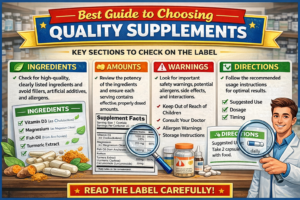
Start by checking that the label clearly lists each active ingredient, its amount per serving and the form used (for example, magnesium citrate versus magnesium oxide). Vague terms like “proprietary blend” without specific amounts make it harder to know what you are taking or to compare products. Look for sensible amounts rather than extremely high doses unless your clinician has specifically recommended them.
Consider whether the product has been independently tested. Some brands display logos from third-party testing schemes that assess content accuracy and check for contamination with heavy metals, pesticides or undeclared substances. While not a guarantee, these marks can add confidence that the product meets basic quality standards. Be cautious of items that make large promises but provide little information about manufacturing or testing.
Review the inactive ingredients too. People with allergies or intolerances may need to avoid certain fillers, colourings, gelatine or sweeteners. If you follow a vegan or vegetarian diet, check whether capsules are plant-based. If you have coeliac disease or gluten sensitivity, look for clear gluten-free statements from reputable manufacturers.
Assess the company’s transparency and customer support. Is there a contact email or phone number? Do they provide balanced information and clear cautions, or only enthusiastic claims? A brand that acknowledges limitations, suggests speaking to a healthcare professional and avoids promising cures is often more trustworthy than one that insists their product works for everyone without exception.
Finally, consider return policies and customer reviews. A company confident in its products will usually offer a reasonable return window. Reviews can be helpful, but treat them with caution—some may be incentivised or reflect placebo effects rather than genuine physiological changes.
Safety Checklist and When to Speak to a Professional
Even products sold without a prescription can have strong effects or interact with medicines. A safety-first mindset protects you from treating supplements as harmless by default and helps you know when to pause or seek advice. The Mayo Clinic emphasises that natural does not always mean safe, and that some ingredients can cause problems at high doses or in combination with certain drugs.
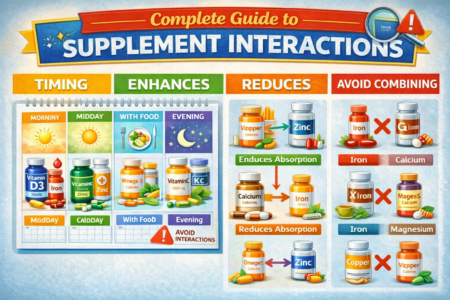
If you take prescribed medicines—especially blood thinners, heart medication, diabetes drugs, antidepressants or immunosuppressants—ask your GP or pharmacist to check for interactions before starting anything new. Some herbal products, such as St John’s wort, can significantly alter the effectiveness of prescription drugs, sometimes with serious consequences.
Pregnancy, breastfeeding, childhood and older age all change how the body processes many substances. For these groups, professional guidance is especially important. The NHS and similar organisations provide specific advice on supplements during pregnancy and early life; following these recommendations is safer than relying on general adult information or social media posts.
Stop a product and seek help immediately if you notice symptoms such as chest pain, severe shortness of breath, significant changes in heart rhythm, swelling of the face or tongue, dark urine, yellowing of the eyes, or persistent vomiting or diarrhoea. These signs may indicate an allergic reaction, liver or kidney stress, or another condition that requires urgent evaluation.
Keep a list of every supplement you take and share it with any healthcare professional you see. This simple step helps avoid accidental double-dosing and makes it easier to identify potential interactions. If you are unsure whether a product is appropriate for you, err on the side of caution and ask before you buy.
What Research Shows
The overall research landscape on supplements is mixed. Some ingredients have strong evidence for specific uses—for example, folic acid before and during early pregnancy to reduce the risk of neural tube defects, or vitamin D to prevent deficiency in people with limited sun exposure. Others show small or uncertain benefits when tested in large, well-designed trials.
Research Highlights
- NHS, 2023: Advises that most vitamins and minerals can be obtained from food, with supplements recommended mainly for specific life stages or medically identified needs.
- NIH ODS, 2022: Notes that multivitamins may help fill nutrient gaps but are not a substitute for a healthy diet, and benefits vary by ingredient and population.
- Harvard Health, 2023: Emphasises that food sources of nutrients come with fibre, phytochemicals and other compounds that supplements cannot fully replicate.
Overall, the evidence suggests that targeted products can be useful in the right context, while broad, high-dose use in already well-nourished people often adds little. This pattern further supports the value of tempering expectations and focusing first on diet and lifestyle, using supplements as supporting players rather than central characters.
Summary
Having a balanced mindset about nutrition products means recognising that they are tools to support—not replace—the foundations of health. Most benefits are modest, develop gradually and depend on your starting point, lifestyle and medical context. Clear goals, patient tracking and a willingness to reassess help you use products more wisely and avoid the frustration of chasing unrealistic promises.
When you approach capsules, powders and liquids with this perspective, they can still be valuable—especially for closing nutrient gaps or supporting specific needs identified by a professional. The difference is that you are less likely to be swayed by hype and more likely to invest only in products that genuinely fit your situation.
Editorial Note: This content summarises current evidence and expert opinion at the time of writing. New research may refine these views, and individual responses to any product can vary.
Important: This article is for educational purposes only. It does not replace personalised medical advice. Always consult your GP or healthcare professional before starting, stopping or changing any supplement, especially if you take medication or have ongoing health concerns.
Our Top Picks
Based on our research, here are 2 options worth considering:


How to Choose
- Clarify your goal: Decide what you hope to support—energy, joints, digestion or general wellbeing—and choose products aligned with that aim.
- Check the evidence: Look for ingredients with backing from reputable sources rather than relying on testimonials alone.
- Assess fit with your lifestyle: Consider pill size, dosing frequency, dietary restrictions and budget so you can take the product consistently.
- Review safety: Cross-check key ingredients with your medicines and health conditions, and ask your GP or pharmacist if uncertain.
Frequently Asked Questions
How long should I try a supplement before judging results?
Most studies run for at least 4–12 weeks, so judging a product after just a few days is usually premature. Unless side effects occur, give it a similar timeframe while tracking simple markers before deciding whether to continue.
Can supplements replace a healthy diet and lifestyle?
No. Organisations such as the NHS and NIH emphasise that products can only complement—not replace—balanced eating, movement, sleep and appropriate medical care. Lifestyle foundations have a far larger impact on long-term health.
Why do some people see benefits while others do not?
Responses vary due to genetics, baseline nutrition, gut health, stress, sleep, medication and product quality. Trials report averages, so individual results can be stronger, weaker or absent even with the same ingredient.
Is taking higher doses always better?
No. Very high doses can increase side effects and, for some nutrients, raise health risks. Stick to label guidance unless your GP or specialist has recommended a specific dose for you.
How can I tell if a supplement claim is overhyped?
Be wary of promises of fast, guaranteed or dramatic results. Look instead for modest wording, reference to human studies and advice to combine products with diet and lifestyle changes.
Where can I learn more about using supplements sensibly?
Reputable sources include the NHS, NIH ODS, Mayo Clinic and Harvard Health. You can also explore our beginner’s guide to evidence-based supplementation for practical tips.
Sources
This article is based on peer-reviewed research and authoritative health sources:f
Why You Can Trust This Article
- Written by: Arsim Rama
- Research-backed: Claims supported by cited NHS, NIH, Mayo Clinic, Harvard Health and PubMed sources
- Regularly updated: Content reviewed every 12 months to reflect new evidence
- Editorial independence: Recommendations based on ingredient quality and data, not paid placement
- Customer trust: See our Trustpilot reviews
Last reviewed: January 2025. Next review: January 2026.
© 2025 Paulinna. All rights reserved.
⚠️ Disclosure: This article contains affiliate links. If you purchase through these links, we may earn a small commission at no extra cost to you.