
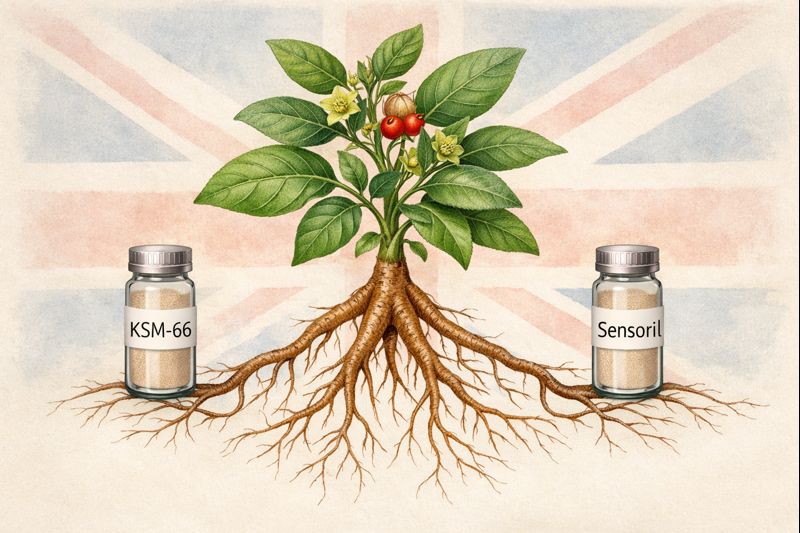
Quick Answer: The best ashwagandha supplements UK typically use standardised extracts like KSM-66 or Sensoril, which have the most clinical research behind them. KSM-66 is generally preferred for stress and energy support, while Sensoril may be better suited for relaxation and sleep. Look for products with verified withanolide content, third-party testing, and dosages between 300-600mg of standardised extract daily.
The best ashwagandha supplements UK for you depends on your specific goals—whether that’s managing daily stress, improving sleep quality, or supporting overall energy levels. Standardised extracts like KSM-66 and Sensoril offer consistent potency backed by clinical studies, while traditional root powder provides a gentler, whole-plant approach that some people prefer for long-term use.
Introduction
Ashwagandha has rapidly become one of the most popular supplements in the UK, and for good reason. This ancient Ayurvedic herb, formally known as Withania somnifera, has attracted serious scientific attention for its potential to help the body adapt to stress. With the pressures of modern life showing no signs of easing, more people are turning to adaptogens like ashwagandha as part of their wellness routine.
But walking into a health shop or browsing online, you’ll quickly discover that not all ashwagandha products are the same. Some contain root powder, others use concentrated extracts. You’ll see terms like KSM-66, Sensoril, and various withanolide percentages. Prices range from a few pounds to considerably more. How do you know which one is actually worth your money?
This guide cuts through the marketing to help you understand what genuinely matters when choosing an ashwagandha supplement. We’ll compare the main extract types, explain what the research actually shows, and help you match the right product to your specific needs. Whether you’re looking for stress support, better sleep, or sustained energy, you’ll find practical guidance here.
As with any supplement, ashwagandha isn’t suitable for everyone, and it’s not a replacement for professional medical care. If you’re dealing with significant stress, anxiety, or health concerns, speaking with your GP remains important. Think of this guide as a starting point for making more informed choices about a supplement that may—or may not—be right for you.
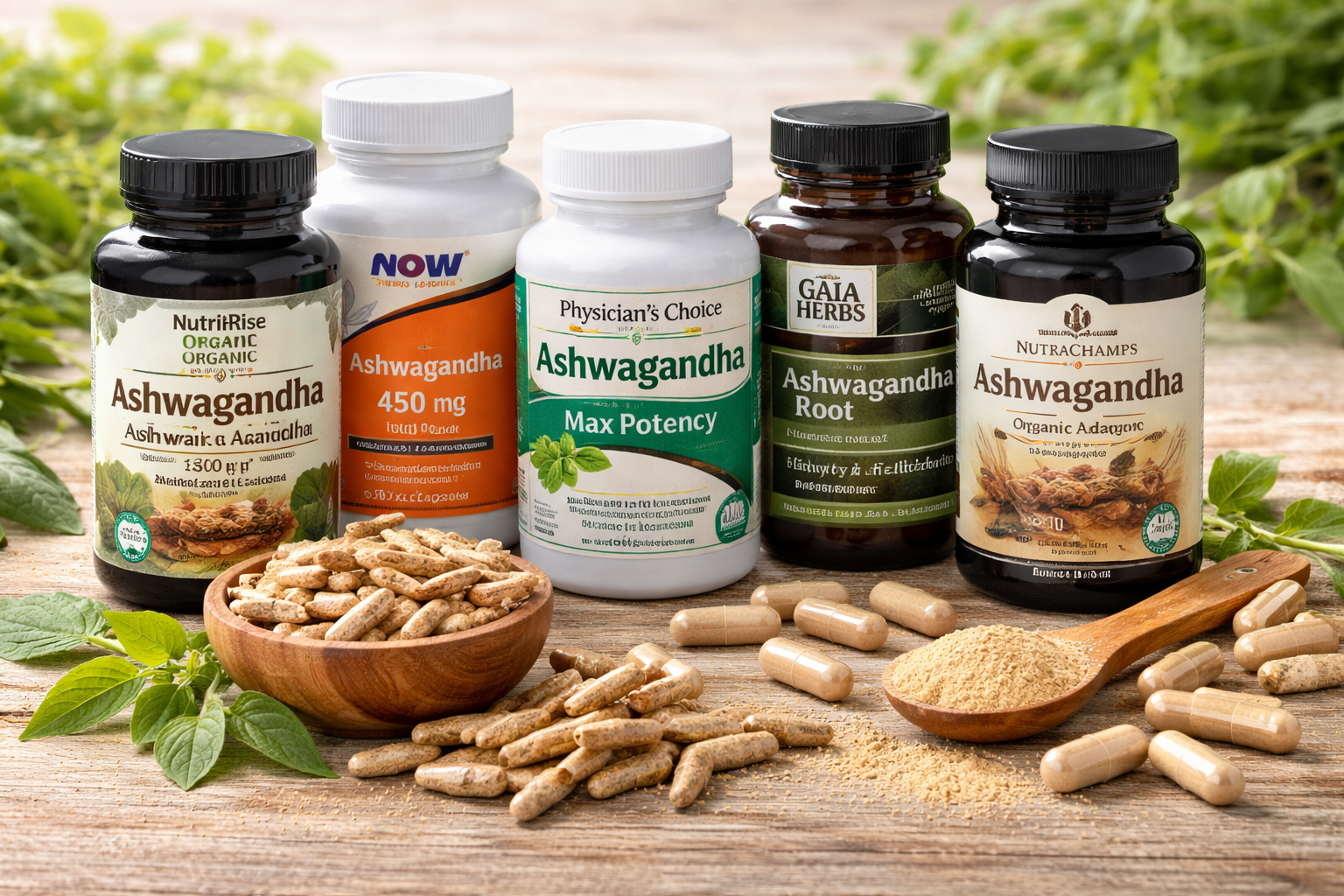
🎬 Watch: Top Supplements for Stress and Sleep.
📜 Prefer reading: Scroll down for detailed explanations of each stress-reduction technique.
What Makes a Best Ashwagandha Supplements UK?
Before comparing specific products, it helps to understand what separates a quality ashwagandha supplement from a mediocre one. Several factors influence effectiveness, and knowing what to look for can save you both money and disappointment.
Withanolide Content
Withanolides are the primary active compounds in ashwagandha believed responsible for many of its effects. A quality supplement should clearly state its withanolide content, typically expressed as a percentage. Most standardised extracts contain between 2.5% and 10% withanolides, with higher concentrations generally indicating more potent products.
However, more isn’t always better. Some traditional practitioners argue that the whole-plant profile matters, not just isolated compounds. Still, for those seeking specific therapeutic effects, standardised extracts with verified withanolide content offer more predictable results.
Extract Type and Processing
How ashwagandha is processed significantly affects the final product. Cold extraction methods, like those used for KSM-66, aim to preserve the full spectrum of active compounds. Other methods may use solvents or heat, which can alter the chemical profile. The extraction method influences not just potency but also how your body absorbs and utilises the supplement.
Third-Party Testing
Reputable brands submit their products for independent testing to verify potency and check for contaminants like heavy metals, pesticides, and microbial contamination. Certifications from organisations like the Soil Association (for organic claims) or testing reports from accredited laboratories provide additional assurance. If a company won’t share their testing results, that’s often a red flag.
Form and Bioavailability
Ashwagandha comes in capsules, tablets, powders, liquids, and even gummies. Capsules and tablets offer convenience and precise dosing. Powders allow flexible dosing and can be added to food or drinks, though many find the taste unpleasant. Liquid extracts may offer faster absorption but often contain alcohol as a preservative. Your personal preference and lifestyle should guide this choice.
Types of Ashwagandha Extract Explained
Understanding the main extract types helps you make sense of product labels and marketing claims. Each type has its own research base, processing method, and typical applications.
KSM-66
KSM-66 is arguably the most researched branded ashwagandha extract available today. Produced using a proprietary “Green Chemistry” process without alcohol or synthetic solvents, it’s made exclusively from ashwagandha roots—not leaves—and standardised to contain at least 5% withanolides.
Clinical studies on KSM-66 have examined its effects on stress, cortisol levels, cognitive function, physical performance, and reproductive health. It’s often the extract of choice for those seeking stress management benefits, as several studies have shown reductions in perceived stress and cortisol levels.
✓ KSM-66 Pros
- Extensive clinical research (24+ studies)
- Root-only extract (traditional approach)
- Standardised 5% withanolides
- Clean extraction process
- Good for energy and stress
✗ KSM-66 Cons
- Generally more expensive
- May be stimulating for some
- Effects take 4-8 weeks to notice
- Not suitable for everyone
Sensoril
Sensoril takes a different approach, using both root and leaf extracts to achieve a higher withanolide concentration—typically around 10%. This makes it one of the most potent standardised extracts available. The combination of root and leaf may provide a broader spectrum of active compounds.
Research on Sensoril has focused particularly on stress reduction, sleep quality, and cardiovascular markers. Some users find Sensoril more calming than KSM-66, making it potentially better suited for evening use or for those whose primary goal is relaxation rather than energy.
✓ Sensoril Pros
- Higher withanolide content (10%)
- More calming profile
- Good for sleep and relaxation
- Often requires lower doses
- Strong research backing
✗ Sensoril Cons
- Includes leaf extract (less traditional)
- May be too sedating for daytime use
- Fewer studies than KSM-66
- Premium pricing
Standard Root Powder and Basic Extracts
Beyond the branded extracts, you’ll find generic ashwagandha root powder and basic extracts. These are typically more affordable but come with less consistency in potency. Some products don’t specify their withanolide content at all, making it difficult to compare doses or predict effects.
That said, traditional Ayurvedic practitioners have used simple root preparations for thousands of years. If you’re looking for a gentler, more traditional approach—or if budget is a significant concern—basic root powder can still offer benefits. Just be aware that quality varies considerably between brands.
KSM-66 vs Sensoril: Which Is Better?
This is the question many people ask, and the honest answer is: it depends on what you’re looking for. Both are high-quality, well-researched extracts, but they have somewhat different profiles.
| Feature | KSM-66 | Sensoril |
|---|---|---|
| Plant Parts Used | Root only | Root + Leaf |
| Withanolide Content | ≥5% | ≥10% |
| Typical Dose | 300-600mg daily | 125-250mg daily |
| Primary Effects | Stress, energy, cognition | Relaxation, sleep, calm |
| Best Time to Take | Morning or daytime | Evening or bedtime |
| Clinical Studies | 24+ published | 12+ published |
| Extraction Method | Green chemistry (water-based) | Aqueous extraction |
| Best For | Active stress management | Sleep and deep relaxation |
Choose KSM-66 If…
You’re looking to manage daytime stress whilst maintaining energy and focus. KSM-66 tends to be more energising and is often taken in the morning. It’s particularly popular among those who want to stay productive under pressure without feeling sedated. If you’re interested in the potential cognitive or physical performance benefits, KSM-66 has more research in these areas.
Choose Sensoril If…
Your primary goals are relaxation, sleep improvement, or reducing anxiety in the evening. Sensoril’s higher withanolide content and inclusion of leaf compounds may produce a more calming effect. It’s often a better choice for those who find KSM-66 too stimulating or who specifically want support for winding down at night.
Some People Use Both
Interestingly, some people use KSM-66 in the morning for daytime stress resilience and Sensoril in the evening for sleep support. This isn’t necessarily backed by specific research, but the different profiles of each extract make this approach logical for those who want comprehensive support. As always, starting with one and seeing how you respond before adding another is sensible.
Best Ashwagandha for Different Goals
Your specific health goals should guide your choice. Here’s a breakdown of which types might suit different needs.
For Stress and Cortisol Support
Both KSM-66 and Sensoril have research showing potential cortisol-reducing effects. For general stress resilience during the day, KSM-66 at 300-600mg daily is well-studied. If stress manifests more as tension and racing thoughts, particularly in the evening, Sensoril’s calming profile may be preferable.
Pairing ashwagandha with other calming nutrients may enhance effects. Magnesium supplements, particularly glycinate forms, complement ashwagandha’s stress-supporting properties and are commonly used together.
For Sleep Quality
Sensoril generally gets the nod for sleep-focused goals. Research has specifically examined its effects on sleep quality markers. Taking it 1-2 hours before bed allows time for absorption. Some products combine ashwagandha with other sleep-supporting ingredients like magnesium or L-theanine.
For Physical Performance and Recovery
KSM-66 has been studied in athletes and active individuals, with some research suggesting potential benefits for strength, recovery, and endurance. Doses of 300-600mg daily are typical in these studies. It won’t replace proper training and nutrition, but it may offer modest support for those already doing the fundamentals well.
For Cognitive Function
Early research suggests ashwagandha may support memory and cognitive processing, possibly through stress reduction mechanisms. KSM-66 has more studies in this area. However, expectations should remain modest—we’re talking about potential subtle improvements, not dramatic cognitive enhancement.
How Ashwagandha Works With Other Supplements
Ashwagandha is often taken alongside other supplements, and understanding potential interactions—both beneficial and problematic—helps you build an effective routine. As an adaptogen, it’s commonly paired with complementary herbs and nutrients.
| Combination | Synergy Type | Why It Works | Evidence Level |
|---|---|---|---|
| Ashwagandha + Magnesium | 🔗 Cofactor | Both support the stress response and nervous system through complementary mechanisms | ⭐⭐ Moderate |
| Ashwagandha + L-theanine | 🛡️ Protection | L-theanine promotes calm alertness; combined effect may enhance relaxation without sedation | ⭐⭐ Moderate |
| Ashwagandha + Rhodiola | ⚡ Activation | Dual adaptogen approach; rhodiola is more stimulating, ashwagandha more calming | ⭐ Emerging |
| Ashwagandha + Vitamin D | 🔗 Cofactor | Both involved in mood regulation; vitamin D deficiency is common in UK and may compound stress | ⭐⭐ Moderate |
| Ashwagandha + B Vitamins | ⚡ Activation | B vitamins support energy metabolism and nervous system function during stressful periods | ⭐⭐ Moderate |
Adaptogens That Pair Well
Ashwagandha combines well with other adaptogens, each bringing different strengths. Rhodiola rosea is more energising and may work well with ashwagandha for those needing both stress resilience and mental clarity. Holy basil (tulsi) shares some calming properties and has been traditionally used alongside ashwagandha in Ayurvedic practice.
Some practitioners suggest cycling adaptogens—using one for several weeks, then switching—rather than combining them continuously. This approach isn’t definitively proven superior, but it’s one way to potentially prevent tolerance and maintain sensitivity to each herb’s effects.
Nutrients That Complement Ashwagandha
Magnesium is perhaps the most logical partner for ashwagandha. Both support the nervous system and stress response, and magnesium deficiency is common in the UK. Taking magnesium glycinate in the evening alongside Sensoril-type ashwagandha creates a calming pre-bed stack that many find helpful for sleep.
For those interested in supporting iron levels as well, it’s worth noting that ashwagandha should be taken separately from iron supplements, as some plant compounds can affect mineral absorption.
What to Look for When Buying in the UK
The UK supplement market includes products of varying quality. Knowing what to check helps you avoid wasting money on inferior products.
Regulatory Considerations
In the UK, supplements are regulated as foods rather than medicines, which means less stringent oversight than pharmaceutical drugs. The Food Standards Agency sets basic safety standards, but potency claims aren’t verified as rigorously as drug claims would be. This makes third-party testing and brand reputation particularly important.
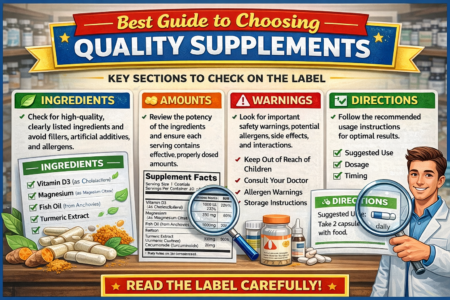
What the Label Should Tell You
A quality ashwagandha product label should clearly state:
- The type of extract (KSM-66, Sensoril, or other)
- Withanolide content (as a percentage)
- Dose per serving in milligrams
- Plant parts used (root, leaf, or both)
- Other ingredients (fillers, binders, etc.)
- Batch number (for traceability)
If any of this information is missing, consider it a warning sign. Reputable manufacturers are transparent about what’s in their products.
Certifications Worth Looking For
While not essential, certain certifications provide additional assurance:
- Soil Association Organic: For organic claims in the UK
- Informed Sport: Batch-tested for banned substances (relevant for athletes)
- GMP (Good Manufacturing Practice): Manufacturing quality standards
- Vegan Society or Vegetarian Society: For plant-based formulations
Price Expectations
Expect to pay more for branded extracts like KSM-66 and Sensoril compared to generic ashwagandha. A month’s supply of quality KSM-66 typically costs £15-30, while generic root powder can be significantly cheaper. The cheapest options aren’t always the best value if potency and purity are compromised.
💡 Tip: Check whether the price is for the total product weight or the weight of active extract. Some products appear cheaper but contain large amounts of filler alongside minimal active ingredient.
Safety Considerations and Precautions
While ashwagandha has a generally good safety profile in research, it’s not appropriate for everyone. Understanding the potential risks helps you make an informed decision.
Who Should Avoid Ashwagandha
Certain groups should avoid ashwagandha or use it only under medical supervision:
- Pregnant or breastfeeding women: Limited safety data; traditionally contraindicated
- People with thyroid conditions: Ashwagandha may affect thyroid hormone levels
- Those with autoimmune conditions: May stimulate immune activity
- People scheduled for surgery: May affect anaesthesia or bleeding
- Those taking sedative medications: Potential additive effects
Potential Side Effects
Most people tolerate ashwagandha well, but reported side effects include:
- Digestive upset, particularly at higher doses
- Drowsiness (especially with Sensoril)
- Headache in some individuals
- Changes in appetite
- Vivid dreams (anecdotal but commonly reported)
Starting with a lower dose and gradually increasing allows you to assess tolerance. If side effects occur, reducing the dose or trying a different form may help.
Medication Interactions
| Combination | Risk Level | Interaction | Recommendation |
|---|---|---|---|
| Ashwagandha + Thyroid medication | HIGH | May increase thyroid hormone levels, altering medication needs | Consult GP before use |
| Ashwagandha + Sedatives/sleep aids | MODERATE | May enhance sedative effects | Use caution; discuss with GP |
| Ashwagandha + Immunosuppressants | MODERATE | May counteract immunosuppressive effects | Avoid or consult specialist |
| Ashwagandha + Blood pressure medication | MODERATE | May have additive blood pressure-lowering effects | Monitor BP; inform GP |
| Ashwagandha + Diabetes medication | MODERATE | May affect blood sugar levels | Monitor blood glucose; inform GP |
| Ashwagandha + Caffeine | LOW | Generally well tolerated together; may balance stimulant effects | Generally safe |
⚠️ Important: If you take any prescription medications, consult your GP or pharmacist before starting ashwagandha. Even “natural” supplements can interact with medicines in significant ways.
Recommended Products
Premium KSM-66 Ashwagandha 600mg
A high-strength KSM-66 formula providing 600mg of standardised root extract per capsule, ideal for daytime stress support and maintaining energy under pressure.
- 600mg KSM-66 per vegetarian capsule
- Standardised to 5% withanolides
- 60 capsules per bottle (2-month supply)
Organic Ashwagandha Root Extract 1000mg
Certified organic ashwagandha root extract offering a traditional whole-plant approach with higher serving size, suitable for those preferring gentler, sustained adaptogen support.
- 1000mg organic root extract per serving
- Soil Association certified organic
- Vegan-friendly capsules
Frequently Asked Questions
How long does ashwagandha take to work?
Most people notice effects within 4-8 weeks of consistent daily use, though some report subtle changes earlier. Ashwagandha works by gradually modulating stress response systems rather than providing immediate relief like a sedative would. For sleep-related benefits, effects may be noticeable within 2-4 weeks. Patience and consistency are key—taking it sporadically is unlikely to produce meaningful results.
Can I take ashwagandha every day long-term?
Research studies have used ashwagandha daily for periods up to 8-12 weeks without significant safety concerns. However, long-term studies beyond this are limited. Some practitioners recommend cycling—taking it for 8-12 weeks, then having a break—though this isn’t definitively proven necessary. If you experience any unusual symptoms with extended use, consult your GP.
Should I take ashwagandha in the morning or at night?
It depends on the extract and your goals. KSM-66 and similar energising extracts are often better in the morning or early afternoon to avoid potential sleep disruption. Sensoril and calming formulations work well in the evening, particularly if sleep support is your goal. Some people split their dose, taking half in the morning and half before bed.
Is ashwagandha safe to take with antidepressants?
This requires caution and professional guidance. Ashwagandha may affect serotonin and other neurotransmitter systems, which could theoretically interact with certain antidepressants. If you’re taking any mental health medication, discuss ashwagandha with your prescribing doctor or pharmacist before starting. Never adjust medication based on starting a supplement.
What’s the difference between ashwagandha root and leaf extracts?
Traditional Ayurvedic preparations use primarily the root, which is considered the most potent and balanced part of the plant. Some modern extracts, like Sensoril, include leaf material to boost withanolide content. Root-only extracts (like KSM-66) are often viewed as more traditional, while combined extracts may offer higher potency. Both approaches have merits; the “best” choice depends on your priorities.
Can ashwagandha help with weight loss?
Ashwagandha isn’t a weight loss supplement, but it may indirectly support weight management through its effects on stress and cortisol. Chronic stress and elevated cortisol are associated with weight gain, particularly around the midsection. By potentially reducing stress-related eating and supporting metabolic balance, ashwagandha might play a supportive role—but it won’t overcome poor diet or lack of exercise.
Final Thoughts
Choosing the best ashwagandha supplements UK comes down to understanding your goals and matching them to the right extract type. For daytime stress resilience and energy, KSM-66’s research profile and root-only approach make it a strong choice. For evening relaxation and sleep support, Sensoril’s higher withanolide content and calming effects may suit you better.
Quality matters more than finding the absolute cheapest option. Standardised extracts with verified withanolide content, third-party testing, and transparent labelling justify their higher price points. A quality supplement that works is infinitely better value than a cheap one that doesn’t.
Remember that ashwagandha, like any supplement, works best as part of a broader approach to stress management. Adequate sleep, regular physical activity, social connection, and professional support when needed all matter more than any pill. Think of ashwagandha as a potential tool in your toolkit, not a magic solution.
If you have underlying health conditions, take medications, or are pregnant or breastfeeding, consulting your GP before trying ashwagandha is essential. For everyone else, starting with a modest dose of a quality extract and giving it 6-8 weeks is a reasonable approach to seeing whether this ancient herb offers benefits for you.
Sources
- NHS. “Herbal and Traditional Medicines.” NHS Choices. NHS — Herbal Supplements
- NIH. “Ashwagandha.” National Center for Complementary and Integrative Health. NIH ODS — Fact Sheets
- Chandrasekhar K, et al. “A prospective, randomized double-blind, placebo-controlled study of safety and efficacy of a high-concentration full-spectrum extract of ashwagandha root in reducing stress and anxiety in adults.” Indian Journal of Psychological Medicine. PubMed — Ashwagandha Research
- Langade D, et al. “Efficacy and Safety of Ashwagandha Root Extract in Insomnia and Anxiety.” Cureus. PubMed — Ashwagandha Sleep Studies
- Harvard Health Publishing. “Adaptogens: What Are They?” Harvard Medical School. Harvard Health — Adaptogens
- Examine. “Ashwagandha Summary.” Examine.com. Examine — Ashwagandha
Written by Arsim Rama
Health Content Specialist · Last reviewed: January 2026
Affiliate Disclosure: This article may contain affiliate links. If you purchase through these links, we may earn a small commission at no extra cost to you. We only recommend products we believe in.
Medical Disclaimer: This article is for educational purposes only and does not constitute medical advice. Always consult your GP or qualified healthcare professional before making changes to your health regimen.