

Author: admin

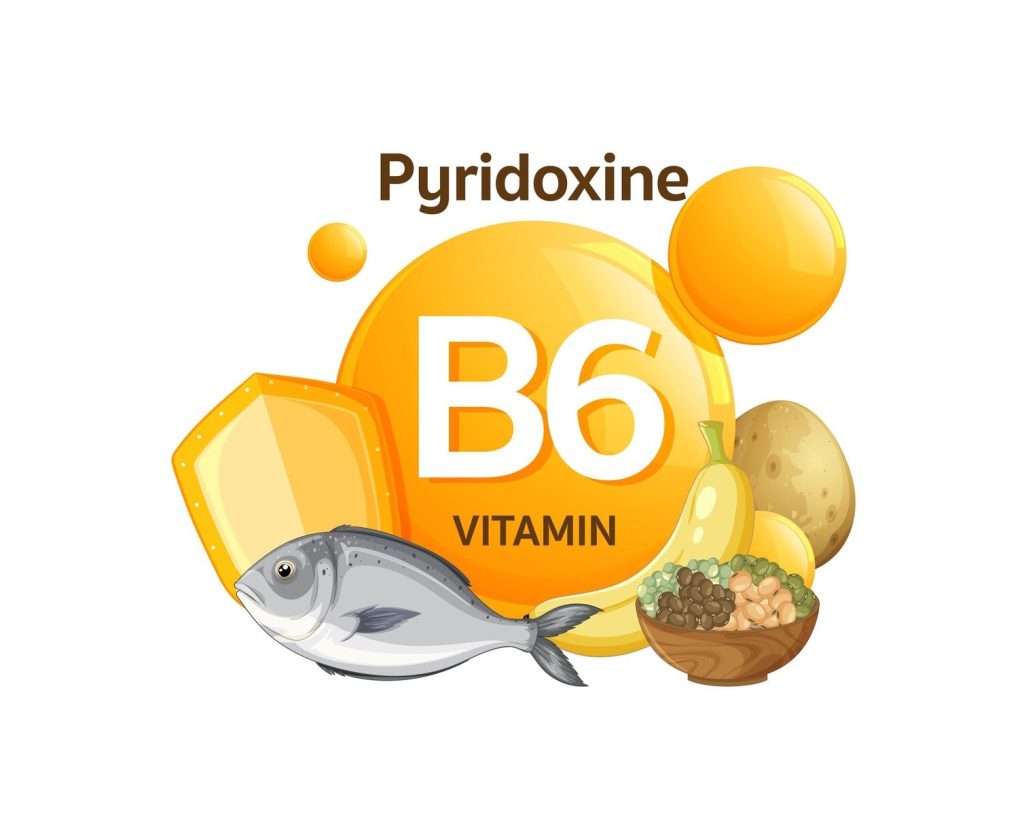
Vitamin B6 – The Multifunctional Coenzyme Essential for Over 100 Enzymatic Reactions As pyridoxal 5′-phosphate (PLP), this water-soluble vitamin serves as a cofactor in amino acid metabolism, neurotransmitter biosynthesis, haemoglobin formation and gluconeogenesis – making it one of the most metabolically active B vitamins. 📅 08.05.2025 ⏱️ 16 min read 📂 Health & Nutrition 🔑 Key Takeaways Vitamin B6 encompasses six interconvertible vitamers, with pyridoxal 5′-phosphate (PLP) serving as the primary active coenzyme form PLP functions as a cofactor in over 100 enzymatic reactions, predominantly in amino acid metabolism, transamination and decarboxylation Critical roles include neurotransmitter synthesis (serotonin, dopamine,…

Biotin: The Complete Scientific Guide to Vitamin B7 Medical Disclaimer: This article is intended for informational and educational purposes only. It does not constitute medical advice, diagnosis, or treatment. Biotin supplementation may interact with certain medications and laboratory tests. Always consult a qualified healthcare professional before making changes to your diet or supplement regimen, particularly if you have underlying health conditions or are taking prescription medications. Last reviewed: January 2025 | Reading time: approximately 14 minutes Key Takeaways Essential coenzyme: Biotin functions as a critical cofactor for five carboxylase enzymes involved in fatty acid synthesis, amino acid catabolism, and…

Your Essential Guide to Vitamin B12: What This Vital Nutrient Does for You Medical Disclaimer: This article provides general information about vitamin B12 for educational purposes only. It is not intended as medical advice, diagnosis, or treatment. Individual needs vary, and you should consult a qualified healthcare professional before making changes to your diet or starting supplementation, especially if you have existing health conditions or concerns about deficiency. Last reviewed: January 2025 | Reading time: approximately 8 minutes Key Takeaways Essential for nerve health: Vitamin B12 plays a crucial role in maintaining healthy nerve cells and producing the protective myelin…
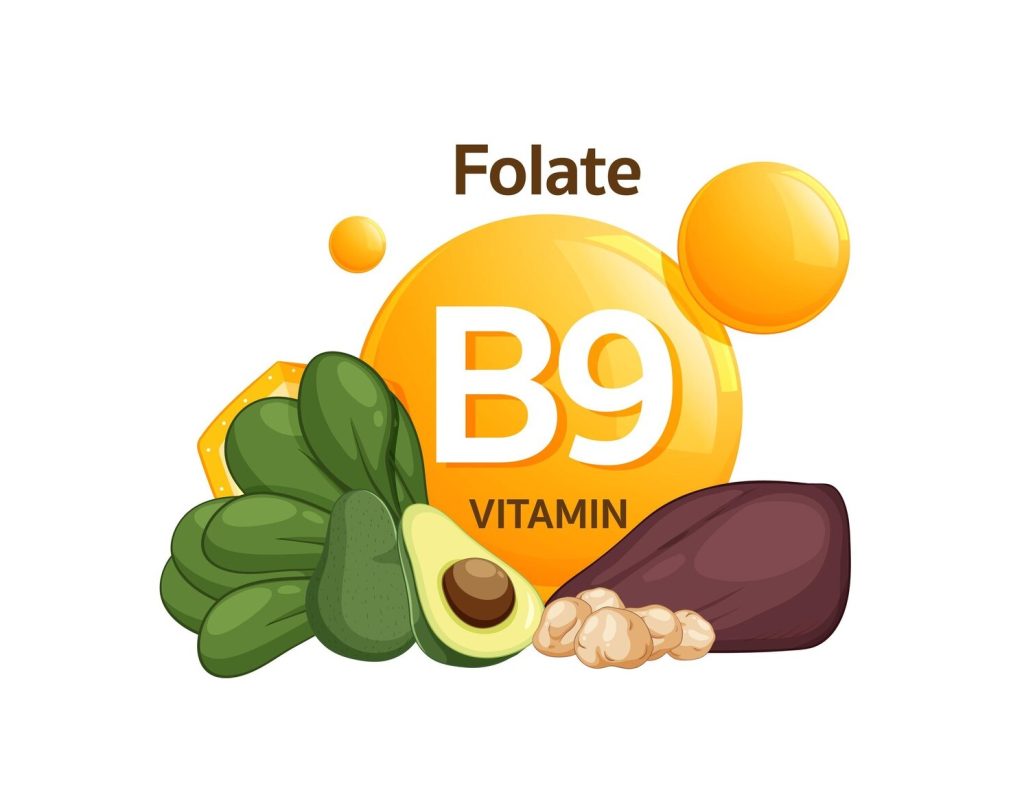
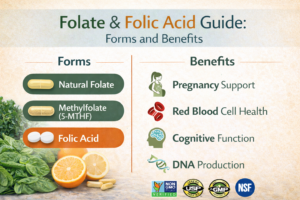
Editorial Disclosure: This article provides general educational information about Vitamin B9 (folic acid) and is not intended as medical advice. Individual nutritional needs vary based on health status, age, and other factors. Always consult with a qualified healthcare professional before making changes to your diet or starting any supplement regimen. Some links in this article may be affiliate links. 🔑 Key Takeaways Vital nutrient: Vitamin B9 is essential for DNA synthesis, cell division, and red blood cell formation Pregnancy essential: Adequate folic acid intake may help reduce the risk of neural tube defects in developing babies Food sources: Leafy greens,…

Medical Disclaimer: This article provides general educational information about Vitamin C and is not intended as medical advice. Individual health needs vary significantly. Always consult with a qualified healthcare professional before making changes to your diet or starting any supplement regimen. The information presented should not replace professional medical guidance. 🔑 Key Takeaways Essential antioxidant: Vitamin C protects cells from damage and supports numerous vital body functions Immune support: Research suggests it may help reduce the duration and severity of common cold symptoms Food sources matter: Citrus fruits, berries, and vegetables provide natural Vitamin C alongside beneficial plant compounds…

✓ Quick Answer Vitamin D3 (cholecalciferol) is essential for calcium absorption, immune function, and bone health. Most UK adults need 1000-4000 IU daily, especially October through March when sunlight cannot produce adequate vitamin D. It’s best absorbed when taken with food containing fats. Vitamin D3 is a fat-soluble nutrient that regulates calcium absorption, supports immune cell function, and maintains bone density. Unlike vitamin D2, D3 is the form your body naturally produces from sunlight and is more effective at raising blood levels. In the UK’s climate, supplementation is often necessary during winter months when UVB exposure is insufficient. 📅 Last…
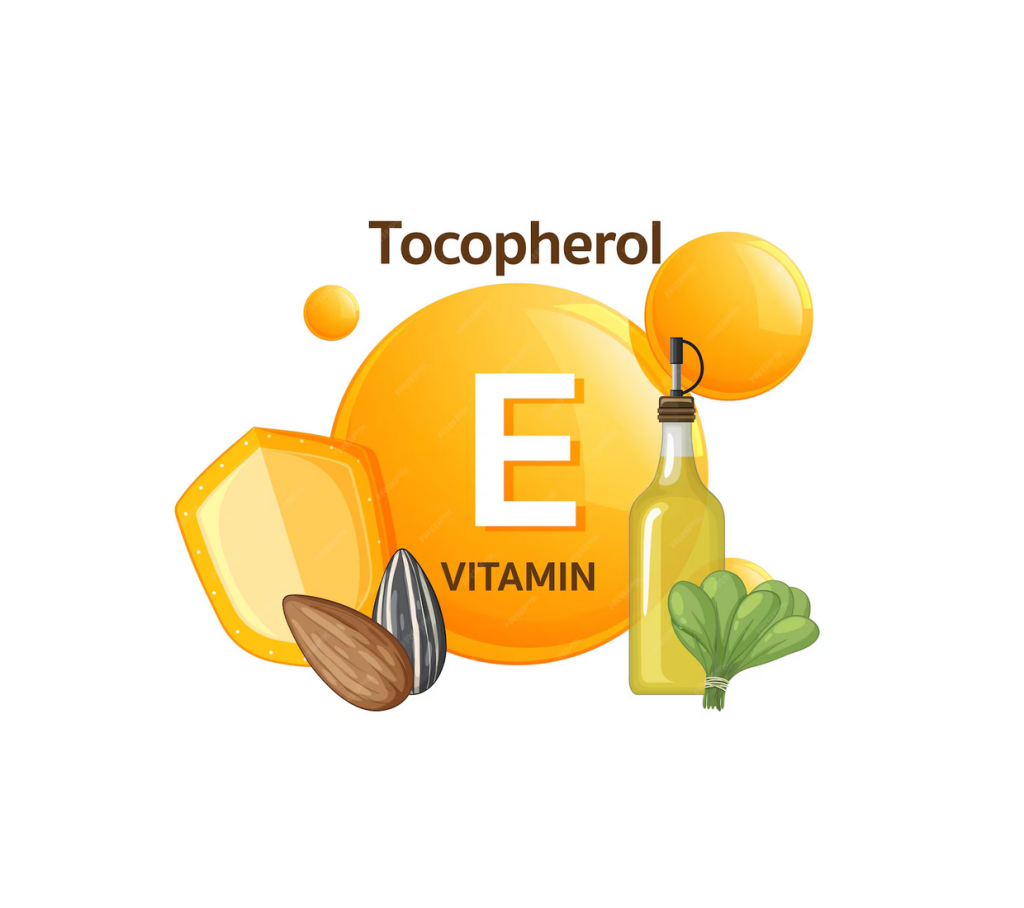
Understanding Vitamin E: Benefits, Sources, and What the Science Says 🔑 Key Takeaways Vitamin E is a fat-soluble antioxidant that helps protect cells from oxidative damage caused by free radicals, and plays a role in immune function and skin health. Most people can get enough vitamin E through a balanced diet rich in nuts, seeds, vegetable oils, and leafy green vegetables — deficiency is relatively rare in healthy adults. Alpha-tocopherol is the form of vitamin E most actively used by the human body, and is the form found in most supplements. High-dose supplementation may carry risks — always consult a…

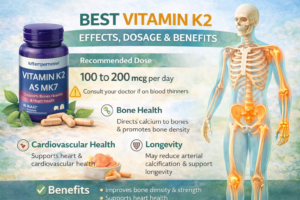
Vitamin K2: The Essential Nutrient You Might Be Missing | PauLinna Health & Nutrition Understanding Vitamin K2: Benefits, Sources and What the Research Says ✓ Vitamin K2 is distinct from K1 and may play an important role in calcium regulation, bone health and cardiovascular function ✓ Food sources include fermented foods like natto, certain cheeses, egg yolks and organ meats ✓ Research suggests K2 works synergistically with vitamin D3 for optimal calcium metabolism ✓ Consult a healthcare professional before supplementing, especially if taking blood-thinning medications 📖 Table of Contents 1. Introduction 2. What Is Vitamin K2? 3. How Vitamin K2…

To understand the new smart watched and other pro devices of recent focus, we should look to Silicon Valley and the quantified movement. Apple’s Watch records exercise, tracks our moves throughout the day, checks the amount of time we are stood up and reminds us to get up and move around if we have been sat for too long – let’s not forget Tim Cooks “sitting is the new coolness” line. What we like: Angled second screen is quite useful.Durability is top notch.Better dual-screen software.Powerful hardware features. What we dislike: Less battery life than other options.Keyboard and trackpad are flimsy.No…

Quick Answer: A personal health assessment is a systematic evaluation of your physical, mental, and lifestyle factors that influence overall wellbeing. Regular self-assessment helps you identify potential concerns early, track progress, and have more productive conversations with healthcare providers. Key Takeaways ✓ Regular health self-evaluation helps identify potential issues before they become serious problems ✓ Key areas to monitor include energy levels, sleep quality, digestion, mood, and physical symptoms ✓ Self-assessment complements but never replaces professional medical evaluation ✓ Tracking your health over time reveals patterns that can guide lifestyle and wellness decisions Introduction Understanding your personal health situation is…