

Author: admin

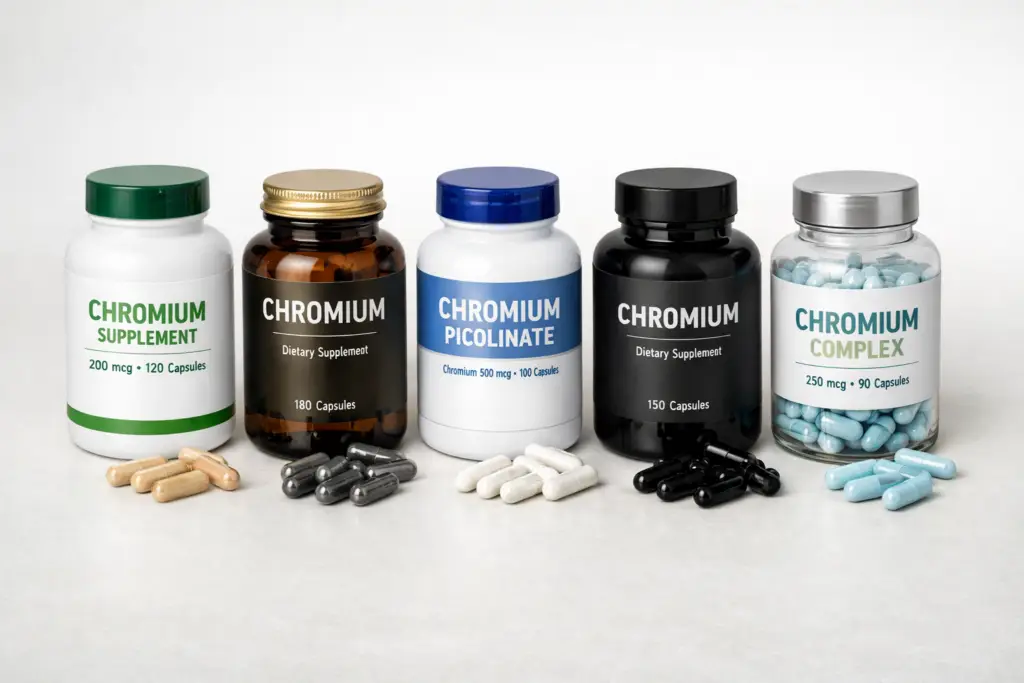
Sk ⭐ Key Takeaways Chromium picolinate is the most researched form, but chromium polynicotinate may offer superior bioavailability. The recommended daily dose for most adults is 200–500 mcg, depending on health goals and form used. Chromium may support blood sugar regulation and insulin sensitivity, though evidence remains mixed for healthy individuals. Important drug interactions exist — particularly with metformin, insulin, and NSAIDs. Our top pick is Thorne Chromium Picolinate for its third-party testing, optimal dosage, and clean formulation. Quick Answer: The best chromium supplement for most people is chromium picolinate at 200–500 mcg daily, backed by the most clinical evidence…
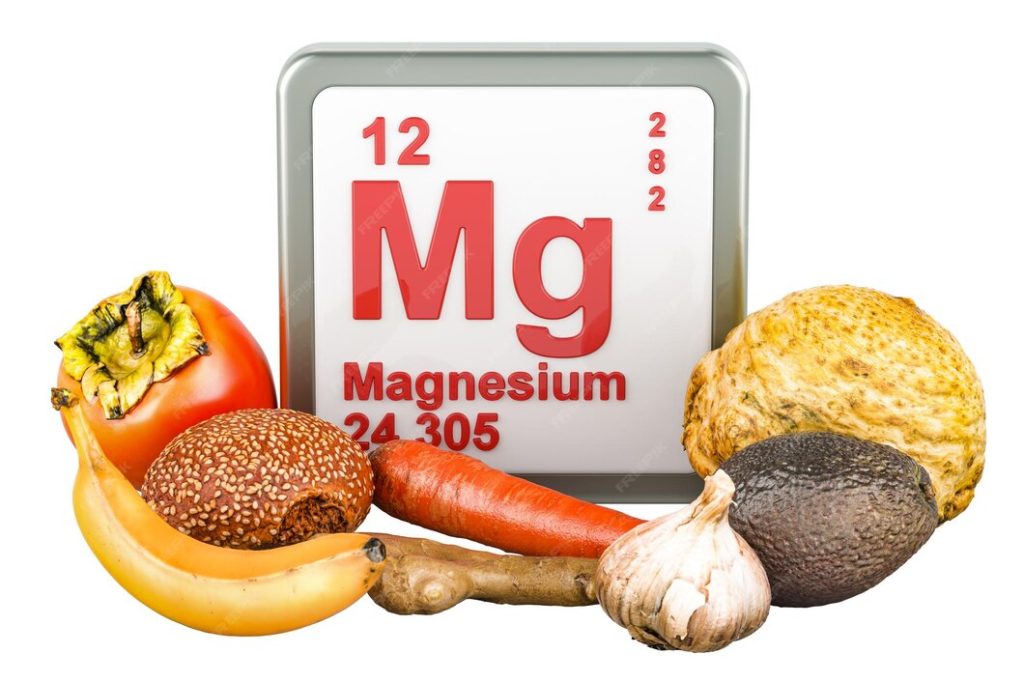
Quick Answer: A magnesium complex supplement combines multiple forms of magnesium (such as glycinate, citrate, taurate, and malate) in one product. This approach targets different tissues and functions simultaneously, potentially offering broader benefits than single-form supplements for sleep, muscles, mood, and heart health. 🎯 Key Takeaways ✓ Different magnesium forms have different absorption rates and target different body systems—complexes aim to provide comprehensive coverage ✓ Up to 75% of people in Western countries don’t get enough magnesium from diet alone, making supplementation increasingly relevant ✓ Magnesium glycinate excels for sleep and anxiety, citrate for constipation, and taurate for heart health—complexes…
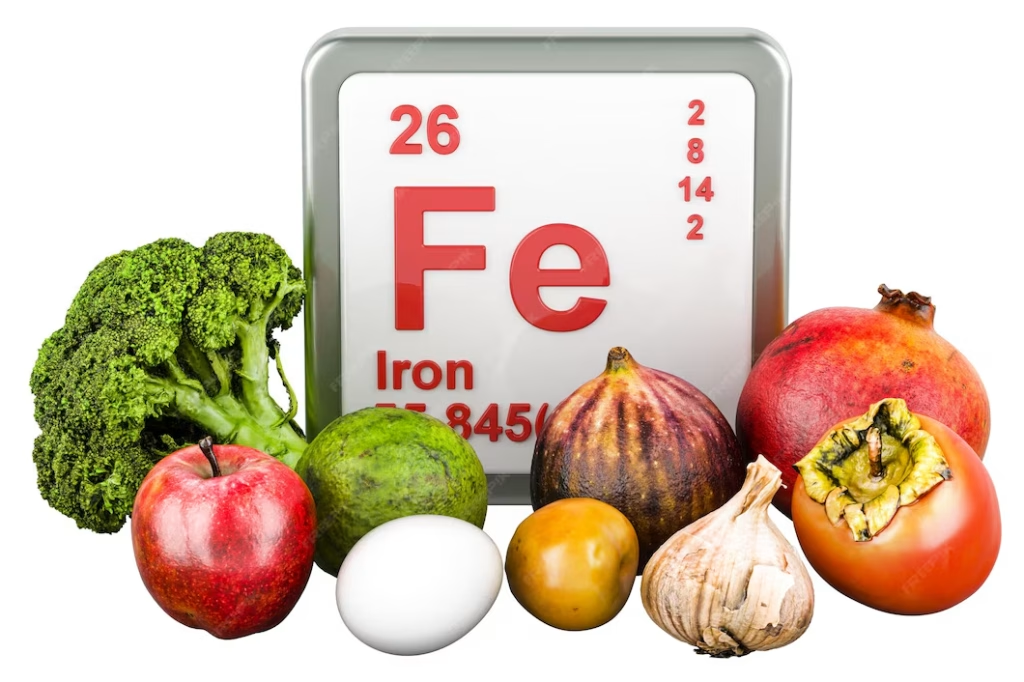
Quick Answer: Copper Supplements provide essential trace minerals that may support energy production, immune function, and iron absorption. They are often used to address dietary deficiencies when food intake alone is insufficient. Key Takeaways ✓ Copper acts as a vital cofactor for enzymes involved in energy production and iron metabolism. ✓Deficiency is rare but can lead to anaemia and bone abnormalities in specific populations. ✓ Chelated forms like copper bisglycinate generally offer superior absorption compared to basic salts. ✓ Balancing zinc intake is crucial, as high zinc levels can deplete copper stores in the body. Introduction While often overshadowed by…

Quick Answer: Iodine is an essential mineral your body cannot produce on its own. It’s vital for thyroid hormone production, which regulates metabolism, supports brain development, and maintains energy levels throughout life. 🎬 Watch: How to maximise absorption and avoid common pitfalls with your daily dose. 📜 Prefer reading: Scroll down for detailed explanations of each stress-reduction technique. 🎯 Key Takeaways ✓ Adults need 150 micrograms of iodine daily, with higher requirements during pregnancy and breastfeeding ✓ Iodine deficiency affects nearly 2 billion people worldwide and is the leading preventable cause of intellectual disabilities ✓ Best dietary sources include seaweed,…

Quick Answer: The benefits of taking manganese include supporting bone health, enhancing antioxidant protection, aiding carbohydrate metabolism, promoting wound healing, and maintaining healthy brain function. Adults typically need 1.8–2.3mg daily. 🎯 Key Takeaways ✓ Manganese is essential for bone formation and helps prevent osteoporosis when combined with calciumand vitamin D ✓ This trace mineral activates manganese superoxide dismutase (MnSOD), one of your body’s most powerful antioxidant enzymes ✓ Most people obtain sufficient manganese through diet, but certain groups may benefit from supplementation ✓ The tolerable upper intake level is 11mg daily for adults—exceeding this may cause neurological symptoms Editorial Note:…
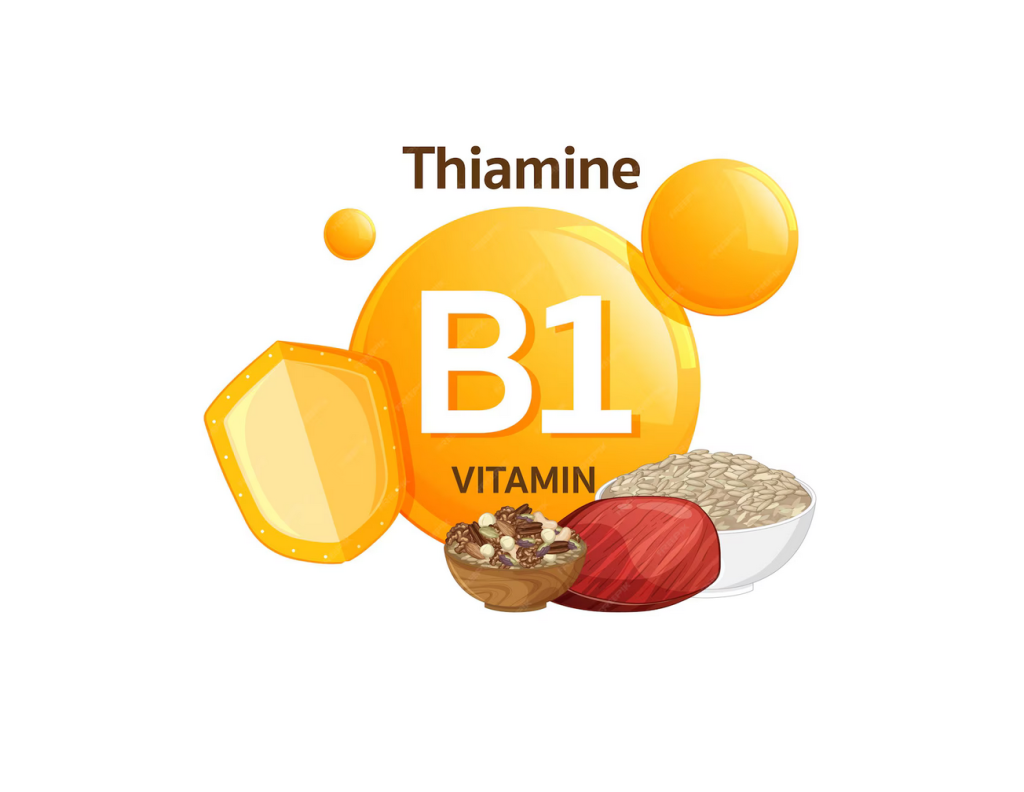
Quick Answer: Vitamin B1 (thiamine) is an essential water-soluble vitamin that converts carbohydrates into energy, supports nervous system function, and maintains heart health. Adults need 0.8-1.1mg daily, which most people obtain through diet, though certain groups may benefit from supplementation. 🎬 Watch: How this essential nutrient works in your body and the key benefits supported by research. 📜 Prefer reading: Scroll down for detailed explanations of each stress-reduction technique. 🎯 Key Takeaways ✓ Vitamin B1 is essential for converting food into cellular energy and cannot be produced by the body ✓ Deficiency can lead to serious conditions including beriberi and…
Quick Answer: When comparing 30 minutes of exercise vs daily steps, research shows both deliver significant health benefits. Structured exercise offers greater cardiovascular and strength gains, whilst accumulating steps throughout the day improves metabolic health and is more sustainable for beginners. The optimal approach combines both strategies. 🎯 Key Takeaways ✓ Thirty-minute structured workouts provide superior cardiovascular conditioning and muscle-building benefits compared to casual walking alone ✓ Daily step accumulation reduces sedentary behaviour risks and supports consistent metabolic function throughout the day ✓ Research indicates 7,000-10,000 daily steps combined with 150 minutes of weekly moderate exercise delivers optimal health outcomes…
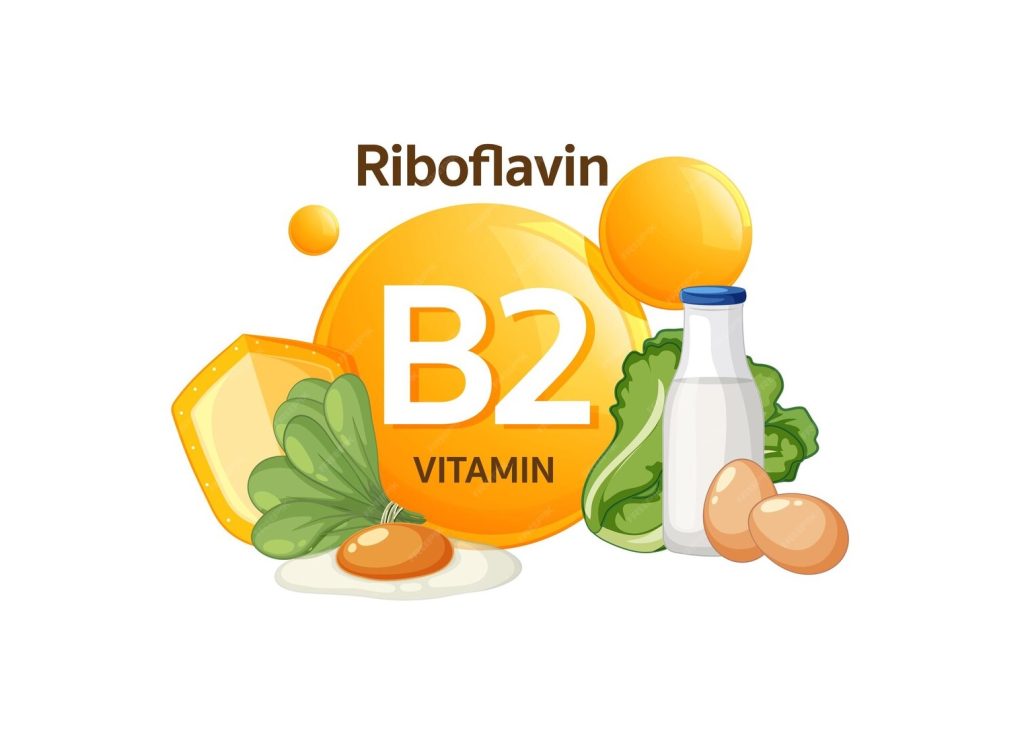
Quick Answer: Vitamin B2 (riboflavin) is an essential water‑soluble B vitamin that helps convert food into energy, supports normal vision, protects cells from oxidative stress and contributes to healthy skin and nerves. Deficiency is treatable with diet and, when needed, targeted vitamin B2 supplements. 🎯 Key Takeaways ✓ Vitamin B2 (riboflavin) is vital for energy production, red blood cell formation, normal vision and protection against oxidative stress. ✓ The NHS recommends around 1.3mg per day for adult men and 1.1mg for adult women, with higher needs in pregnancy and breastfeeding. ✓ Low riboflavin status can cause fatigue, mouth cracks, sore…
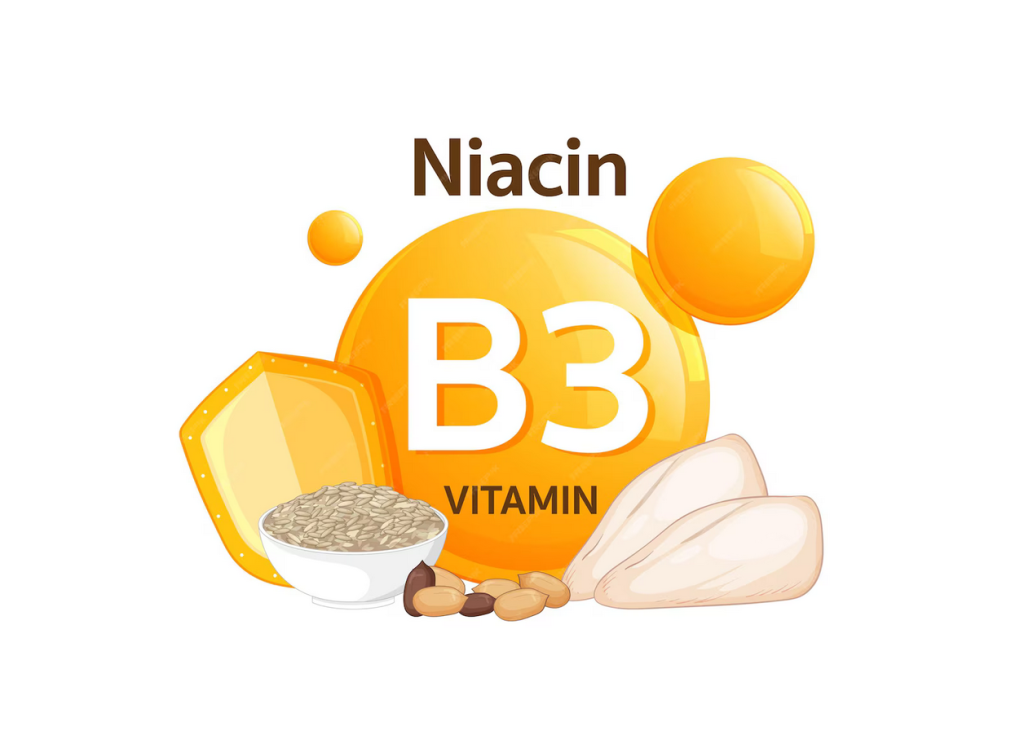
Vitamin B3 (Niacin): Your Complete Guide to This Essential Nutrient Understanding how this vital B vitamin may support your energy, skin health, and overall wellbeing—and how to get enough from your diet. 📅 23 Jan 2025⏱️ 10 min read📁 Health & Nutrition 🔑 Key Takeaways Vitamin B3 (niacin) is an essential nutrient that plays a crucial role in converting food into energy and supporting cellular function Good dietary sources include poultry, fish, whole grains, legumes, and fortified foods Niacin deficiency is uncommon in developed countries but may cause fatigue and skin problems when it occurs Always consult a healthcare professional…
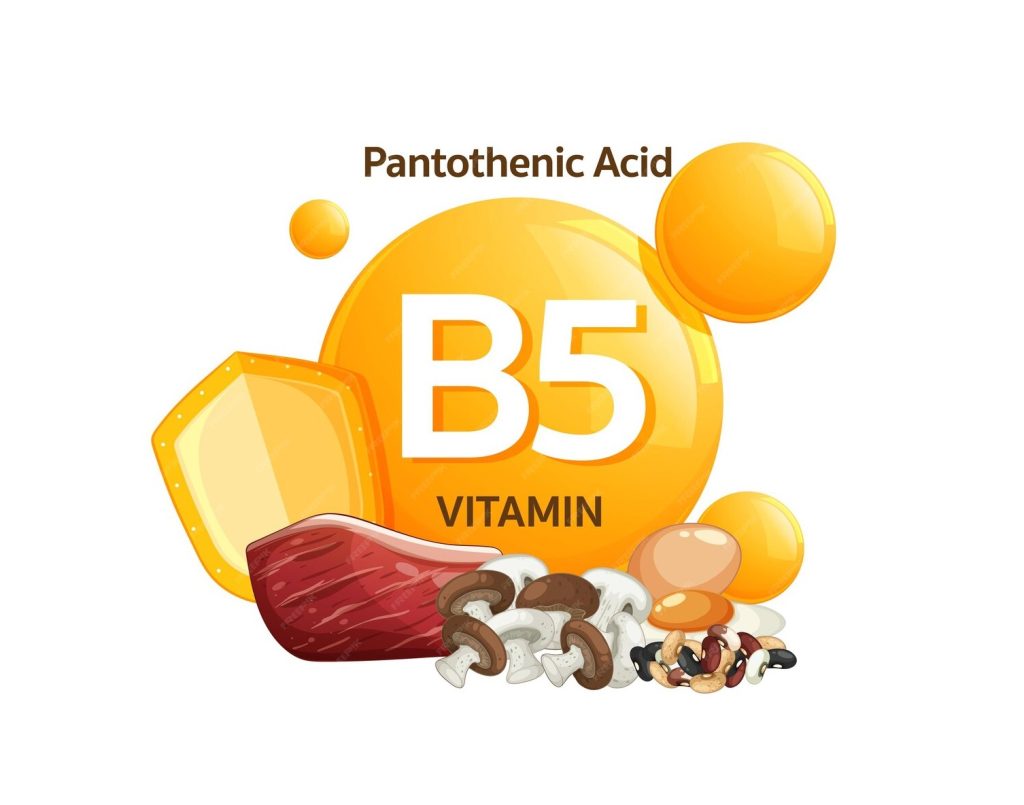
Vitamin B5 – Everything You Need to Know About the ‘Everywhere Vitamin’ This essential B vitamin appears in nearly every food you eat – and it’s fundamental to how your body produces energy, synthesises hormones and maintains healthy cells. 📅 [08.12.2025]⏱️ 15 min read📂 Health & Nutrition 🔑 Key Takeaways Vitamin B5 (pantothenic acid) is essential for producing coenzyme A, a molecule involved in over 100 metabolic reactions This water-soluble vitamin supports energy production, hormone synthesis, skin health and nervous system function True deficiency is rare because B5 appears in almost all foods, though certain populations may be at…