

Author: admin


Quick Answer: The most Essential Natural Supplements Guide for most UK adults include vitamin D (particularly October–March), omega-3 fatty acids, and magnesium—nutrients commonly lacking in modern diets. Vitamin B12 is especially important for vegetarians and vegans, while probiotics support gut health across all dietary patterns. Quality matters enormously, and more supplements aren’t necessarily better—focus on addressing genuine gaps rather than taking everything available. With thousands of supplements lining pharmacy shelves and flooding online stores, knowing which ones genuinely matter can feel overwhelming. Some deliver meaningful health benefits backed by solid research; others offer little beyond expensive urine. This guide cuts…
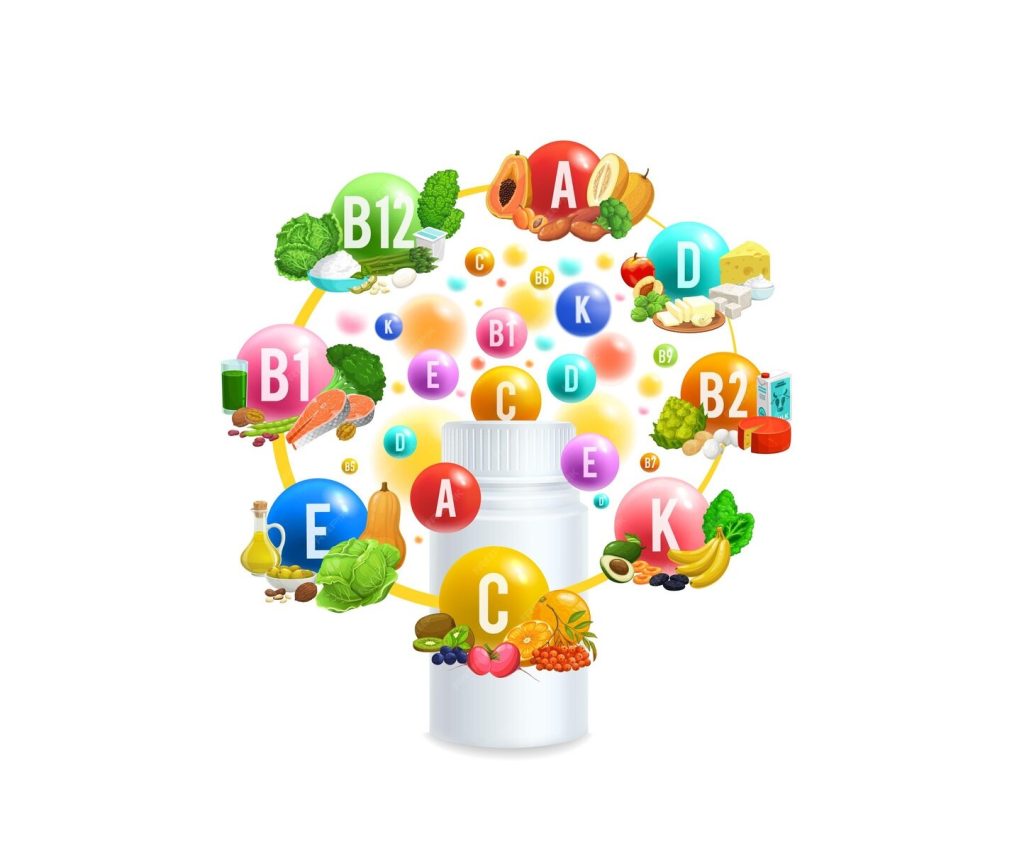
Quick Answer: Multivitamins may benefit people with genuine nutritional gaps—including older adults, those with restricted diets, pregnant women, and individuals with absorption issues. However, for healthy adults eating a varied diet, evidence for broad health benefits remains mixed. The key is understanding whether you have specific needs that a multivitamin can address, choosing quality formulations, and being aware of potential risks like nutrient excess or medication interactions. Multivitamins remain the most popular dietary supplement in the UK, with millions of people taking them daily as nutritional insurance. Yet the question persists: are they genuinely beneficial, potentially harmful, or simply expensive…
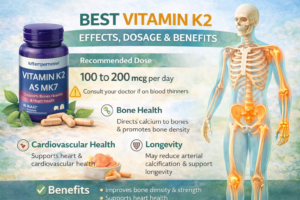
Quick Answer: Vitamin K2 helps direct calcium to your bones and teeth whilst keeping it away from your arteries. MK-7 stays active in your body longer (making it ideal for once-daily dosing), whilst MK-4 works quickly but requires multiple doses. For most people seeking bone and cardiovascular support, MK-7 at 100–200 mcg daily offers the best balance of effectiveness and convenience. Vitamin K2 is a fat-soluble vitamin that activates proteins responsible for calcium metabolism, supporting bone mineralisation and helping to prevent arterial calcification. The two main supplemental forms—MK-4 and MK-7—differ in their half-life, dosing requirements, and tissue distribution, with MK-7…
Quick Answer: The best zinc supplements use highly absorbable forms like zinc picolinate, zinc citrate, or zinc bisglycinate. For most adults, 15–30 mg daily is sufficient for general health, taken with food to minimise stomach upset. If supplementing long-term at doses above 25 mg, consider a formula that includes copper to maintain mineral balance. Zinc is an essential trace mineral involved in over 300 enzymatic reactions, supporting immune function, wound healing, protein synthesis, and DNA production. The best zinc supplements offer bioavailable forms at appropriate doses, with zinc picolinate and zinc citrate generally providing superior absorption compared to cheaper alternatives…
Quick Answer: The best iron supplements in the UK use gentle, highly absorbable forms like iron bisglycinate or ferrous fumarate rather than ferrous sulphate, which commonly causes digestive upset. Key signs of iron deficiency include persistent fatigue, breathlessness, pale skin, and brittle nails. Most adults need 8.7–14.8 mg of iron daily, but deficiency often requires higher therapeutic doses under GP guidance. Iron deficiency is the most common nutritional deficiency worldwide, affecting an estimated 2 billion people—and the UK is no exception. The best iron supplements available in the UK offer gentle, well-absorbed forms that effectively restore iron levels without the…

Quick Answer: The best omega-3 fish oil supplements provide meaningful amounts of EPA and DHA from quality sources, undergo third-party testing for purity, and match your specific health goals. Research suggests omega-3s may support heart health, brain function, and inflammatory balance when taken consistently as part of a healthy lifestyle. Omega-3 fish oil ranks among the most researched dietary supplements available. EPA and DHA—the primary omega-3 fatty acids found in fish oil—serve essential roles in cell membrane structure, cardiovascular function, and brain health. Choosing a quality product involves understanding potency, purity standards, and which form best suits your individual needs…

Quick Answer: The best CBD product depends largely on your specific needs, though full-spectrum oils often provide the widest range of benefits due to the ‘entourage effect’. Evidence suggests CBD may help with anxiety, pain management, and sleep, but quality varies significantly. Always look for third-party lab testing and start with a low dose to assess tolerance. CBD, or cannabidiol, has rapidly moved from a niche interest to a mainstream wellness staple. It is now found in everything from coffee shops to pharmacies, promising relief for a myriad of ailments. However, this explosion in popularity has led to a saturated…
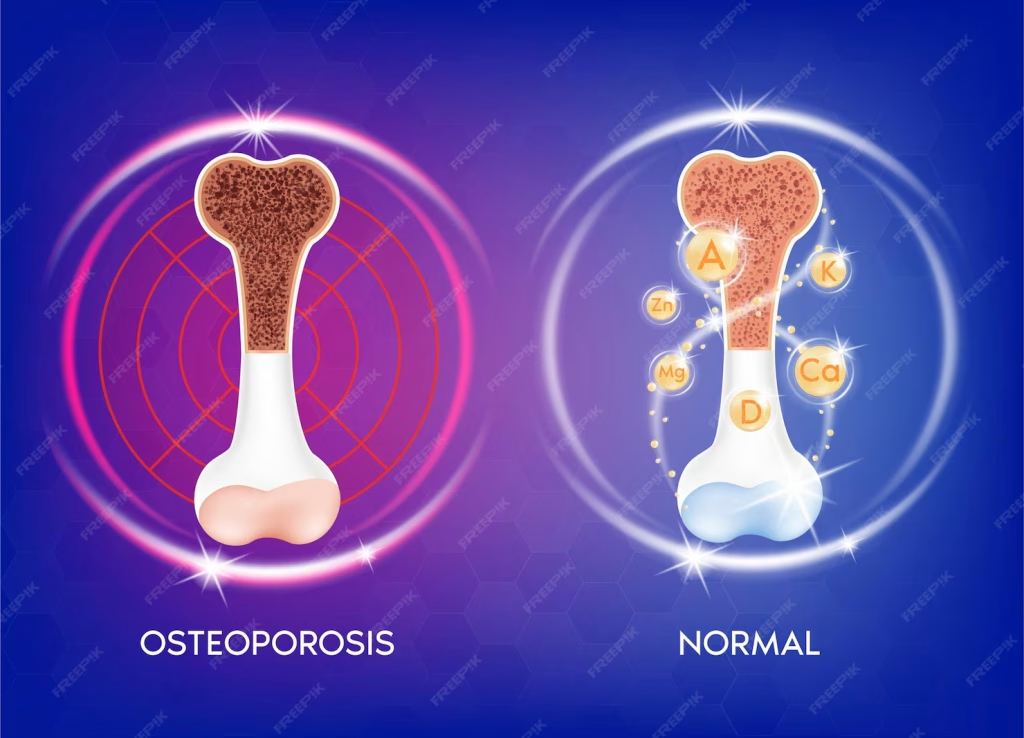
Quick Answer: Calcium supplements support bone density, muscle function, and nerve transmission. Adults need 700mg daily (UK guidelines), ideally from food first. When supplementing, calcium citrate offers better absorption than carbonate, especially when taken without food. 🎯 Key Takeaways ✓ 99% of your body’s calcium resides in bones and teeth, making adequate intake essential for skeletal health throughout life ✓ Calcium absorption requires vitamin D—without it, your body absorbs only 10-15% of dietary calcium versus 30-40% with adequate vitamin D ✓ Split doses of 500mg or less maximise absorption; taking more at once reduces efficiency significantly ✓ Excessive calcium supplementation…
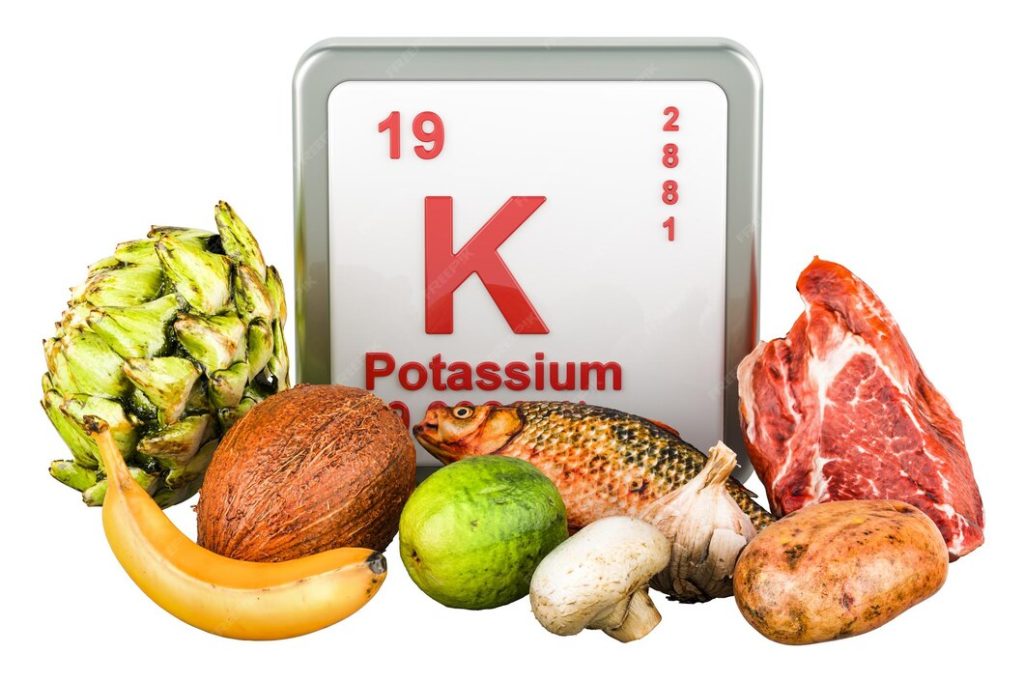
Quick Answer: Potassium is an essential mineral and electrolyte that supports heart rhythm, muscle contraction, nerve signalling and fluid balance. Most adults need around 3,500mg daily, primarily from food sources like bananas, leafy greens, beans and potatoes. Supplements may help those with inadequate intake but require caution due to safety considerations. Key Takeaways ✓ This essential electrolyte supports heart rhythm, blood pressure regulation, muscle contraction and nerve function throughout the body. ✓ Most people in the UK don’t consume enough through diet alone—fruit, vegetables, legumes and dairy are the richest natural sources. ✓ Supplements are capped at 99mg per serving…
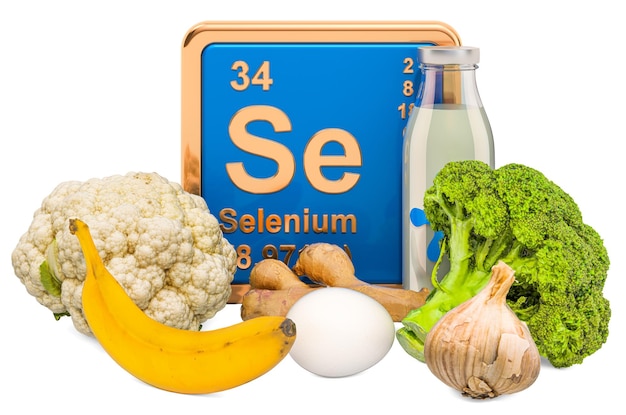
Quick Answer: Selenium benefits is an essential trace mineral that supports thyroid hormone production, strengthens immune defences, and provides powerful antioxidant protection. Adults typically need 55–75 micrograms daily through diet or quality supplements. Key Takeaways ✓ This trace mineral is essential for thyroid hormone metabolism and immune function ✓ Brazil nuts are the richest natural source—just 1–2 nuts may meet your daily needs ✓ Selenomethionine offers superior bioavailability compared to inorganic forms ✓ The safe upper limit is 400mcg daily—exceeding this may cause adverse effects Introduction When it comes to supporting your body’s fundamental processes, selenium stands out as one…