

Author: admin

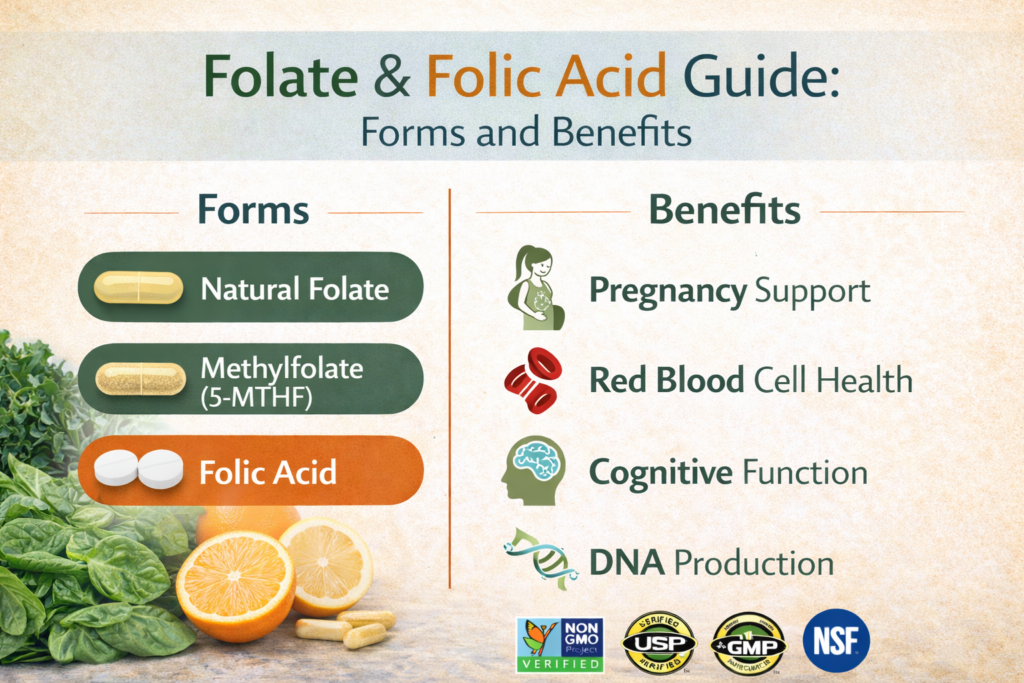
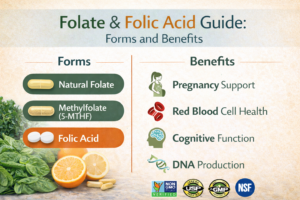
Quick Answer: Folate Folic Acid is the natural form of vitamin B9 found in food, while folic acid is the synthetic form used in supplements and fortified foods. For most people, methyl folate (5-MTHF) is the best supplemental form because it’s already active and bypasses genetic variations that affect folic acid conversion. The UK recommends 400 mcg daily for adults, rising to 400 mcg supplemental folic acid before conception and during early pregnancy to prevent neural tube defects. Folate and folic acid are often used interchangeably, but they’re not the same thing—and the difference matters more than many people realize.…
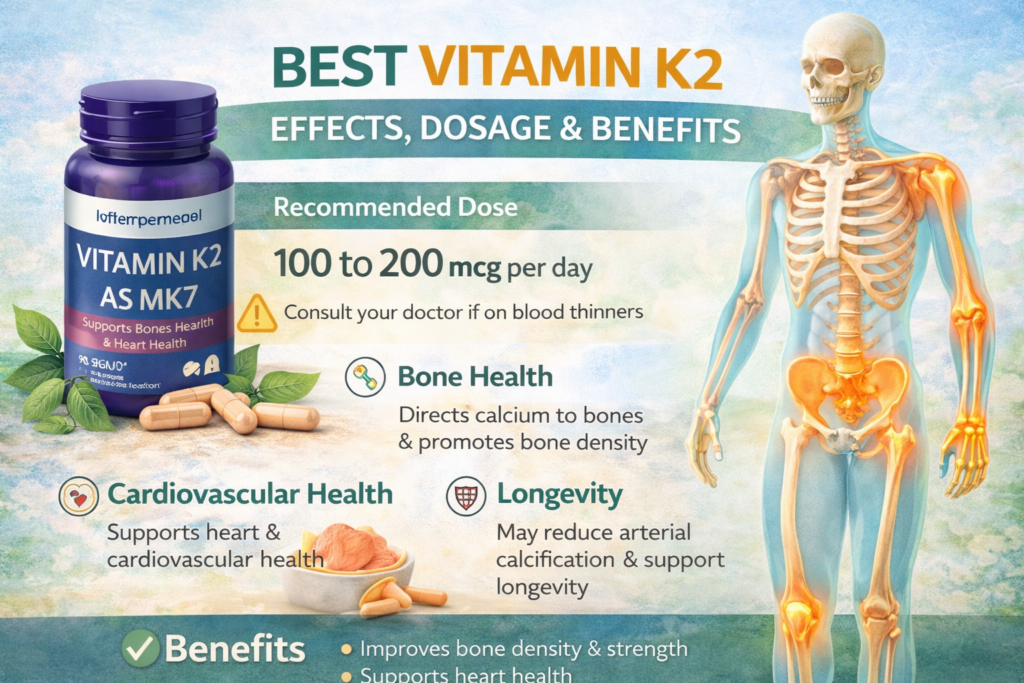
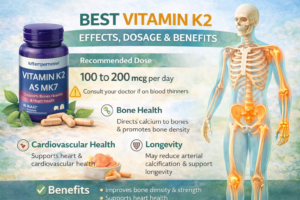
Quick Answer: Best Vitamin K2 activates proteins that direct calcium into bones and teeth whilst keeping it away from arteries. The best form for most people is MK-7 at 100–200 mcg daily, taken with a fat-containing meal. Key effects include supporting bone mineral density, promoting cardiovascular health, and helping maintain healthy calcium metabolism throughout the body. Vitamin K2 is a fat-soluble nutrient that activates calcium-regulating proteins in the body, supporting bone mineralisation and helping prevent arterial calcification. Research suggests that optimal intake—typically 100–200 mcg of MK-7 daily—may benefit bone density and cardiovascular health, particularly when combined with adequate vitamin D3.…
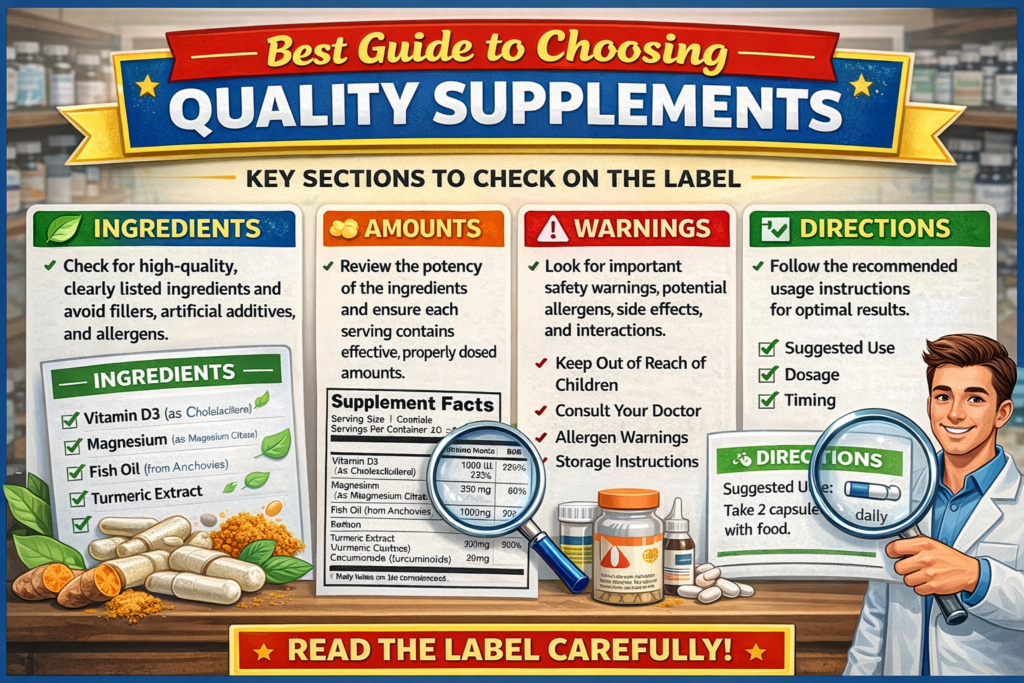
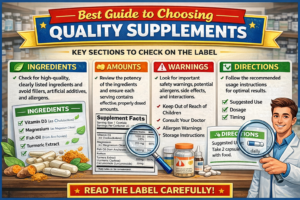
Quick Answer: How to choose quality supplements, prioritise label transparency (no proprietary blends), verify third-party testing (like GMP or Informed Sport), and match the bioavailable form (e.g., Citrate or Glycinate) to your specific health goals. What defines a high-quality supplement? In a market filled with “mega-doses” and bold claims, quality is defined by transparency. A high-quality product is one where the manufacturer proves that what is on the label is exactly what is in the bottle, using forms your body can actually absorb. Most people don’t need a cupboard full of tablets. But when you do consider one, the tricky…
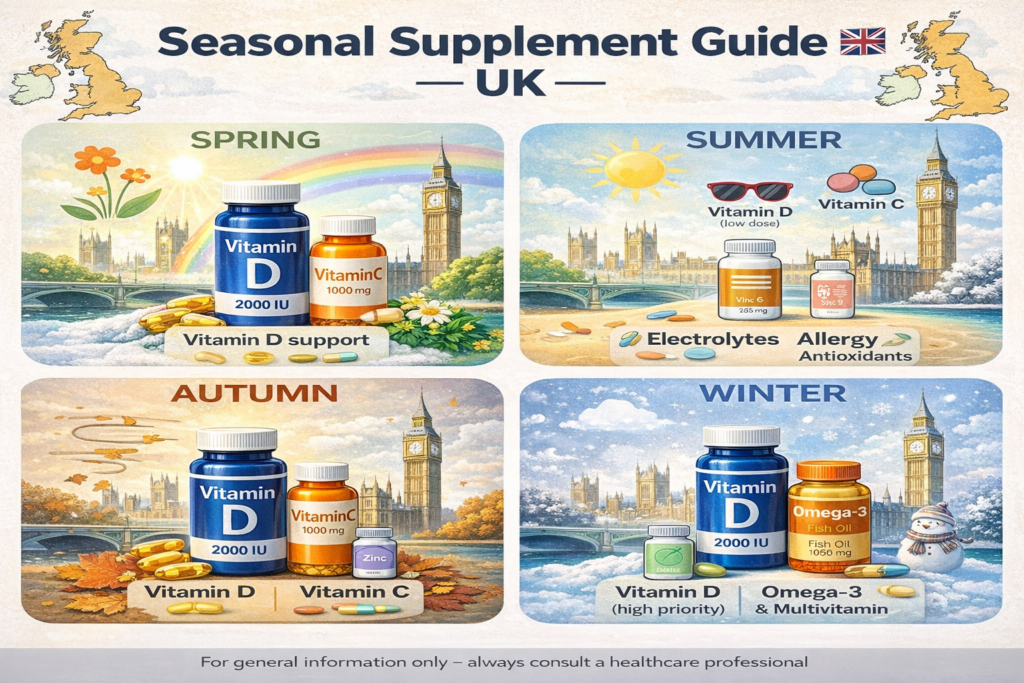
Quick Answer: The best seasonal supplement approach for the UK involves taking vitamin D from October through March (when sunlight is insufficient), considering quercetin or vitamin C during spring allergy season, supporting hydration and skin health in summer, and bolstering immune defences as autumn arrives. Year-round, omega-3 and magnesium remain popular choices for many adults. A seasonal supplement guide tailored to the UK helps you adjust your nutritional support throughout the year, addressing the unique challenges of British weather—from limited winter sunlight that affects vitamin D production to spring pollen that triggers hay fever in millions. By matching your supplements…
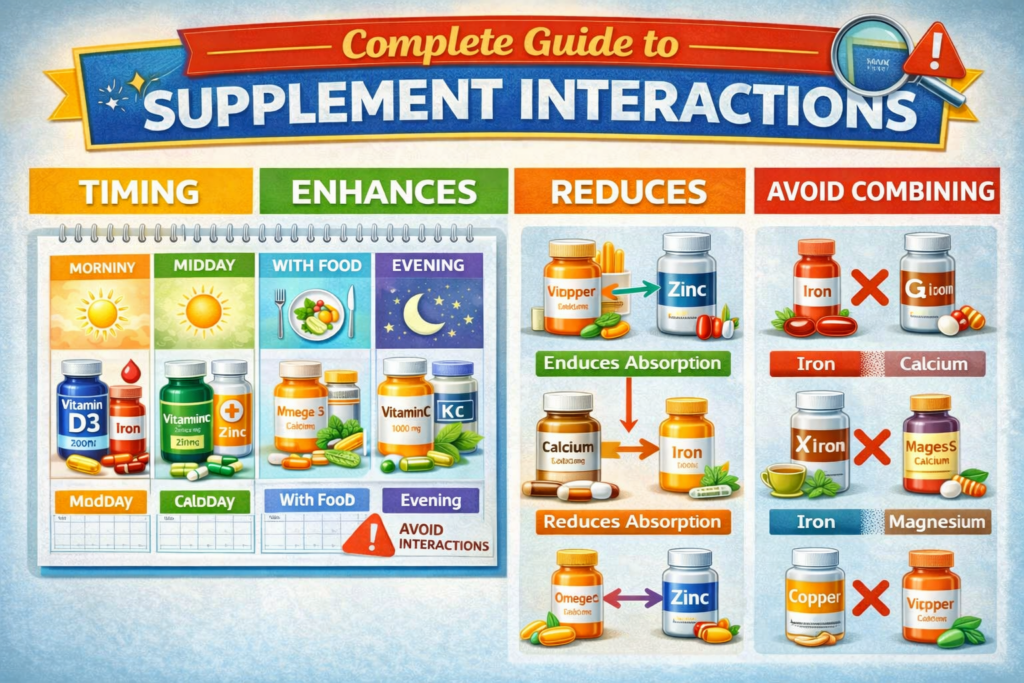
Quick Answer: Supplement interactions occur when nutrients affect each other’s absorption, effectiveness, or safety. Common examples include calcium blocking iron absorption, vitamin K interfering with blood thinners, and zinc competing with copper. Timing your supplements correctly and consulting a healthcare professional before combining multiple products may help you avoid potential problems. Supplement interactions happen when vitamins, minerals, or herbal products affect how other substances work in your body—whether that’s another supplement, a prescription medication, or nutrients from food. Understanding these interactions matters because even beneficial nutrients can cause problems when combined incorrectly, potentially reducing effectiveness or creating unexpected side effects.…

Quick Answer: The best stress reduction techniques include deep breathing exercises, progressive muscle relaxation, mindfulness meditation, regular physical activity, and cognitive reframing. These evidence-based methods work by activating your parasympathetic nervous system, lowering cortisol levels, and promoting a calm mental state. Most people notice improvements within 2-4 weeks of consistent practice. Best stress reduction techniques are evidence-based practices that help manage the body’s stress response through physical, mental, and behavioural interventions. These methods include breathing exercises, meditation, physical activity, and relaxation practices that lower cortisol and promote calm. 🎬 Watch: How to maximise absorption and avoid common pitfalls with your…
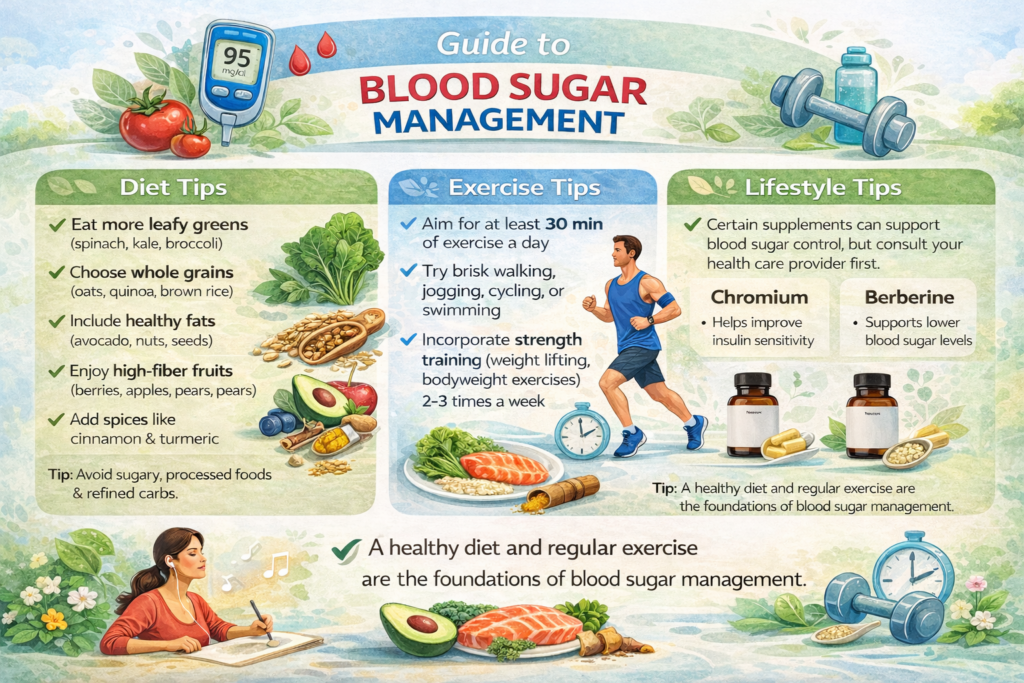
Quick Answer: A guide to blood sugar management involves monitoring carbohydrate intake, engaging in regular physical activity, and utilising supplements to maintain stable glucose levels and improve overall metabolic health. Guide to blood sugar management is a comprehensive strategy to regulate glucose through balanced nutrition, regular physical activity, and careful monitoring to ensure optimal metabolic health and significantly reduce the risk of developing serious chronic metabolic disease complications. 🎬 Watch: A guide to blood sugar management. 📜 Prefer reading: Scroll down for detailed explanations of each stress-reduction technique. Maintaining stable blood glucose is a fundamental aspect of long-term health…
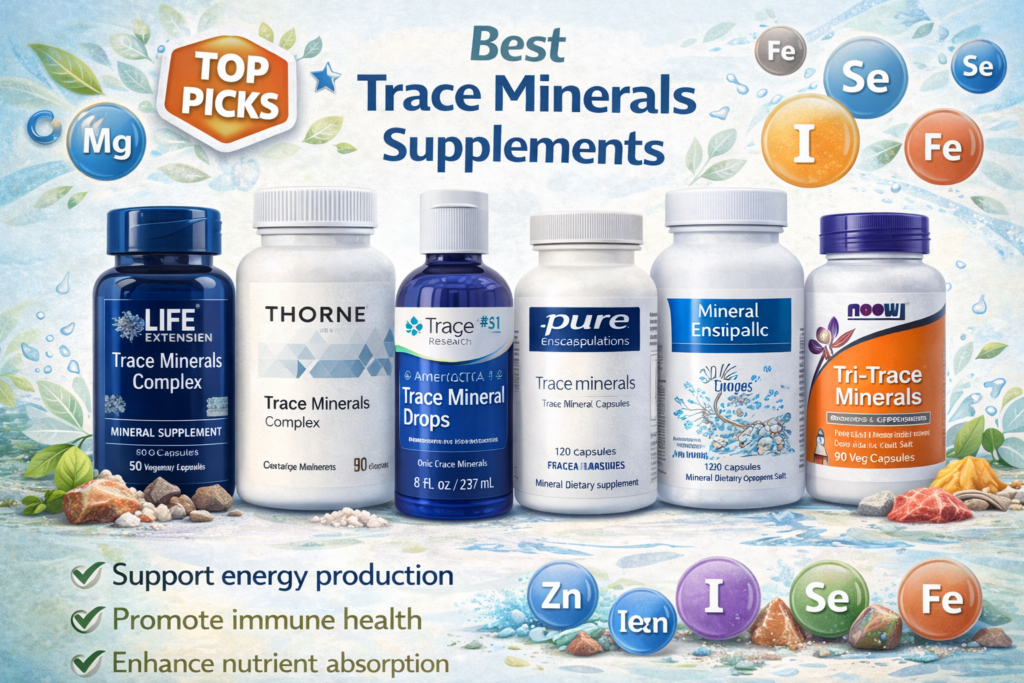
Quick Answer: The Best Trace Minerals Guide clarifies that elements like zinc, selenium, and iron are vital for enzyme function and immunity. While diet is key, targeted supplementation effectively addresses modern soil depletion gaps. Best Trace Minerals is a comprehensive resource detailing essential inorganic nutrients required in minute amounts to support enzyme function, hormone production, and overall physiological health through informed supplementation strategies. 🎬 Watch: Frequently Asked Questions. 📜 Prefer reading? Scroll down for the full written guide. In the complex landscape of modern nutrition, macronutrients often dominate the discussion, yet the smallest players frequently exert the most significant influence on…

Quick Answer: The best ashwagandha supplements UK typically use standardised extracts like KSM-66 or Sensoril, which have the most clinical research behind them. KSM-66 is generally preferred for stress and energy support, while Sensoril may be better suited for relaxation and sleep. Look for products with verified withanolide content, third-party testing, and dosages between 300-600mg of standardised extract daily. The best ashwagandha supplements UK for you depends on your specific goals—whether that’s managing daily stress, improving sleep quality, or supporting overall energy levels. Standardised extracts like KSM-66 and Sensoril offer consistent potency backed by clinical studies, while traditional root powder…
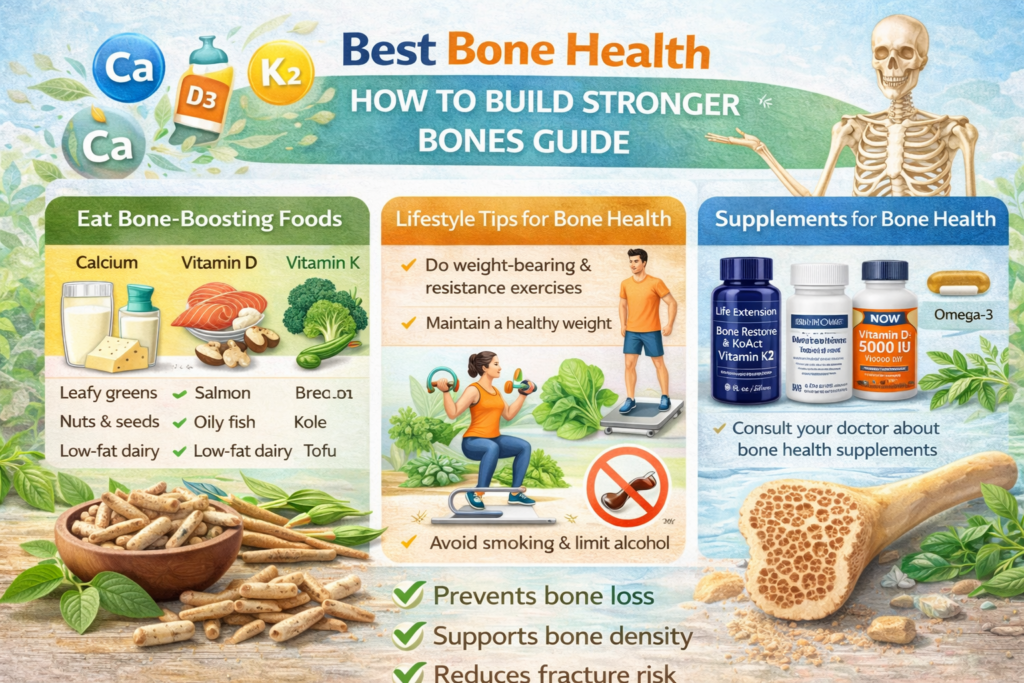
Quick Answer: Best Bone Health building stronger bones requires a multi-pronged approach combining adequate calcium and vitamin D intake, vitamin K2 for proper calcium utilisation, regular weight-bearing exercise, and reducing habits that deplete bone density. Most adults need 700–1,200 mg of calcium daily, paired with 10–25 mcg of vitamin D, though individual needs vary—always discuss supplementation with your GP. Strong bones form the structural foundation of your body, yet bone health often goes overlooked until problems arise. By understanding how bones grow, maintain themselves, and what nutrients they require, you can take practical steps today that support skeletal strength for…