
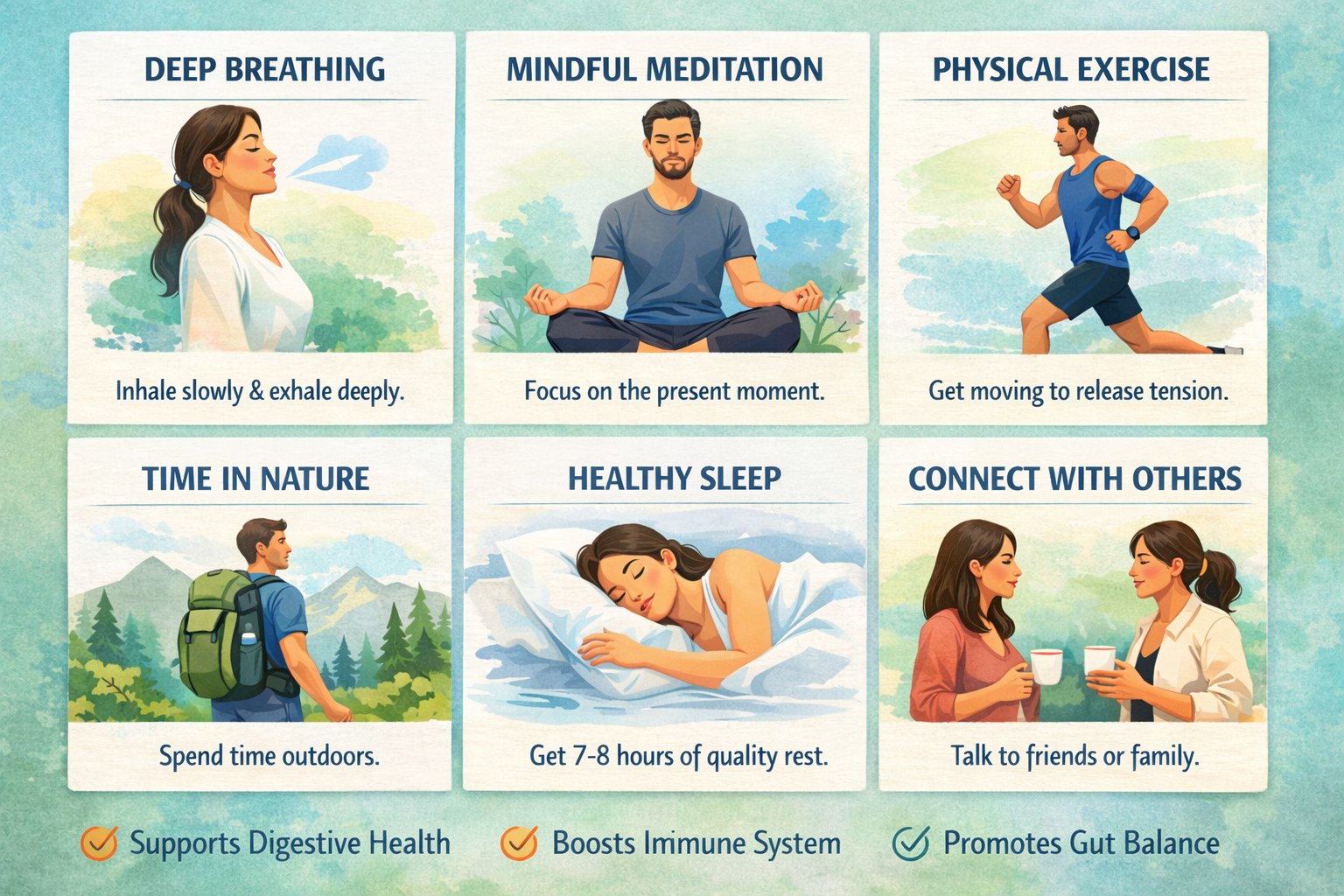
Best stress reduction techniques are evidence-based practices that help manage the body’s stress response through physical, mental, and behavioural interventions. These methods include breathing exercises, meditation, physical activity, and relaxation practices that lower cortisol and promote calm.
🎬 Watch: How to maximise absorption and avoid common pitfalls with your daily dose.
📜 Prefer reading? Scroll down for the full written guide.
In today’s fast-paced world, understanding the best stress reduction techniques has become essential for maintaining both mental and physical health. Chronic stress affects approximately 74% of UK adults, according to recent surveys, leading to a wide range of health complications from sleep disturbances to cardiovascular issues. Learning effective methods to manage stress is no longer optional—it’s a fundamental aspect of modern wellness.
Stress isn’t inherently negative. In small doses, it helps us meet deadlines, avoid danger, and stay motivated. However, when stress becomes chronic, it triggers a cascade of physiological responses that can damage our health over time. The good news is that science has identified numerous strategies that genuinely work. If you’re also struggling with sleep issues related to stress, our guide on magnesium benefits explores how this mineral may help support relaxation.
This comprehensive guide explores the most effective stress management methods available today. Whether you’re dealing with work-related pressure, personal challenges, or general anxiety, you’ll find practical, science-backed approaches that fit various lifestyles and preferences. We’ll examine how these techniques work physiologically, their proven benefits, and exactly how to implement them in your daily routine.
By the end of this article, you’ll have a thorough understanding of which relaxation methods suit your needs, how to practise them correctly, and what realistic results to expect. Let’s explore the evidence behind these powerful tools for managing life’s inevitable pressures.
What Are the Best Stress Reduction Techniques?
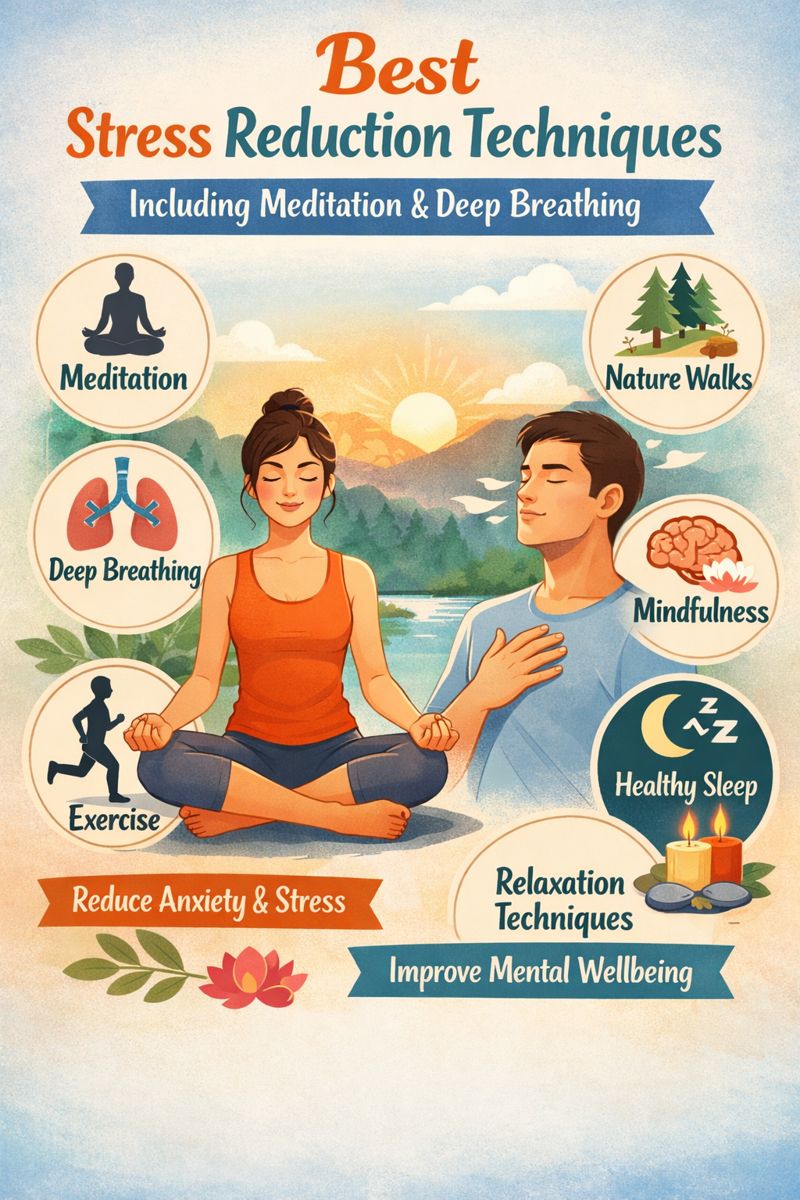
The best stress reduction techniques are structured practices designed to counteract the body’s stress response and restore a state of calm. According to the NHS, effective stress management combines physical, psychological, and lifestyle approaches tailored to individual needs. These aren’t quick fixes but rather skills that improve with regular practice.
Historically, many of these methods have roots in ancient traditions. Meditation practices date back thousands of years in Eastern cultures, whilst progressive muscle relaxation was developed in the 1920s by American physician Edmund Jacobson. Modern science has validated many traditional approaches whilst adding new evidence-based methods to our toolkit.
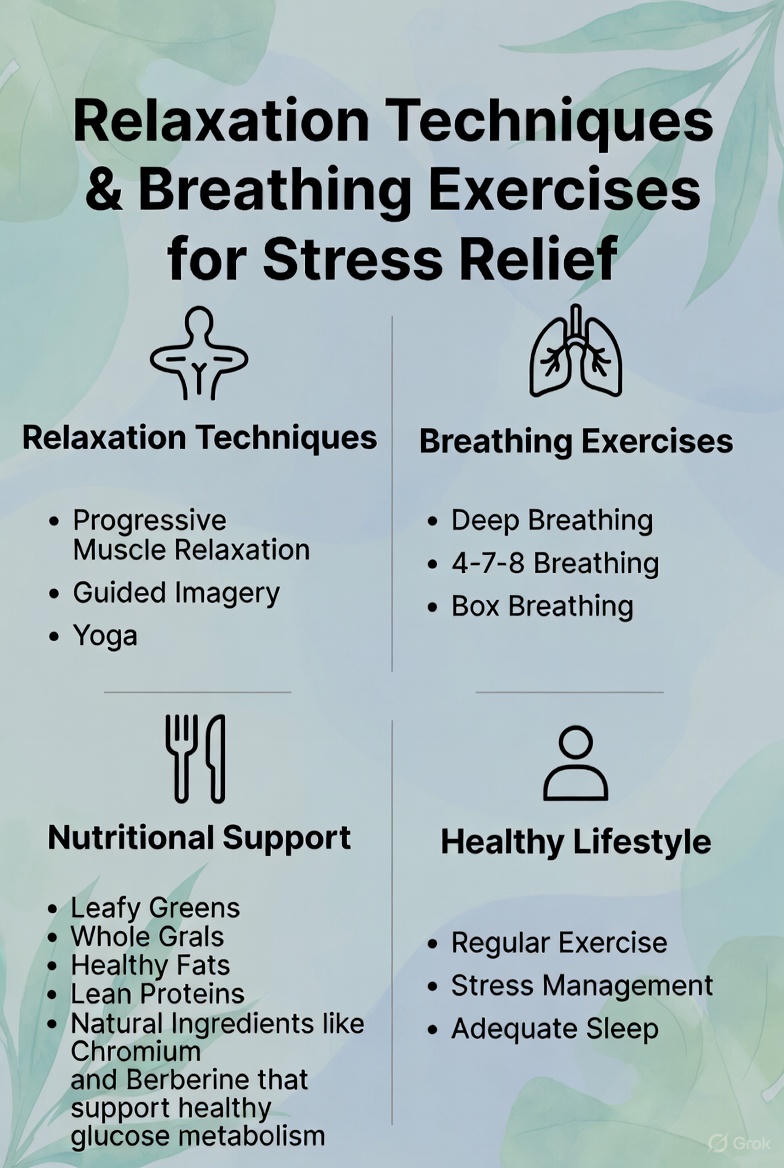
Today, stress reduction methods generally fall into several categories: relaxation techniques (breathing exercises, progressive muscle relaxation), mind-body practices (meditation, yoga, tai chi), physical approaches (exercise, massage), cognitive strategies (reframing, journaling), and lifestyle modifications (sleep hygiene, time management). The most effective approach typically combines methods from multiple categories.
What makes a technique truly effective varies between individuals. Factors including personality, lifestyle, available time, and the nature of your stress all influence which methods work best. This is why understanding the full range of options—and experimenting with different approaches—is so valuable.
The Science Behind Stress Reduction Techniques
Understanding how stress reduction methods work helps explain why they’re so effective. When we experience stress, our sympathetic nervous system triggers the “fight or flight” response, releasing hormones like cortisol and adrenaline. Effective relaxation practices activate the opposing parasympathetic nervous system, often called the “rest and digest” response.
The Stress Response System
The hypothalamic-pituitary-adrenal (HPA) axis controls our stress response. When we perceive a threat, the hypothalamus signals the pituitary gland, which then triggers the adrenal glands to release cortisol. This hormone increases blood sugar, enhances brain glucose use, and suppresses non-essential functions. Chronic activation of this system leads to persistently elevated cortisol, which damages health over time.
How Relaxation Counteracts Stress
Relaxation techniques interrupt this stress cycle through several mechanisms. Deep breathing stimulates the vagus nerve, which activates parasympathetic responses and lowers heart rate. Meditation reduces activity in the amygdala, the brain’s fear centre, whilst strengthening prefrontal cortex regulation. Physical exercise burns off stress hormones whilst triggering endorphin release, creating natural mood elevation.
Neuroplasticity and Long-Term Changes
Perhaps most remarkably, regular practice of stress management techniques actually changes brain structure. Research using MRI scans shows that consistent meditation practice increases grey matter density in areas associated with emotional regulation and decreases it in regions linked to anxiety. These neuroplastic changes explain why benefits compound over time with regular practice.
7 Science-Backed Benefits of Stress Reduction Techniques
The benefits of practising effective stress management extend far beyond simply feeling calmer. Research demonstrates improvements across multiple aspects of physical and mental health. Here are seven compelling reasons to prioritise these practices.
1. Reduced Cortisol and Improved Hormonal Balance
Chronic stress keeps cortisol levels elevated, disrupting sleep, metabolism, and immune function. Regular relaxation practice has been shown to significantly lower baseline cortisol levels. A study published in Health Psychology found that mindfulness meditation reduced cortisol by an average of 23% over eight weeks. This hormonal normalisation supports better sleep, healthier weight management, and improved immune response. The effects are cumulative, meaning consistent practice produces increasingly stable hormone levels over time.
2. Enhanced Cardiovascular Health
Stress significantly impacts heart health through elevated blood pressure, increased heart rate, and arterial inflammation. Stress reduction methods directly counter these effects. The American Heart Association recognises meditation as a complementary approach for cardiovascular health. Regular practice has been associated with lower blood pressure, reduced resting heart rate, and improved heart rate variability—a marker of cardiac resilience. For those exploring natural heart health support, our article on ashwagandha’s adaptogenic properties provides additional insights.
3. Improved Mental Health and Emotional Regulation
The mental health benefits of stress reduction are among the most well-documented. Mindfulness-based stress reduction (MBSR) programmes show comparable effectiveness to antidepressants for preventing depression relapse, according to research from The Lancet. Regular practice improves emotional regulation, reduces anxiety symptoms, and enhances overall psychological wellbeing. These techniques provide tools for managing difficult emotions without suppression or avoidance, leading to healthier long-term mental health outcomes.
4. Better Sleep Quality and Duration
Stress is one of the primary causes of sleep difficulties, creating a vicious cycle where poor sleep increases stress sensitivity. Relaxation techniques break this cycle effectively. Research shows that practices like progressive muscle relaxation and guided imagery significantly improve sleep onset time and sleep quality. The parasympathetic activation triggered by these methods creates optimal physiological conditions for restorative sleep. Many people report improvements within the first week of consistent evening practice.
5. Strengthened Immune Function
Chronic stress suppresses immune function, making us more susceptible to illness. Conversely, effective stress management supports immune health. Studies have shown that meditation practitioners have higher levels of antibodies following vaccination and recover faster from illness. The reduction in inflammation markers associated with regular relaxation practice further supports immune function. This immune-boosting effect becomes particularly valuable during high-stress periods when we’re most vulnerable to illness.
6. Enhanced Cognitive Performance and Focus
Stress impairs cognitive function, affecting memory, concentration, and decision-making. Stress reduction techniques directly enhance these capacities. Regular meditation practice has been shown to improve attention span, working memory, and cognitive flexibility. The prefrontal cortex changes associated with mindfulness practice support better executive function and reduced mental fog. Many practitioners report clearer thinking and improved productivity as early benefits of their practice.
7. Reduced Physical Tension and Pain
Stress manifests physically through muscle tension, headaches, and various pain syndromes. Relaxation techniques address these physical symptoms directly. Progressive muscle relaxation systematically releases held tension, whilst practices like yoga combine stretching with breath awareness for comprehensive physical relief. Research supports these approaches for conditions including tension headaches, chronic back pain, and fibromyalgia. The mind-body connection means that mental relaxation naturally translates to physical ease.
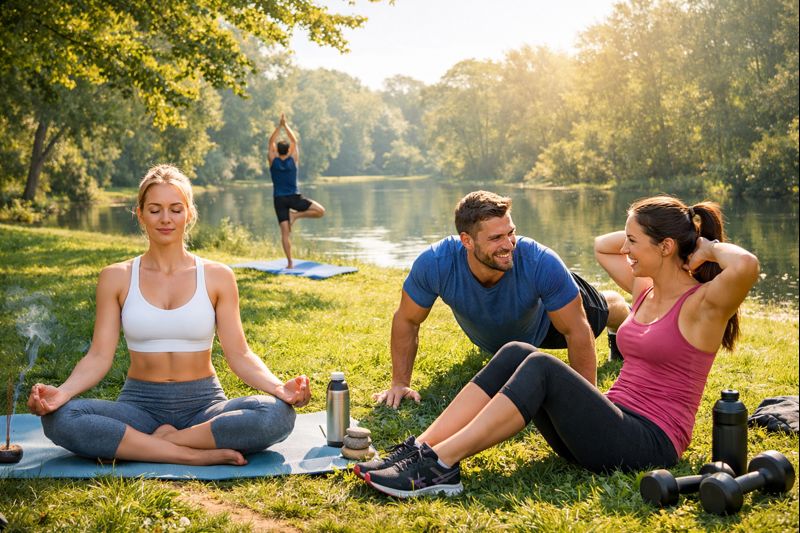
Types of Stress Reduction Techniques
Understanding the different categories of relaxation methods helps you choose approaches that match your preferences and lifestyle. Each type offers unique benefits and suits different situations. Here’s a comprehensive comparison of the main categories.
| Technique Type | Time Required | Learning Curve | Best For |
|---|---|---|---|
| Deep Breathing | 2-10 minutes | Easy | Immediate stress relief, beginners |
| Progressive Muscle Relaxation | 15-20 minutes | Easy | Physical tension, sleep issues |
| Mindfulness Meditation | 10-30 minutes | Moderate | Long-term mental health, awareness |
| Yoga | 20-60 minutes | Moderate | Combined physical-mental benefits |
| Aerobic Exercise | 20-45 minutes | Varies | Energy release, mood elevation |
| Journaling | 10-20 minutes | Easy | Processing emotions, self-reflection |
Many people find that combining techniques from different categories provides the most comprehensive stress management. For example, pairing daily breathing exercises with regular physical activity and weekly yoga creates a robust, multi-faceted approach that addresses stress from multiple angles.
How to Practise Stress Reduction Techniques Effectively
Knowing about relaxation methods is one thing; implementing them effectively is another. Success depends on proper technique, consistent practice, and realistic expectations. Here’s how to get the most from your stress management efforts.
Establishing a Regular Practice
Consistency matters more than duration when beginning. Research suggests that even 10 minutes of daily meditation produces measurable benefits. Start with a manageable commitment—perhaps five minutes each morning—and gradually increase as the habit solidifies. Linking your practice to an existing routine, such as after your morning coffee, helps establish automaticity.
Optimal Timing Throughout the Day
Different techniques suit different times. Energising practices like vigorous breathing work well in the morning, whilst calming methods like progressive muscle relaxation are ideal before bed. Brief breathing exercises can be used throughout the day during stressful moments. Experiment to find what timing works best for your schedule and needs.
Creating the Right Environment
Your practice environment influences effectiveness. Choose a quiet space where you won’t be interrupted. While perfection isn’t necessary, minimising distractions helps, especially when learning. Some people benefit from using the same location consistently, creating environmental cues that support relaxation.
| Time of Day | Recommended Techniques | Duration | Purpose |
|---|---|---|---|
| Morning | Meditation, energising breathing | 10-20 minutes | Set calm tone for day |
| Midday | Brief breathing, walking | 5-15 minutes | Reset during work stress |
| Afternoon | Physical exercise, yoga | 20-45 minutes | Release accumulated tension |
| Evening | Gentle stretching, journaling | 15-30 minutes | Transition from work mode |
| Before Bed | Progressive relaxation, body scan | 10-20 minutes | Prepare for sleep |
Considerations and Potential Challenges
While stress reduction methods are generally safe and beneficial, understanding potential challenges helps you navigate your practice wisely. Being aware of these considerations ensures a positive experience and helps you know when to seek additional support.
Common Challenges When Starting
Beginning a relaxation practice can paradoxically feel uncomfortable initially. Many people experience restlessness, boredom, or even increased awareness of anxiety when first learning to meditate. These experiences are normal and typically diminish with continued practice. Starting with guided sessions and shorter durations helps ease this transition.
- Restlessness: The mind resists stillness initially; this improves with practice
- Time constraints: Start with just 5 minutes rather than abandoning practice entirely
- Expectations: Benefits accumulate gradually; avoid expecting immediate transformation
- Consistency: Missing sessions is normal; simply resume without self-criticism
When to Seek Professional Support
While self-guided stress reduction is effective for many, some situations benefit from professional guidance. Consider seeking support if you experience severe anxiety or panic attacks, trauma-related symptoms, or persistent depression. For guidance on supporting your nervous system naturally, our sleep hygiene article offers complementary strategies.
- Severe anxiety: If stress feels unmanageable, consult your GP or a mental health professional
- Trauma history: Certain practices may trigger difficult memories; trauma-informed guidance is advisable
- Physical conditions: Those with respiratory conditions should modify breathing exercises as needed
- Medication interactions: Discuss relaxation practices with your doctor if taking psychiatric medications
- Pregnancy: Some physical practices require modification; consult your midwife or GP
Managing Expectations Realistically
Stress management techniques are powerful tools, not magic solutions. They work best as part of a comprehensive approach that also addresses the sources of stress in your life. Maintaining realistic expectations supports long-term practice rather than disappointment-driven abandonment.
6 Expert Tips for Best Stress Reduction Techniques
These practical recommendations from stress management research and clinical practice will help you develop an effective, sustainable approach to managing stress.
1. Start Small and Build Gradually
The most common mistake is attempting too much too soon. Beginning with ambitious 30-minute meditation sessions often leads to frustration and abandonment. Instead, start with just 3-5 minutes of simple breathing exercises. Once this feels natural—typically after 1-2 weeks—gradually increase duration. This approach builds genuine habit formation rather than willpower-dependent practice. Research confirms that consistency matters more than session length for developing lasting benefits.
2. Stack Techniques with Existing Habits
Habit stacking—attaching a new behaviour to an established routine—dramatically improves consistency. Practice breathing exercises whilst waiting for your morning kettle to boil. Do a body scan while lying in bed before sleep. Take mindful walking breaks during existing work breaks. These associations create automatic triggers that make practice effortless rather than requiring constant motivation and decision-making.
3. Use Technology Wisely
Quality meditation apps like Headspace, Calm, and Insight Timer provide excellent guided sessions for beginners. Wearable devices can track stress markers like heart rate variability, providing feedback on your progress. However, avoid becoming dependent on technology—gradually transition to unguided practice to develop internal resources. Use apps as training wheels rather than permanent crutches.
4. Address Root Causes Alongside Symptom Management
Relaxation techniques help manage stress responses, but also examine what’s causing your stress. Sometimes practical changes—setting boundaries, delegating tasks, addressing relationship issues—are necessary alongside coping strategies. The most effective approach combines both: using techniques to stay calm whilst working on longer-term solutions to chronic stressors.
5. Create a Personal Toolkit of Multiple Techniques
Different situations call for different approaches. A quick breathing exercise works for momentary stress, whilst longer meditation suits daily practice. Physical exercise helps when you’re feeling agitated, whilst gentle yoga suits exhaustion-based stress. Develop proficiency in several techniques so you can match your approach to the specific situation and your current energy levels.
6. Track Progress and Adjust Your Approach
Keep a simple log of your practice and stress levels. Note which techniques feel most effective and when. This data helps you refine your approach over time and provides motivation by making progress visible. Even a simple daily rating of stress levels before and after practice can reveal patterns and improvements you might otherwise miss.
✓ Key Takeaways
- The best stress reduction techniques work by activating your parasympathetic nervous system
- Consistency matters more than duration—start with just 5 minutes daily
- Combine multiple techniques for comprehensive stress management
- Benefits compound over time through neuroplastic brain changes
- Address root causes of stress alongside practising coping techniques
What Research Shows
The scientific evidence supporting stress reduction techniques has grown substantially over recent decades. Major research institutions worldwide have investigated these methods, providing robust support for their effectiveness. Here’s what the evidence reveals.
Key Clinical Studies
Numerous high-quality studies demonstrate the benefits of various relaxation methods. Understanding this research helps inform which approaches have the strongest evidence base.
- JAMA Internal Medicine Meta-Analysis: This comprehensive review of 47 trials involving 3,515 participants found that mindfulness meditation programmes showed moderate evidence of improving anxiety, depression, and pain. The effects were comparable to those expected from antidepressant medications, demonstrating significant clinical relevance.
- Harvard-MGH Neuroimaging Study: This landmark study used MRI scans to demonstrate that just eight weeks of meditation practice produced measurable changes in brain structure. Participants showed increased grey matter in areas associated with learning, memory, and emotional regulation, whilst areas linked to stress and anxiety showed decreased density.
- Mayo Clinic Research Reviews: Extensive clinical reviews confirm that relaxation techniques reduce muscle tension, lower blood pressure, decrease heart rate, and improve overall stress markers. These physiological changes translate to meaningful health improvements across multiple body systems.
- Exercise and Stress Reduction: Research published in Frontiers in Physiology confirmed that regular physical activity significantly reduces perceived stress and improves stress-related biomarkers. Both aerobic exercise and resistance training showed benefits, with effects persisting beyond the exercise session itself.
Research Limitations and Gaps
Whilst evidence is generally supportive, some limitations exist. Many studies have relatively small sample sizes or short follow-up periods. Comparing techniques directly is challenging due to methodological differences between studies. Additionally, individual responses vary significantly, meaning group averages don’t predict individual outcomes. More long-term research examining sustained benefits would strengthen the evidence base further.
Emerging Research Directions
Current research is exploring personalised approaches to stress reduction, using genetic and psychological profiling to match individuals with optimal techniques. Studies are also investigating how digital delivery of interventions compares with in-person instruction. The integration of stress reduction with broader lifestyle medicine approaches represents another promising direction for future research and clinical application.
How to Choose the Right Technique for You
With numerous effective options available, selecting the right approach requires considering your personal preferences, lifestyle constraints, and specific stress patterns. The best technique is ultimately one you’ll practise consistently.
Factors to Consider
- Time availability: If you have limited time, focus on brief techniques like breathing exercises rather than hour-long yoga sessions
- Physical preferences: Those who struggle with stillness may prefer movement-based approaches like walking meditation or yoga
- Nature of your stress: Physical tension responds well to progressive muscle relaxation; racing thoughts may benefit more from focused meditation
- Learning style: Some prefer structured guidance (apps, classes), whilst others enjoy self-directed exploration
- Social preferences: Group classes provide accountability and community; solo practice offers flexibility and privacy
Starting Point Recommendations
For complete beginners, deep breathing exercises offer the easiest entry point with immediate results. Once comfortable with breath awareness, progressive muscle relaxation adds physical release. From there, simple mindfulness meditation builds mental training. Adding physical activity—whether structured exercise or yoga—provides comprehensive coverage. This gradual progression builds skills systematically without overwhelm.
Warning Signs of Poor-Quality Resources
As stress reduction has become popular, low-quality resources have proliferated. Be wary of programmes promising unrealistic results, those requiring expensive purchases beyond basic instruction, or teachers without appropriate training. Quality instruction acknowledges that progress takes time and that techniques are tools rather than miracle cures. Reputable sources like NHS resources and established meditation teachers provide reliable guidance.
Quality Stress Reduction Products Worth Considering
Whilst the most powerful stress reduction tools require no equipment, certain quality products can support your practice. These supplements complement—but don’t replace—behavioural techniques. We’ve selected products that meet rigorous quality standards and have evidence supporting their use for stress management.
Paulinna Calm Complex
This comprehensive stress support formula combines clinically studied ingredients including ashwagandha extract, magnesium glycinate, and L-theanine. Ashwagandha is an adaptogenic herb with substantial research supporting its cortisol-lowering effects. Magnesium supports nervous system function and muscle relaxation, whilst L-theanine promotes calm alertness without sedation. The formula is designed to support the body’s natural stress response when used alongside healthy lifestyle practices.
- ✓ Contains KSM-66® ashwagandha extract (300mg)
- ✓ Includes highly absorbable magnesium glycinate
- ✓ Third-party tested for purity and potency
- ✓ Suitable for vegetarians, no artificial additives
Paulinna Relaxation Tea Blend
This carefully formulated herbal tea combines traditional relaxation herbs in a pleasant-tasting blend. Featuring chamomile, lemon balm, passionflower, and lavender, these herbs have been used for centuries to promote calm and have modern research supporting their mild relaxation effects. The ritual of preparing and drinking tea itself becomes a mindful practice, making this an excellent addition to an evening wind-down routine. Caffeine-free and naturally calming, it’s perfect for consumption before sleep.
- ✓ Organic herbs sourced from certified suppliers
- ✓ Caffeine-free, suitable for evening use
- ✓ Contains research-backed calming botanicals
- ✓ Plastic-free, biodegradable tea bags
Frequently Asked Questions
1. How long does it take to see results from stress reduction techniques?
Most people notice some immediate effects, such as feeling calmer after a breathing exercise. However, lasting changes typically emerge after 2-4 weeks of consistent daily practice. Research shows that significant neurological changes occur around the 8-week mark with regular meditation. The key is patience and consistency—benefits compound over time, and many practitioners report that their baseline stress levels continue improving for months after beginning regular practice.
2. Can stress reduction techniques replace medication for anxiety?
These techniques are powerful tools but should not replace prescribed medication without medical guidance. For mild to moderate stress and anxiety, behavioural approaches may be sufficient. For more severe conditions, they typically work best alongside medical treatment. Always consult your GP or psychiatrist before making changes to medication. Many healthcare providers now recommend combining medication with stress reduction techniques for optimal outcomes.
3. What is the single most effective stress reduction technique?
Research doesn’t identify one universally “best” technique—effectiveness varies by individual. However, mindfulness meditation has perhaps the largest evidence base, with hundreds of studies supporting its benefits. Deep breathing offers the best immediate results with minimal learning curve. The most effective approach for you is typically one that matches your preferences and that you’ll actually practise consistently. Experimenting with several methods helps identify your optimal approach.
4. How often should I practise stress reduction techniques?
Daily practice produces the best results, even if sessions are brief. Research suggests that 10-20 minutes daily is more beneficial than longer occasional sessions. During high-stress periods, multiple short sessions throughout the day can be particularly helpful. However, any practice is better than none—even a few minutes several times weekly provides meaningful benefits compared to no practice at all.
5. Can children and teenagers use these stress reduction methods?
Yes, with appropriate modifications. Simple breathing exercises and guided imagery work well for children as young as five or six. School-based mindfulness programmes have shown positive results for children and adolescents. Shorter sessions and more engaging, playful approaches suit younger practitioners. Our guide on natural anxiety relief includes additional family-friendly approaches. Parents practising alongside children often improves engagement and models healthy coping skills.
6. Best Stress Reduction Techniques vs Medication: Which Is Better?
This isn’t an either/or question—the best approach depends on individual circumstances. Stress reduction techniques offer advantages including no side effects, skill-building that persists long-term, and personal empowerment. Medication may be necessary for severe anxiety or when behavioural approaches alone are insufficient. Many people benefit from combining both, using medication to reduce acute symptoms whilst developing long-term coping skills through practice. Your GP can help determine the right balance for your situation, and for many people, a combined approach proves most effective.
Final Thoughts
Understanding and implementing the best stress reduction techniques offers profound benefits for both mental and physical health. From immediate calm through breathing exercises to lasting brain changes from regular meditation, these evidence-based approaches provide genuine tools for navigating life’s challenges. The science is clear: consistent practice of these methods produces measurable, meaningful improvements in wellbeing.
Remember that individual needs and responses vary significantly. What works brilliantly for one person may feel less natural for another. Approach your exploration with curiosity and patience, trying different techniques until you find your optimal combination. Building stress management skills takes time—just as physical fitness develops gradually, mental resilience strengthens through consistent practice rather than occasional intensive efforts.
Before beginning any new wellness practice, especially if you have existing health conditions or take medications, consult your GP or healthcare professional. This is particularly important for those with severe anxiety, trauma history, or cardiovascular conditions. Professional guidance ensures your approach is safe and appropriate for your specific circumstances.
Start today with something simple—perhaps just three mindful breaths. Notice how even this brief practice shifts your state slightly. From this small beginning, you can build a sustainable stress management practice that serves you for life. Your future self will thank you for investing in these skills now, and the benefits you’ll experience extend far beyond simply feeling less stressed.
Sources
This article is based on peer-reviewed research and authoritative health sources:
- NHS – Tips to Reduce Stress
- NIH National Center for Complementary and Integrative Health – Stress
- Mayo Clinic – Relaxation Techniques
- Harvard Health – Relaxation Techniques and Breath Control
- PubMed – Meditation Programs for Psychological Stress and Wellbeing (JAMA)
- PubMed – Mindfulness Practice Leads to Increases in Regional Brain Grey Matter
Written by Arsim Rama · Last updated: January 2025
Affiliate Disclosure: This article contains affiliate links. If you purchase through these links, we may earn a small commission at no extra cost to you.
Medical Disclaimer: This article is for educational purposes only and does not constitute medical advice. Always consult your GP or qualified healthcare professional before starting any new supplement regimen.