

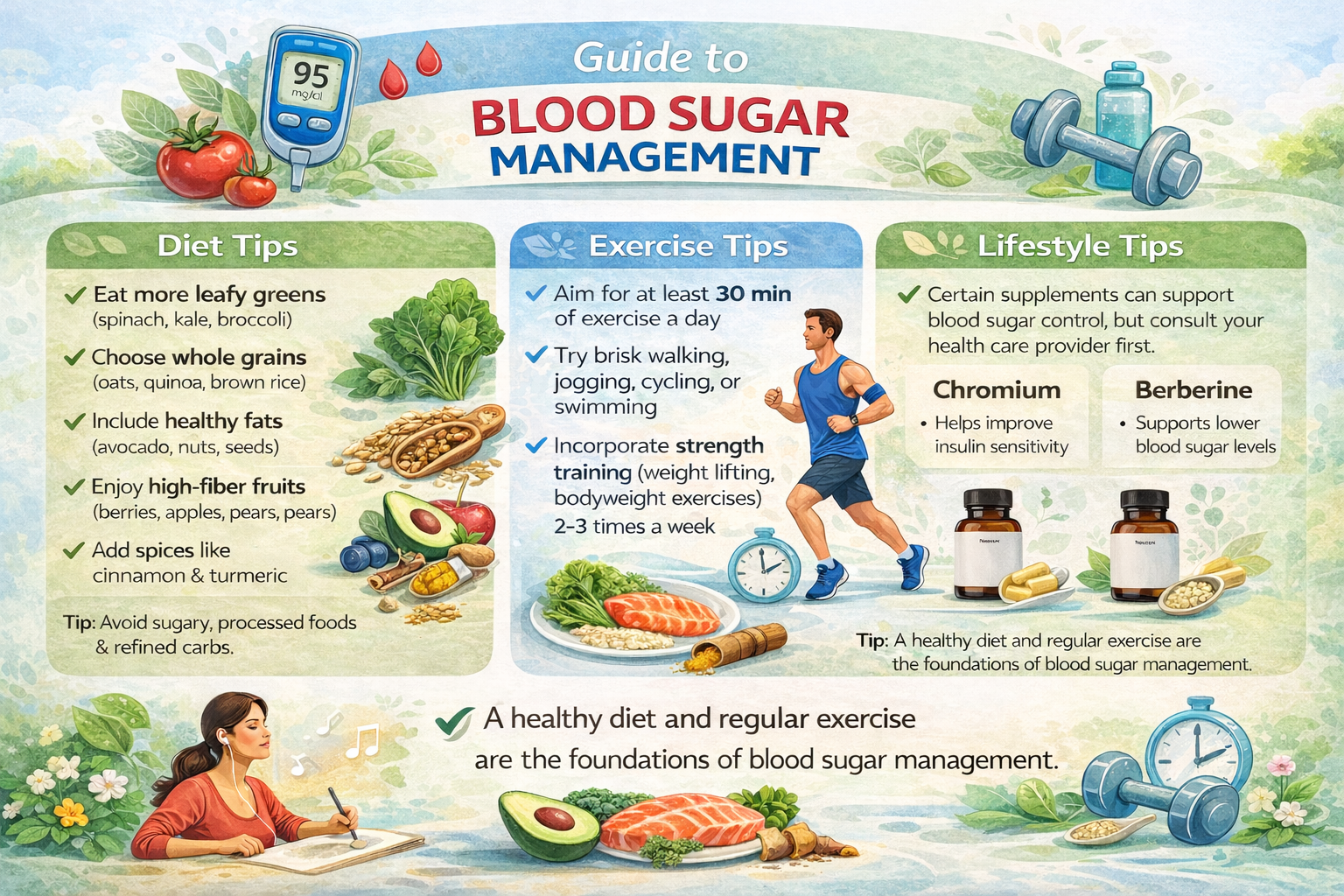
Guide to blood sugar management is a comprehensive strategy to regulate glucose through balanced nutrition, regular physical activity, and careful monitoring to ensure optimal metabolic health and significantly reduce the risk of developing serious chronic metabolic disease complications.
🎬 Watch: A guide to blood sugar management.
📜 Prefer reading: Scroll down for detailed explanations of each stress-reduction technique.
Maintaining stable blood glucose is a fundamental aspect of long-term health and vitality. Fluctuations in blood sugar can impact energy levels, mood, and cardiovascular risk. This guide to blood sugar management is designed to provide you with the knowledge and tools necessary to navigate the complexities of metabolic health effectively. Whether you are looking to prevent future issues or manage existing concerns, understanding the principles of glucose control is essential.
The modern diet, often high in refined carbohydrates and sugars, poses significant challenges to our metabolic systems. By adopting a structured approach, individuals can mitigate these risks and enhance their quality of life. This article explores the science behind glucose regulation, the benefits of maintaining stable levels, and practical strategies to achieve your health goals. We will also examine how balanced nutritional strategies form the cornerstone of any effective plan.
In the following sections, we will delve into the mechanisms of insulin action, the role of specific nutrients, and lifestyle modifications that can make a tangible difference. From dietary adjustments to the potential use of supportive supplements, we cover a broad spectrum of options to suit individual needs.
Our aim is to empower you with evidence-based information, helping you to make informed decisions about your health. By the end of this comprehensive guide, you will have a clearer understanding of how to take control of your blood sugar naturally and sustainably.

What Is a Guide to Blood Sugar Management?
A guide to blood sugar management serves as an educational framework for understanding how the body processes glucose and how lifestyle factors influence this process. It encompasses a range of strategies, primarily focusing on diet, exercise, and stress management, to keep blood glucose levels within a healthy range. According to the NHS, managing blood sugar is crucial for preventing type 2 diabetes and maintaining overall energy levels.
Understanding Glucose and Insulin
Glucose is the primary sugar found in your blood and your body’s main source of energy. It comes from the food you eat. Insulin, a hormone produced by the pancreas, helps glucose get into your cells to be used for energy. If your body does not produce enough insulin or does not use it effectively, glucose stays in the blood, leading to high blood sugar levels. This guide to blood sugar management focuses on optimising this insulin-glucose dynamic.
The Scope of Management
Management is not merely about avoiding sugar; it involves understanding the glycaemic index of foods, the timing of meals, and the impact of physical activity. It also includes monitoring techniques to track progress. For many, this structured approach is necessary to reverse prediabetes or manage diabetes without solely relying on medication.
The Role of Education
Education is the first step in any effective management plan. By understanding how different foods and activities affect blood sugar, individuals can make proactive choices. This guide aims to demystify the science, providing clear, actionable advice that can be integrated into daily life.
How a Guide to Blood Sugar Management Works
Implementing a guide to blood sugar management requires a multifaceted approach that targets various physiological pathways. The primary mechanism involves improving insulin sensitivity, which allows the body to use glucose more efficiently. When cells are sensitive to insulin, they require less of the hormone to lower blood sugar levels, reducing the strain on the pancreas.
Dietary Mechanisms
Diet acts as the most direct lever for blood sugar control. Consuming foods with a low glycaemic load ensures that glucose is released slowly into the bloodstream. Fibre plays a critical role here; it slows digestion and the absorption of sugars. Furthermore, balancing macronutrients—pairing carbohydrates with proteins and healthy fats—can further blunt glucose spikes. A guide to blood sugar management always emphasises the composition of the plate over mere calorie counting.
Physical Activity and Glucose Uptake
Exercise is another potent mechanism. Muscle contraction during physical activity stimulates glucose uptake from the blood independently of insulin. This effect can last for hours after a workout, making it a vital tool for management. Both aerobic exercises, like running, and resistance training, like weightlifting, contribute to better glucose control by increasing muscle mass and metabolic rate.
The Impact of Stress and Sleep
Less obvious but equally important are the roles of stress and sleep. Chronic stress leads to elevated cortisol, a hormone that can raise blood sugar levels by promoting glucose release from the liver. Similarly, lack of sleep can disrupt the hormones that regulate hunger and insulin sensitivity. Therefore, any comprehensive guide to blood sugar management must address these lifestyle factors alongside diet and exercise. For more details on hormonal interactions, see our article on insulin and glucose dynamics.
6 Evidence-Based Benefits of Blood Sugar Management
Adhering to a strategic guide to blood sugar management offers numerous benefits that extend beyond simply preventing diabetes. Stabilising glucose levels impacts nearly every system in the body, from cognitive function to cardiovascular health. The following points highlight the key advantages supported by scientific research.
1. Sustained Energy Levels
One of the most immediate benefits is the stabilisation of energy. When blood sugar spikes and then crashes, it leads to feelings of fatigue and lethargy. By maintaining steady levels, the body receives a consistent supply of energy. This eliminates the “afternoon slump” many people experience and enhances overall productivity. Stable blood sugar ensures the brain has a steady fuel supply, improving focus and concentration throughout the day.
2. Improved Weight Management
There is a strong link between blood sugar control and weight management. High insulin levels, which result from spikes in blood sugar, promote fat storage and inhibit fat burning. By keeping insulin levels low and stable, the body is more likely to burn stored fat for energy. Research indicates that low-glycaemic diets are more effective for weight loss than low-calorie diets alone. A guide to blood sugar management often naturally leads to a reduction in cravings, making it easier to adhere to a healthy eating plan.
3. Reduced Risk of Cardiovascular Disease
Chronic high blood sugar can damage blood vessels and nerves that control the heart. Over time, this increases the risk of heart disease and stroke. By managing glucose levels effectively, individuals can significantly reduce this risk. Stable blood sugar helps maintain healthy cholesterol levels and blood pressure. According to heart health organisations, glycaemic control is a key factor in preventing cardiovascular complications.
4. Better Skin Health
While often overlooked, skin health is closely tied to blood sugar. High glucose levels can lead to inflammation and the production of advanced glycation end products (AGEs), which damage collagen and elastin. This acceleration of skin ageing can manifest as wrinkles and sagging. Furthermore, conditions like acne can be exacerbated by insulin spikes. A balanced approach to glucose can result in clearer, more youthful-looking skin.
5. Enhanced Cognitive Function
The brain is highly dependent on glucose for fuel, but it is also sensitive to fluctuations. Both hyperglycaemia (high blood sugar) and hypoglycaemia (low blood sugar) can impair cognitive function, leading to brain fog and memory issues. Long-term poor blood sugar control is also a risk factor for dementia. By following a consistent guide to blood sugar management, individuals may protect their brain health and maintain mental clarity as they age.
6. Prevention of Type 2 Diabetes
Perhaps the most significant benefit is the potential to prevent or delay the onset of type 2 diabetes. For individuals with prediabetes, lifestyle changes can return blood sugar levels to normal. Studies have shown that losing a modest amount of weight and increasing physical activity can cut the risk of developing type 2 diabetes by more than half. This proactive approach is far more effective than reactive treatment after the disease has developed.
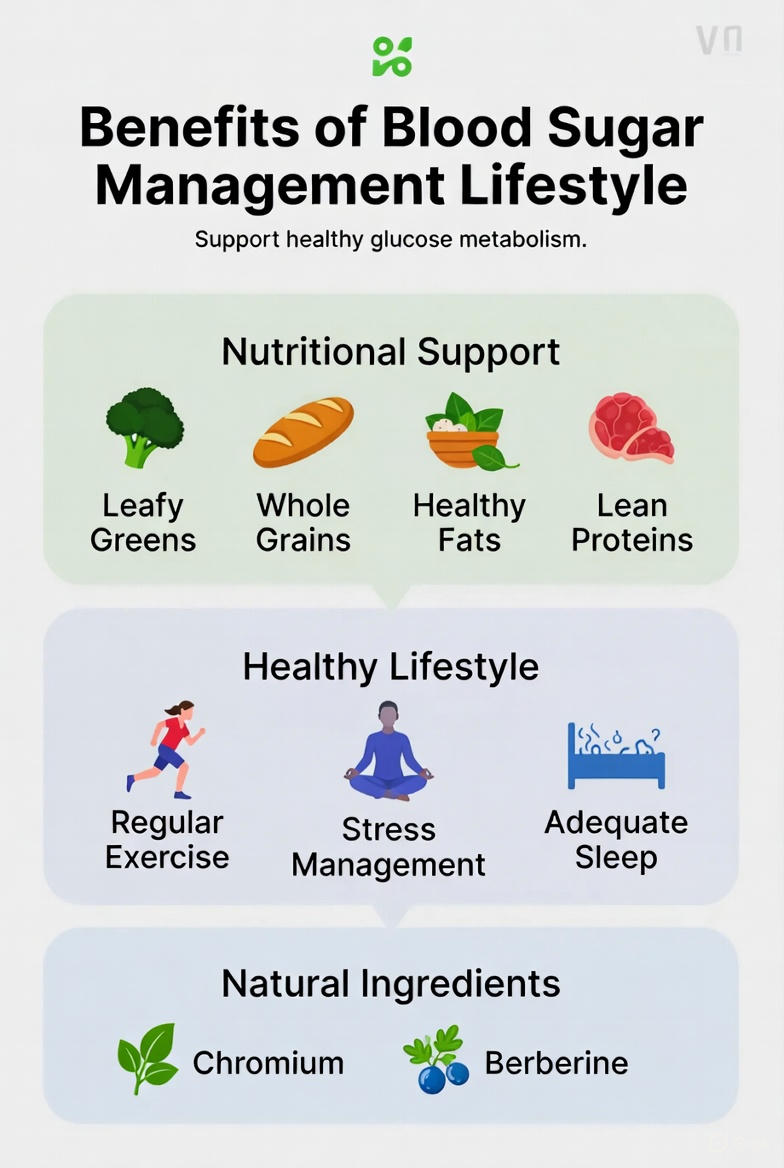
Forms Comparison: Approaches to Management
There are various ways to approach blood sugar control, ranging from dietary changes to technological interventions. The table below compares different forms of management strategies to help you understand which might suit your lifestyle best.
| Approach | Primary Mechanism | Involvement | Best For |
|---|---|---|---|
| Dietary Modification | Reduces glucose intake and absorption | High (Daily choices) | Everyone; foundational step |
| Physical Exercise | Increases glucose uptake by muscles | Medium (3-5 times/week) | Enhancing insulin sensitivity |
| CGM Monitoring | Real-time data feedback | Medium (Wearing device) | Data-driven individuals |
| Nutritional Supplements | Supports metabolic pathways | Low (Daily pill/capsule) | Addressing specific deficiencies |
| Stress Management | Lowers cortisol and glucose production | Variable (Daily practice) | Those with high stress |
What Research Shows
The scientific community has extensively studied the impact of lifestyle interventions on blood sugar control. The consensus is that diet and lifestyle modifications are highly effective, often matching the efficacy of pharmaceutical interventions in the early stages of dysglycaemia.
Key Clinical Findings
A landmark study published by the NIH demonstrated that intensive lifestyle intervention reduced the incidence of diabetes by 58% compared to a placebo group. This highlights the power of behavioural change. Furthermore, research into the Glycaemic Index confirms that low-GI diets improve glycaemic control in people with diabetes.
Emerging Evidence on Supplements
Recent studies have also investigated the role of supplements like berberine and chromium. Evidence suggests that berberine can activate an enzyme called AMPK, which helps regulate metabolism, mimicking the effects of exercise. However, researchers emphasize that these should complement, not replace, lifestyle changes.
Limitations and Gaps
While the evidence is robust, researchers note that adherence is the biggest challenge. Knowing what to do is different from doing it consistently. Additionally, individual responses to carbohydrates vary greatly, suggesting that a personalised guide to blood sugar management is more effective than a generic “one-size-fits-all” approach.
Safety Profile and Side Effects
While natural and lifestyle-based approaches are generally safe, there are potential risks if management is taken to extremes or if individuals rely on unproven remedies. It is important to navigate this path with caution and professional guidance.
Risks of Over-Management
Hyper-vigilance can sometimes lead to stress and anxiety. Orthorexia, an obsession with healthy eating, can develop if the focus becomes too restrictive. Furthermore, attempting to manage blood sugar without proper medical supervision, especially while on medication, can lead to hypoglycaemia (dangerously low blood sugar), which can cause dizziness, confusion, and fainting.
Potential Interactions
Many natural supplements used for blood sugar support can interact with prescription medications. For example, taking cinnamon or berberine alongside diabetes medication like metformin may potentiate the drug’s effect, causing blood sugar to drop too low. It is vital to consult a healthcare provider before adding supplements to your regimen.
Who Should Exercise Caution
Individuals with type 1 diabetes must be extremely careful, as their management requires precise insulin dosing that diet and exercise alone cannot replace. Pregnant women and those with existing liver or kidney conditions should also seek medical advice before making significant dietary changes or taking new supplements.
Realistic Expectations
Adopting a guide to blood sugar management is a marathon, not a sprint. It is important to set realistic goals to avoid burnout. You may not see dramatic changes in your HbA1c (a measure of long-term blood sugar) immediately; it often takes three to six months of consistent lifestyle changes to reflect in blood work. There will be days when you slip up, and that is normal. The focus should be on long-term trends rather than daily perfection. Consistency over intensity is the key to success.
Dosage and Timing Guidelines
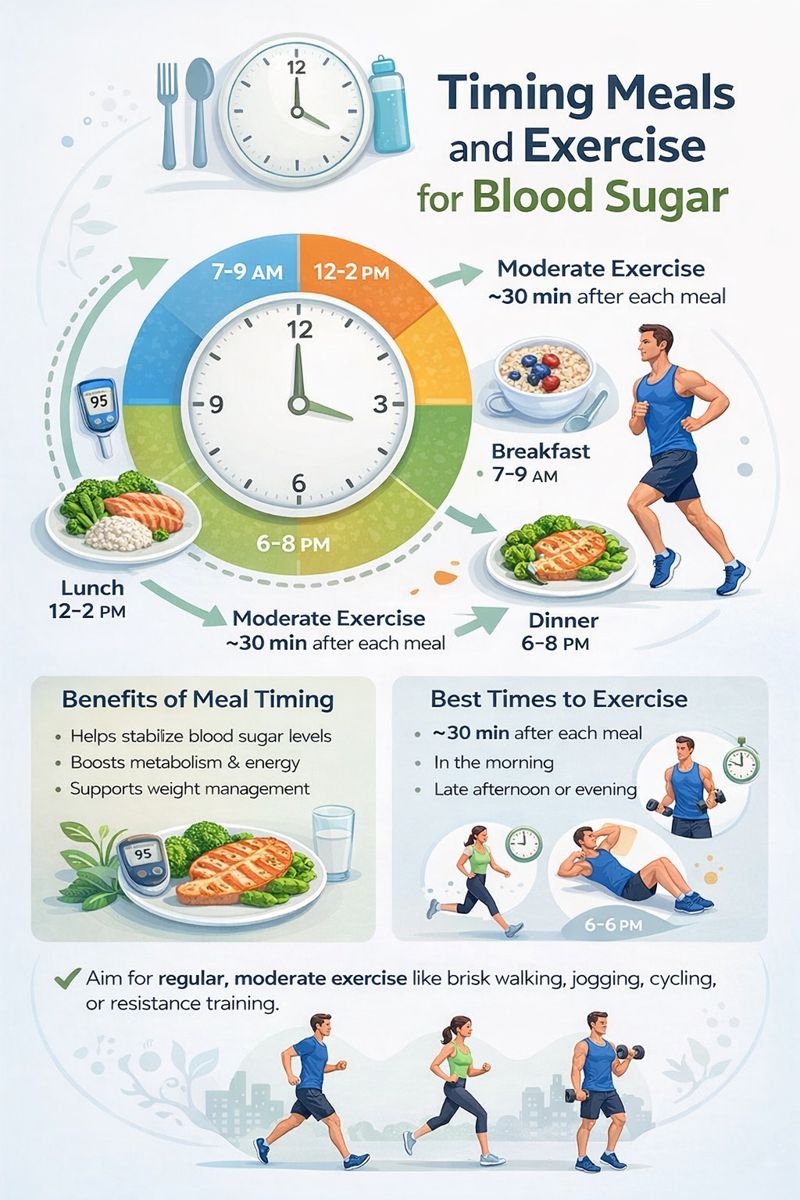
Timing plays a crucial role in blood sugar management. When you eat can be just as important as what you eat. The following table provides guidelines for optimising the timing of meals, exercise, and potential supplements.
| Activity | Optimal Timing | Duration/Notes | Expected Benefit |
|---|---|---|---|
| Morning Meal | Within 1-2 hours of waking | High protein/fat | Stabilises daytime glucose |
| Post-Meal Walk | 15-30 mins after eating | 15-20 mins brisk | Blunts glucose spike |
| Carbohydrate Intake | Evening (Active days only) | Complex carbs | Supports recovery/sleep |
| Supplements | With main meals | As directed | Enhances absorption |
| Strength Training | Late afternoon | 30-45 mins | Improves overnight levels |
5 Expert Tips for Blood Sugar Management
To help you navigate the complexities of glucose control, we have compiled five expert tips. These strategies are practical, evidence-based, and designed to be easily incorporated into your daily routine.
1. Prioritise Fibre-Rich Foods
Fibre is your best friend when it comes to blood sugar. Soluble fibre, found in oats, legumes, and flaxseeds, forms a gel-like substance in the gut that slows down the absorption of sugar. Aim to include a source of fibre in every meal. This simple change can significantly flatten the glucose curve.
2. Incorporate Vinegar Before Meals
Studies suggest that consuming apple cider vinegar before a high-carbohydrate meal can improve insulin sensitivity and reduce the glucose spike. The acetic acid in vinegar slows down gastric emptying. Try mixing a tablespoon of vinegar in a glass of water and drinking it 15 minutes before eating.
3. Stay Hydrated
Dehydration can concentrate blood sugar levels. Drinking enough water helps the kidneys flush out excess sugar through urine. Make water your primary beverage. Avoid sugary drinks and fruit juices, which are rapid sources of glucose that can destabilise your levels. If you find plain water boring, herbal teas are an excellent alternative.
4. Manage Stress Effectively
Chronic stress is a saboteur of metabolic health. When stressed, your body releases adrenaline and cortisol, which raise blood sugar. Engage in stress-reducing activities such as yoga, meditation, or deep breathing exercises. Even a few minutes of deep breathing can shift your body from a “fight or flight” state to a “rest and digest” state, lowering glucose production. You can learn more about managing cortisol levels on our site.
5. optimise Your Sleep Hygiene
Poor sleep disrupts the hormones that regulate hunger and insulin. Aim for 7-9 hours of quality sleep per night. Establish a regular sleep schedule by going to bed and waking up at the same time each day. Create a relaxing bedtime routine free of screens to signal to your body that it is time to wind down.
How to Choose Quality Support for Your Guide
As you implement your guide to blood sugar management, you may consider supplements or testing tools to support your journey. Quality is paramount in this market, which is often unregulated. Here is how to ensure you are choosing the best products.
Third-Party Testing
Always look for supplements that have been tested by independent third-party organisations such as USP, NSF, or ConsumerLab. These certifications verify that the product contains what the label claims and is free from harmful contaminants like heavy metals or pesticides.
Clinical Dosages
Many supplements contain “proprietary blends” that do not list the individual amounts of each ingredient. Avoid these. Look for products that disclose the exact dosage of every ingredient, ensuring they match the amounts used in clinical studies. For instance, berberine is typically effective at doses of 500mg, taken three times daily.
Ingredient Transparency
Quality products use bioavailable forms of nutrients. For example, magnesium glycinate is better absorbed than magnesium oxide. Check the label for inactive ingredients as well; avoid products with unnecessary fillers, artificial colours, or preservatives. A quality guide to blood sugar management relies on clean, effective inputs.
Quality Blood Sugar Management Products
While diet and exercise are foundational, certain supplements can provide additional support. The following products have been selected based on their quality ingredients, transparency, and alignment with evidence-based practices.
GlucoBalance Pro
GlucoBalance Pro is a comprehensive formula designed to support healthy glucose metabolism already within normal levels. It features a blend of berberine HCl, chromium picolinate, and cinnamon extract, ingredients known for their potential to enhance insulin sensitivity. This product is manufactured in a GMP-certified facility, ensuring high standards of quality and purity. It is particularly useful for those struggling with post-meal spikes. The formula includes BioPerine, a black pepper extract, to significantly enhance the absorption of the active compounds. GlucoBalance Pro is suitable for vegetarians and is free from common allergens such as gluten, soy, and dairy.
- ✓ Contains 500mg Berberine HCl per serving
- ✓ Includes BioPerine for enhanced absorption
- ✓ 200mcg of Chromium Picolinate
- ✓ Third-party tested for purity
GlucoBalance Pro is available here.
Metabolic Essentials Complex
Metabolic Essentials Complex takes a holistic approach by combining blood sugar support with antioxidants. It includes alpha-lipoic acid (ALA), a potent antioxidant that helps combat oxidative stress, which is often elevated in individuals with metabolic concerns. Additionally, it contains magnesium and vitamin D, nutrients that are frequently deficient in those with insulin resistance. This supplement is ideal for individuals looking for overall metabolic support rather than just glucose control. The capsules are easy to swallow, and the recommended dosage of two capsules daily fits conveniently into any routine.
- ✓ 300mg Alpha-Lipoic Acid per serving
- ✓ High potency Magnesium Bisglycinate
- ✓ Added Vitamin D3 for immune support
- ✓ Free from artificial preservatives
Metabolic Essentials Complex is available here.
Frequently Asked Questions
1. What is the best diet for blood sugar management?
The most effective diet is typically one that is low in refined carbohydrates and high in fibre and whole foods. The Mediterranean diet and low-glycaemic index diets are frequently recommended by experts. These diets focus on vegetables, lean proteins, healthy fats, and complex carbohydrates, which help maintain stable glucose levels.
2. Can I manage blood sugar without medication?
Many people, especially those with prediabetes or early-stage type 2 diabetes, can successfully manage their blood sugar through lifestyle changes alone. Weight loss, exercise, and dietary modifications can be very effective. However, this should always be done under the supervision of a healthcare professional. For more information on supportive nutrients, see our guide on metabolic support supplements.
3. How often should I check my blood sugar?
The frequency depends on your individual health status. Those with diabetes may need to check multiple times a day. For general health management or those with prediabetes, occasional fasting checks or checking post-meal levels a few times a week can provide valuable feedback on how specific foods affect your body.
4. Does walking help lower blood sugar?
Yes, walking is one of the most effective exercises for lowering blood sugar. A brisk walk, especially taken 15 to 30 minutes after a meal, can significantly reduce the glucose spike. The muscles use the glucose for energy, preventing it from accumulating in the blood.
5. Are artificial sweeteners safe for blood sugar management?
While artificial sweeteners do not raise blood sugar directly, some research suggests they may affect gut bacteria or insulin sensitivity indirectly. Moderation is key. Natural sweeteners like stevia or monk fruit are generally preferred, but the best strategy is to reduce the overall desire for very sweet foods.
6. Guide to blood sugar management vs standard dieting: Which is better?
Standard dieting often focuses solely on weight loss through calorie restriction, which can sometimes lead to blood sugar fluctuations if the quality of food is ignored. A guide to blood sugar management focuses specifically on the metabolic impact of food, prioritising nutrient density and glycaemic control. While both can lead to weight loss, the blood sugar approach is generally superior for long-term metabolic health and preventing diabetes.
Final Thoughts
Navigating the complexities of metabolic health can be challenging, but a solid guide to blood sugar management provides the roadmap you need. By focusing on whole foods, regular activity, and stress reduction, you can profoundly impact your health. Remember, the goal is not perfection but consistent progress. Small, sustainable changes made today can yield significant health dividends in the future.
It is essential to listen to your body and work with healthcare professionals to tailor these strategies to your unique needs. Whether through diet, lifestyle, or supportive supplements, the power to manage your health is in your hands. Stay informed, stay consistent, and prioritise your well-being.
Sources
This article is based on peer-reviewed research and authoritative health sources:
Written by Arsim Rama · Last updated: January 2025
Affiliate Disclosure: This article contains affiliate links. If you purchase through these links, we may earn a small commission at no extra cost to you.
Medical Disclaimer: This article is for educational purposes only and does not constitute medical advice. Always consult your GP or qualified healthcare professional before starting any new supplement regimen.