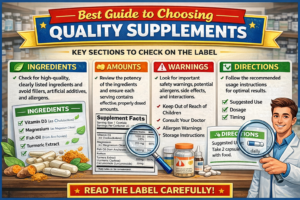

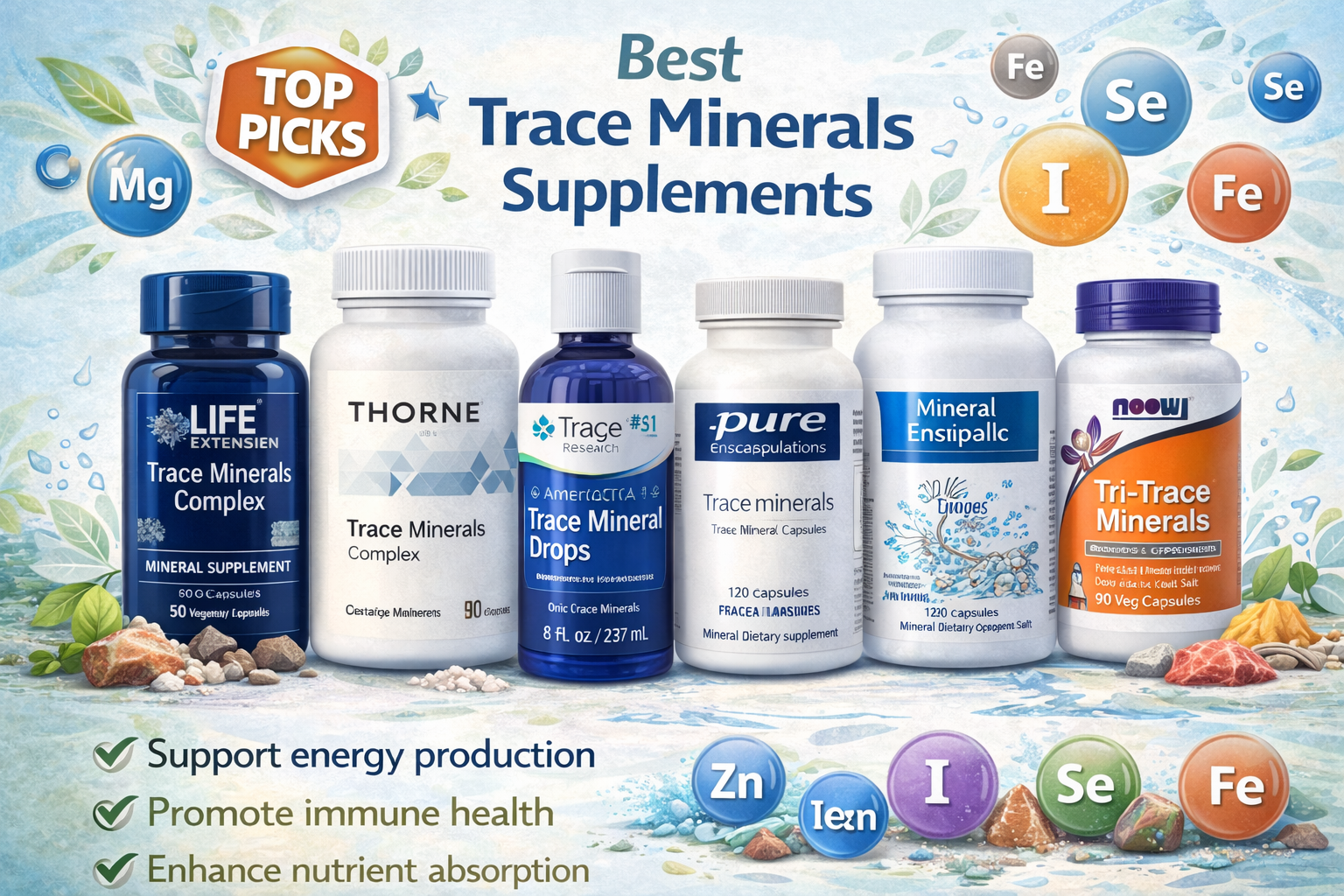
Best Trace Minerals is a comprehensive resource detailing essential inorganic nutrients required in minute amounts to support enzyme function, hormone production, and overall physiological health through informed supplementation strategies.
🎬 Watch: Frequently Asked Questions.
📜 Prefer reading? Scroll down for the full written guide.
In the complex landscape of modern nutrition, macronutrients often dominate the discussion, yet the smallest players frequently exert the most significant influence on our well-being. The quality of our soil has changed drastically over the last century due to intensive farming practices, leaving many individuals unknowingly deficient in vital elements. This Trace Minerals Guide aims to bridge the gap between ancient dietary wisdom and modern scientific understanding.
Trace minerals are the spark plugs of life, facilitating thousands of biochemical reactions every second. Without them, vitamins cannot function effectively, and energy production stalls. According to Liebig’s Law of the Minimum, growth is dictated not by total resources available, but by the scarcest resource (limiting factor). For many, trace minerals are that limiting factor. To understand the broader context of nutrient density, it is helpful to explore the principles of a micronutrient-rich diet.
This comprehensive resource explores what these minerals are, why they are non-negotiable for health, and how to select the right forms for optimal absorption. We will examine the evidence behind supplementation, analyse the best forms available on the market, and provide practical advice to help you navigate the market safely and effectively.
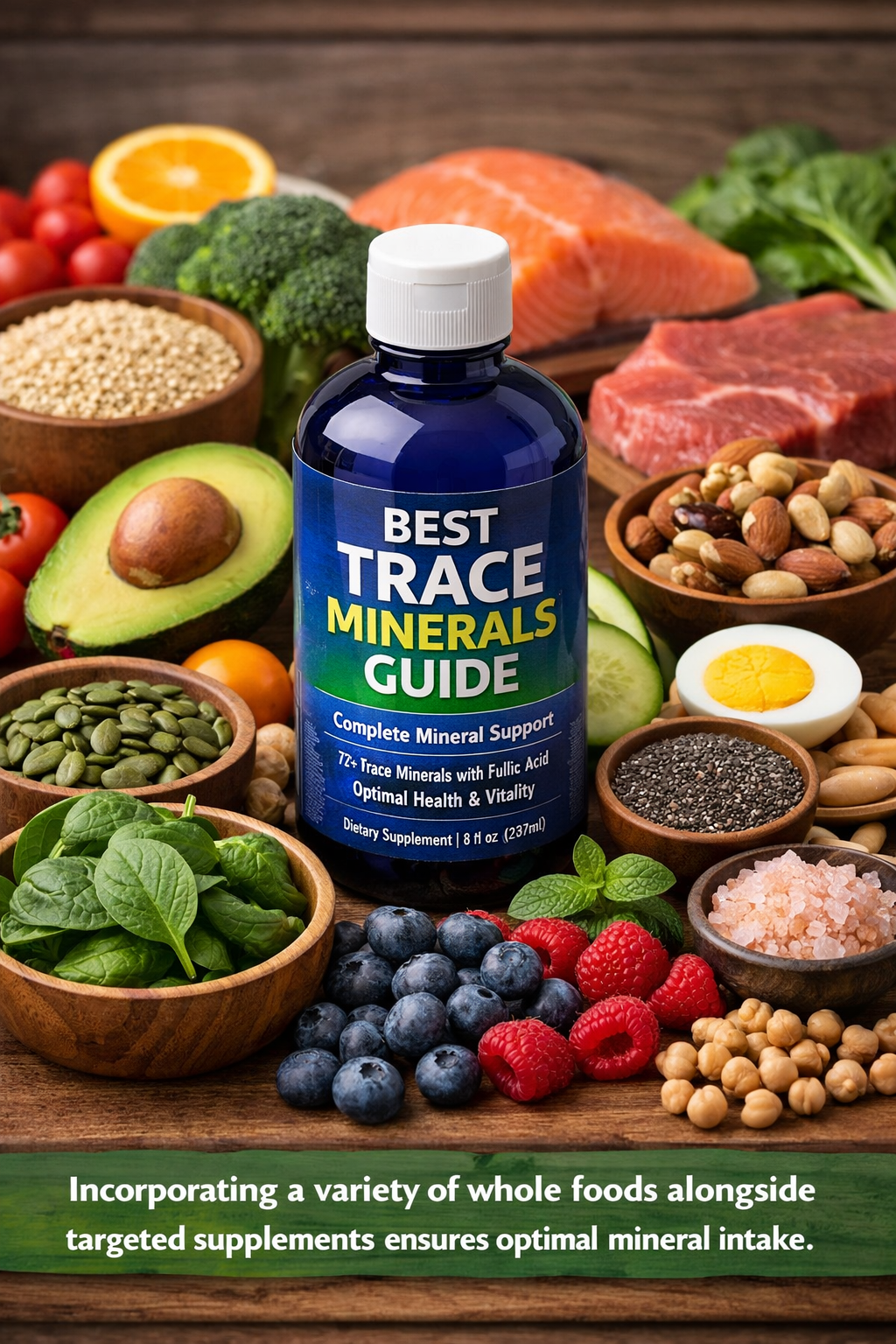
What Are Trace Minerals?
According to the NHS, trace minerals are inorganic substances that the body requires in minute quantities, typically less than 100 milligrams per day. Despite the small volume required, they are indispensable for life. They serve as cofactors for enzymes, meaning they help biological reactions occur that otherwise would not happen or would happen too slowly to sustain life.
Major minerals like calcium and magnesium are needed in larger amounts, but trace minerals such as iron, zinc, copper, manganese, iodine, selenium, fluoride, chromium, and molybdenum are equally critical. The Best Trace Minerals Guide emphasises that deficiency in just one of these can halt specific metabolic pathways, regardless of how abundant other nutrients might be. They are the foundation of cellular communication, structural integrity, and genetic expression. For instance, zinc is involved in over 300 enzymatic reactions, making it a linchpin of human metabolism.
The Science Behind Trace Mineral Absorption
Understanding absorption is key to mastering the Best Trace Minerals Guide. Minerals are not absorbed as efficiently as some vitamins. Their bioavailability depends heavily on the form in which they are consumed and the individual’s gut health.
Primary absorption occurs in the small intestine, specifically the duodenum and jejunum. Here, minerals must be solubilised and transported across the intestinal mucosa. This process is highly competitive. For example, high doses of calcium can inhibit the absorption of iron, and zinc can compete with copper for the same transport channels. This is why the concept of “balanced ratios” is paramount in mineral supplementation.
Furthermore, the presence of phytates and oxalates in plant foods (such as spinach and legumes) can bind to minerals, creating insoluble complexes that the body cannot absorb. This is why forms of minerals that are already bound to organic molecules (chelated) or ionic solutions often bypass these hurdles, offering superior utilisation rates compared to inorganic salts like oxides or carbonates.
7 Proven Benefits of Trace Minerals
Optimising your intake of these micronutrients can yield wide-ranging health benefits. Research indicates that adequate levels support everything from cognitive longevity to physical performance. Many individuals looking to bolster their wellness often look for immune system vitamins, but trace minerals are equally important.
1. Enhanced Immune Defence
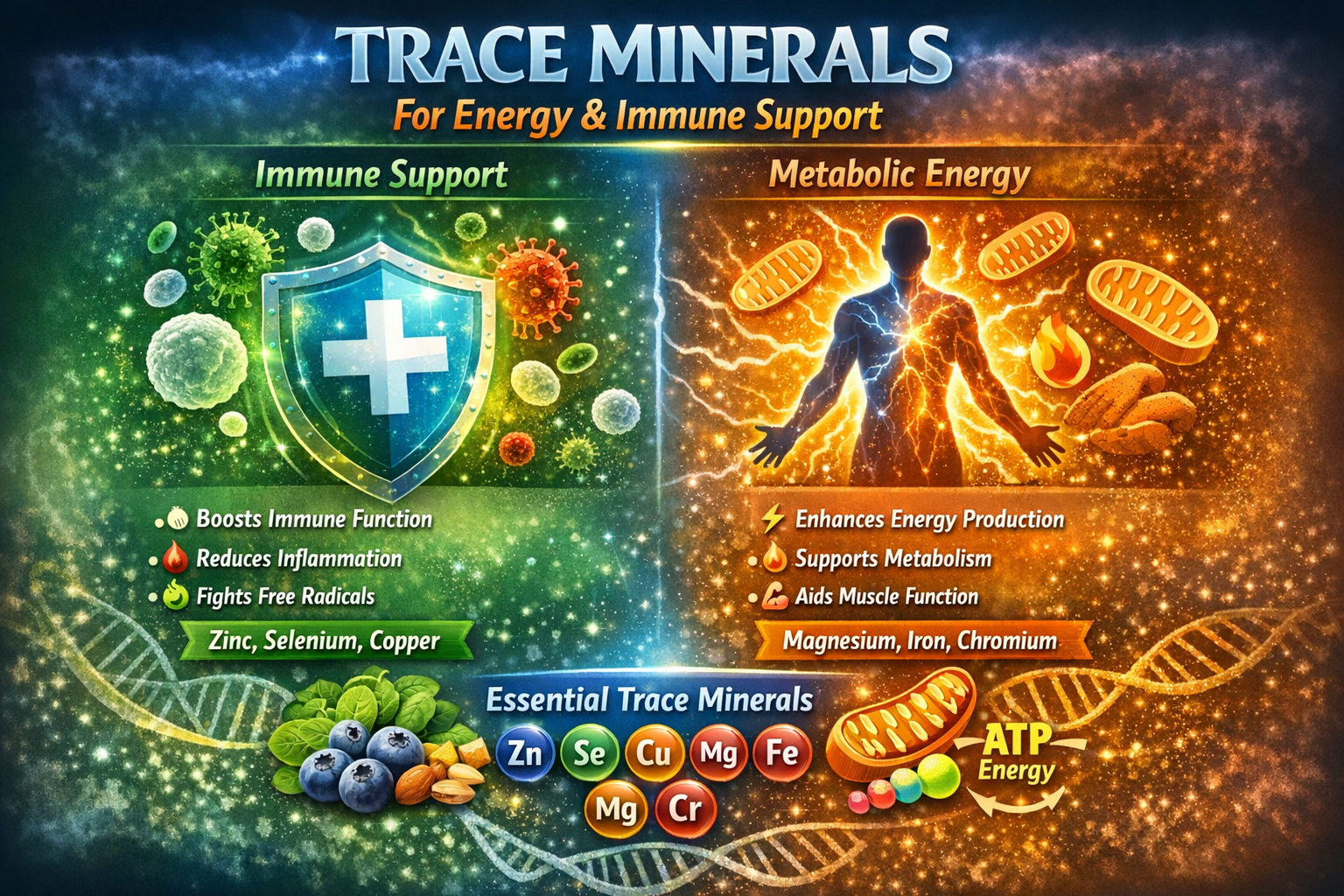
Zinc and selenium are perhaps the most well-known minerals for immune health. Zinc is crucial for the development and function of immune cells like neutrophils and natural killer cells. It also functions as an antioxidant, stabilising cell membranes. A deficiency in zinc is associated with atrophy of the thymus gland, the training centre for T-cells. Studies suggest that zinc supplementation may reduce the duration of the common cold when taken at onset, highlighting its role in barrier function and cellular response. Selenium, on the other hand, is essential for the production of selenoproteins, which regulate inflammation and prevent oxidative damage to immune cells.
2. Improved Energy Metabolism
Iron and copper are essential for the production of haemoglobin and cytochrome oxidase, enzymes involved in oxygen transport and cellular respiration. Without sufficient iron, oxygen delivery to tissues is compromised, leading to fatigue and weakness. However, copper is the unsung hero here; it is required for the mobilisation of iron from storage sites. Without copper, iron accumulates uselessly in tissues. The Best Trace Minerals Guide notes that addressing fatigue often requires looking beyond just iron levels and checking for copper sufficiency as well. These minerals facilitate the electron transport chain, the process by which cells produce ATP, the energy currency of the body.
3. Thyroid Hormone Regulation
Iodine is a critical component of thyroid hormones thyroxine (T4) and triiodothyronine (T3). These hormones regulate metabolism, growth, and development. However, selenium is equally important in this equation. The deiodinase enzymes that convert the inactive T4 into the active T3 are selenium-dependent. A deficiency in selenium can lead to “low T3 syndrome,” where thyroid hormone levels appear normal in blood but are inactive at the cellular level. This dual dependency makes both minerals crucial for metabolic rate, temperature regulation, and energy levels.
4. Stronger Bones and Connective Tissue
Whilst calcium gets the credit for bone strength, trace minerals like manganese, zinc, and copper are vital for the organic matrix of bone. Manganese acts as a cofactor for glycosyltransferases, enzymes essential for the synthesis of proteoglycans, which are the major components of bone cartilage. Copper is required for the enzyme lysyl oxidase, which cross-links collagen and elastin, providing tensile strength to bones and connective tissues. Zinc stimulates bone formation and mineralisation while inhibiting bone resorption. Studies show that low zinc levels are correlated with lower bone density in postmenopausal women, making it a key nutrient for osteoporosis prevention strategies.
5. Blood Sugar Control
Chromium is a mineral that enhances the action of insulin. It is involved in the metabolism of carbohydrates, fats, and proteins. Chromium potentiates the action of insulin by increasing the number of insulin receptors on cell membranes, improving insulin sensitivity. Evidence suggests that chromium picolinate supplementation may help improve glycaemic control in individuals with type 2 diabetes or insulin resistance, although results can vary based on baseline chromium status. Vanadium is another trace mineral studied for its insulin-mimicking properties, though its use requires caution due to a narrow therapeutic window.
6. Protection Against Oxidative Stress
Free radicals are unstable molecules that damage cells, proteins, and DNA. The body has a built-in defence system called the antioxidant defence system, which relies heavily on trace minerals. Selenium is a key component of the enzyme glutathione peroxidase, which neutralises hydrogen peroxide and lipid hydroperoxides. Manganese is part of superoxide dismutase (SOD), one of the body’s primary antioxidant enzymes. Zinc and copper are also cofactors for SOD. By neutralising oxidative stress, adequate intake of these minerals may reduce the risk of chronic diseases, including cardiovascular disease and neurodegenerative disorders.
7. Cognitive Function and Mood Regulation
Emerging research highlights the role of trace minerals in brain health. Zinc is highly concentrated in the brain, particularly in the synaptic vesicles where it modulates neurotransmission. It is involved in synaptic plasticity, the ability of synapses to strengthen or weaken over time, which is the cellular basis of learning and memory. Iron deficiency in infancy and childhood is known to cause irreversible cognitive deficits. Furthermore, low magnesium levels (though a major mineral, often grouped with trace minerals in supplements) have been linked to anxiety and depression. Ensuring adequate mineral intake supports neurotransmitter synthesis and nerve signal transmission.
Transition paragraph: Understanding these benefits is the first step. However, knowing how to source them effectively and in what amounts is equally important for long-term health maintenance.
Dosage and Timing Guidelines
Finding the correct dosage is a critical aspect of the Best Trace Minerals Guide. Because the margin between the Recommended Daily Allowance (RDA) and the Tolerable Upper Intake Level (UL) is narrow for some trace minerals, precision is key.
| Mineral | Adult RDA (Approx) | Upper Limit (UL) | Best Time to Take |
|---|---|---|---|
| Zinc | 11mg (Men) / 8mg (Women) | 40mg | With food, away from copper |
| Selenium | 55µg | 400µg | Morning with food |
| Iron | 8mg (Men) / 18mg (Women) | 45mg | With Vitamin C, empty stomach |
| Chromium | 30-35µg | Not established | With a meal |
| Copper | 900µg | 10mg | Away from zinc supplements |
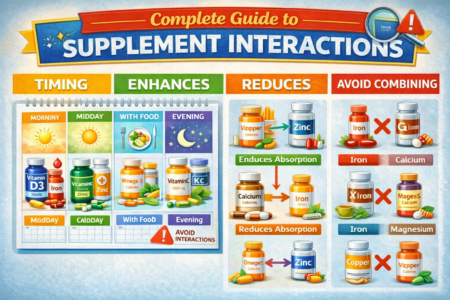
Timing matters because of competition. As noted in the table, zinc interferes with copper absorption. If you take high doses of zinc, you must ensure you are getting enough copper, or take them at different times of the day. Iron is best absorbed on an empty stomach but can cause nausea; taking it with Vitamin C enhances uptake without needing acid suppressants.
Comparing Forms of Trace Mineral Supplements
Not all supplements are created equal. The bioavailability—the proportion of a nutrient that enters the circulation and is able to have an active effect—varies significantly between forms. Below is a comparison of common delivery methods found in the Best Trace Minerals.
| Form | Absorption Rate | Convenience | Best For |
|---|---|---|---|
| Ionic Liquid Drops | High (fast uptake) | Medium (taste can be strong) | Those with digestion issues |
| Chelated Capsules | High (bound to protein) | High (easy to swallow) | Targeted daily dosing |
| Tablets | Variable (often lower) | High (portable) | General maintenance |
| Fulvic Acid Powder | Very High (carrier molecule) | Medium (mixing required) | Maximising cellular uptake |
| Colloidal Minerals | Low/Debated | Medium | Alternative preferences |
Safety Profile and Side Effects
While essential, trace minerals exist in a delicate balance within the body. Because they are needed in such small amounts, the window between therapeutic and toxic doses can be narrow for some elements. It is crucial to adhere to recommended dosages and avoid mega-dosing unless supervised by a healthcare provider. The Trace Minerals Guide always prioritises safety.
Potential Side Effects
- Gastrointestinal Distress: High doses of zinc, magnesium, or iron can cause nausea, vomiting, and diarrhoea. It is best to take these with food. Zinc lozenges, in particular, can cause a metallic taste and nausea if held in the mouth too long.
- Neurological Issues: Excessive copper intake has been linked to neurological problems in sensitive individuals, particularly those with Wilson’s disease, a genetic disorder that prevents copper excretion.
- Selenosis: An overdose of selenium causes selenosis, characterised by hair loss, nail brittleness, gastrointestinal disturbances, and mild nerve damage. This highlights the importance of staying below the Upper Limit.
- Interference with Absorption: Taking high doses of one mineral can inhibit the absorption of another (e.g., zinc inhibiting copper). This is why “chelated” minerals are often better; they are less likely to compete for transport channels.
Who Should Avoid or Consult a Doctor
- Pregnant and Breastfeeding Women: Needs change significantly; iodine needs increase, but Vitamin A and retinol forms must be watched. Always consult a GP before adding supplements, especially high-dose minerals.
- Individuals with Haemochromatosis: Those with iron overload disorders must avoid iron supplements strictly.
- People with Kidney Disease: Impaired kidney function can lead to the accumulation of certain minerals like magnesium and potassium, leading to arrhythmias.
- Those on Medication: Minerals can interact with antibiotics (especially tetracyclines and quinolones), thyroid meds (levothyroxine), and diuretics (thiazides).
Drug Interactions
Trace minerals can bind to medications in the digestive tract, reducing their efficacy. For example, calcium and iron can interfere with the absorption of tetracycline antibiotics and levothyroxine. It is generally recommended to space out supplements and medications by at least two hours. Always inform your pharmacist about any supplements you are taking to avoid adverse interactions.
6 Expert Tips for the Best Trace Minerals Guide
1. Take with Food for Tolerance
Minerals like iron and zinc are notoriously harsh on an empty stomach. Taking them with a meal containing protein can significantly reduce nausea and improve absorption due to the presence of stomach acid. This is especially true for non-chelated forms like zinc sulfate or iron sulfate.
2. Check for Chelation
When choosing tablets or capsules, look for “chelated” forms (e.g., zinc picolinate, magnesium bisglycinate). These are bound to amino acids, making them easier for the body to recognise and absorb, reducing the risk of digestive upset and competition with other minerals.
3. Balance Zinc and Copper
If you supplement with zinc long-term, you may deplete your copper levels. A ratio of approximately 10:1 or 15:1 (Zinc to Copper) is often recommended for long-term maintenance to prevent deficiency in either mineral. Always check the label for balanced ratios or take a separate copper supplement on alternating days.
4. Consider Fulvic Acid
Fulvic acid is a natural compound found in soil that acts as a carrier for minerals. It can help transport nutrients directly into cells and may enhance the bioavailability of other supplements you take. It is often found in high-quality liquid mineral formulas.
5. Test, Don’t Guess
Before starting a complex regimen, consider a blood test or hair mineral analysis. Identifying specific deficiencies allows for targeted supplementation rather than a shotgun approach, which is safer and often more effective. This is the most scientific way to use the Trace Minerals Guide.
6. Water Quality Matters
Filtered water is great for removing contaminants, but reverse osmosis (RO) filters also remove healthy minerals. If you drink RO water, you are missing out on a natural source of magnesium and calcium. Remineralising your water or using unfiltered mineral water for drinking can contribute to your daily intake.
✓ Key Takeaways
- Trace minerals are required in small amounts but are critical for enzyme function and immunity.
- Modern soil depletion may necessitate supplementation even for those eating a balanced diet.
- Chelated forms and ionic liquids generally offer superior bioavailability compared to standard tablets.
- Safety is paramount; avoid mega-dosing and be aware of interactions between minerals like zinc and copper.
What Research Shows
The scientific community continues to explore the extensive roles of trace minerals. While some functions are well-established, others are still being elucidated. The consensus is that food should be the primary source, but the quality of that food is variable. The Best Trace Minerals Guide relies on peer-reviewed evidence.
Key Studies
- Zinc and Immune Function ( NIH, 2017): Research confirms zinc’s critical role in the immune system, affecting both innate and adaptive immunity. Deficiency is noted to increase susceptibility to infectious diseases, particularly in the elderly.
- Selenium and Cancer Risk (Cochrane, 2013): This review found that selenium supplementation might have a protective effect against cancer, particularly for men, though evidence is not yet conclusive enough for broad population recommendations.
- Chromium and Glycaemic Control (2015): Studies suggest chromium picolinate can improve glycaemic control in type 2 diabetes patients, but results vary based on baseline chromium status and study design.
Limitations in current research often stem from the difficulty in measuring long-term mineral status accurately. Serum levels can fluctuate rapidly, so many studies rely on dietary recall, which is often inaccurate. However, the evidence is strong enough to support the importance of these nutrients for health maintenance.
Quality Trace Minerals Products Worth Considering
Selecting a high-quality supplement is critical for safety and efficacy. Products should be third-party tested to ensure they are free from heavy metals and contaminants, which is a risk with mined mineral sources. The Best Minerals Guide recommends looking for purity certifications.
Premium Liquid Ionic Trace Minerals
This comprehensive liquid formula provides over 72 naturally occurring ionic minerals derived from concentrated seawater. It is designed for rapid absorption, making it ideal for those with digestive malabsorption issues. The tasteless formula can be easily mixed with water or juice.
-
- ✓ Naturally sourced from the Great Salt Lake
- ✓ Third-party tested for purity and heavy metals
- ✓ Highly bioavailable ionic form
Chelated Multi-Mineral Complex Capsules
For those who prefer a convenient capsule option, this formula provides key trace minerals like zinc, selenium, and copper in their chelated forms (bisglycinate). This binding process ensures the minerals are gentle on the stomach and effectively absorbed by the body.
- ✓ Contains optimal zinc-to-copper ratio
- ✓ Includes activated B vitamins for enhanced metabolism
- ✓ Vegetable capsules, suitable for vegetarians
Frequently Asked Questions
1. What foods are highest in trace minerals?
The best sources include organ meats, shellfish (especially oysters), nuts, seeds, legumes, and whole grains. However, the mineral content depends heavily on the soil quality in which the food was grown. Oysters are the highest source of zinc, while Brazil nuts are the premier source of selenium.
2. Can I take trace minerals every day?
Yes, daily intake is necessary because the body does not store most trace minerals effectively. However, you should stick to recommended daily allowances to avoid toxicity, particularly with fat-soluble elements or metals like selenium where the upper limit is close to the recommended dose.
3. Do I really need a supplement if I eat healthy?
Not necessarily, but modern agricultural practices have depleted soil nutrients globally. Even a healthy diet may lack adequate amounts of selenium, iodine, or magnesium, making supplementation a useful insurance policy for long-term health.
4. Are liquid minerals better than tablets?
Liquids generally offer faster absorption and are easier for the body to process, especially for those with low stomach acid. However, high-quality chelated tablets can be equally effective for many people. The best form depends on your specific digestive health and lifestyle.
5. When should I take trace minerals?
Timing can depend on the specific mineral. For example, iron is best absorbed with Vitamin C and away from calcium. To learn more about vitamin absorption timing, consult our dedicated guide to maximise your supplement efficacy.
6. Trace Minerals vs Multivitamins: Which Is Better?
Multivitamins provide a broad spectrum of both vitamins and minerals, often at lower doses. Trace mineral products typically offer higher concentrations of specific minerals. They are not mutually exclusive; many people take both, though it is important to watch total intake to avoid exceeding safe limits.
Final Thoughts
Trace minerals may be required in microscopic amounts, but their impact on macro-level health is undeniable. From fuelling the immune system to strengthening bones and regulating hormones, these nutrients are the foundation of physiological resilience. While obtaining nutrients from a nutrient-dense diet is the goal, modern food production challenges make supplementation a wise consideration for many.
When selecting a product, prioritise quality and bioavailability. Cheaper, poorly absorbed forms are often a waste of money. Always start with lower doses to assess tolerance and consult with a healthcare professional to ensure your regimen aligns with your specific health profile and blood work results.
By taking a proactive approach to the Minerals principles, you can support your body’s intricate systems and promote long-term vitality safely and effectively.
Sources
This article is based on peer-reviewed research and authoritative health sources:
Written by Arsim Rama · Last updated: January 2025
Affiliate Disclosure: This article contains affiliate links. If you purchase through these links, we may earn a small commission at no extra cost to you.
Medical Disclaimer: This article is for educational purposes only and does not constitute medical advice. Always consult your GP or qualified healthcare professional before starting any new supplement regimen.