

Quick Answer: The most Essential Natural Supplements Guide for most UK adults include vitamin D (particularly October–March), omega-3 fatty acids, and magnesium—nutrients commonly lacking in modern diets. Vitamin B12 is especially important for vegetarians and vegans, while probiotics support gut health across all dietary patterns. Quality matters enormously, and more supplements aren’t necessarily better—focus on addressing genuine gaps rather than taking everything available.
With thousands of supplements lining pharmacy shelves and flooding online stores, knowing which ones genuinely matter can feel overwhelming. Some deliver meaningful health benefits backed by solid research; others offer little beyond expensive urine. This guide cuts through the noise to identify the essential natural supplements guide worth considering—and helps you understand when they’re actually necessary.
The supplement industry has exploded into a multi-billion pound market, with marketing claims often outpacing scientific evidence. Yet dismissing all supplements as unnecessary oversimplifies reality. Modern food production, lifestyle factors, geographic location, and individual health circumstances create genuine nutritional gaps that diet alone may struggle to fill.
Rather than promoting a “take everything just in case” approach, this guide examines the supplements with the strongest evidence base—the ones nutritionists, researchers, and healthcare providers most consistently recommend. We’ll explore what each supplement does, who genuinely needs it, how to choose quality products, and how these nutrients interact with each other and with medications.
Understanding your individual needs matters more than following generic advice. Some supplements are near-universal recommendations (like vitamin D during UK winters), while others depend entirely on your diet, health status, age, and lifestyle. By the end of this guide, you’ll have a clearer picture of which supplements deserve space in your routine—and which you can confidently skip.

🎬 Watch: Frequently Asked Questions.
📜 Prefer reading? Scroll down for detailed explanations.
Why Natural Supplements Guide Matter for Modern Health
The phrase “you can get everything you need from food” sounds sensible but doesn’t reflect modern reality for many people. Several factors create nutritional gaps that even well-intentioned eaters may struggle to close through diet alone.
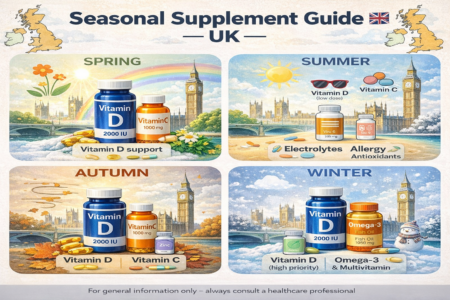
Geographic factors play a significant role, particularly for vitamin D. The UK’s northerly latitude means sunlight lacks sufficient UVB intensity for skin synthesis from October through March. Unless you’re eating oily fish daily or fortified foods consistently, supplementation becomes practically necessary during these months—and potentially year-round for many individuals.
Soil depletion has reduced mineral content in many crops over decades of intensive farming. While the extent remains debated, research suggests that fruits and vegetables today may contain less magnesium, zinc, and other minerals than those grown fifty years ago. This doesn’t mean produce isn’t nutritious—it simply means optimal intake may require more attention.
Dietary patterns increasingly exclude entire food groups. Vegetarians and vegans face particular challenges obtaining vitamin B12 (found naturally only in animal products), omega-3 fatty acids (the most bioavailable forms come from fish), and iron in its most absorbable form. These aren’t insurmountable challenges, but they do require conscious supplementation strategies.
Individual variation affects nutrient needs dramatically. Age, genetics, medications, health conditions, stress levels, and activity patterns all influence how much of each nutrient you require and how efficiently you absorb it. What’s adequate for one person may be insufficient for another.
The goal isn’t to take as many supplements as possible—it’s to identify and address your specific gaps. For most people, this means a targeted selection of evidence-based supplements rather than a cabinet full of bottles.
Vitamin D: The Sunshine Vitamin Most People Lack
If you take only one supplement, vitamin D often represents the strongest case. Public Health England recommends that all UK adults consider supplementing with 10 mcg (400 IU) daily during autumn and winter, with certain groups advised to supplement year-round.
Vitamin D functions more like a hormone than a typical vitamin, influencing hundreds of genes and affecting nearly every tissue in your body. Its roles extend far beyond the well-known bone health benefits to include immune function, mood regulation, muscle strength, and potentially cardiovascular and metabolic health.
Despite its importance, vitamin D deficiency remains remarkably common. Estimates suggest that approximately 1 in 5 UK adults has low vitamin D levels, with rates higher among those with darker skin, limited outdoor exposure, obesity, or conditions affecting absorption. Older adults produce less vitamin D from sunlight and often spend less time outdoors, compounding their risk.
✓ Pros
- Near-universal benefit for UK residents
- Strong evidence base for bone health
- Growing research on immune function
- Inexpensive and widely available
- D3 form is highly effective
✗ Cons
- Toxicity possible with very high doses
- Requires fat for absorption
- Some conditions require medical supervision
- Blood testing needed for precise dosing
- Quality varies between products
Recommended intake: The UK government recommends 10 mcg (400 IU) daily as a minimum. Many experts suggest 25–50 mcg (1,000–2,000 IU) for those with known deficiency, limited sun exposure, or higher needs. Your GP can test your blood levels if you’re uncertain about your status. For a comprehensive look at this nutrient, our vitamin D benefits and sources guide covers optimal forms, dosing strategies, and absorption factors.
Omega-3 Fatty Acids: Essential Fats for Brain and Heart
Omega-3 fatty acids—particularly EPA and DHA found in oily fish—play structural and functional roles throughout your body. Your brain is roughly 60% fat, with DHA comprising a significant portion of brain cell membranes. EPA and DHA also influence inflammation, blood vessel function, and cellular signalling throughout the body.
The challenge? Most people don’t eat enough oily fish. UK dietary surveys consistently show that average omega-3 intake falls well below recommendations. While plant sources like flaxseed and walnuts provide ALA (alpha-linolenic acid), conversion to the more biologically active EPA and DHA is inefficient—typically less than 10%.
Fish oil supplements offer a convenient way to boost EPA and DHA intake without eating fish multiple times weekly. Algae-based omega-3 supplements provide a vegan-friendly alternative, as algae is where fish originally obtain their omega-3s.
✓ Pros
- Strong evidence for cardiovascular benefits
- Supports brain health and mood
- Anti-inflammatory properties
- Benefits during pregnancy for foetal development
- Algae alternatives available for vegans
✗ Cons
- Fishy aftertaste with some products
- Quality and purity vary significantly
- May interact with blood-thinning medications
- Higher-quality products can be expensive
- Environmental concerns about sourcing
Recommended intake: Most health organisations suggest 250–500 mg combined EPA and DHA daily for general health, with higher amounts (1–4 g) sometimes recommended for specific conditions under medical guidance. Look for products tested for purity, as fish oil can accumulate heavy metals and pollutants. Our detailed omega-3 fish oil guide examines sourcing, quality markers, and dosing considerations.
Magnesium: The Relaxation Mineral
Magnesium participates in over 300 enzymatic reactions in your body, influencing everything from energy production and protein synthesis to muscle and nerve function. It’s sometimes called the “relaxation mineral” for its role in calming the nervous system and supporting restful sleep.
Despite its importance, magnesium deficiency is surprisingly common. Modern diets often lack magnesium-rich foods like nuts, seeds, and leafy greens, while factors like stress, alcohol, and certain medications increase magnesium excretion. Estimates suggest that a significant proportion of UK adults don’t meet recommended magnesium intake.
Symptoms of low magnesium can be vague—fatigue, muscle cramps, poor sleep, irritability—making deficiency easy to overlook. Blood tests aren’t always reliable because most magnesium resides inside cells rather than in the bloodstream.
✓ Pros
- Supports sleep quality and relaxation
- May help with muscle cramps
- Essential for energy production
- Supports vitamin D metabolism
- Generally very safe at appropriate doses
✗ Cons
- Some forms cause digestive upset
- High doses have laxative effect
- Can interact with certain medications
- Many forms exist—confusing to choose
- Kidney disease requires caution
Recommended intake: UK reference nutrient intake is 270 mg daily for women and 300 mg for men, though many experts consider these minimums rather than optimal amounts. Supplemental doses typically range from 200–400 mg daily. The form matters: magnesium glycinate and citrate absorb well and cause less digestive upset than oxide. Our magnesium types and benefits guide breaks down the differences between forms.
Vitamin B12: Energy and Nerve Function
Vitamin B12 is essential for DNA synthesis, red blood cell formation, and nerve function. Unlike water-soluble vitamins that pass through relatively quickly, B12 can be stored in the liver for years—meaning deficiency develops slowly but can cause serious, sometimes irreversible, neurological damage if left untreated.
B12 occurs naturally only in animal products: meat, fish, eggs, and dairy. This makes supplementation essential for vegans and advisable for many vegetarians. However, omnivores aren’t immune to deficiency—absorption becomes less efficient with age, and conditions affecting the stomach or small intestine can impair B12 uptake regardless of dietary intake.
People over 50, those taking metformin or acid-reducing medications, and anyone who has had gastric surgery should pay particular attention to B12 status. Symptoms of deficiency include fatigue, weakness, numbness or tingling in extremities, balance problems, and cognitive difficulties.
✓ Pros
- Essential for vegans and vegetarians
- Prevents serious deficiency symptoms
- Very safe—no toxicity concerns
- Sublingual forms bypass absorption issues
- Inexpensive and widely available
✗ Cons
- Not needed if eating adequate animal products
- Absorption issues require higher doses
- Cyanocobalamin less active than methylcobalamin
- Can mask folate deficiency if taken alone
- Injections sometimes needed for severe deficiency
Recommended intake: The UK RNI is just 1.5 mcg daily, but supplements typically provide much higher amounts (100–1,000 mcg) because absorption is limited—you only absorb a small percentage of each dose. Methylcobalamin and adenosylcobalamin are the active forms, though cyanocobalamin works for most people. For those with absorption issues, higher doses or sublingual/injectable forms may be necessary.
Probiotics: Supporting Your Gut Microbiome
Your gut microbiome—the trillions of bacteria living in your digestive tract—influences far more than digestion. Research increasingly links gut health to immune function, mental health, metabolic processes, and even skin conditions. Probiotics are live beneficial bacteria intended to support or restore a healthy microbial balance.
Unlike single-nutrient supplements with relatively straightforward evidence, probiotic research is complex and strain-specific. What works for one condition may not work for another, and the beneficial strains for IBS differ from those supporting immune function or antibiotic recovery.
That complexity shouldn’t discourage consideration—it simply means being more targeted in your approach. Probiotics show strongest evidence for antibiotic-associated diarrhoea, certain digestive conditions, and possibly immune support, though research continues to expand our understanding.
✓ Pros
- May improve digestive symptoms
- Supports recovery after antibiotics
- Growing evidence for immune benefits
- Generally very safe for most people
- Fermented food alternatives exist
✗ Cons
- Strain-specific—not all probiotics equal
- Benefits may be temporary
- Quality and viability vary greatly
- Not appropriate for immunocompromised
- Research still evolving
Recommended approach: Look for products specifying strains (e.g., Lactobacillus rhamnosus GG) rather than just species, with CFU counts in the billions and evidence of viability at expiration. Refrigerated products often maintain potency better than shelf-stable alternatives, though some stable formulations work well. Our probiotics for gut health guide examines strain selection and quality factors.
How to Compare and Choose Quality Supplements
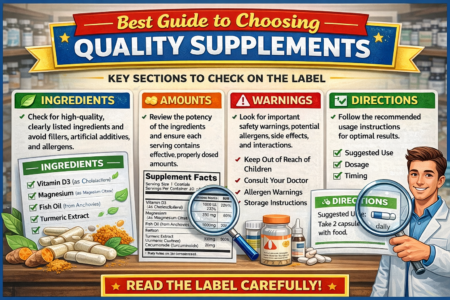
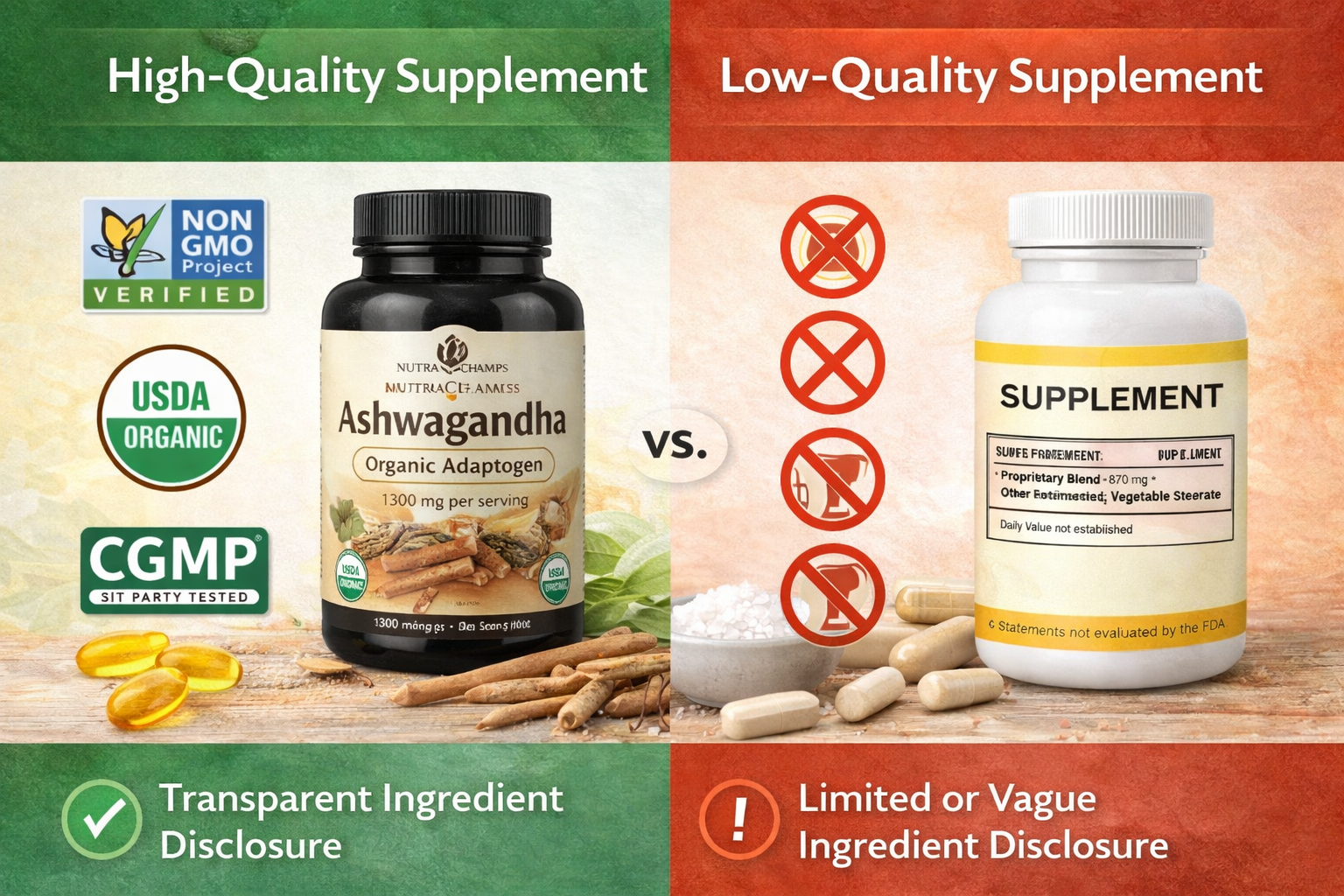
Not all supplements are created equal. The difference between a high-quality product and a poor one can mean the difference between genuine benefit and wasted money—or worse, potential harm from contaminants or incorrect dosing.
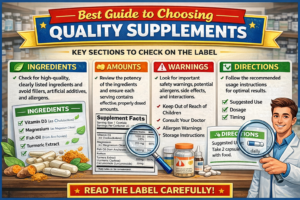
Third-party testing represents the gold standard for quality verification. Look for certifications from organisations like NSF International, Informed Sport, USP, or ConsumerLab. These bodies independently verify that products contain what labels claim and are free from harmful contaminants.
Form and bioavailability matter significantly for many nutrients. Vitamin D3 outperforms D2 for raising blood levels. Magnesium glycinate absorbs better than oxide. Methylcobalamin is more bioactive than cyanocobalamin for some people. Understanding these distinctions helps you choose effective products.
Appropriate dosing means enough to be effective without excessive amounts that waste money or risk adverse effects. Some supplements (like B12 and vitamin C) are safe in high doses because excess is simply excreted. Others (like vitamin A and iron) can cause toxicity with excessive intake.
| Supplement | Best Form | Typical Daily Dose | Take With Food? | Key Quality Markers |
|---|---|---|---|---|
| Vitamin D | D3 (cholecalciferol) | 10–50 mcg | Yes (with fat) | Third-party tested, stable form |
| Omega-3 | Triglyceride or phospholipid | 250–1,000 mg EPA+DHA | Yes | IFOS certified, low oxidation |
| Magnesium | Glycinate, citrate, or malate | 200–400 mg | Optional | Chelated form, elemental mg listed |
| Vitamin B12 | Methylcobalamin | 250–1,000 mcg | No | Active form, sublingual option |
| Probiotics | Multi-strain with named strains | 1–10 billion CFU | Optional | Strain-specific, viable at expiry |
| Iron | Bisglycinate or ferrous fumarate | 14–18 mg (or as directed) | With vitamin C | Gentle form, appropriate dose |
Iron deserves special mention because, unlike the supplements above, it shouldn’t be taken without confirmed need. Our comprehensive guide on iron supplements and deficiency signs explains when iron supplementation is appropriate and how to recognise genuine deficiency.
How These Supplements Work Together
Understanding nutrient interactions helps you maximise benefits and avoid conflicts. Some supplements work synergistically—enhancing each other’s absorption or function—while others compete when taken simultaneously.
The most important synergy for general health involves vitamin D and magnesium. Magnesium is required for the enzymes that convert vitamin D to its active form. Without adequate magnesium, vitamin D supplementation may be less effective than expected. Taking these together, or ensuring adequate magnesium intake, optimises your vitamin D investment.
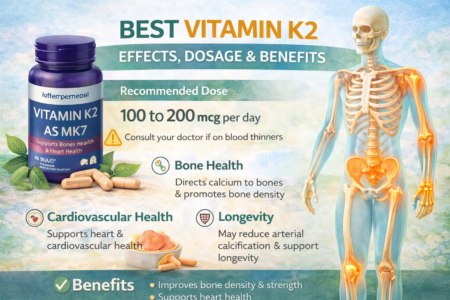
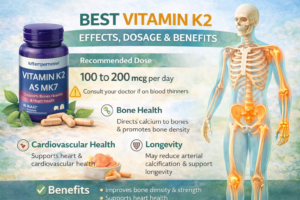
Vitamin D also works synergistically with vitamin K2 (not covered in detail here but worth mentioning). While D enhances calcium absorption, K2 helps direct that calcium into bones rather than soft tissues. Many bone health supplements now combine D3 and K2 for this reason.
Iron and vitamin C represent another beneficial pairing. Vitamin C significantly enhances non-heme iron absorption—taking iron with orange juice or a vitamin C supplement can double or triple uptake compared to taking iron alone.
| Combination | Synergy Type | Why It Works | Evidence Level |
|---|---|---|---|
| Vitamin D + Magnesium | ⚡ Activation | Magnesium required for enzymes that convert vitamin D to active form | ⭐⭐⭐ Strong |
| Iron + Vitamin C | 🔄 Absorption | Vitamin C enhances non-heme iron absorption by 2–3 times | ⭐⭐⭐ Strong |
| Vitamin D + Vitamin K2 | 🔗 Cofactor | K2 activates proteins that direct calcium (made available by D) into bones | ⭐⭐ Moderate |
| Omega-3 + Vitamin E | 🛡️ Protection | Vitamin E protects omega-3 fats from oxidation | ⭐⭐ Moderate |
| B12 + Folate | 🔗 Cofactor | Both required for methylation cycle and red blood cell formation | ⭐⭐⭐ Strong |
The following compatibility matrix shows at a glance which supplements can be taken together and which require timing separation:
| Vitamin D | Omega-3 | Magnesium | B12 | Iron | |
|---|---|---|---|---|---|
| Vitamin D | — | ✓ Safe | ✓ Synergy | ✓ Safe | ✓ Safe |
| Omega-3 | ✓ Safe | — | ✓ Safe | ✓ Safe | ✓ Safe |
| Magnesium | ✓ Synergy | ✓ Safe | — | ✓ Safe | ⚠ Timing |
| B12 | ✓ Safe | ✓ Safe | ✓ Safe | — | ✓ Safe |
| Iron | ✓ Safe | ✓ Safe | ⚠ Timing | ✓ Safe | — |
💡 Tip: A practical approach for most people: take fat-soluble supplements (vitamin D, omega-3) with a meal containing fats. Magnesium works well in the evening as it may support relaxation and sleep. If taking iron (only when needed), pair it with vitamin C and separate it from calcium and magnesium by 2+ hours.
Products Worth Considering
Choosing supplements can feel overwhelming given the endless options available. The following products represent the types of formulations that align with the quality markers and forms discussed in this guide. Individual needs vary—these serve as starting points for your research rather than one-size-fits-all recommendations.
Complete Daily Essentials Multivitamin
A foundational multivitamin covering key nutritional bases, including vitamin D3, B-vitamins in active forms, and essential minerals. Designed as nutritional insurance rather than therapeutic doses, ideal for filling minor dietary gaps.
- Contains vitamin D3 at meaningful doses (25 mcg)
- B-vitamins in methylated, active forms
- Essential minerals including zinc and selenium
- Third-party tested for purity and potency
Omega-3 Fish Oil Premium
High-concentration omega-3 supplement providing EPA and DHA from sustainably sourced fish. Molecular distillation removes contaminants while preserving beneficial fatty acids in triglyceride form for optimal absorption.
- Minimum 500 mg combined EPA + DHA per serving
- Triglyceride form for superior absorption
- IFOS certified for purity and freshness
- Enteric-coated to minimise fishy aftertaste
Safety Considerations and Precautions
While the supplements discussed in this guide are generally safe for most adults at recommended doses, they’re not without potential risks. Understanding these considerations helps you supplement wisely and know when professional guidance is essential.
Medication interactions represent the most important safety concern. Omega-3 supplements may enhance the effects of blood-thinning medications. Vitamin D can interact with certain heart medications and steroids. Magnesium may affect the absorption of various drugs. If you take any prescription medications, discussing supplement use with your GP or pharmacist is essential.
Underlying health conditions change the safety equation. Kidney disease affects how the body handles magnesium and vitamin D. Certain digestive conditions alter nutrient absorption. Immune disorders may make probiotics inadvisable. Always disclose your full health picture when discussing supplements with healthcare providers.
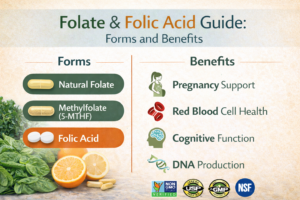
Pregnancy and breastfeeding require particular caution. While some supplements (like folic acid and vitamin D) are specifically recommended during pregnancy, others may need dose adjustments or avoidance. Consult your midwife or GP before starting or continuing supplements if pregnant or planning to become pregnant.
| Combination/Situation | Risk Level | Concern | Recommendation |
|---|---|---|---|
| Omega-3 + Blood thinners (warfarin, aspirin) | MODERATE | May enhance blood-thinning effect | Inform GP; may need INR monitoring |
| High-dose Vitamin D + Kidney disease | HIGH | Risk of hypercalcaemia | Requires medical supervision |
| Magnesium + Certain antibiotics | MODERATE | May reduce antibiotic absorption | Separate by 2+ hours |
| Probiotics + Immunosuppression | HIGH | Risk of systemic infection from live bacteria | Avoid or use only under medical supervision |
| Iron + Calcium/Magnesium | LOW | Reduced iron absorption | Take at different times of day |
| B12 (high-dose) alone without folate assessment | MODERATE | Can mask folate deficiency symptoms | Ensure adequate folate or use B-complex |
⚠️ Important: This guide provides general information for educational purposes. Supplements are not substitutes for a balanced diet or medical treatment. If you have health conditions, take medications, or are pregnant or breastfeeding, always consult your GP or a registered dietitian before starting any supplement regimen.
Frequently Asked Questions
Can I take all my supplements together in the morning?
Yes, most supplements can be taken together, though a few considerations apply. Fat-soluble vitamins (D, E, A, K) and omega-3s absorb better with food containing fats, so taking them with breakfast makes sense. However, if you take iron supplements (only when needed), separate them from calcium and magnesium by at least 2 hours. Magnesium may work better in the evening for those using it to support sleep. For simplicity, many people take everything with breakfast and experience good results.
How do I know if I actually need supplements?
The honest answer is that most people benefit from some supplementation, but needs vary significantly. Vitamin D supplementation is near-universal for UK residents during winter months. Beyond that, dietary assessment helps—if you eat little oily fish, omega-3s make sense; if you’re vegan, B12 is essential natural supplements guide. Blood tests can identify deficiencies in vitamin D, B12, iron, and other nutrients. Discussing your diet and lifestyle with a GP or registered dietitian provides personalised guidance.
Are natural supplements guide better than synthetic vitamins?
Not necessarily—it depends on the specific nutrient. For vitamin D, the “natural” D3 form (cholecalciferol, originally from animal sources but now often from lichen for vegans) works better than synthetic D2. For folic acid, synthetic forms actually absorb more efficiently than food folate, though some people prefer methylfolate for genetic reasons. What matters most is the form, quality, and dosing rather than whether something is labelled “natural.” Some synthetic nutrients are chemically identical to natural ones.
Is it possible to take too many supplements?
Absolutely. More isn’t always better, and some nutrients become harmful at high doses. Fat-soluble vitamins (A, D, E, K) accumulate in body tissues and can cause toxicity with excessive long-term intake. Iron is particularly concerning—too much can damage organs. Even water-soluble vitamins can cause problems at mega-doses (high-dose B6, for instance, can cause nerve damage). Stick to recommended doses, avoid duplication between products, and periodically assess whether you still need everything you’re taking.
Should I take a multivitamin or individual supplements?
It depends on your goals and known deficiencies. Multivitamins provide broad coverage at generally modest doses—useful as nutritional insurance but rarely containing therapeutic amounts of any single nutrient. Individual supplements allow targeted dosing for specific needs (e.g., higher vitamin D if you’re deficient). Many people use a hybrid approach: a basic multivitamin for general coverage plus individual supplements for specific needs identified through diet assessment or testing.
How long should I take supplements before expecting results?
Timeframes vary dramatically by nutrient and what you’re hoping to achieve. Correcting vitamin D deficiency typically takes 2–3 months of consistent supplementation. Omega-3 benefits for cardiovascular markers may require 8–12 weeks. Probiotic effects on digestive symptoms sometimes appear within days but may take weeks for others. Some supplements support long-term health without producing noticeable short-term effects. If you’re treating a confirmed deficiency, retesting after 3 months helps confirm your approach is working.
Final Thoughts
The landscape of essential natural supplements guide isn’t about taking everything available—it’s about strategically addressing genuine gaps in your nutrition. For most UK adults, vitamin D stands as the closest thing to a universal recommendation, with omega-3s, magnesium, and B12 (especially for those limiting animal products) rounding out the most evidence-supported options.
Quality matters as much as which supplements you choose. Third-party testing, appropriate forms, and sensible dosing distinguish products that deliver genuine value from those that merely lighten your wallet. Taking time to research before purchasing pays dividends in both effectiveness and safety.
Remember that supplements complement rather than replace a nutritious diet. No pill compensates for consistently poor eating habits. The nutrients in whole foods come packaged with fibre, phytonutrients, and other compounds that supplements can’t replicate. Think of supplements as filling gaps, not building foundations.
Finally, your needs will change over time. What’s essential in your twenties may differ from what matters in your fifties. Pregnancy, illness, dietary changes, and ageing all shift nutritional priorities. Periodically reassessing your supplement routine—ideally with input from your GP or a registered dietitian—ensures you’re taking what you actually need and not wasting money on what you don’t.
✓ Key Takeaways
- Vitamin D supplementation (10–25 mcg daily) benefits most UK adults, especially October–March
- Omega-3 fatty acids (EPA + DHA) support brain and heart health when oily fish intake is low
- Magnesium deficiency is common; glycinate and citrate forms absorb well
- Vitamin B12 is essential for vegans and advisable for vegetarians and older adults
- Probiotics may benefit gut health, but strain selection matters
- Quality markers include third-party testing, appropriate forms, and transparent labelling
- More supplements aren’t better—address genuine gaps rather than taking everything
Sources
- NHS. “Vitamins and supplements.” NHS Choices. NHS — Vitamin Supplements
- NIH Office of Dietary Supplements. “Dietary Supplement Fact Sheets.” NIH ODS. NIH ODS — All Fact Sheets
- National Institutes of Health. “Dietary Supplements Efficacy Research.” PubMed. PubMed — Dietary Supplements Efficacy
- Mayo Clinic. “Supplements: Nutrition in a pill?” Mayo Clinic. Mayo Clinic — Vitamin Supplements
- Harvard T.H. Chan School of Public Health. “Supplements Worth Taking.” Harvard Health. Harvard Health — Supplements Worth Taking
- Examine.com. “Essential Supplements Research.” Examine. Examine — Essential Supplements
Written by Arsim Rama
Health Content Specialist · Last reviewed: January 2026
Affiliate Disclosure: This article may contain affiliate links. If you purchase through these links, we may earn a small commission at no extra cost to you. We only recommend products we believe in.
Medical Disclaimer: This article is for educational purposes only and does not constitute medical advice. Always consult your GP or qualified healthcare professional before making changes to your health regimen.