
Quick Answer: Copper Supplements provide essential trace minerals that may support energy production, immune function, and iron absorption. They are often used to address dietary deficiencies when food intake alone is insufficient.
Key Takeaways
- ✓ Copper acts as a vital cofactor for enzymes involved in energy production and iron metabolism.
- ✓Deficiency is rare but can lead to anaemia and bone abnormalities in specific populations.
- ✓ Chelated forms like copper bisglycinate generally offer superior absorption compared to basic salts.
- ✓ Balancing zinc intake is crucial, as high zinc levels can deplete copper stores in the body.
Introduction
While often overshadowed by vitamins like C and D, trace minerals play a foundational role in human physiology. Among these, adequate intake is essential for maintaining optimal health, yet it is frequently overlooked in standard dietary discussions. Supporting your immune system effectively requires a spectrum of nutrients, including this essential element. Integrating Cooper Supplements into a balanced lifestyle may help bridge the nutritional gap for those struggling to meet their daily requirements through diet alone.
Copper supplementation is not merely about avoiding deficiency; it is about supporting the complex enzymatic processes that keep our bodies functioning efficiently. From maintaining healthy nerve cells to supporting the immune system, the benefits of proper mineral balance are far-reaching. Understanding how these tiny amounts make a massive impact is key to making informed decisions about your health regimen.
In this comprehensive guide, we will explore the science behind this trace mineral, how it functions within the body, and who might benefit from increased intake. We will also examine the different forms available, such as copper bisglycinate, and how to choose a high-quality product that prioritises safety and bioavailability. Our goal is to provide you with evidence-based information to help you navigate the landscape of mineral supplements with confidence.

What Is Copper?
Copper is an essential trace mineral found in all body tissues. It plays a role in making red blood cells and maintaining nerve cells and the immune system. It also helps the body form collagen and absorb iron, which is critical for preventing anaemia. According to the National Institutes of Health (NIH), the body requires copper for the proper functioning of several enzymes, often referred to as cuproenzymes.
Because the human body cannot synthesise this mineral, it must be obtained through external sources. Primary dietary sources include organ meats, shellfish (particularly oysters), nuts, seeds, whole grains, and chocolate. However, factors such as soil depletion, poor dietary choices, or certain medical conditions can necessitate the use of mineral tablets to maintain adequate status.
How Copper Supplements Work
When you ingest a supplement, the mineral is absorbed primarily in the small intestine. From there, it enters the bloodstream, where it is transported to the liver. The liver acts as the central regulator, controlling the release of copper into the body and ensuring that excess amounts are excreted via bile. This tight regulation is why toxicity is rare from food sources but can occur with inappropriate supplementation.
Once in the tissues, copper functions as a critical cofactor. This means it binds to enzymes and activates them to perform specific chemical reactions. Without sufficient copper, these enzymes slow down or stop, leading to disruptions in energy production, connective tissue formation, and neurological signalling.
Key Functions
- Energy Production: It assists the mitochondria in generating ATP, the body’s primary energy currency.
- Iron Metabolism: It aids in the release of iron from storage sites and its incorporation into haemoglobin.
- Connective Tissue: It is essential for the cross-linking of collagen and elastin, which provide strength to skin and blood vessels.
- Neurological Health: It supports the synthesis of neurotransmitters and maintains the myelin sheath around nerves.
Key Copper Supplement Benefits You Should Know
While most people get enough copper from their diet, specific groups may find that targeted supplementation improves their well-being. Understanding trace minerals is vital for optimising health. Below are the primary benefits associated with maintaining adequate levels of this nutrient.
1. Supports Immune Function
Copper is involved in the development and maintenance of immune cells. Studies suggest that a deficiency can lead to a reduced number of white blood cells, making the body more susceptible to infections. Adequate levels may help strengthen the body’s natural defences against pathogens.
2. Promotes Bone Health
This mineral works in tandem with calcium and zinc to maintain bone density. It is necessary for the enzymes that cross-link collagen, a structural component of bone. Some research indicates that low levels might be associated with osteoporosis, though evidence is still evolving.
3. Aids Iron Utilisation
One of its most critical roles is helping the body absorb and utilise iron. If you are taking iron for anaemia but seeing no results, a copper deficiency could be the culprit. It ensures iron is mobilised from storage sites to be used in making red blood cells.
4. Antioxidant Defence
Copper is a key component of the enzyme superoxide dismutase (SOD), one of the body’s most powerful antioxidants. SOD helps neutralise free radicals that damage cells and contribute to ageing and chronic diseases. This antioxidant support helps protect tissues from oxidative stress.
5. Cardiovascular Health
Proper levels are necessary for the integrity of blood vessels and heart muscle. It helps maintain the elasticity of arteries and supports efficient blood flow. Some observational studies have linked adequate copper intake to a reduced risk of cardiovascular disease, though more clinical trials are needed.

Risks and Considerations
Signs to Watch For
While deficiency is the primary concern for some, excess intake can lead to toxicity. The body has a limited ability to excrete large amounts of copper, so taking high doses over a long period can be dangerous. Be aware of the following signs of excess:
- Abdominal pain and cramping
- Nausea and vomiting
- Diarrhoea
- Metallic taste in the mouth
Who Should Be Careful
Certain populations need to exercise caution when considering supplementation. Individuals with Wilson’s disease, a rare genetic disorder that causes copper to accumulate in the liver, brain, and other vital organs, must avoid these supplements entirely. Additionally, those with existing liver or kidney impairment should consult a doctor before use.
- Wilson’s Disease patients: Cannot metabolise the mineral, leading to life-threatening toxicity.
- Pregnant or breastfeeding women: Should stick to the recommended dietary allowance and avoid high doses unless prescribed.
- Infants and children: More susceptible to toxicity; supplements should only be given under medical supervision.
- People on zinc therapy: Long-term zinc use can lower copper levels, but balancing the two requires professional guidance.
5 Practical Tips for Cooper Supplements
Tip 1: Check Your Zinc Intake
Zinc and copper compete for absorption in the gut. If you take zinc supplements daily, you may inadvertently deplete your copper levels. A common ratio is 10:1 or 15:1 (zinc to copper), but always check labels or ask a healthcare provider.
Tip 2: Choose Chelated Forms
For better absorption and less stomach upset, look for chelated forms like copper bisglycinate. This binds the mineral to an amino acid, making it easier for the body to recognise and absorb compared to inorganic salts like copper sulfate.
Tip 3: Avoid Calcium Competitors
Taking high doses of calcium at the same time as your mineral supplement can inhibit absorption. If you take a calcium supplement, try to space it out by at least two hours to ensure optimal uptake of both nutrients.
Tip 4: Test Before You Supplement
It is difficult to assess copper levels solely through symptoms. A simple blood test or ceruloplasmin test ordered by your GP can confirm if you truly need supplementation. Guessing can lead to unnecessary risks.
Tip 5: Consistency Over Quantity
Taking a moderate dose consistently is safer and more effective than “mega-dosing” sporadically. The body thrives on balance, and trace minerals are potent in small amounts. Stick to the recommended daily amount unless advised otherwise.
How to Interpret the Evidence
Navigating the world of nutritional supplements requires a discerning eye. The research landscape regarding trace minerals is complex, with studies ranging from small observational trials to large-scale reviews. When evaluating claims, it is important to distinguish between correlation and causation. For instance, while low levels of this mineral are often found in individuals with certain conditions, it does not automatically mean that supplementation will cure the ailment.
High-quality clinical trials are considered the gold standard in scientific research. These studies randomly assign participants to either receive the supplement or a placebo, allowing researchers to isolate the effects of the mineral. However, many studies on copper are based on animal models or populations with severe deficiencies, which may not translate directly to the average healthy adult. Therefore, while the biological mechanisms—such as its role as an enzyme cofactor—are well established, the tangible benefits of supplementation for well-nourished individuals are still being investigated.
It is also vital to consider the source of the information. Anecdotal evidence or testimonials should never replace peer-reviewed data. Reputable health organisations like the Mayo Clinic or the NHS provide guidelines based on consensus statements from experts. Always look for systematic reviews and meta-analyses, which aggregate data from multiple studies to provide a more accurate picture of efficacy and safety.
Realistic Expectations and How to Track Progress
When introducing a new supplement into your regimen, patience and realistic expectations are paramount. Unlike stimulants that might provide an immediate jolt of energy, the effects of correcting a mineral deficiency are often subtle and gradual. You may notice improvements over several weeks or months rather than days. Tracking your progress can be highly beneficial in determining whether the intervention is working for you.
Start by establishing a baseline. Note your current energy levels, sleep quality, and any specific symptoms you are experiencing, such as fatigue or frequent infections. Keeping a simple journal can help you identify patterns. After a few weeks of consistent supplementation, review your entries. Have you felt more energetic? Is your recovery from exercise faster? These subjective measures can be valuable indicators of improved nutritional status.
Objective measures are equally important. If you are taking copper supplements to address a specific blood test result, follow-up testing is essential. Do not assume your levels have normalised without verification. Furthermore, be mindful of the “placebo effect,” where the act of taking a pill makes you feel better regardless of its physiological effect. Conversely, be alert to side effects. If you experience nausea or digestive discomfort, it is a sign that your dosage may be too high or that the form you are taking is not suitable for your digestive system.
Quality Checklist Before You Buy
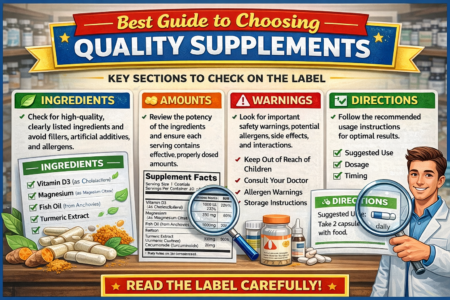
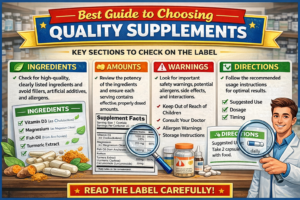
The supplement market is vast, and not all products are created equal. To ensure you are getting a safe and effective product, it is crucial to look beyond the price tag and marketing claims. Quality control varies significantly between manufacturers, and a discerning buyer can avoid substandard products by following a simple checklist.
First, examine the label for third-party testing. Reputable brands will often have their products verified by independent organisations such as USP, NSF, or ConsumerLab. These certifications verify that the product contains what it claims to contain and is free from harmful contaminants like heavy metals or microbes. This is particularly important for minerals, as the raw materials can sometimes be sourced from areas with high environmental pollution.
Next, check the ingredient list for unnecessary additives. High-quality supplements should keep excipients—binders, fillers, and coatings—to a minimum. Avoid products with artificial colours, preservatives, or allergens like gluten and dairy if you have sensitivities. The form of the mineral matters too; as mentioned earlier, chelated copper is generally preferred for its superior bioavailability. Finally, ensure the product provides a clear dosage of elemental copper, not just the weight of the compound. A label might say 100mg of copper gluconate, but that might only provide 10mg of actual copper. Transparency is a hallmark of a trustworthy brand.
Safety Checklist and When to Speak to a Professional
While buying a high-quality product is a great first step, safety begins with you. Adhering to recommended guidelines and being aware of your personal health history is non-negotiable. Before starting any new regimen, a consultation with a healthcare professional is strongly advised, especially for those with pre-existing conditions.
One of the most critical safety considerations is medication interactions. Copper can interact with various drugs, including antibiotics and nonsteroidal anti-inflammatory drugs (NSAIDs), potentially reducing their efficacy. If you are on medication, check with your pharmacist or doctor to ensure there are no contraindications. Additionally, individuals with chronic conditions affecting the liver or kidneys must be particularly cautious, as these organs are responsible for metabolising and excreting excess minerals.
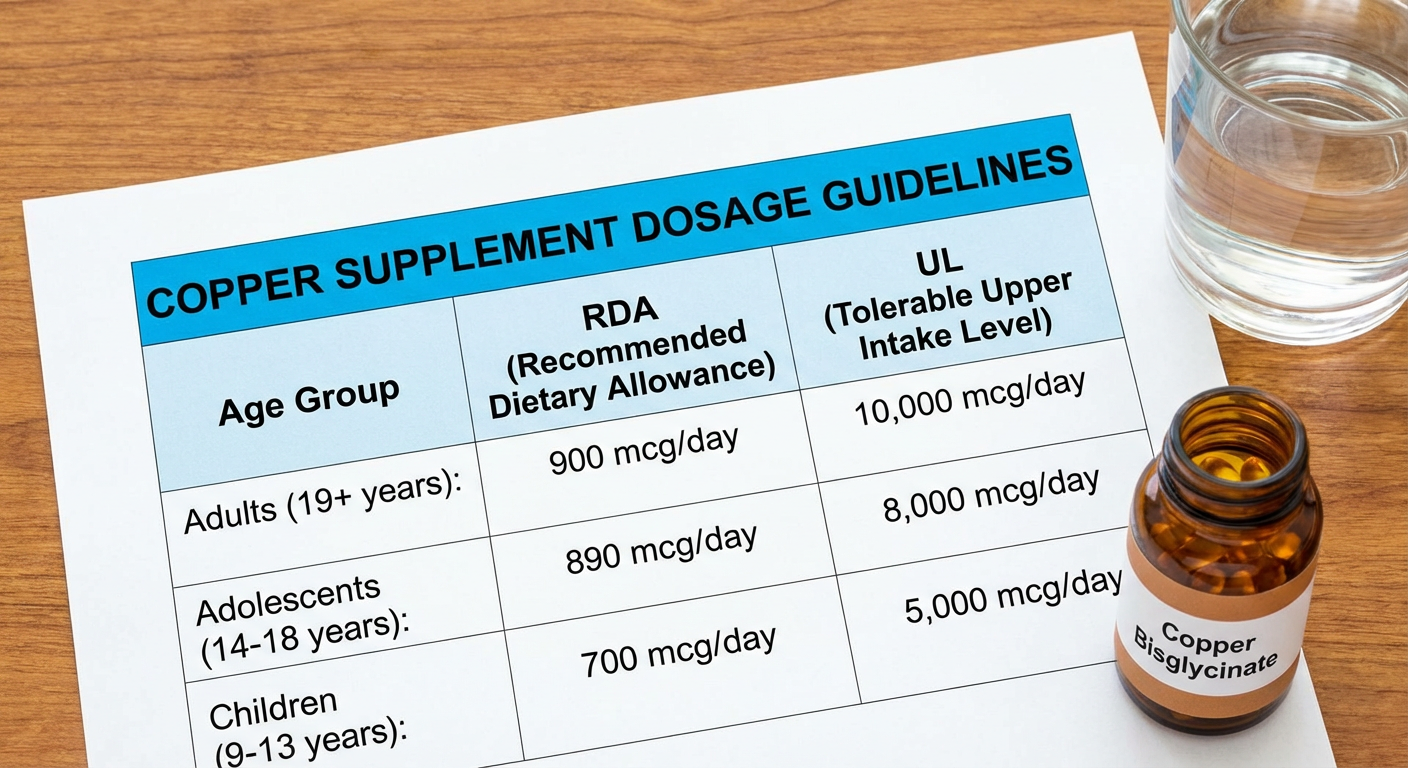
Pregnant and breastfeeding women have unique nutritional needs. While adequate intake is vital for foetal development, exceeding the Tolerable Upper Intake Level (UL) can be harmful. Always stick to prenatal vitamins recommended by your doctor rather than self-prescribing extra doses. Finally, listen to your body. If you develop symptoms like unexplained rash, fatigue, or digestive issues after starting a supplement, discontinue use immediately and seek medical advice. It is always better to err on the side of caution.
What Research Shows
The scientific community continues to explore the full potential of this trace mineral. Recent studies have focused on its role in neurodegenerative diseases, cardiovascular health, and immune modulation. While the evidence is promising, it is important to approach findings with a balanced perspective.
Research Highlights
- National Institutes of Health (ODS), 2013: Confirms copper’s essential role in iron metabolism and neurological function, establishing recommended dietary allowances.
- Oregon State University, Micronutrient Information Center: Highlights the importance of SOD as an antioxidant and the consequences of deficiency.
- PubMed, 2018: Discusses the delicate balance between zinc and copper and how high zinc intake can induce copper deficiency.
Despite these positive findings, some research results are mixed. For example, studies investigating the link between copper levels and Alzheimer’s disease have yielded conflicting results, with some showing high levels in patients’ brains and others showing low levels. This complexity underscores why self-diagnosis and self-treatment based on headlines are risky. It is best to view supplementation as a tool to correct a deficiency or support a medically advised plan, rather than a magic bullet.
Summary
Copper is an indispensable mineral that supports a wide array of physiological functions, from energy production to immune defence. While most people can obtain sufficient amounts through a balanced diet, specific situations may warrant the use of copper supplements. Ensuring you choose a high-quality product, understanding the correct dosage, and monitoring your intake are all essential steps for safe usage.
Ultimately, the goal of supplementation is to restore and maintain balance. Whether you are looking to improve your iron status, support your immune system, or enhance your antioxidant defences, a targeted approach under professional guidance can yield the best results. Below, we have highlighted two top-rated products that meet stringent quality standards to help you make an informed choice.
Editorial Note: This content is informational and does not replace medical advice. Evidence quality can vary.
Important: This article is for educational purposes only. Consult your GP or healthcare professional before starting any supplement.
Our Top Picks
Based on our research, here are 2 options worth considering:


How to Choose
- Form: Choose chelated forms for better absorption, especially if you have a sensitive stomach.
- Dosage: Check the amount of elemental copper per serving to ensure it meets your needs without exceeding limits.
- Certification: Look for third-party testing labels to ensure purity and safety.
- Ingredients: Avoid unnecessary fillers, allergens, or artificial additives.
Frequently Asked Questions
Who should take copper supplements?
Individuals with a diagnosed deficiency, malabsorption issues, or those taking long-term zinc which depletes copper may benefit from supplementation under medical guidance.
What are the side effects of too much copper?
Excessive intake can cause nausea, vomiting, diarrhoea, and in severe cases, liver damage or kidney failure. Sticking to recommended limits is crucial.
Can copper supplements help with grey hair?
While copper is involved in melanin production, there is little clinical evidence to suggest that supplements can reverse greying hair caused by genetics or ageing.
What food sources are high in copper?
Rich sources include shellfish (oysters), organ meats (liver), nuts and seeds (cashews, almonds), whole grains, and dark chocolate.
Should I take copper in the morning or at night?
It can be taken at any time of day, though many prefer taking it with a meal to improve absorption and minimise potential stomach upset.
Does zinc interfere with copper absorption?
Yes, high doses of zinc can block copper absorption. If you take zinc, you may need balanced mineral support to prevent a deficiency.
Sources
This article is based on peer-reviewed research and authoritative health sources:
Why You Can Trust This Article
- Written by: Arsim Rama
- Research-backed: Claims supported by cited sources
- Regularly updated: Content reviewed every 12 months
- Editorial independence: Recommendations based on merit
- Customer trust: See our Trustpilot reviews
Last reviewed: January 2025. Next review: January 2026.
© 2025 Paulinna. All rights reserved.
⚠️ Disclosure: This article contains affiliate links. If you purchase through these links, we may earn a small commission at no extra cost to you.