


Vitamin B6 – The Multifunctional Coenzyme Essential for Over 100 Enzymatic Reactions
As pyridoxal 5′-phosphate (PLP), this water-soluble vitamin serves as a cofactor in amino acid metabolism, neurotransmitter biosynthesis, haemoglobin formation and gluconeogenesis – making it one of the most metabolically active B vitamins.
🔑 Key Takeaways
- Vitamin B6 encompasses six interconvertible vitamers, with pyridoxal 5′-phosphate (PLP) serving as the primary active coenzyme form
- PLP functions as a cofactor in over 100 enzymatic reactions, predominantly in amino acid metabolism, transamination and decarboxylation
- Critical roles include neurotransmitter synthesis (serotonin, dopamine, GABA, noradrenaline), homocysteine metabolism and glycogenolysis
- Both deficiency and excessive supplementation may result in neurological manifestations, including peripheral sensory neuropathy
- Plasma PLP concentration remains the most widely used biomarker for assessing vitamin B6 status in clinical and research settings

Introduction
Among the eight B vitamins, vitamin B6 stands out for its remarkable metabolic versatility. Functioning primarily as pyridoxal 5′-phosphate (PLP), this coenzyme participates in more than 100 enzymatic reactions – a scope of activity that exceeds most other vitamins. These reactions span amino acid metabolism, neurotransmitter biosynthesis, haemoglobin synthesis, gene expression and gluconeogenesis.
The term ‘vitamin B6′ actually encompasses six interconvertible compounds: pyridoxine (PN), pyridoxal (PL), pyridoxamine (PM) and their respective 5’-phosphate esters. This chemical diversity reflects the vitamin’s evolutionary importance and its integration into fundamental metabolic pathways conserved across virtually all life forms.
From a clinical perspective, vitamin B6 status has implications extending beyond classical deficiency syndromes. Emerging research continues to elucidate associations between PLP concentrations and cardiovascular risk, cognitive function, immune competence and inflammatory processes. Understanding the biochemistry and physiological significance of this vitamin is therefore essential for healthcare practitioners, researchers and those seeking to optimise nutritional status through evidence-based approaches.
‘Vitamin B6 in the form of pyridoxal 5′-phosphate is a cofactor in more than 100 enzyme reactions, mostly involved in protein metabolism.’
Biochemistry and Forms of Vitamin B6
Vitamin B6 refers to a group of six chemically related compounds that can be interconverted within biological systems. Understanding this chemical diversity is fundamental to appreciating the vitamin’s absorption, metabolism and functional roles.
The Six Vitamers

The vitamin B6 family comprises three non-phosphorylated compounds – pyridoxine (PN), pyridoxal (PL) and pyridoxamine (PM) – along with their phosphorylated derivatives: pyridoxine 5′-phosphate (PNP), pyridoxal 5′-phosphate (PLP) and pyridoxamine 5′-phosphate (PMP). Each differs in the functional group at the 4-position of the pyridine ring: a hydroxymethyl group (PN), an aldehyde (PL) or an aminomethyl group (PM).
Pyridoxal 5′-phosphate (PLP) represents the metabolically active coenzyme form, serving as the cofactor for the majority of B6-dependent enzymes. Pyridoxamine 5′-phosphate (PMP) also functions as a coenzyme in select aminotransferase reactions.
Absorption and Bioconversion
Dietary vitamin B6 occurs predominantly in phosphorylated forms within animal tissues and as pyridoxine glucoside in plant sources. Prior to intestinal absorption, phosphorylated vitamers undergo hydrolysis by membrane-bound alkaline phosphatases. The non-phosphorylated forms are then absorbed primarily in the jejunum via passive diffusion.
Following absorption, vitamers are transported to the liver where they undergo phosphorylation by pyridoxal kinase and oxidation by pyridox(am)ine 5′-phosphate oxidase to form PLP. Hepatocytes release PLP bound to albumin for distribution to peripheral tissues. Tissue uptake requires dephosphorylation, cellular transport and rephosphorylation – a process termed ‘metabolic trapping’ that maintains intracellular PLP concentrations.
Dietary Sources and Bioavailability
Rich dietary sources include poultry, fish (particularly salmon and tuna), organ meats, potatoes, starchy vegetables, chickpeas, bananas and fortified cereals. Animal-derived sources typically exhibit higher bioavailability than plant sources, with pyridoxine glucoside from plants showing approximately 50% lower bioavailability due to incomplete hydrolysis.
Metabolic Functions and Mechanisms
The versatility of PLP as a coenzyme stems from its ability to stabilise carbanion intermediates through formation of a Schiff base with amino acid substrates. This catalytic mechanism underlies its participation in diverse reaction types.
Amino Acid Metabolism
PLP-dependent enzymes catalyse the majority of reactions in amino acid metabolism, including:
- Transamination: Aminotransferases (transaminases) facilitate reversible transfer of amino groups between amino acids and α-keto acids, essential for both amino acid catabolism and biosynthesis of non-essential amino acids
- Decarboxylation: Amino acid decarboxylases remove carboxyl groups, generating biogenic amines including neurotransmitters
- Racemisation: Interconversion between L- and D-amino acid stereoisomers
- Elimination and replacement: Reactions involving β- and γ-carbons of amino acid side chains
Neurotransmitter Biosynthesis
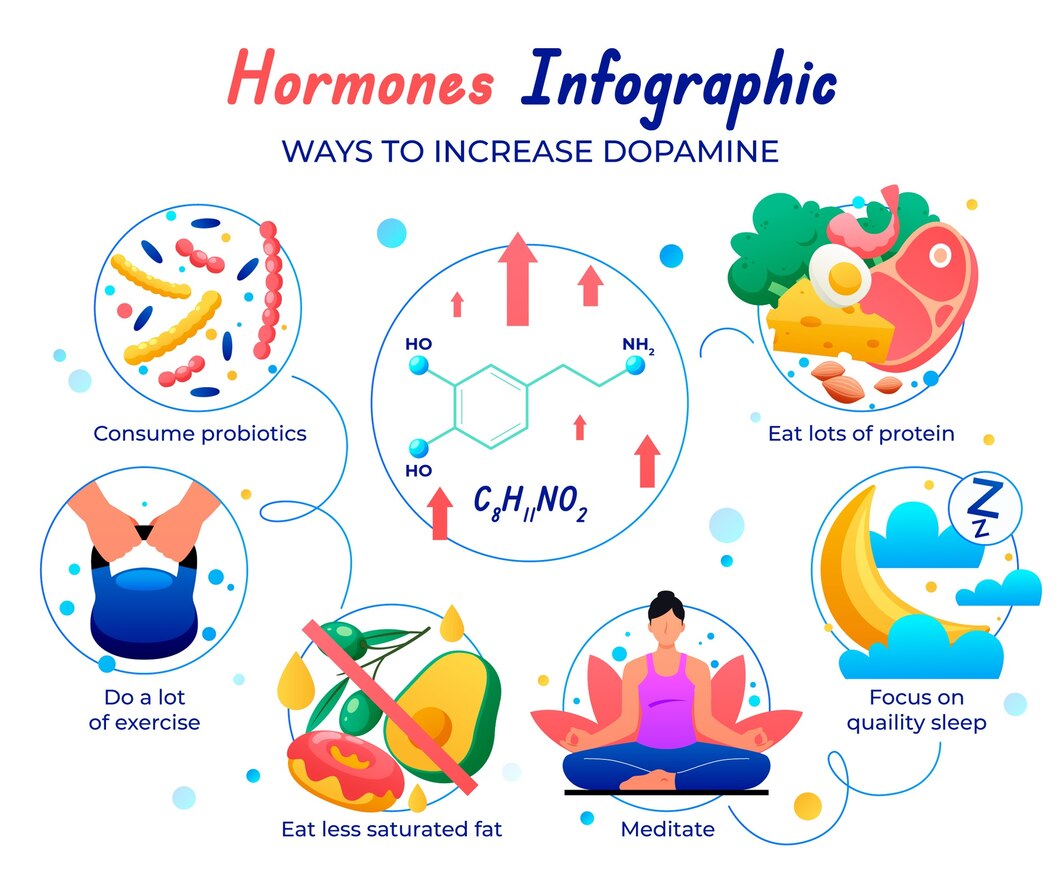
PLP serves as an obligate cofactor for enzymes catalysing the synthesis of several neurotransmitters. Aromatic L-amino acid decarboxylase (AADC), a PLP-dependent enzyme, converts L-DOPA to dopamine and 5-hydroxytryptophan to serotonin. Glutamate decarboxylase requires PLP for GABA synthesis from glutamate. Additionally, PLP participates in noradrenaline and adrenaline biosynthetic pathways.
Homocysteine Metabolism
Vitamin B6 plays a critical role in homocysteine metabolism through the transsulphuration pathway. Cystathionine β-synthase (CBS) and cystathionine γ-lyase (CGL) – both PLP-dependent enzymes – catalyse the irreversible conversion of homocysteine to cysteine. Impaired function of these enzymes due to B6 deficiency may contribute to elevated plasma homocysteine concentrations, a recognised cardiovascular risk factor.
Haemoglobin Synthesis and Glycogenolysis
δ-Aminolevulinic acid synthase, the rate-limiting enzyme in haem biosynthesis, requires PLP as a cofactor. Consequently, severe B6 deficiency may result in sideroblastic anaemia characterised by impaired haem synthesis despite adequate iron availability. Additionally, glycogen phosphorylase – the enzyme initiating glycogenolysis – contains covalently bound PLP essential for catalytic activity, linking B6 status to carbohydrate metabolism.
Physiological Roles and Clinical Significance
The extensive metabolic involvement of PLP translates into broad physiological significance. Current evidence supports roles in the following areas:

- Neurological function: Through its role in neurotransmitter synthesis, vitamin B6 appears to influence mood regulation, cognitive processes and neuronal development. PLP is also required for sphingolipid biosynthesis, essential for myelin sheath integrity
- Cardiovascular health: Adequate B6 status supports homocysteine metabolism; epidemiological data suggest associations between low PLP concentrations and increased cardiovascular risk, though causality remains under investigation
- Immune competence: PLP is required for lymphocyte proliferation and antibody production. Observational studies indicate inverse associations between plasma PLP and inflammatory markers including C-reactive protein
- Gluconeogenesis and glycogenolysis: B6-dependent enzymes participate in hepatic glucose production during fasting states
- Steroid hormone modulation: PLP may influence steroid hormone receptor sensitivity, potentially affecting gene transcription patterns
- Erythropoiesis: Essential for haemoglobin synthesis through the haem biosynthetic pathway
It should be emphasised that many proposed benefits beyond deficiency prevention require further investigation through well-designed intervention trials. Observational associations do not establish causation, and supplementation in replete individuals has not consistently demonstrated clinical benefits.
Deficiency, Toxicity and Risk Factors
Vitamin B6 status exists on a spectrum, with both inadequacy and excess capable of producing adverse effects – a characteristic that distinguishes it from most water-soluble vitamins.
Deficiency Manifestations
Isolated vitamin B6 deficiency is uncommon in developed populations but may occur in specific clinical contexts. Classical deficiency manifestations include:
- Dermatological: Seborrhoeic dermatitis-like eruptions, angular cheilitis, glossitis
- Neurological: Peripheral neuropathy, confusion, depression; in infants, seizures refractory to conventional anticonvulsants
- Haematological: Microcytic or sideroblastic anaemia due to impaired haem synthesis
- Immunological: Reduced lymphocyte counts and impaired antibody responses

Populations at Elevated Risk
Suboptimal vitamin B6 status appears more prevalent in certain populations:
- Older adults: Age-related decreases in plasma PLP concentrations have been consistently documented
- Individuals with alcohol use disorder: Acetaldehyde promotes PLP degradation and displacement from proteins
- Patients on specific medications: Isoniazid, cycloserine, penicillamine and oestrogen-containing oral contraceptives may interfere with B6 metabolism
- Patients with renal disease: Increased losses during dialysis and impaired conversion to active forms
- Individuals with autoimmune conditions: Rheumatoid arthritis and inflammatory bowel disease are associated with lower PLP concentrations
Toxicity and Upper Limits
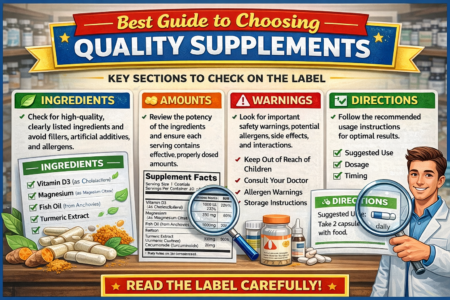
Unlike most water-soluble vitamins, high-dose pyridoxine supplementation may cause adverse effects. Sensory neuropathy – characterised by bilateral paraesthesias, sensory ataxia and impaired proprioception – has been documented with chronic intakes exceeding 1,000 mg/day, though case reports describe symptoms at lower doses (200-500 mg/day) with prolonged use.
The tolerable upper intake level (UL) established by most authorities is 100 mg/day for adults. This threshold is based on evidence of neurotoxicity at higher doses and incorporates uncertainty factors to account for individual susceptibility variation.
Evidence-Based Recommendations for Optimal Intake
The following recommendations integrate current dietary reference intakes with practical considerations for maintaining adequate vitamin B6 status:
1. Meet Recommended Intakes Through Dietary Sources
The Recommended Dietary Allowance (RDA) for adults is 1.3 mg/day for those aged 19-50 years, increasing to 1.5 mg/day for women and 1.7 mg/day for men over 50. These amounts are readily achievable through a varied diet incorporating protein-rich foods, potatoes, non-citrus fruits and fortified cereals. A 100g serving of chicken breast provides approximately 0.5 mg, while a medium potato contributes around 0.4 mg.
2. Consider Bioavailability Factors
Animal-derived sources generally exhibit superior bioavailability compared to plant sources containing pyridoxine glucoside. When relying predominantly on plant sources, slightly higher intakes may be advisable. Additionally, thermal processing can degrade vitamin B6 – losses of 10-50% occur during cooking depending on temperature, duration and water exposure.
3. Recognise Drug-Nutrient Interactions
Patients receiving isoniazid for tuberculosis prophylaxis or treatment typically require B6 supplementation (typically 25-50 mg/day) to prevent drug-induced neuropathy. Other medications warranting consideration include cycloserine, penicillamine, hydralazine and theophylline. Healthcare providers should assess B6 status in patients on these medications.
4. Avoid Supraphysiological Doses Without Clinical Indication
High-dose B6 supplementation (>100 mg/day) should be undertaken only with healthcare supervision and for documented clinical indications. The risk of sensory neuropathy increases with dose and duration of exposure. Symptoms may be reversible upon discontinuation but can persist in some cases.
5. Consider Status Assessment in At-Risk Populations
Plasma PLP measurement provides the most widely accepted biomarker of vitamin B6 status. Concentrations below 20 nmol/L are generally considered indicative of deficiency, while levels between 20-30 nmol/L may represent marginal status. Assessment should be considered in patients with unexplained neuropathy, sideroblastic anaemia or those in high-risk categories.
6. Appreciate B Vitamin Interrelationships
Vitamin B6 functions in metabolic pathways alongside folate and vitamin B12, particularly in one-carbon metabolism and homocysteine regulation. Isolated supplementation of one B vitamin may be suboptimal; comprehensive assessment of B vitamin status is preferable when deficiency is suspected.
7. Monitor Protein Intake Proportionality
Given the predominant role of B6 in amino acid metabolism, requirements theoretically increase with higher protein intakes. While current RDAs do not adjust for protein consumption, individuals with very high protein intakes may benefit from ensuring generous B6 provision through dietary sources.
Current Research and Clinical Evidence
Active research continues to elucidate the clinical implications of vitamin B6 status across multiple domains. The following summarises key areas of investigation:
Cardiovascular Disease
Prospective cohort studies have consistently demonstrated inverse associations between plasma PLP concentrations and cardiovascular disease risk. A meta-analysis of observational studies found that higher circulating B6 was associated with reduced coronary heart disease risk. However, randomised controlled trials of B vitamin supplementation (including B6) for homocysteine lowering have not demonstrated cardiovascular benefit, suggesting the relationship may not be causal or that intervention in established disease is insufficient.
Cognitive Function and Neurodegenerative Disease

The role of B6 in neurotransmitter synthesis has prompted investigation into cognitive outcomes. Some observational data suggest associations between low B6 status and cognitive decline or depression, though intervention trials have yielded inconsistent results. Current evidence does not support routine B6 supplementation for cognitive enhancement in replete individuals.
Cancer Risk
Several epidemiological studies have reported inverse associations between plasma PLP and colorectal cancer risk. A pooled analysis of prospective cohort studies found that higher B6 status was associated with reduced colorectal cancer incidence. Mechanistic hypotheses involve B6’s role in one-carbon metabolism and DNA synthesis, though intervention data are lacking.
Premenstrual Syndrome
Vitamin B6 has been investigated for premenstrual syndrome (PMS) management. A Cochrane review found limited evidence suggesting potential benefit, though methodological limitations of included studies preclude definitive conclusions. Any supplementation for this indication should remain within safe dose ranges.
‘Vitamin B6 is involved in more bodily functions than almost any other single nutrient, affecting both physical and mental health.’
Addressing Common Misconceptions
Several misconceptions regarding vitamin B6 warrant clarification to ensure evidence-based decision-making:
Misconception 1: ‘Higher B6 intake always provides greater benefit.’
This dose-response assumption is incorrect. Once requirements are met, additional intake does not enhance function and may cause harm. The therapeutic window for B6 is narrower than for many water-soluble vitamins due to neurotoxicity risk at high doses.
Misconception 2: ‘Water-soluble vitamins cannot accumulate to toxic levels.’
While urinary excretion limits accumulation of most water-soluble vitamins, pyridoxine demonstrates dose-dependent tissue accumulation. High-dose supplementation over extended periods can result in peripheral neuropathy – paradoxically mimicking deficiency symptoms.
Misconception 3: ‘Pyridoxine and pyridoxal phosphate supplements are equivalent.’
These forms differ in metabolism and may not be interchangeable in all clinical contexts. While pyridoxine is converted to PLP in vivo, some conditions affecting hepatic function or specific enzyme activities may alter this conversion. PLP supplements bypass some metabolic steps but may have different tissue distribution patterns.
Misconception 4: ‘Low B6 causes depression; supplementation will treat it.’
While severe deficiency may manifest with mood disturbances, the relationship between marginal B6 status and clinical depression remains unclear. Randomised trials of B6 supplementation for depression have not demonstrated consistent benefit in non-deficient populations.
Misconception 5: ‘All B6 in food is equally available.’
Bioavailability varies substantially by source. Pyridoxine glucoside in plant foods exhibits approximately 50% lower bioavailability than free pyridoxine. Additionally, food processing, storage and cooking methods influence the amount of available vitamin B6.
Summary
Vitamin B6, functioning primarily as pyridoxal 5′-phosphate, occupies a central position in human metabolism. Its participation in over 100 enzymatic reactions – spanning amino acid metabolism, neurotransmitter biosynthesis, haemoglobin synthesis and gluconeogenesis – underscores its physiological importance. Understanding the biochemistry, assessment and clinical implications of vitamin B6 status enables evidence-based approaches to nutrition and patient care.
Key considerations include: recognition that both deficiency and toxicity may produce neurological manifestations; appreciation of drug-nutrient interactions affecting B6 status; acknowledgement that current evidence does not support supraphysiological supplementation for chronic disease prevention in replete individuals; and understanding that observational associations with health outcomes require confirmation through intervention trials.
For most individuals, adequate vitamin B6 status is achievable through a varied diet incorporating protein-rich foods, starchy vegetables and fortified cereals. Assessment of status via plasma PLP measurement should be considered in at-risk populations or when clinical features suggest deficiency. Supplementation, when indicated, should remain within established safety limits unless specific clinical circumstances and medical supervision warrant higher doses.
Related Topics
- Pyridoxal phosphate-dependent enzymes: Mechanisms and clinical significance
- Homocysteine metabolism and cardiovascular risk assessment
- Drug-nutrient interactions: B vitamins and pharmacotherapy
- Sideroblastic anaemia: Diagnosis and B6-responsive forms
- Vitamin B12 (cobalamin): Neurological functions and deficiency
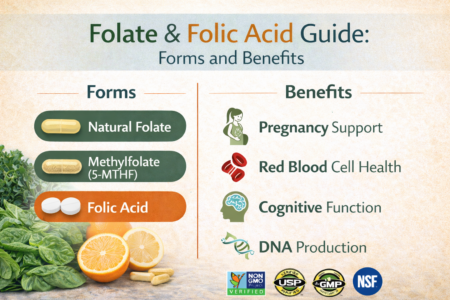
- Folate biochemistry and methylation pathways
- Peripheral neuropathy: Nutritional and toxic aetiologies
- Neurotransmitter biosynthesis: Cofactor requirements
- One-carbon metabolism: Integrating B6, B12 and folate
- Micronutrient status assessment: Biomarkers and interpretation
Frequently Asked Questions
What is the difference between pyridoxine and pyridoxal 5′-phosphate (PLP)?
Pyridoxine (PN) is one of three non-phosphorylated vitamin B6 vitamers commonly found in supplements and fortified foods. Pyridoxal 5′-phosphate (PLP) is the phosphorylated, metabolically active coenzyme form that serves as a cofactor in enzymatic reactions. Dietary pyridoxine must be phosphorylated by pyridoxal kinase and then oxidised to PLP before functioning as a coenzyme. Some supplements provide PLP directly, bypassing these conversion steps.
What are the current recommended dietary allowances for vitamin B6?
The RDA for adults aged 19-50 years is 1.3 mg/day for both sexes. For adults over 50, the RDA increases to 1.7 mg/day for men and 1.5 mg/day for women. Pregnancy increases requirements to 1.9 mg/day, and lactation to 2.0 mg/day. These values assume adequate protein intake and normal metabolic function. The tolerable upper intake level (UL) is 100 mg/day for adults.
How is vitamin B6 status assessed clinically?
Plasma pyridoxal 5′-phosphate (PLP) concentration is the most widely used and accepted biomarker. Values below 20 nmol/L generally indicate deficiency, while 20-30 nmol/L may represent marginal status. Alternative markers include erythrocyte aminotransferase activity coefficients and urinary 4-pyridoxic acid excretion, though these are less commonly employed in clinical practice.
What causes vitamin B6-induced neuropathy, and is it reversible?
Pyridoxine-induced sensory neuropathy occurs with chronic high-dose supplementation, typically exceeding 500-1000 mg/day over months. The mechanism appears to involve direct neuronal toxicity rather than metabolic interference. Symptoms – bilateral paraesthesias, sensory ataxia, impaired proprioception – are generally reversible upon discontinuation, though resolution may require months and may be incomplete in severe cases. Symptoms have been reported at lower doses (100-200 mg/day) with prolonged exposure.
Why do patients on isoniazid require vitamin B6 supplementation?
Isoniazid (INH) interferes with vitamin B6 metabolism through multiple mechanisms: it inhibits pyridoxal kinase, forms inactive hydrazones with pyridoxal, and accelerates urinary excretion of B6 metabolites. Without supplementation, isoniazid-induced B6 deficiency may manifest as peripheral neuropathy. Standard practice involves concurrent pyridoxine supplementation (typically 25-50 mg/day) with isoniazid therapy, particularly in patients with additional risk factors for neuropathy.
Does vitamin B6 supplementation reduce cardiovascular disease risk?
Despite consistent observational associations between higher plasma PLP and reduced cardiovascular risk, intervention trials have not demonstrated benefit. Multiple large randomised controlled trials of B vitamin supplementation (including B6) for homocysteine lowering showed effective homocysteine reduction without corresponding cardiovascular benefit. Current evidence does not support B6 supplementation specifically for cardiovascular disease prevention in replete individuals.
What is the relationship between vitamin B6 and inflammation?
Cross-sectional and prospective studies demonstrate inverse associations between plasma PLP and inflammatory markers including C-reactive protein (CRP) and interleukin-6. Potential mechanisms include B6’s role in immunomodulation and the consumption of PLP during inflammatory processes. However, whether low B6 contributes to inflammation or is a consequence of it remains uncertain. Clinical significance of this relationship requires further investigation.
Are there genetic polymorphisms affecting vitamin B6 requirements?
Yes, polymorphisms in genes encoding B6-related enzymes may influence requirements. Variants in ALPL (encoding tissue-nonspecific alkaline phosphatase) and NBPF3 have been associated with circulating PLP concentrations. Additionally, polymorphisms in PLP-dependent enzymes may affect cofactor requirements for specific metabolic pathways. Clinical application of genotype-based dosing is not yet established but represents an area of pharmacogenomic research.
Sources
References
- National Institutes of Health – Vitamin B6 Fact Sheet for Health Professionals – Comprehensive clinical reference on B6 biochemistry, requirements and clinical applications
- Linus Pauling Institute – Vitamin B6 – In-depth scientific review of mechanisms, disease associations and research evidence
- NHS – B Vitamins and Folic Acid – UK health service clinical guidance on B vitamin requirements
- PubMed – National Library of Medicine – Database of peer-reviewed biomedical literature on vitamin B6 research
- Mayo Clinic – Vitamin B6 – Clinical information on uses, evidence ratings and safety considerations
- Harvard T.H. Chan School of Public Health – Vitamin B6 – Evidence-based nutritional information and research summaries
- European Food Safety Authority – Dietary Reference Values – European scientific opinion on B vitamin requirements and upper limits