

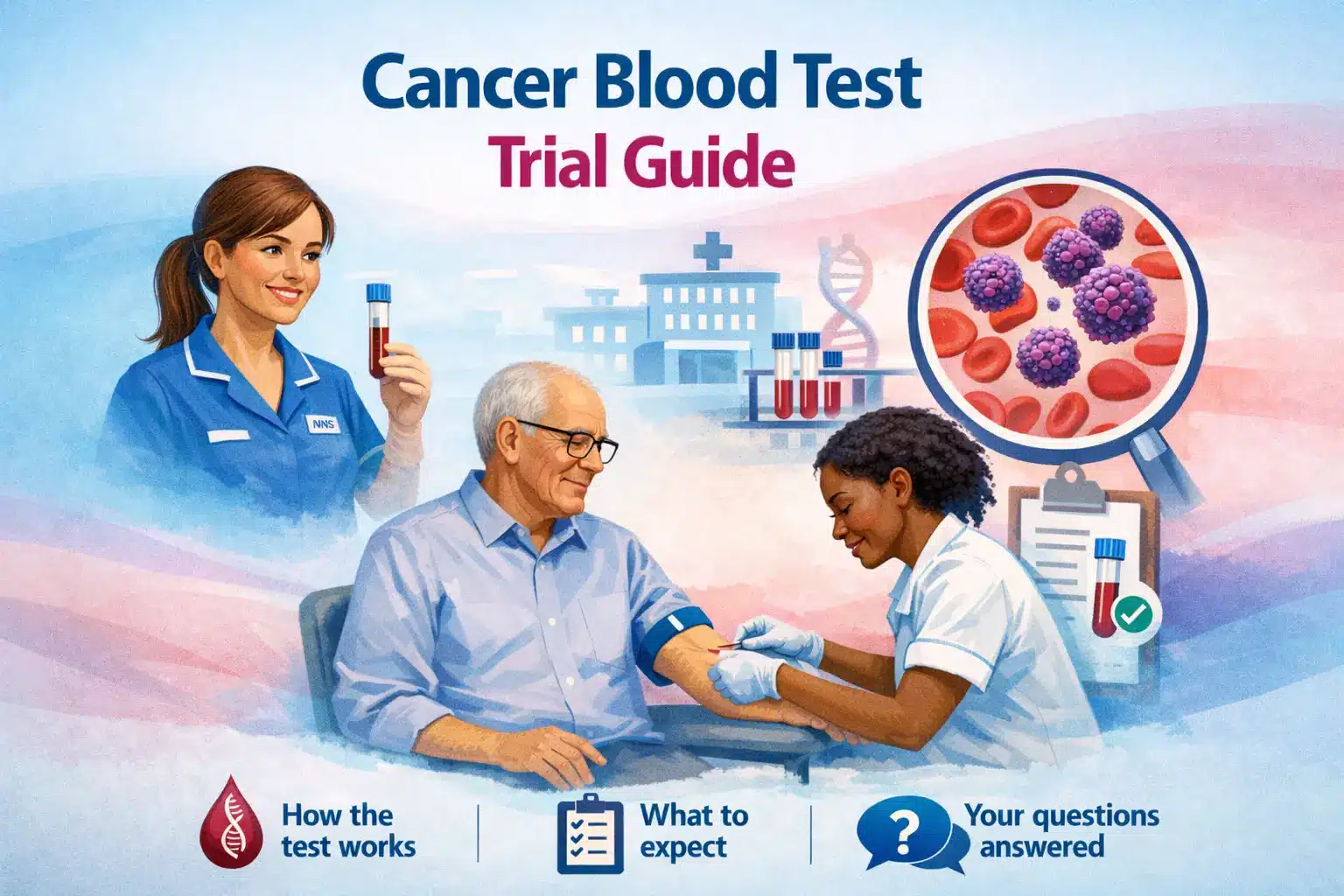
Featured Snippet: The NHS cancer blood test trial (NHS-Galleri) is the world’s largest study of multi-cancer early detection technology. Using a simple blood draw, the Galleri test can detect over 50 types of cancer—including many with no current screening options—often before symptoms appear. Over 140,000 participants aged 50-77 have enrolled, with early results showing the test detects cancers at stages when treatment is most effective.
Quick Answer: The NHS cancer blood test trial tests whether a revolutionary blood test called Galleri can detect multiple cancers earlier than current methods. Participants provide a blood sample that’s analysed for DNA signals shed by cancer cells. Early trial data shows promising results, with approximately 66% of cancers detected at stages I-III. The test isn’t yet available to the general public, but NHS England aims to evaluate whether it should become part of routine screening by 2026.
What if a routine blood test could detect cancer years before you noticed any symptoms? This question, once confined to medical science fiction, now sits at the heart of the largest clinical trial of its kind ever conducted.
Across England, tens of thousands of people have rolled up their sleeves for a simple blood draw that could reshape cancer care forever. The NHS-Galleri trial represents a landmark moment in preventive medicine—testing whether a single blood sample can reliably flag over 50 different cancers, many of which currently have no screening programme and are typically found only after symptoms emerge.
The stakes couldn’t be higher. Cancer remains the leading cause of death in the UK, claiming over 167,000 lives annually. Survival rates correlate directly with stage at diagnosis—catch cancer early, and the odds shift dramatically in the patient’s favour. Yet for most cancer types, no early detection method exists. Patients wait until something feels wrong, by which point the disease may have progressed significantly.
This guide examines everything you need to know about the NHS cancer blood test trial: how the technology works, what the emerging evidence shows, who can participate, and what this breakthrough might mean for the future of cancer care in Britain.
📋 In This Article
- What Is the NHS Cancer Blood Test Trial?
- How the NHS Cancer Blood Test Works
- Which Cancers Can the Blood Test Detect?
- Who Is Eligible for the Trial?
- Trial Results So Far: What the Data Shows
- How Accurate Is the Galleri Blood Test?
- Limitations and What This Test Cannot Do
- When Will the Cancer Blood Test Be Available?
- How to Participate in Cancer Research
- Frequently Asked Questions
- Final Thoughts
🎥 Watch: NHS England’s overview of the Galleri trial and how multi-cancer early detection technology works.
📜 Prefer reading? Continue below for our complete guide including eligibility criteria, accuracy data, and expert analysis.
What Is the NHS Cancer Blood Test Trial?
The NHS-Galleri trial represents the world’s largest clinical study of multi-cancer early detection (MCED) technology. Launched in 2021 by NHS England in partnership with GRAIL, the American biotechnology company that developed the test, the trial aims to determine whether blood-based cancer screening should become part of routine NHS care.
At its core, the trial tests a simple premise: can we detect cancer from a blood sample before patients develop symptoms? The Galleri test analyses cell-free DNA (cfDNA)—genetic material that tumours shed into the bloodstream—to identify characteristic patterns associated with cancer. Think of it as finding a needle in a haystack, except the technology has learned exactly what that needle looks like.
Over 140,000 volunteers aged 50-77 enrolled between 2021 and 2022, making this the most ambitious cancer screening study ever attempted. Participants provide blood samples at mobile testing units positioned across England, with results typically returned within weeks. Those with positive results receive expedited referrals for diagnostic follow-up through the NHS.
🧠 Key Point: The NHS-Galleri trial differs from existing cancer screening programmes (like mammography or colonoscopy) because it screens for multiple cancers simultaneously with a single blood draw. Current NHS screening targets only breast, bowel, and cervical cancers—leaving over 100 cancer types without any early detection option.
The trial operates across two phases. Initial results focus on whether the test can accurately detect cancers in the study population. Longer-term follow-up will assess whether early detection through blood testing actually improves survival outcomes—the ultimate measure of any screening programme’s value.
NHS England has committed substantial resources to this research, viewing it as potentially transformative for cancer care. If successful, the Galleri test could fill a massive gap in preventive medicine, catching cancers that currently go undetected until they cause symptoms—often at more advanced, harder-to-treat stages.
How the NHS Cancer Blood Test Works
The Galleri test employs sophisticated molecular analysis to detect cancer signals in blood. Understanding the science behind this technology helps explain both its potential and its limitations.
Every cell in your body—including cancer cells—releases fragments of DNA into your bloodstream as cells die and regenerate. This circulating cell-free DNA normally gets cleared by your body’s housekeeping systems. However, cancer cells shed DNA with distinctive chemical modifications that the Galleri test can identify.
The key lies in methylation patterns. Methylation involves small chemical tags attached to DNA that affect how genes function. Cancer cells display abnormal methylation signatures—essentially a molecular fingerprint that distinguishes them from healthy cells. The Galleri test uses machine learning algorithms trained on thousands of cancer and non-cancer samples to recognise these patterns.
☑️ The Process: A standard blood draw (approximately 20ml) is analysed using next-generation DNA sequencing. Sophisticated algorithms then compare the methylation patterns against a database of known cancer signatures. Results indicate either “cancer signal detected” or “cancer signal not detected,” along with a prediction of where in the body the cancer may be located.
What makes this approach remarkable is the tissue-of-origin prediction. When the test detects a cancer signal, it can often predict which organ the cancer originated from—information that guides diagnostic follow-up. Rather than searching the entire body, clinicians can focus investigations on the most likely location, potentially accelerating diagnosis.
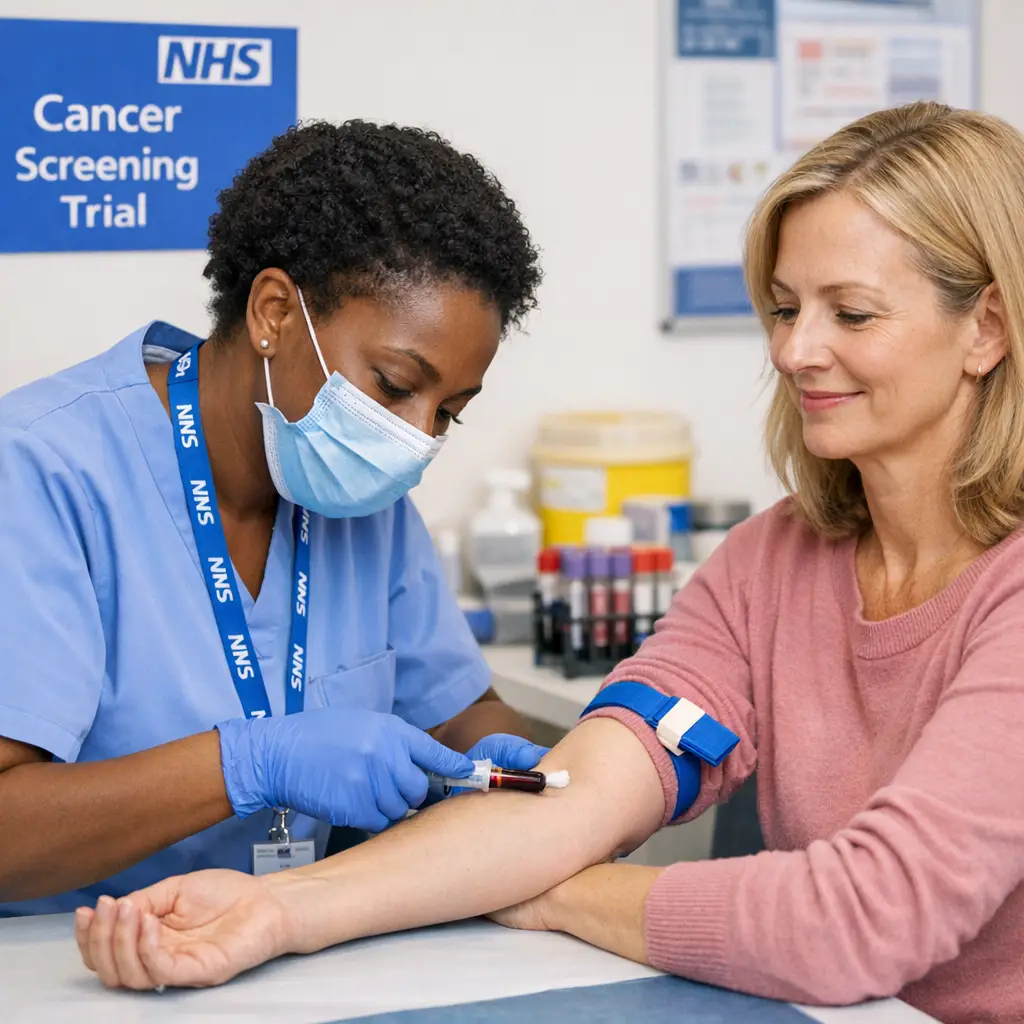
The blood sample travels to GRAIL’s laboratory in the United States for analysis. Turnaround time typically ranges from two to three weeks. Participants receive results through their GP or the trial coordination team, with positive results triggering referral for further diagnostic testing through standard NHS pathways.
Importantly, a positive Galleri result is not a cancer diagnosis. It indicates that cancer-associated DNA signals were detected, warranting further investigation. Confirmation requires traditional diagnostic methods—imaging, biopsies, or other tests appropriate to the suspected cancer type.
Which Cancers Can the Blood Test Detect?
The Galleri test can potentially detect over 50 different cancer types, including many that currently lack any screening programme. This breadth represents a fundamental shift from existing screening approaches, which target individual cancer types.
Particularly significant is the test’s ability to detect cancers that often present at advanced stages. Pancreatic cancer, ovarian cancer, and oesophageal cancer—all notorious for late diagnosis and poor outcomes—fall within the test’s detection capabilities. These cancers rarely cause symptoms until they’ve progressed significantly, making blood-based early detection potentially life-saving.
| Cancer Category | Specific Types Included | Current Screening Available? |
|---|---|---|
| Gastrointestinal | Pancreatic, oesophageal, stomach, liver, bile duct, colorectal | Bowel screening only (limited) |
| Gynaecological | Ovarian, uterine, cervical, vulvar | Cervical only |
| Thoracic | Lung, mesothelioma | Targeted lung screening piloting |
| Head and Neck | Oral, throat, laryngeal, nasopharyngeal | No |
| Blood Cancers | Lymphoma, leukaemia, myeloma | No |
| Urological | Kidney, bladder, prostate | No routine screening |
| Other Solid Tumours | Breast, thyroid, melanoma, sarcoma, brain | Breast only |
The test performs differently across cancer types. Detection sensitivity tends to be higher for cancers that shed more DNA into the bloodstream—typically those with higher cell turnover or larger tumour burden. Some early-stage cancers, particularly certain blood cancers and solid tumours like pancreatic cancer, show relatively strong detection rates. Others, like early prostate cancer, prove more challenging to identify.
Research published in the Annals of Oncology demonstrated that the Galleri test correctly predicted the tissue of origin in over 88% of cases where cancer was detected. This accuracy helps streamline the diagnostic process, directing clinicians toward the right imaging and biopsy procedures rather than requiring exhaustive whole-body investigation.
⏰ Important Context: The Galleri test is designed to complement, not replace, existing cancer screening programmes. Breast, bowel, and cervical screening remain essential. The blood test adds detection capability for cancers not covered by current programmes and may eventually work alongside established methods.
Who Is Eligible for the Trial?
The NHS-Galleri trial targeted a specific population to maximise scientific value and ensure participant safety. Understanding the eligibility criteria helps clarify who participated and why these parameters were chosen.
| Criterion | Requirement | Rationale |
|---|---|---|
| Age | 50-77 years | Higher cancer incidence; balance of detection benefit vs. life expectancy |
| Location | England (selected areas) | NHS England-funded trial logistics |
| Cancer History | No cancer diagnosis within past 3 years | Focus on new cancer detection, not recurrence monitoring |
| Current Treatment | Not undergoing cancer treatment | Avoid confounding test results |
| Symptoms | No symptoms suggesting cancer | Test designed for asymptomatic screening |
| NHS Registration | Registered with GP in England | Enable results communication and follow-up |
The age range of 50-77 reflects cancer epidemiology. Cancer risk increases substantially after age 50, making screening most valuable in this demographic. The upper limit of 77 balances detection benefits against considerations about life expectancy and treatment tolerability—factors that inform any screening programme’s design.
Participants were recruited via letter invitation based on NHS records, with mobile testing units deployed to locations across England. The trial prioritised diversity, actively recruiting from communities historically underrepresented in clinical research to ensure findings would apply broadly across the population.
Recruitment for the main trial phase closed in 2022, with over 140,000 people enrolled. However, follow-up continues, and participants may be invited for additional blood draws to assess how the test performs over time. New trials and expanded studies may open in future as the research programme evolves.
☑️ Note for Those With Symptoms: The Galleri test is designed for screening people without symptoms. If you’re experiencing potential cancer symptoms—unexplained weight loss, persistent fatigue, unusual lumps, changes in bowel habits, or bleeding—contact your GP immediately. Symptomatic patients require direct diagnostic investigation, not screening. Understanding symptoms that warrant attention, such as fatigue and unexplained symptoms, helps ensure timely medical evaluation.
Trial Results So Far: What the Data Shows
Early results from the NHS-Galleri trial offer encouraging signals, though researchers emphasise that definitive conclusions require longer follow-up. The emerging data suggests the technology performs as intended in a real-world NHS setting.
Interim findings presented at major oncology conferences reveal several key patterns. Among participants with positive test results who underwent diagnostic follow-up, cancer was confirmed in a substantial proportion—demonstrating meaningful positive predictive value. The majority of these confirmed cancers were detected at earlier stages than typically seen in clinical practice.
Particularly striking is the proportion of cancers found at stages I-III, when treatment options remain broadest and cure rates highest. Approximately two-thirds of confirmed cancers in the trial fell into these earlier stage categories—a significant shift from the late-stage presentations common for many cancer types.
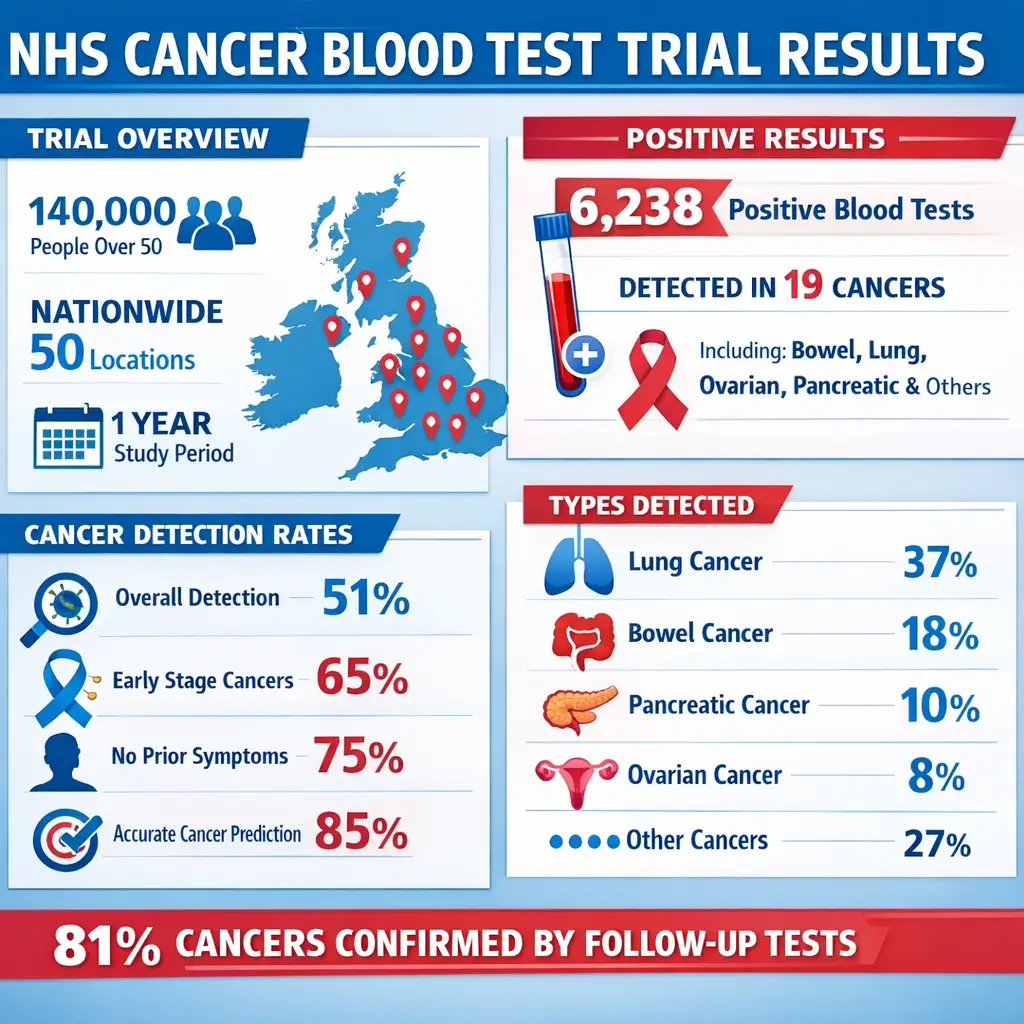
The cancer types detected align with the test’s design strengths. Solid tumours including colorectal, lung, and head/neck cancers appeared in the confirmed cases, alongside blood cancers and gynaecological malignancies. Several detected cancers lacked any NHS screening programme—meaning these individuals had no other path to early diagnosis before symptoms emerged.
📊 Early Trial Highlights
- 140,000+ participants enrolled across England
- 66% of detected cancers found at stages I-III
- 88% accuracy in predicting cancer location
- Multiple cancer types without existing screening detected
- 0.5% false positive rate in validation studies
- Full results expected by 2026
Researchers caution against over-interpreting interim data. The trial’s primary endpoint—whether blood-based screening reduces cancer mortality—requires years of follow-up to assess. Detecting cancer earlier only matters if it translates into lives saved, and that evidence takes time to accumulate.
NHS England expects to publish comprehensive results in 2026, which will inform decisions about whether to incorporate the Galleri test into routine NHS care. Until then, the trial continues monitoring participants and collecting the long-term outcome data essential for evidence-based policy decisions.
How Accurate Is the Galleri Blood Test?
Accuracy in cancer screening involves multiple dimensions. Understanding these metrics—and their real-world implications—helps set appropriate expectations for what the Galleri test can and cannot deliver.
Sensitivity refers to the test’s ability to correctly identify people who have cancer. Studies of Galleri show sensitivity varies by cancer stage and type. For stage I cancers (the earliest), sensitivity ranges from approximately 17% to 40% depending on cancer type. This rises substantially for later stages—reaching over 90% for stage IV cancers. The test catches more cancers as tumour burden increases and more DNA enters circulation.
Specificity measures how often the test correctly identifies people without cancer. Galleri demonstrates approximately 99.5% specificity—meaning false positives are rare. In practical terms, only about 0.5% of people without cancer receive a positive result. This low false positive rate proves essential for population screening, as it minimises unnecessary anxiety and follow-up investigations.
| Metric | Galleri Performance | What This Means |
|---|---|---|
| Overall Sensitivity | ~51% (all stages) | Detects about half of cancers present |
| Stage I Sensitivity | ~17-40% | Catches some, but not all, earliest cancers |
| Stage III-IV Sensitivity | ~77-90% | Detects most advanced cancers |
| Specificity | ~99.5% | Very few false positives (0.5%) |
| Tissue of Origin Accuracy | ~88% | Usually identifies correct cancer location |
| Positive Predictive Value | ~38-44% | If positive, ~40% chance of confirmed cancer |
The positive predictive value (PPV) requires careful interpretation. In the NHS trial population, approximately 38-44% of people with positive results were found to have cancer upon diagnostic follow-up. This means the majority of positive results didn’t lead to cancer diagnosis—either representing false positives or very early cancers that couldn’t be confirmed with current diagnostic methods.
Context matters enormously when evaluating these numbers. No screening test is perfect. Mammography, for example, has a PPV of around 30% in population screening—meaning most positive mammograms don’t indicate cancer. The Galleri test’s performance falls within ranges considered acceptable for screening, particularly given it targets cancers with no other detection option.
⏰ Critical Understanding: A negative Galleri result doesn’t guarantee you’re cancer-free. The test misses some cancers, particularly very early-stage tumours shedding minimal DNA. Maintain vigilance for symptoms and continue participating in existing NHS screening programmes regardless of Galleri results.
Limitations and What This Test Cannot Do
Honest discussion of limitations proves essential for any medical technology. The Galleri test, despite its promise, has constraints that anyone considering it should understand.
The test cannot detect all cancers. Even in validation studies, overall sensitivity sits around 50%—meaning roughly half of cancers present at screening weren’t detected. Early-stage cancers, precisely those where detection offers greatest benefit, prove most challenging to identify. Small tumours simply don’t shed enough DNA to trigger positive results reliably.
Certain cancer types perform less well than others. Early prostate cancer, for instance, shows low detection rates with current technology. Breast cancer sensitivity also lags behind some other tumour types. For these cancers, established screening methods (where available) may remain superior for detection purposes.
| Factor | Galleri Blood Test | Traditional Screening (e.g., Mammogram) |
|---|---|---|
| Cancers Covered | 50+ types simultaneously | Single cancer type per test |
| Early Stage Sensitivity | Lower (17-40% stage I) | Generally higher for targeted cancer |
| Invasiveness | Simple blood draw | Varies (mammogram, colonoscopy, etc.) |
| False Positive Rate | ~0.5% | Varies (mammogram ~10%) |
| Mortality Benefit Proven | Not yet (trial ongoing) | Yes (for established programmes) |
| NHS Availability | Trial only (potentially 2026+) | Currently available |
False positive results, while infrequent, carry real consequences. A positive result triggers anxiety, further testing, and healthcare utilisation. In some cases, diagnostic workups fail to find cancer, leaving patients uncertain whether the test was wrong or whether something simply couldn’t be detected. This psychological burden requires consideration.
The test also cannot predict cancer risk or prevention. It detects signals from cancers already present—not elevated future risk. Healthy lifestyle choices remain essential for cancer prevention, including maintaining a balanced diet, regular physical activity, limiting alcohol, and not smoking. Supporting your immune system through lifestyle measures complements any screening approach.
Cost represents another consideration. The Galleri test currently costs several hundred pounds when purchased privately. This expense, combined with uncertain mortality benefit, means health economists continue debating cost-effectiveness. NHS implementation would require demonstrating value for money alongside clinical effectiveness.
🏥 Expert Perspective
“The Galleri test represents genuine innovation in cancer detection, but we must communicate its capabilities honestly. It’s an additional tool, not a replacement for symptom awareness or existing screening. Patients should understand that a negative result provides reassurance but not guarantee, whilst a positive result initiates investigation rather than confirming diagnosis. Managing expectations helps ensure this technology benefits patients rather than causing unnecessary distress.”
— Mavran Todl, Clinical Nutrition Specialist
When Will the Cancer Blood Test Be Available on the NHS?
NHS rollout depends on trial outcomes. The current timeline suggests that comprehensive results from the NHS-Galleri trial will be available in 2026, at which point policymakers can assess whether the test merits inclusion in routine NHS services.
Several factors will influence this decision. First, the trial must demonstrate that early detection translates into improved survival—the ultimate goal of any screening programme. Second, health economists will evaluate cost-effectiveness, comparing the test’s expense against the value of cancers detected earlier. Third, NHS capacity to handle increased diagnostic referrals requires consideration.
Even with positive results, implementation would likely occur in phases. NHS England might initially target highest-risk populations or specific age groups before expanding access. The infrastructure for nationwide blood-based cancer screening—collection sites, laboratory capacity, referral pathways—takes time to establish.
📢 Private Access: The Galleri test is currently available privately in the UK through selected providers, typically costing £850-£900. Private testing operates outside NHS oversight, and individuals should carefully consider the implications of results—including follow-up care—before proceeding. Private results would still require NHS referral for diagnostic investigation if positive.
Other countries are watching the NHS trial closely. The UK study represents the largest real-world evaluation of multi-cancer early detection technology globally. Its findings will inform health policy internationally, potentially shaping cancer screening approaches across Europe, North America, and beyond.
For now, the best approach involves participating in existing NHS screening programmes (breast, bowel, cervical), maintaining symptom awareness, and adopting healthy lifestyle choices proven to reduce cancer risk. The blood test, when proven and available, will add to—not replace—these fundamental prevention and detection strategies.
How to Participate in Cancer Research
Although recruitment for the main NHS-Galleri trial has closed, opportunities to contribute to cancer research continue. Participating in studies advances medical knowledge and may provide access to innovative tests and treatments.
The NHS offers several pathways for research participation. Be Part of Research (bepartofresearch.nihr.ac.uk) provides a searchable database of clinical trials recruiting across the UK. Cancer Research UK maintains trial listings specific to oncology research. Your GP can also advise on studies relevant to your circumstances.
Future phases of the Galleri research programme may open additional recruitment. NHS England has indicated ongoing interest in multi-cancer early detection, suggesting further studies are likely. Registering interest through official channels positions you for future opportunities.
☑️ Ways to Support Cancer Research:
- Register with Be Part of Research for trial notifications
- Participate in existing NHS screening programmes
- Consider tissue/blood donation for research biobanks
- Support cancer charities funding detection research
- Share accurate information about trials with eligible friends and family
Beyond formal trials, lifestyle factors within your control influence cancer risk. Managing stress effectively, maintaining physical activity, eating a balanced diet, limiting alcohol, and avoiding tobacco represent evidence-based prevention strategies available to everyone—regardless of screening access.
Frequently Asked Questions
What is the NHS cancer blood test trial?
The NHS-Galleri trial is the world’s largest study of multi-cancer early detection (MCED) blood testing. Launched in 2021, it enrolled over 140,000 people aged 50-77 across England to evaluate whether the Galleri test—which can detect signals from 50+ cancer types—should become part of routine NHS care. The trial tests whether blood-based screening can detect cancers earlier and ultimately improve survival rates.
How accurate is the Galleri blood test for detecting cancer?
Galleri demonstrates approximately 51% overall sensitivity (detecting about half of cancers present) and 99.5% specificity (very low false positive rate). Detection rates vary by cancer stage—catching 17-40% of stage I cancers but 77-90% of stage III-IV cancers. When the test signals cancer, it correctly predicts the cancer’s location about 88% of the time. These figures are considered acceptable for screening, particularly for cancers lacking other detection methods.
Who is eligible for the NHS cancer blood test?
The trial recruited adults aged 50-77, registered with a GP in England, with no cancer diagnosis in the previous three years and no current cancer symptoms. Recruitment for the main trial closed in 2022. Future studies may have different eligibility criteria. The test is not currently available through routine NHS care—it remains a research tool pending trial results.
When will the NHS cancer blood test be available to everyone?
NHS England expects comprehensive trial results in 2026. If the test proves effective at reducing cancer mortality and demonstrates cost-effectiveness, NHS rollout could follow—though implementation would likely occur in phases rather than immediately for all eligible individuals. The test is currently available privately in the UK for approximately £850-£900, though this operates outside NHS pathways.
Does a negative result mean I don’t have cancer?
No. A negative Galleri result reduces the probability of cancer but doesn’t eliminate it. The test misses some cancers—particularly early-stage tumours not shedding detectable DNA. You should continue participating in NHS screening programmes (breast, bowel, cervical) and remain vigilant for symptoms. If you develop concerning symptoms, seek medical attention regardless of previous test results.
Will this replace existing cancer screening like mammograms?
No. The Galleri test is designed to complement, not replace, existing screening programmes. For specific cancers like breast cancer, traditional screening (mammography) may offer superior sensitivity. The blood test’s value lies in detecting cancers that currently have no screening option—pancreatic, ovarian, and many others typically found only after symptoms develop. Both approaches would work together in a comprehensive screening strategy.
Final Thoughts
The NHS cancer blood test trial represents a pivotal moment in preventive medicine. For decades, cancer screening remained limited to a handful of malignancies, leaving most cancer types detectable only after symptoms emerged—often too late for optimal treatment. The Galleri technology offers the possibility of changing this paradigm fundamentally.
Yet promise requires validation. The coming years will reveal whether early detection through blood testing translates into the outcome that matters most: lives saved. Until then, the trial continues generating evidence that will shape cancer care policy not just in Britain, but globally.
For individuals, the practical message remains consistent. Participate in existing NHS screening programmes. Pay attention to your body and seek medical advice for persistent or concerning symptoms. Make lifestyle choices that reduce cancer risk—maintaining healthy weight, staying physically active, limiting alcohol, avoiding tobacco. These fundamentals remain your most powerful tools regardless of technological advances.
The 140,000 people who participated in the NHS-Galleri trial contributed not just blood samples but hope—hope that their contribution will protect future generations from cancer’s worst outcomes. Their involvement exemplifies how collective participation in research advances medicine for everyone.
As results emerge and decisions approach, informed understanding becomes increasingly valuable. This guide aimed to provide that understanding—the science, the evidence, the limitations, and the possibilities. Whatever the trial ultimately demonstrates, the pursuit of earlier cancer detection represents one of medicine’s most important ongoing endeavours.
Sources
- The Lancet – Multi-cancer early detection test validation studies
- PubMed – Annals of Oncology – Galleri test clinical performance data
- NHS England – Official NHS-Galleri trial information
- Cancer Research UK – UK cancer statistics and screening context
- NHS – Cancer screening programmes and patient guidance
- GRAIL – Galleri test technical specifications and research
Written by Arsim Rama
Health Content Specialist · 5+ years experience
As a Health Content Specialist, Arsim Rama brings 5+ years to health content creation. He is passionate about making scientific research accessible and actionable for everyday readers.
🏥 Medically Reviewed By: Mavran Todl, Clinical Nutrition Specialist
Last medical review: January 2026
Affiliate Disclosure: We may receive compensation through affiliate links in this post. This doesn’t affect our editorial standards.
Medical Disclaimer: This content is informational only and doesn’t constitute medical guidance. Consult your doctor before starting any new supplement or making health decisions based on screening results.
© 2026 Paulinna. All rights reserved.