

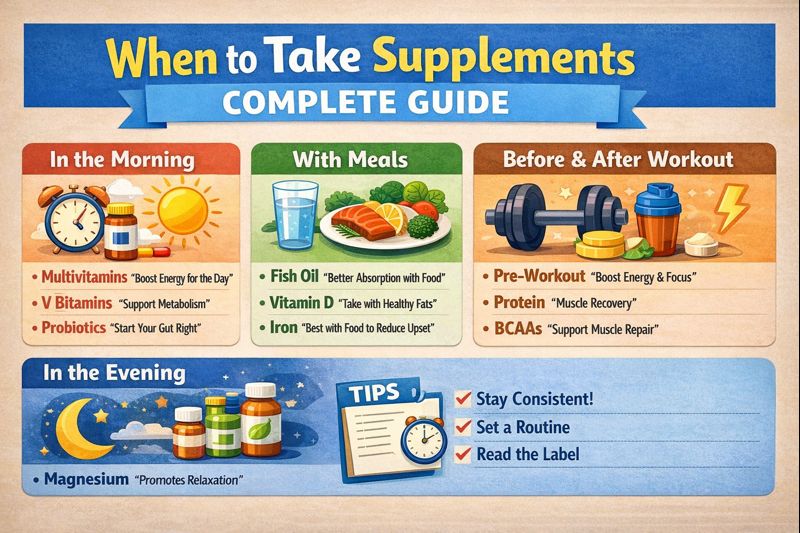
When to take supplements is crucial for bioavailability. Fat-soluble vitamins need food for absorption, whereas water-soluble vitamins and minerals are often best absorbed without meals or at specific times.
🎬 Watch: Learn how and when to take supplements.
📜 Prefer reading: Scroll down for detailed explanations of each stress-reduction technique.
Navigating the world of vitamins can be complex, but knowing when to take supplements significantly influences their effectiveness. It is not merely about what you consume, but how your body processes those nutrients at different times of the day. Many people invest heavily in premium products only to undermine their potential by ignoring the importance of timing and synergy with food.
Have you ever swallowed a multivitamin only to feel nauseous an hour later? Or perhaps you have taken iron tablets for months without seeing a change in your energy levels? These experiences are often not due to the quality of the product itself, but rather the schedule of intake. The digestive system is a sophisticated environment where chemical interactions, stomach acidity, and the presence of other foods all play pivotal roles in how much of a nutrient actually enters your bloodstream.
This guide aims to demystify the science of nutrient timing. We will explore the nuances of fat-soluble versus water-soluble compounds, the impact of circadian rhythms, and potential interactions with common medications like coffee or prescriptions. Whether you are a seasoned biohacker or just starting your wellness journey, understanding these mechanisms can transform your daily routine. To fully grasp why timing matters, it helps to first understand the benefits of magnesium and other key nutrients in your regimen.
Reading this comprehensive article will equip you with the knowledge to create a personalised schedule that maximises every single dose you take. We will break down the science into actionable advice, ensuring you get the best return on your health investment.
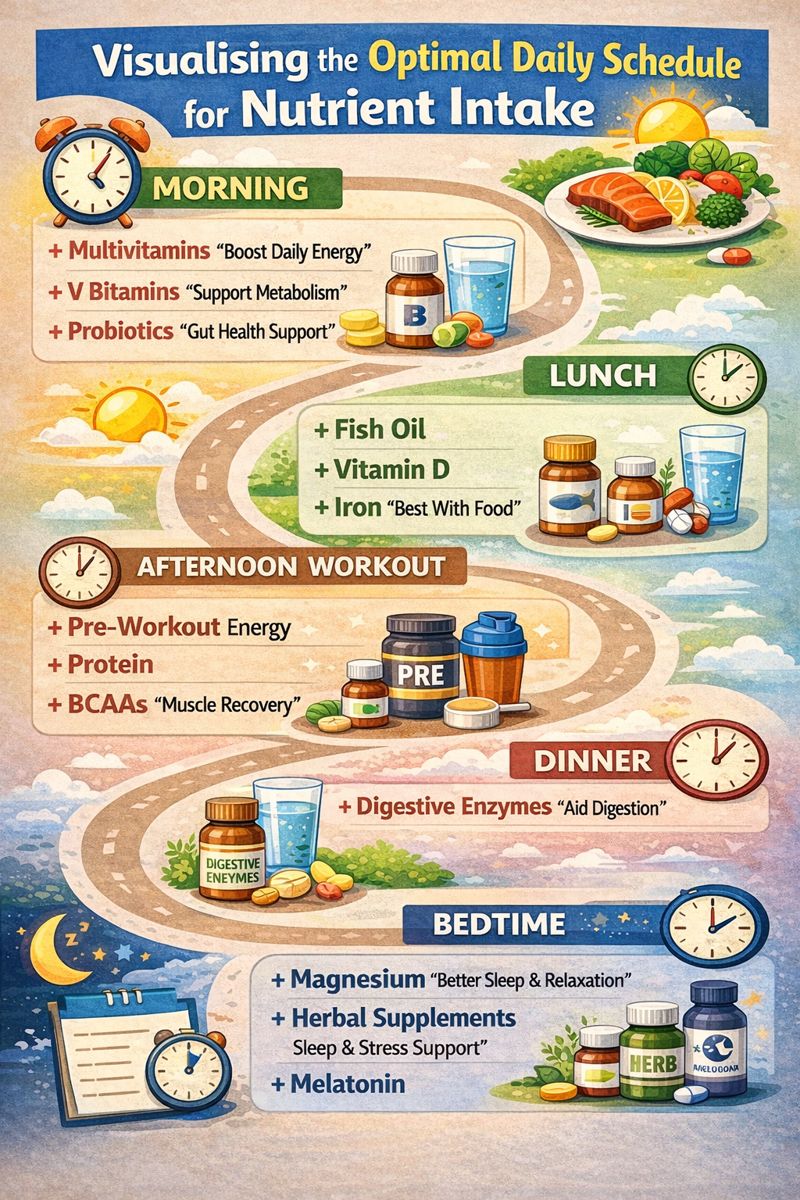
Understanding When to Take Supplements
When we discuss this topic, we are referring to the strategic scheduling of nutrient intake to align with the body’s physiological readiness. It involves coordinating your regimen with meals, sleep cycles, and other biological processes to enhance uptake and minimise side effects. This concept moves beyond the simple “once a day” instruction often found on bottle labels, digging deeper into the “why” behind the timing.
The Science of Chrononutrition
Chrononutrition is the study of how the timing of food intake affects metabolic processes. Just as our sleep-wake cycles follow a circadian rhythm, so do our digestive enzymes, hormone levels, and cellular repair mechanisms. Taking certain compounds at specific times can synchronise with these natural rhythms, potentially amplifying their benefits. For instance, magnesium is often recommended in the evening due to its role in muscle relaxation and sleep quality.
Food-Solubility Matters
The most fundamental distinction in scheduling lies in solubility. Fat-soluble nutrients (A, D, E, and K) require dietary fat to be absorbed effectively. If you take these with water on an empty stomach, much of the dose may pass through unutilised. Conversely, water-soluble vitamins (C and B-complex) dissolve in water and generally do not require fat for absorption, though they can be irritating to an empty stomach in high doses. Understanding this basic biological requirement is the first step in optimising your routine.
How It Works in Your Body
Once ingested, these compounds undergo a complex journey through the gastrointestinal tract. The environment within your stomach and intestines changes drastically depending on whether you have eaten recently. Stomach acidity, the presence of bile, and the rate of gastric emptying all dictate how quickly and efficiently nutrients are broken down and shuttled into the bloodstream.
Absorption Pathways
Water-soluble vitamins are absorbed directly into the blood via passive diffusion or active transport in the small intestine. Because they are not stored in large amounts by the body, they need regular replenishment. Fat-soluble variants, however, are packaged into chylomicrons (fat transporters) and enter the lymphatic system before reaching the blood. This process is inherently slower and relies heavily on the presence of dietary fats to stimulate bile release. Without fat, these transporters struggle to form, leading to poor absorption.
Competition and Interactions
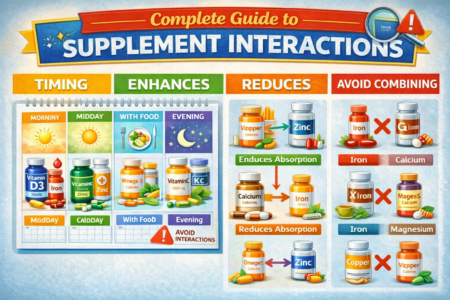
It is not just about solubility; nutrients can also compete for the same absorption channels. For example, taking large doses of zinc can inhibit copper absorption. Similarly, calcium can compete with iron for uptake. Spacing out these minerals by at least two hours can often mitigate these competitive interactions. Research from the NIH Office of Dietary Supplements suggests that understanding these interactions is key to a balanced regimen.
Metabolism and Excretion
Once absorbed, the liver processes these compounds. Water-soluble varieties that are not needed are excreted through urine, which is why bright yellow urine is common after taking B-complex vitamins. Fat-soluble types are stored in the liver and fatty tissues, meaning timing is less about immediate excretion and more about avoiding toxicity or depletion over time. This difference highlights why daily timing is critical for some, while overall consistency matters more for others.
6 Science-Backed Benefits of Knowing When to Take Supplements
Adjusting the clock on your intake can yield surprising results. It is not just about avoiding an upset stomach; it is about unlocking the full potential of every milligram you consume. By aligning your habits with biological needs, you can enhance efficacy and support long-term health goals.
1. Maximises Nutrient Absorption
The primary benefit is simply getting more value from your purchase. Taking fat-soluble vitamins with a meal containing healthy fats—such as avocado, olive oil, or nuts—can increase absorption rates significantly. Studies indicate that taking Vitamin D with the largest meal of the day improves blood serum levels by over 50% compared to taking it without food. This simple adjustment ensures your body actually utilises what you are paying for.
2. Reduces Digestive Discomfort
Minerals like iron, zinc, and magnesium are notorious for causing nausea, cramping, or constipation. This is often due to their direct contact with the stomach lining. Taking these compounds with food acts as a buffer, diluting the concentration and irritating the stomach lining less. If you have ever felt queasy after a morning multi-vitamin, taking it with breakfast instead of coffee is usually the quickest fix.
3. Supports Natural Energy Cycles
B vitamins play a crucial role in energy metabolism. Taking them in the morning can help kickstart your day by providing the co-factors needed to convert food into energy. Conversely, taking stimulating nutrients late at night might interfere with sleep for sensitive individuals. Aligning energy-boosting nutrients with your circadian rhythm helps you feel alert when you need to be and ready to rest when the sun goes down.
4. Enhances Sleep and Recovery
Just as some nutrients boost energy, others promote relaxation. Magnesium, for instance, helps regulate neurotransmitters that calm the nervous system. Taking it in the evening can improve sleep quality and aid muscle recovery after exercise. This strategic timing uses the supplement not just as a nutrient filler, but as a functional tool to support specific physiological states like rest and repair.
5. Improves Medication Compliance
For those taking prescription medications, timing interactions are critical. Some supplements can decrease the efficacy of drugs (like St John’s Wort with antidepressants) or increase toxicity risks. By learning the optimal vitamin absorption windows and separating them from meds by a few hours, you ensure your treatments work as intended without interference.
6. Prevents Nutrient Antagonism
As mentioned earlier, minerals can compete. Calcium can block the absorption of iron and zinc if taken simultaneously. By knowing which nutrients are antagonists, you can schedule them effectively—perhaps taking iron in the morning and calcium at night. This ensures you reap the benefits of both without one cancelling out the other, leading to a more balanced nutritional profile.
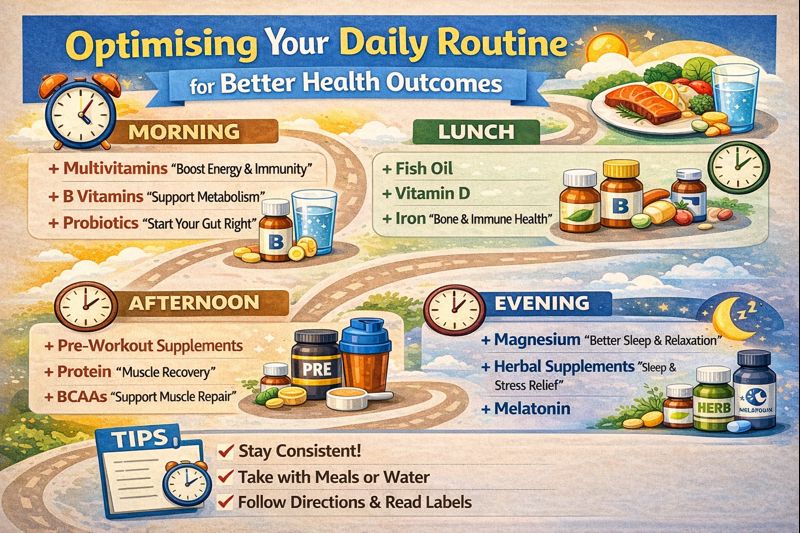
Comparing Solubility and Timing
Not all vitamins are created equal. Understanding the chemical nature of the compounds you take is the first step in planning your day. Below is a helpful comparison to guide your scheduling decisions.
| Type | Examples | Best Taken With | Why? |
|---|---|---|---|
| Fat-Soluble | A, D, E, K, Omega-3 | Meal containing fat | Require bile/fat for absorption |
| Water-Soluble | C, B-Complex | Water (any time) | Dissolve in water, absorbed directly |
| Minerals | Iron, Calcium, Zinc | Food (to reduce nausea) | Can irritate stomach lining |
| Probiotics | Lactobacillus, etc. | Empty stomach / morning | Survive stomach acid better before meals |
| Enzymes | Amylase, Lipase | Immediately before meals | Needed to digest food entering stomach |
What Current Research Shows
Nutritional science is constantly evolving, and recent studies have shed light on how specific timing affects outcomes. While individual needs vary, the consensus in the scientific community increasingly points towards the importance of personalised schedules rather than a “one size fits all” approach.
Key Clinical Findings
- Vitamin D Timing (PubMed, 2010): A study published in the Journal of Bone and Mineral Research found that taking Vitamin D with the largest meal of the day resulted in a 57% increase in serum levels compared to taking it on an empty stomach.
- Probiotic Survival (NIH, 2014): Research indicates that certain beneficial bacteria survive stomach acid better when taken 30 minutes before a meal, allowing them to reach the intestines more effectively.
- Multivitamin Efficacy (Harvard Health, 2021): Experts suggest that while multivitamins are beneficial, splitting the dose into two (morning and evening) can improve absorption retention rather than flooding the body all at once.
Research Limitations
Despite these findings, researchers acknowledge that bioavailability is highly individual. Factors such as gut microbiome composition, age, and genetics play massive roles in how we process nutrients. What works perfectly for one individual in a clinical trial may not yield identical results for another. Therefore, research should be used as a guideline, but personal experimentation is often necessary to find the perfect schedule.
Safety Profile and Side Effects
Whilst natural, vitamins and minerals are potent substances. Taking them incorrectly can lead to side effects ranging from mild discomfort to serious toxicity. Safety is paramount, and understanding the risks associated with poor timing helps prevent adverse events.
Common Side Effects
- Gastrointestinal Distress: Nausea, cramping, and diarrhoea are the most common complaints, usually caused by taking minerals on an empty stomach or exceeding recommended dosages.
- Insomnia and Jitters: Stimulating compounds like Vitamin B12 or ginseng, if taken late in the day, may interfere with sleep patterns in sensitive individuals.
- Kidney Stones: High doses of Vitamin C taken over long periods without adequate water intake can increase the risk of kidney stones in susceptible individuals.
Who Should Consult a Doctor First
Pregnant and breastfeeding women must be extremely careful with dosages, particularly Vitamin A. Individuals with kidney disease or on blood thinners (like Warfarin) need to manage Vitamin K and E intake carefully. Furthermore, anyone undergoing surgery should stop certain supplements weeks in advance, as they can affect bleeding and anaesthesia. Always consult a healthcare professional before starting a new regimen, especially if you have underlying conditions.
Dosage and Timing Guidelines
Creating a routine does not have to be complicated. The following table outlines a general framework that fits well into a standard daily schedule. Adjustments can be made based on specific product instructions or personal tolerance.
| Time of Day | Nutrients to Take | Instructions | Reasoning |
|---|---|---|---|
| Morning (Empty) | Probiotics, B-Complex | 30 mins before breakfast | Activates metabolism and gut flora |
| Breakfast | Multivitamins, Vitamin D, E | With a meal containing fat | Enhances fat-soluble absorption |
| Lunch | Vitamin C, Iron, Zinc | With food (avoid calcium) | Boosts energy and iron uptake |
| Afternoon | Iodine, Selenium | With a snack | Supports thyroid function |
| Evening/Dinner | Calcium, Magnesium, Fish Oil | With dinner or before bed | Promotes relaxation and bone health |
5 Expert Tips for When to Take Supplements
Integrating new habits into a busy lifestyle can be challenging. However, consistency is the secret sauce of nutritional success. Here are practical, expert strategies to help you stick to a schedule without it feeling like a chore.
1. Link It to a Habit
Habit stacking is a powerful psychological tool. If you want to remember your morning multivitamin, place the bottle right next to your coffee machine or kettle. By linking the new habit (taking the pill) to an existing one (making coffee), you eliminate the need for willpower. Over time, the action becomes automatic. This is far more effective than relying on memory alone.
2. Use a Pill Organiser
Visual cues are incredibly helpful. A 7-day pill organiser allows you to prepare your doses in advance. If you forget whether you took your afternoon zinc, a quick glance at the box gives you the answer. It also prevents accidental double-dosing, which is a common cause of minor side effects. For those with complex regimens, organisers labelled by mealtime are ideal.
3. Set Alarms on Your Phone
In our digital age, we are rarely separated from our phones. Setting recurring alarms for “Morning Vitamins” or “Evening Magnesium” can provide a nudge when life gets busy. You can even label the alarm with specific instructions, such as “Take with food”, to ensure you don’t just swallow the pill but follow the correct protocol. Check out more tips on building a daily health routine on our blog.
4. Separate Your Fat and Water Solubles
If you find yourself taking a handful of pills at once, consider splitting them. Taking all your fat-soluble vitamins with your main dinner and water-soluble ones in the morning can ease the digestive burden. This “divide and conquer” approach can improve tolerance and absorption efficiency, particularly for those with sensitive stomachs.
5. Keep a Journal
When starting a new nutrient, track how you feel. Note the time you took it, whether you ate with it, and any sensations you experienced afterwards. After a few weeks, review your notes. You might discover that B vitamins give you a headache on an empty stomach or that iron makes you tired. This data allows you to fine-tune your when to take supplements strategy to perfectly suit your biology.
✓ Key Takeaways
- Fat-soluble vitamins require dietary fat for optimal absorption
- Water-soluble vitamins and minerals are often best taken with food to prevent nausea
- Consistency in timing is more important than the exact hour of the day
- Splitting doses can improve tolerance and efficacy
- Always consult a GP before starting new regimes, especially if on medication
How to Choose a Quality Product
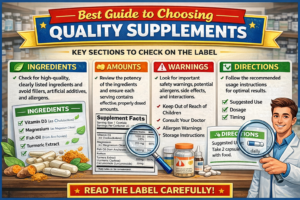
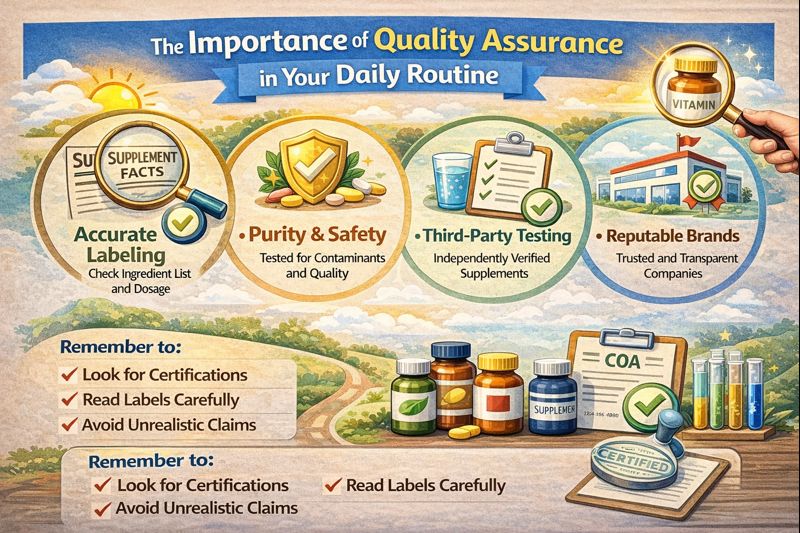
Timing is useless if the product itself is substandard. The market is flooded with options that vary wildly in purity and bioavailability. Knowing how to read a label and what certifications to look for ensures that your efforts in scheduling are not in vain.
Third-Party Testing
Never rely solely on the manufacturer’s claims. Look for products that have been tested by independent bodies like USP, NSF, or Informed Choice. These organisations verify that what is on the label is actually in the bottle and that there are no harmful contaminants like heavy metals or undisclosed stimulants. This seal of quality is your insurance against buying “filler” capsules.
Bioavailable Forms
Not all forms of a nutrient are equal. For example, Magnesium Oxide is cheap but poorly absorbed, whilst Magnesium Glycinate is highly bioavailable. When reading labels, look for chelated minerals (bound to amino acids) or active forms of vitamins (like Methylcobalamin for B12 instead of Cyanocobalamin). These forms might cost more, but they are significantly more effective, meaning you need less of them.
Filler Ingredients
Check the “Other Ingredients” list. Avoid products loaded with artificial colours, titanium dioxide, or excessive amounts of magnesium stearate. While these are generally considered safe in small amounts, high-quality supplements often use cleaner alternatives like rice flour or vegetable cellulose. Clean labels usually indicate a company that cares about the purity of their final product.
Quality Products Worth Considering
To help you get started, we have curated two premium formulations that align with the strategies discussed in this guide. These products represent high standards of quality and efficacy.
BioSync Morning Formula
Designed specifically for morning intake, this formula combines active B vitamins in their methylated forms for immediate energy release. It includes a potent dose of Vitamin D3 alongside K2 for synergistic bone support. It is best taken 30 minutes before breakfast to kickstart metabolism without causing nausea.
- ✓ Contains Methylcobalamin (B12) and Methylfolate
- ✓ Vitamin D3 + K2 for bone health
- ✓ Third-party tested for purity
- ✓ Free from artificial fillers
RestoNight Recovery Complex
This evening formula is the perfect counterpart to your morning routine. It features highly absorbable Magnesium Glycinate to relax muscles and support deep sleep. It also includes Zinc and a modest dose of Vitamin C to support overnight immune repair. Take this with dinner or an hour before bed.
- ✓ High-absorption Magnesium Glycinate
- ✓ Includes Zinc and Selenium for immunity
- ✓ Vegan-friendly capsule
- ✓ Non-drowsy formula
Frequently Asked Questions
1. Can I take all my vitamins at once?
Whilst convenient, taking everything at once is not always ideal. Fat-soluble and water-soluble vitamins compete for different pathways, and large doses of minerals like calcium and iron can inhibit each other. Splitting your intake into morning and evening doses is generally recommended for better absorption.
2. Does coffee affect supplement absorption?
Yes, coffee can interfere with the absorption of several minerals, particularly iron, calcium, and B vitamins. The tannins and caffeine can act as mild inhibitors. It is best to wait at least 30 to 60 minutes after drinking coffee before taking your vitamins, or take your morning routine before your first cup.
3. Is it better to take vitamins at night or day?
It depends on the type. Energy-boosting B vitamins are best taken in the morning or early afternoon. Minerals like magnesium and calcium are better suited for the evening as they can promote relaxation and sleep. Tailoring the timing to the nutrient’s effect is key.
4. What happens if I take vitamins without food?
Water-soluble vitamins may absorb fine, but fat-soluble ones (A, D, E, K) will likely pass through unabsorbed. Minerals like iron and zinc can cause significant nausea, cramping, and stomach irritation on an empty stomach. Always check the label, but generally, taking supplements with food is safer.
5. How do I know if my supplements are working?
Some effects are subtle and take time, such as improved bone density or immune resilience. Others, like increased energy levels or better sleep, may be noticed within a few weeks. Blood work is the most accurate way to assess deficiencies, but tracking your symptoms can also provide insight into effectiveness. Learn more about potential supplement interactions to ensure they are working as intended.
6. When to take supplements vs eating whole foods?
Whole foods should always be the primary source of nutrients. Supplements are designed to “supplement” a diet, not replace it. Taking them alongside meals helps bridge nutritional gaps, but they cannot replicate the complex matrix of nutrients found in whole foods. Prioritise a balanced diet first.
Final Thoughts
Mastering your nutritional intake is a journey of small adjustments that yield large rewards. It requires a blend of scientific understanding and personal experimentation. While general guidelines provide a roadmap, your unique biology will ultimately dictate the perfect schedule. Listening to your body is the most advanced tool you have.
Remember that consistency trumps perfection. Taking a nutrient at a suboptimal time every day is far better than taking it perfectly but sporadically. Establish a routine that fits seamlessly into your life, and stick with it. Over time, the cumulative benefits of proper timing will reflect in your energy levels, immunity, and overall vitality.
Ultimately, knowing when to take supplements empowers you to take control of your health optimisation. It transforms a passive habit of swallowing pills into an active strategy for wellbeing. By respecting the biology of your digestive system and the chemistry of the nutrients you consume, you ensure that your investment in health pays dividends for years to come.
As always, consult with a healthcare professional before making significant changes to your regimen, especially if you have pre-existing health conditions. Stay healthy, stay consistent, and enjoy the journey to a better you.
Sources
This article draws from peer-reviewed research and authoritative health sources:
Written by Arsim Rama · Last updated: October 2025
Affiliate Disclosure: This article contains affiliate links. If you purchase through these links, we may earn a small commission at no extra cost to you.
Medical Disclaimer: This article is for educational purposes only and does not constitute medical advice. Always consult your GP or qualified healthcare professional before starting any new supplement regimen.

Related Posts