
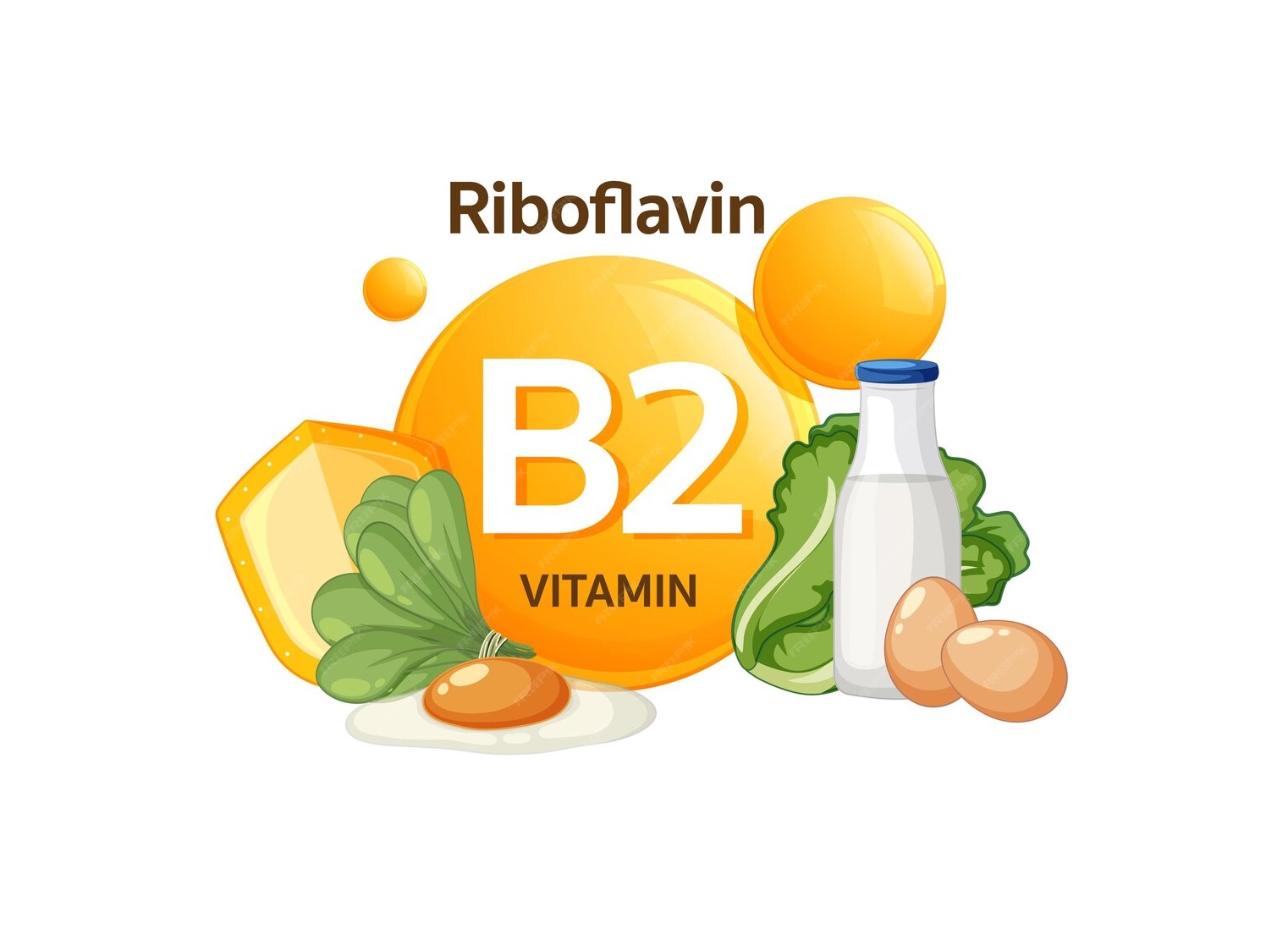
Quick Answer: Vitamin B2 (riboflavin) is an essential water‑soluble B vitamin that helps convert food into energy, supports normal vision, protects cells from oxidative stress and contributes to healthy skin and nerves. Deficiency is treatable with diet and, when needed, targeted vitamin B2 supplements.
🎯 Key Takeaways
- ✓ Vitamin B2 (riboflavin) is vital for energy production, red blood cell formation, normal vision and protection against oxidative stress.
- ✓ The NHS recommends around 1.3mg per day for adult men and 1.1mg for adult women, with higher needs in pregnancy and breastfeeding.
- ✓ Low riboflavin status can cause fatigue, mouth cracks, sore tongue, light sensitivity and may worsen migraine or anaemia risk.
- ✓ A balanced diet plus appropriately dosed vitamin B2 supplements, where indicated, safely restores levels in most people.
Editorial Note: This article provides general information on vitamin B2 and nutrition. It is not a substitute for personalised medical advice. Always consult your GP or a qualified healthcare professional before starting any new supplement, especially if you have existing health conditions or take medication.
Introduction
Vitamin B2, also known as riboflavin, is one of the core B vitamins your body relies on every day to turn food into usable energy. Although many people focus on vitamin B12 or vitamin D, insufficient vitamin B2 can quietly contribute to fatigue, eye strain, skin problems and even anaemia in the long term.
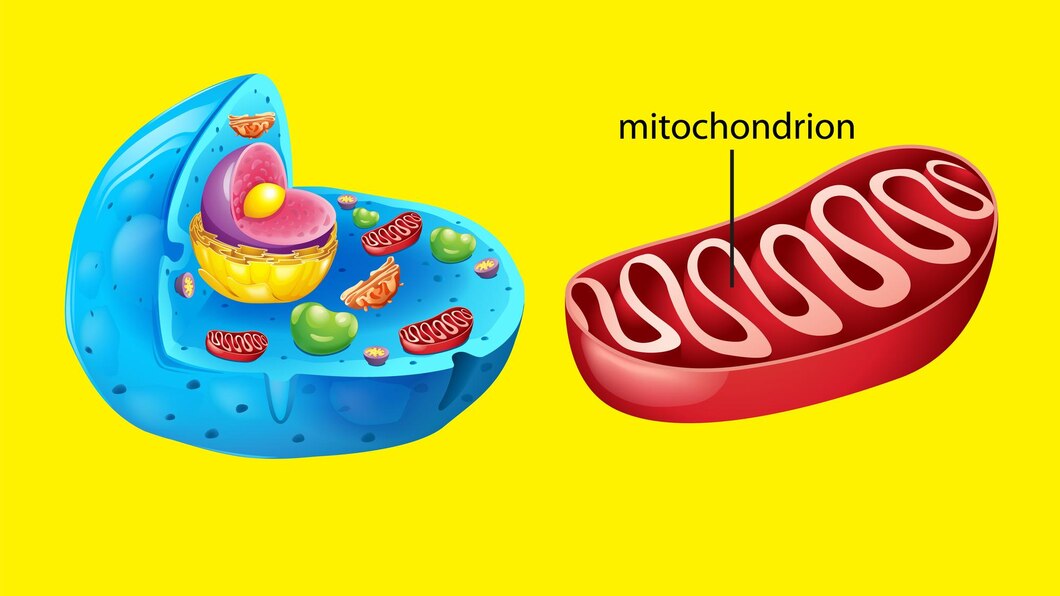
This water‑soluble nutrient acts as a cofactor in dozens of metabolic reactions, particularly within the mitochondria where ATP is produced. It also helps recycle other antioxidants such as glutathione, giving vitamin B2 an important role in cellular protection. If you are already exploring vitamins for energy and tiredness, riboflavin deserves a place on your shortlist.
In this expert guide you will learn what vitamin B2 is, how it works in the body, evidence‑based benefits, recommended daily intake, deficiency signs, potential risks of high doses and when supplements can be useful. We will also highlight practical food sources and two carefully selected vitamin B2 products available in the UK.

What Is Vitamin B2?
Vitamin B2 is a water‑soluble B vitamin scientifically known as riboflavin. According to the NHS, it helps keep skin, eyes and the nervous system healthy and is involved in the body’s energy‑producing processes. Because you cannot store large amounts, regular dietary intake is essential.
Riboflavin is converted into two active coenzymes: flavin mononucleotide (FMN) and flavin adenine dinucleotide (FAD). These flavoproteins are embedded in many enzymes that drive oxidation‑reduction reactions—central steps in carbohydrate, fat and protein metabolism. Vitamin B2 also supports normal metabolism of iron, linking it to red blood cell health and oxygen transport.
| Aspect | Food Sources of Riboflavin | Vitamin B2 Supplements |
|---|---|---|
| Typical intake | Variable, depends on diet quality | Precisely dosed (e.g. 25–100mg per tablet) |
| Nutrient synergy | Comes with protein, other B vitamins and minerals | Often combined with other B‑complex vitamins |
| Best for | General health and maintenance | Deficiency, higher therapeutic intakes, migraines |
| Limitations | May be low in restricted or poorly planned diets | Requires adherence; excess is excreted in urine |
How Riboflavin Works in Your Body
Once absorbed in the small intestine, riboflavin is transported in the blood, taken up by cells and converted into FMN and FAD. These coenzymes sit at the heart of the electron transport chain in mitochondria, where they help extract energy from glucose and fatty acids. Without adequate vitamin B2, these reactions become less efficient, and energy production can suffer.
Key Functions:
- Energy metabolism: FMN and FAD are essential for oxidative phosphorylation, helping convert nutrients into ATP for muscles, brain and organs.
- Red blood cell support: Riboflavin participates in iron metabolism and haemoglobin synthesis, indirectly influencing oxygen delivery.
- Antioxidant regeneration: Vitamin B2 helps regenerate glutathione, one of the body’s main antioxidants, protecting cells from oxidative damage.
- Homocysteine regulation: Together with other B vitamins, riboflavin contributes to normal homocysteine levels, which is relevant to cardiovascular health.
Because vitamin B2 is water‑soluble, excess amounts are excreted in urine, often producing the characteristic bright yellow colour seen after higher supplemental doses. This is usually harmless and simply reflects saturation of riboflavin transporters.
Key Vitamin B2 Benefits You Should Know
Research indicates that maintaining optimal riboflavin status offers benefits that go well beyond basic deficiency prevention. Several of these advantages overlap with topics covered in our guides on cardiovascular health and energy‑supporting nutrients. Below are some of the best‑documented vitamin B2 benefits.
1. Supports Energy and Reduces Tiredness
Riboflavin is integral to mitochondrial energy production. Low intake can contribute to generalised fatigue and reduced exercise capacity. Studies in individuals with marginal B‑vitamin status show that correcting insufficiencies, including vitamin B2, improves perceived energy and reduces tiredness during daily activities.
2. Helps Maintain Normal Vision
Vitamin B2 contributes to the maintenance of normal vision and protects ocular tissues from oxidative stress. Observational research links insufficient riboflavin intake with higher risk of cataracts, while adequate levels appear to support lens transparency over time, especially when combined with other antioxidants.
3. Supports Healthy Skin and Mucous Membranes
Deficiency in vitamin B2 is classically associated with cracks at the corners of the mouth (angular cheilitis), sore, red tongue and flaky skin. Ensuring adequate riboflavin intake supports normal structure and turnover of skin and mucous membranes, particularly in combination with other B vitamins and zinc.
4. May Help Reduce Migraine Frequency
Several clinical trials have investigated high‑dose riboflavin (typically 400mg per day) as a preventive therapy for migraine. A review in the journal Headache reports that this vitamin B2 regimen can significantly reduce migraine attack frequency in some adults, likely by supporting mitochondrial energy metabolism in brain cells.
5. Supports Cardiovascular and Anaemia Management Strategies
Riboflavin contributes to normal metabolism of iron and homocysteine, factors that affect cardiovascular and blood health. Research suggests that vitamin B2 supplementation may help lower homocysteine in people with certain genetic variants (MTHFR 677TT), complementing approaches that also use iron supplements or folate where appropriate.
Risks and Considerations
For most people, obtaining vitamin B2 from food and modest‑dose supplements is safe, as excess is excreted in urine. However, there are still important considerations around deficiency, high‑dose use and specific medical conditions.
Signs to Watch For
- Persistent cracking at the corners of the mouth (angular cheilitis)
- Sore, magenta‑coloured tongue and burning sensation in the mouth
- Dry, flaky skin or seborrhoeic‑type rashes around nose and ears
- Red, itchy or light‑sensitive eyes and blurred vision
Who Should Be Careful
- People with malabsorption conditions: Coeliac disease, inflammatory bowel disease or bariatric surgery can impair absorption of vitamin B2 and other nutrients.
- Long‑term users of certain medications: Some antiepileptic drugs and tricyclic antidepressants may alter B‑vitamin metabolism; speak to your prescriber before adding high‑dose riboflavin.
- Individuals with undiagnosed eye symptoms: Do not self‑treat eye pain or sudden vision changes with supplements—urgent assessment is required.
- Those with complex chronic illness: If you have multiple conditions or take several medicines, seek personalised guidance before using high‑dose vitamin B2.
5 Practical Tips for Using Vitamin B2 Wisely
💡 Tip 1: Prioritise Food Sources First
Build a base of riboflavin‑rich foods such as milk, yoghurt, eggs, offal, almonds and green vegetables. This provides a steady background intake of vitamin B2 along with protein and complementary nutrients, allowing supplements to fine‑tune rather than replace dietary intake.
💡 Tip 2: Take Riboflavin with Meals
Vitamin B2 absorbs well with food, especially when some protein and fat are present. Taking your supplement at breakfast or lunch alongside a meal helps support consistent uptake and aligns with natural energy demands throughout the day.
💡 Tip 3: Protect Foods from Light
Riboflavin is sensitive to light, particularly UV. Avoid storing milk or fortified drinks in clear containers in direct sunlight, and keep supplements in opaque packaging. This simple habit helps preserve vitamin B2 content in both foods and capsules.
💡 Tip 4: Combine with a Balanced B‑Complex When Appropriate
Because the B vitamins work synergistically, many people benefit from a balanced B‑complex that includes vitamin B2, B1, B3, B6, folate and B12. This can be especially useful if your diet is inconsistent or you are supporting energy, mood or nervous system health.
💡 Tip 5: Use High Doses for Migraine Only Under Guidance
Migraine prevention studies typically use 400mg riboflavin daily—far above normal dietary intake. Such protocols should be discussed with a GP or neurologist, ideally alongside lifestyle measures and, where appropriate, other evidence‑based supplements.

What Research Shows
The evidence base for riboflavin encompasses deficiency treatment, migraine prevention, cardiovascular risk markers and eye health. While frank deficiency is less common in high‑income countries, suboptimal intakes still appear in certain groups, including older adults and people with restricted diets.
📊 Research Highlights:
- NIH ODS Riboflavin Fact Sheet, 2022: Summarises evidence that vitamin B2 supports energy metabolism, normal vision and red blood cell function with a wide safety margin at typical intakes.
- Headache, 2002: A randomised trial found that 400mg riboflavin daily significantly reduced migraine attack frequency and headache days versus placebo.
- American Journal of Clinical Nutrition, 2012: In individuals with MTHFR 677TT genotype, riboflavin supplementation lowered blood pressure and homocysteine, suggesting cardiovascular relevance.
Limitations of the current literature include relatively small sample sizes in some trials, variability in baseline diet and co‑nutrient status, and limited long‑term outcome data for high‑dose use. Nonetheless, major organisations such as the Mayo Clinic and Harvard Health recognise vitamin B2 as an important, generally safe component of evidence‑based nutrition.
Summary
Vitamin B2 is a fundamental B vitamin that underpins energy production, eye function, skin integrity and red blood cell health. Mild insufficiency may contribute to tiredness, mouth cracks, skin issues and migraine susceptibility, yet is often correctable through diet and appropriate supplementation.
For most adults, eating a riboflavin‑rich diet and, where indicated, adding a well‑formulated supplement is a straightforward way to support overall vitality. If you have persistent symptoms or multiple nutrient concerns, discuss testing and personalised strategies with a healthcare professional before making major changes to your supplement routine.
⚠️ Important: This article is for educational purposes only. Consult your GP or healthcare professional before starting any supplement, especially if you are pregnant, breastfeeding, have medical conditions or take prescription medicines.
Our Top Picks
Based on our research, here are 2 vitamin B2 supplement options worth considering:


How to Choose
- Your goal: Use moderate‑dose vitamin B2 for daily support; consider higher‑dose products only under guidance for specific issues such as migraine.
- Dietary pattern: Vegetarians, vegans and people with low dairy or egg intake may benefit more from supplementation.
- Formulation: Decide between standalone riboflavin and a broader B‑complex, depending on whether you suspect multiple B‑vitamin gaps.
- Budget and quality: Prioritise reputable brands with clear labelling, suitable excipients and, ideally, third‑party testing information.
Frequently Asked Questions
What does vitamin B2 do for the body?
Vitamin B2 helps convert food into energy, supports normal vision, maintains healthy skin and mucous membranes, assists red blood cell formation and contributes to protection of cells from oxidative stress.
How much vitamin B2 do I need each day?
In the UK, adults typically need about 1.1mg per day for women and 1.3mg for men. Requirements increase slightly during pregnancy and breastfeeding; your GP or dietitian can advise on your exact needs.
What are the symptoms of vitamin B2 deficiency?
Riboflavin deficiency can cause cracks at the corners of the mouth, sore tongue, dry or flaky skin, red or light‑sensitive eyes and general fatigue. If you suspect deficiency, ask your GP for assessment instead of self‑diagnosing.
Can vitamin B2 help with migraines?
High‑dose riboflavin (around 400mg daily) has been shown to reduce migraine frequency in some adults. This should only be tried under medical supervision as part of a comprehensive migraine management plan.
Is it safe to take vitamin B2 every day?
At typical supplement doses, vitamin B2 is considered very safe, and excess is excreted in urine. For long‑term high‑dose use, particularly if you take other medicines, discuss the plan with your GP first.
Which other nutrients work well with vitamin B2?
Riboflavin works closely with other B vitamins, iron and magnesium in energy and blood health. For broader support you may also find our guide to vitamins for energy useful.
Sources
This article is based on peer-reviewed research and authoritative health sources:
✅ Why You Can Trust This Article
- Written by: Arsim Rama
- Research-backed: All claims supported by peer-reviewed sources and clinical guidelines
- Regularly updated: Content reviewed every 12 months for new evidence
- Editorial independence: Product recommendations are based on merit, not sponsorship
- Customer trust: See our Trustpilot reviews
Last reviewed: January 2025. Next review: January 2026.
© 2025 Paulinna. All rights reserved.
⚠️ Disclosure: This article contains affiliate links. If you purchase through these links, we may earn a small commission at no extra cost to you.