
Quick Answer: Calcium supplements support bone density, muscle function, and nerve transmission. Adults need 700mg daily (UK guidelines), ideally from food first. When supplementing, calcium citrate offers better absorption than carbonate, especially when taken without food.
🎯 Key Takeaways
- ✓ 99% of your body’s calcium resides in bones and teeth, making adequate intake essential for skeletal health throughout life
- ✓ Calcium absorption requires vitamin D—without it, your body absorbs only 10-15% of dietary calcium versus 30-40% with adequate vitamin D
- ✓ Split doses of 500mg or less maximise absorption; taking more at once reduces efficiency significantly
- ✓ Excessive calcium supplementation may increase kidney stone risk and potentially cardiovascular concerns—balance is key
Editorial Note: This article provides general health information based on scientific research. It is not intended as medical advice. Always consult your GP or a qualified healthcare professional before starting calcium supplements, particularly if you have kidney disease, heart conditions, or take medications.
📖 In This Article
Introduction
Calcium supplements remain among the most widely used nutritional products in the UK, with millions of adults taking them to support bone health. According to the NHS, adults need 700mg of calcium daily—yet surveys suggest a significant portion of the population falls short through diet alone. This gap becomes particularly concerning for postmenopausal women, older adults, and those following restrictive diets.
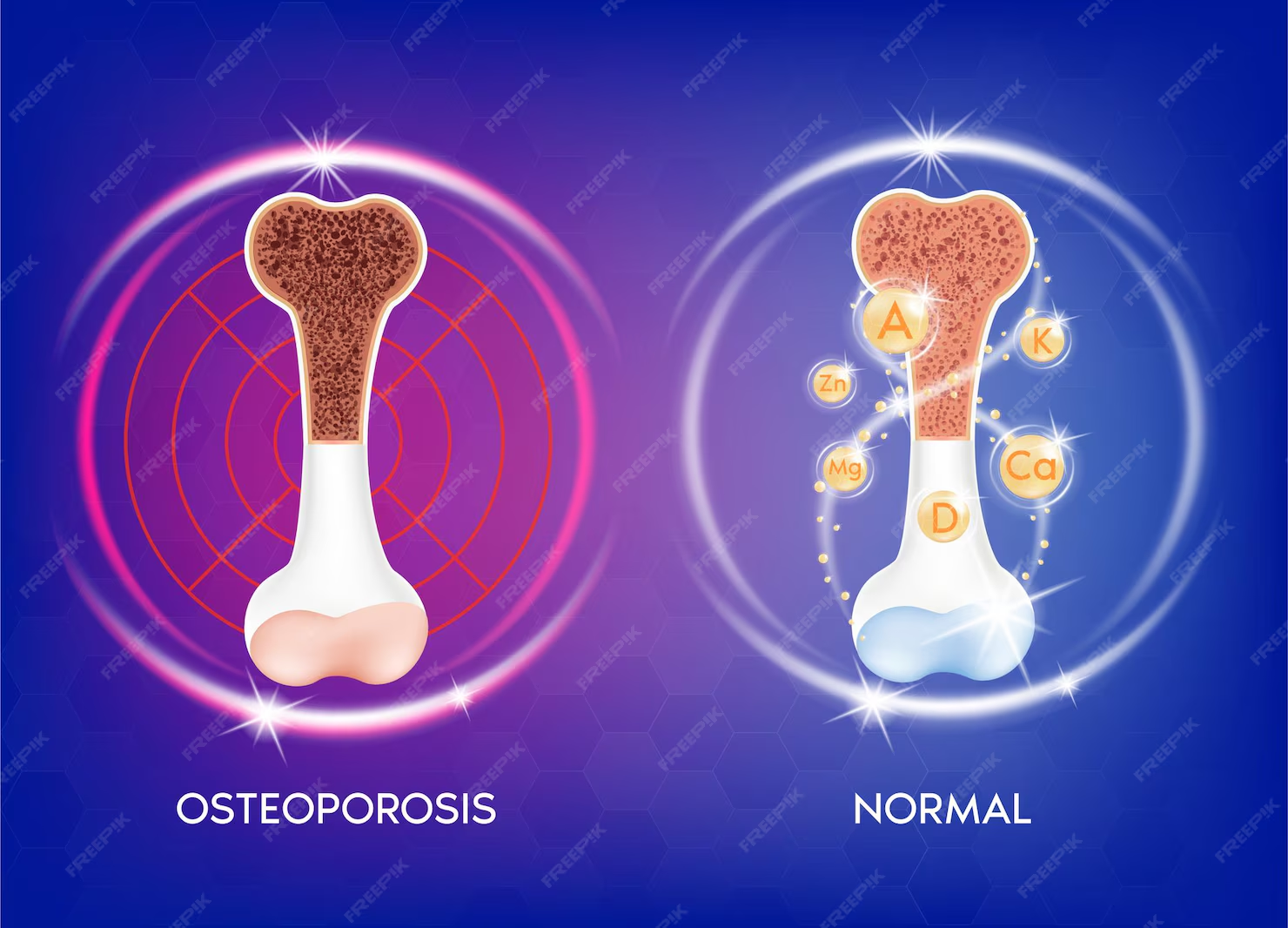
Calcium does far more than build bones. This mineral participates in muscle contractions, blood clotting, nerve signalling, and hormone secretion. When dietary intake proves insufficient, your body withdraws calcium from bones to maintain these vital functions—a process that, over time, weakens skeletal structure and increases fracture risk.
This guide provides everything you need to know about calcium: its physiological roles, proven benefits, potential side effects, and practical strategies for optimal supplementation. Whether you’re considering calcium for the first time or looking to optimise your current approach, you’ll find evidence-based guidance here. For those interested in bone-supporting nutrients, our vitamin D3 guide covers calcium’s essential partner nutrient.
What Is Calcium Complex?
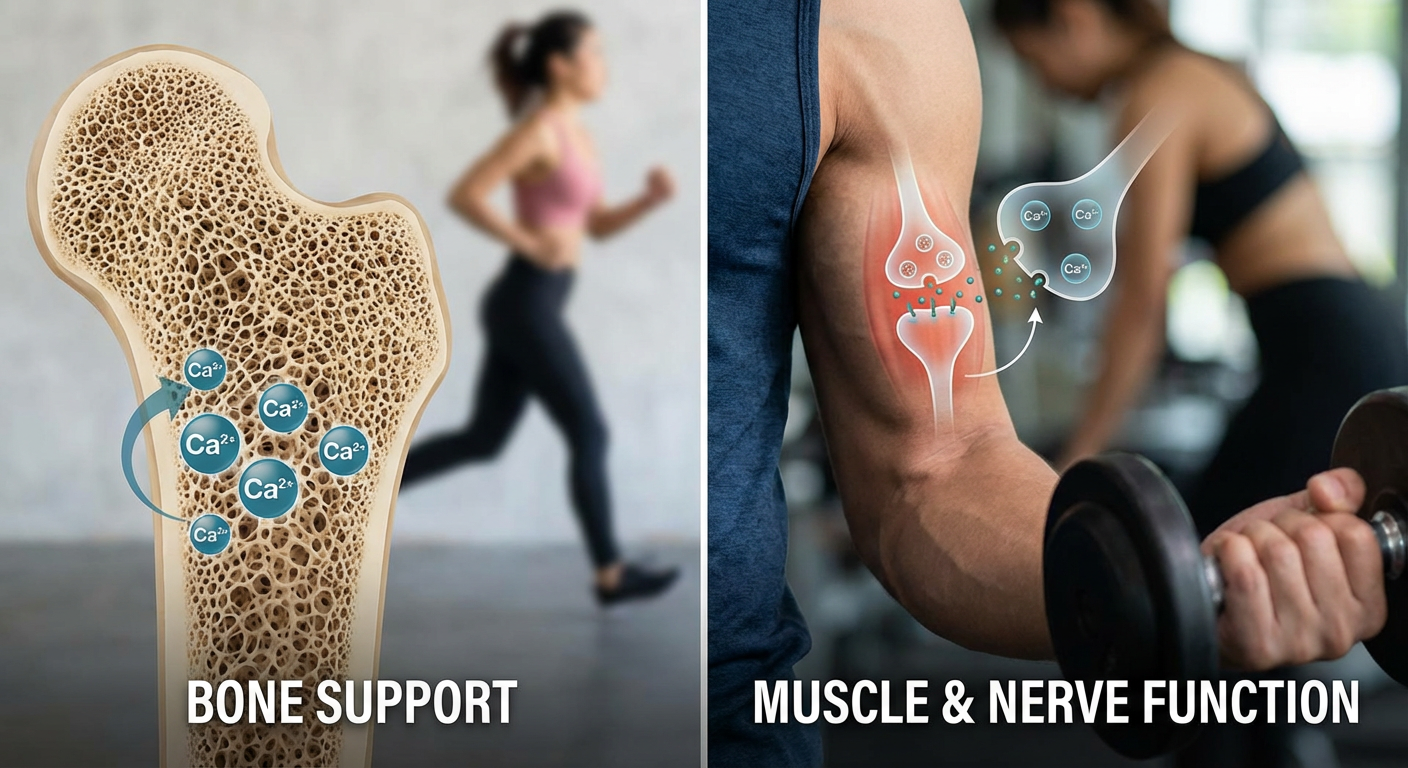
Calcium is the most abundant mineral in the human body and an essential nutrient that must come from dietary sources. According to the National Institutes of Health, approximately 99% of body calcium resides in bones and teeth, where it provides structural support. The remaining 1% circulates in blood and tissues, enabling muscle contraction, nerve transmission, and cellular signalling.
When people discuss calcium supplements, they’re referring to various calcium compounds—each containing different percentages of elemental calcium. Understanding these differences matters for choosing the right supplement and calculating your actual calcium intake.
| Characteristic | Calcium Carbonate | Calcium Citrate |
|---|---|---|
| Elemental Calcium | 40% (highest) | 21% |
| Requires Food for Absorption | Yes (needs stomach acid) | No (absorbs well on empty stomach) |
| Best For | Those with normal digestion | Older adults, low stomach acid |
| Gastrointestinal Tolerance | May cause constipation, bloating | Generally better tolerated |
How Calcium Works in Your Body
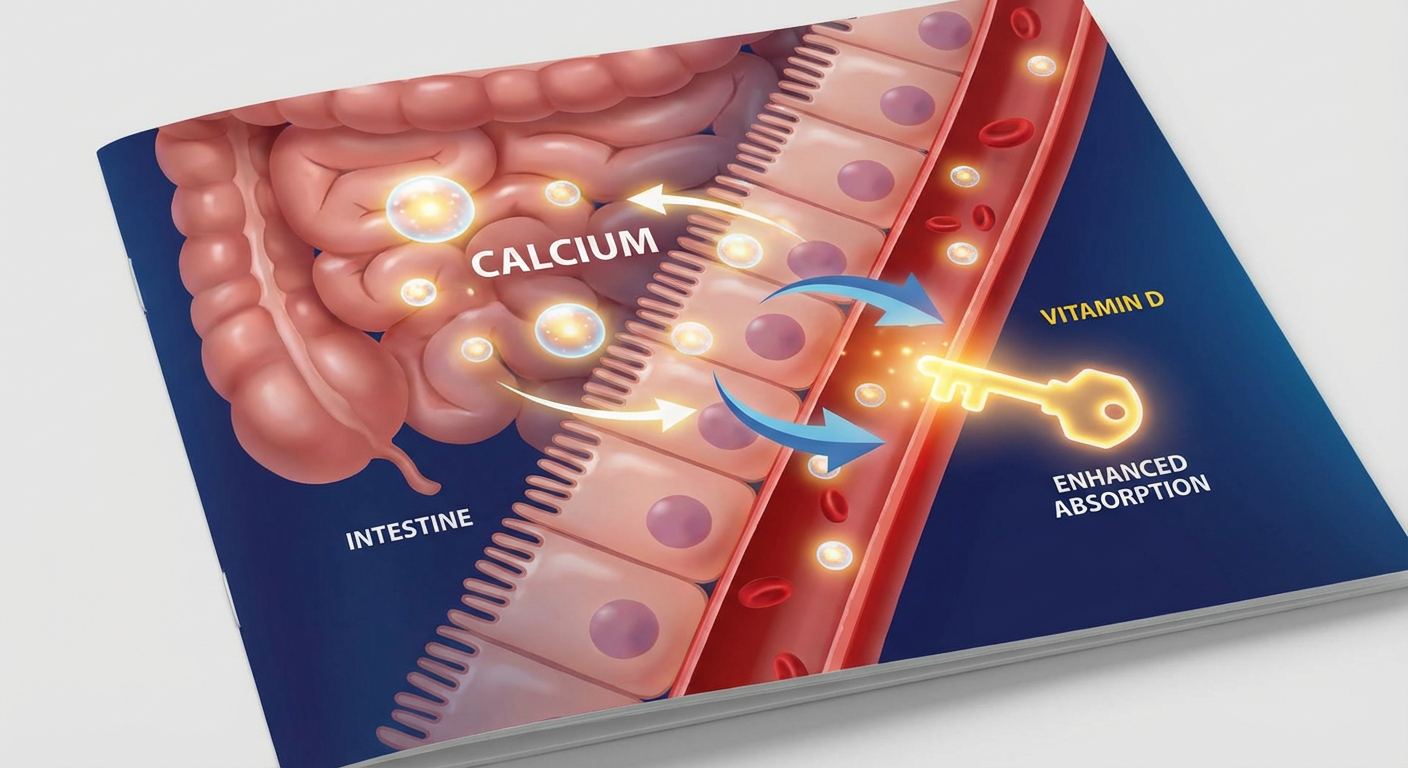
Calcium operates through tightly regulated mechanisms that maintain blood calcium levels within a narrow range. When blood calcium drops, parathyroid hormone (PTH) signals bones to release stored calcium, kidneys to retain calcium, and the gut to absorb more from food. Vitamin D activates this intestinal absorption—without adequate vitamin D, calcium supplementation becomes significantly less effective.
Key Functions of Calcium:
- Bone Formation & Maintenance: Calcium combines with phosphorus to form hydroxyapatite crystals, providing bones with strength and rigidity
- Muscle Contraction: Calcium ions trigger the sliding filament mechanism that allows muscles—including your heart—to contract
- Nerve Transmission: Calcium enables neurons to release neurotransmitters, facilitating communication between nerve cells
- Blood Clotting: Several clotting factors require calcium to function properly, making it essential for wound healing
Peak bone mass typically occurs by age 30. After this point, bone resorption gradually outpaces formation, making consistent calcium intake increasingly important for preserving skeletal density. This process accelerates in women after menopause due to declining oestrogen levels.
Key Benefits of Calcium Supplements
Research supports several benefits of adequate calcium intake, particularly for specific populations. The evidence varies in strength across different outcomes, so understanding what calcium can realistically achieve helps set appropriate expectations. For comprehensive bone support, combining calcium with other minerals can be beneficial—see our magnesium supplementation guide.
1. Supports Bone Density and Reduces Fracture Risk
Calcium supplementation, particularly when combined with vitamin D, helps maintain bone mineral density and reduces fracture risk in older adults. A meta-analysis in The Lancet found that combined calcium and vitamin D supplementation reduced hip fractures by approximately 16% in adults over 50.
2. Supports Healthy Muscle Function
Adequate calcium ensures proper muscle contraction throughout the body, including the heart. Low calcium levels can lead to muscle cramps, spasms, and weakness. Athletes and active individuals may benefit from ensuring optimal calcium status to support performance and recovery.
3. May Support Healthy Blood Pressure
Some evidence suggests calcium intake may modestly lower blood pressure, particularly in individuals with suboptimal intake. The DASH diet, which emphasises calcium-rich foods, consistently demonstrates blood pressure benefits. However, calcium supplements alone show weaker effects than dietary calcium.
4. Supports Dental Health
Calcium forms the primary structural component of tooth enamel and dentine. Adequate intake during childhood and adolescence builds strong teeth, whilst continued consumption helps maintain dental integrity in adulthood. Calcium deficiency can accelerate tooth decay and gum disease progression.
5. Essential During Pregnancy and Lactation
Foetal skeletal development requires substantial calcium, particularly during the third trimester. If maternal intake proves insufficient, the body draws from the mother’s bones to meet foetal needs. Breastfeeding further increases calcium demands, making adequate intake vital for maternal bone health during these periods.
Side Effects and Risks of Calcium Supplements
Whilst calcium supplements benefit many people, they’re not without potential drawbacks. Understanding these risks helps you make informed decisions and recognise when supplementation may require medical supervision.
Common Side Effects to Watch For
- Constipation—the most frequently reported side effect, particularly with calcium carbonate
- Bloating and gas, especially when starting supplementation
- Nausea, typically reduced by taking supplements with food
- Hypercalcaemia symptoms (excessive thirst, frequent urination, confusion) at very high doses
Who Should Be Careful
- Those with kidney stones: Calcium supplements may increase kidney stone risk in susceptible individuals, though dietary calcium actually appears protective
- People with heart conditions: Some studies suggest high-dose calcium supplements might increase cardiovascular risk—discuss with your cardiologist
- Those taking certain medications: Calcium can interfere with absorption of thyroid medications, bisphosphonates, and some antibiotics
- Individuals with hyperparathyroidism: Already elevated calcium levels make supplementation potentially dangerous
5 Expert Tips for Calcium Supplementation
💡 Tip 1: Split Your Doses for Better Absorption
Your body absorbs calcium most efficiently in amounts of 500mg or less. Taking 1000mg at once means you’ll absorb a smaller percentage than splitting into two 500mg doses. Space doses at least 4-6 hours apart—morning and evening works well for most people.
💡 Tip 2: Always Pair Calcium with Vitamin D
Vitamin D dramatically increases calcium absorption—from 10-15% without D to 30-40% with adequate levels. Many calcium supplements now include vitamin D, or you can take them separately. Aim for at least 10-20μg (400-800 IU) of vitamin D daily, more if deficient.
💡 Tip 3: Separate Calcium from Iron and Thyroid Medications
Calcium inhibits iron absorption and can reduce the effectiveness of levothyroxine and other thyroid medications. Take calcium supplements at least 4 hours apart from these medications. Similarly, separate from bisphosphonates for osteoporosis by at least 2 hours.
💡 Tip 4: Choose the Right Form for Your Situation
Calcium carbonate is cheapest and most concentrated but requires stomach acid for absorption—take it with meals. Calcium citrate costs more but absorbs well without food, making it ideal for older adults with reduced stomach acid or those taking acid-reducing medications.
💡 Tip 5: Count Dietary Calcium First
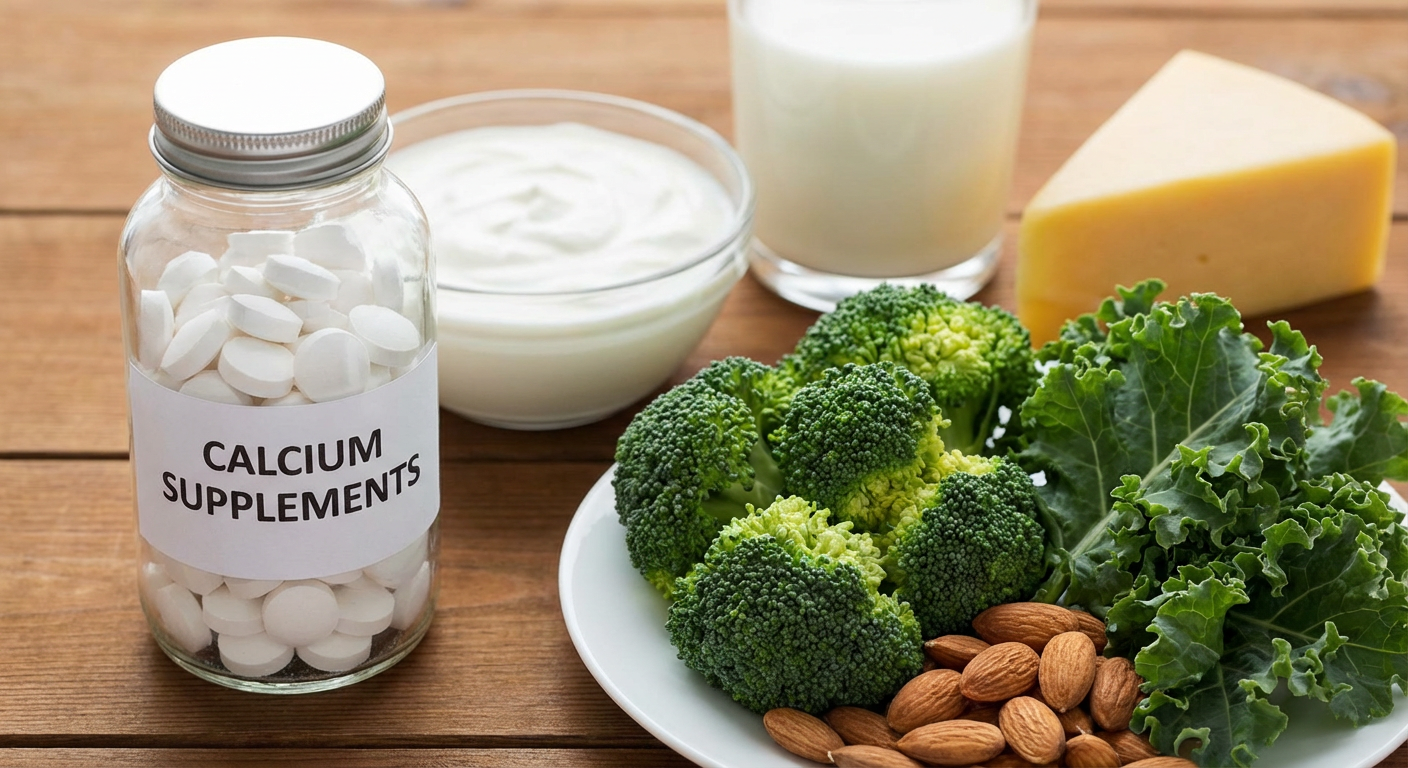
Before supplementing, estimate your dietary intake. A glass of milk provides roughly 300mg, yogurt about 200mg, and a portion of cheese around 200mg. Only supplement the gap between your dietary intake and your daily requirement—oversupplementation offers no additional benefits and increases risks.
What Research Shows About Calcium Supplements
Calcium research spans decades and includes numerous large-scale trials. The evidence supports clear benefits for certain groups whilst raising important questions about universal supplementation.
📊 Research Highlights:
- Weaver et al. (2016) – Lancet Meta-analysis: Combined calcium and vitamin D supplementation reduced hip fractures by 16% and total fractures by 6% in adults over 50
- Bolland et al. (2010) – BMJ: Meta-analysis suggested calcium supplements without vitamin D may increase heart attack risk by 30%—prompting recommendations to favour dietary calcium
- Kahwati et al. (2018) – JAMA: Systematic review found insufficient evidence that calcium supplementation prevents fractures in community-dwelling adults, but confirmed benefits in care home residents
The research picture suggests calcium supplementation benefits specific groups most clearly: older adults in care facilities, those with documented deficiency, and individuals with very low dietary intake. For healthy adults with adequate dietary calcium, supplementation shows less consistent benefits and may carry small risks. The current expert consensus favours food-first approaches, with targeted supplementation where dietary intake proves insufficient.
Summary
Calcium plays essential roles in bone health, muscle function, nerve signalling, and blood clotting. Whilst the UK recommendation stands at 700mg daily, many people fall short through diet alone. Calcium supplements can help bridge this gap, particularly for postmenopausal women, older adults, and those avoiding dairy. The combination of calcium with vitamin D produces the strongest evidence for fracture prevention.
However, calcium supplementation requires a balanced approach. Taking too much offers no additional benefits and may increase risks of kidney stones and potentially cardiovascular events. Choosing the right form, splitting doses appropriately, and timing supplements to avoid medication interactions all contribute to safe and effective use.
⚠️ Important: This article is for educational purposes only. Consult your GP or healthcare professional before starting any supplement, particularly if you have kidney disease, heart conditions, or take prescription medications.
Our Top Calcium Supplement Picks
Based on our research into absorption, formulation quality, and value, here are 3 options worth considering:

How to Choose the Right Calcium Supplement
- Assess your dietary intake first: Calculate how much calcium you get from food before determining supplement needs
- Consider your stomach acid status: Calcium citrate suits older adults or those on acid-reducing medications; carbonate works well for younger people with normal digestion
- Look for vitamin D inclusion: Combined formulas ensure you’re getting both nutrients for optimal absorption and bone benefit
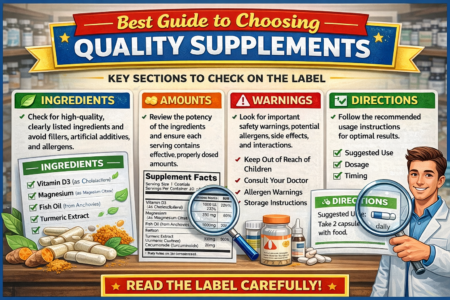
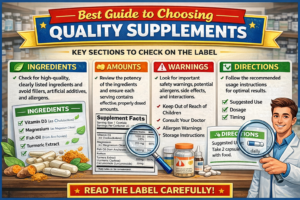
- Check the elemental calcium content: Labels show compound weight, but it’s the elemental calcium that matters for meeting your daily requirement
Frequently Asked Questions
What is the best time to take calcium supplements?
Take calcium carbonate with meals for optimal absorption. Calcium citrate can be taken anytime. Split doses of 500mg or less throughout the day absorb better than single large doses.
Can I take calcium and magnesium together?
Yes, they’re often combined in supplements. High doses may compete slightly for absorption, but typical supplemental amounts work well together. Both minerals support bone health.
How much calcium do I need daily?
UK adults need 700mg daily. Postmenopausal women may benefit from 1000-1200mg. Aim to get most from food—dairy, fortified plant milks, leafy greens, and fish with bones.
Do calcium supplements cause kidney stones?
Supplements may slightly increase risk in susceptible individuals, whilst dietary calcium actually appears protective. Stay hydrated, avoid excessive doses, and consult your GP if you’ve had stones.
Which form of calcium absorbs best?
Calcium citrate absorbs about 22-27% regardless of food or stomach acid. Calcium carbonate absorbs 20-25% but requires stomach acid—take with food. Both forms work well in appropriate circumstances.
Should I take calcium if I’m already taking vitamin D?
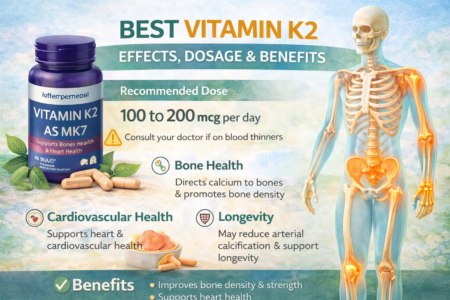
Vitamin D increases calcium absorption but doesn’t replace dietary or supplemental calcium. If your diet lacks calcium, you may still need supplements. See our vitamin K2 guide for the complete bone health picture.
Sources
This article is based on peer-reviewed research:
✅ Why You Can Trust This Article
- Written by: Arsim Rama
- Research-backed: All claims supported by peer-reviewed sources
- Regularly updated: Content reviewed every 12 months
- Editorial independence: Recommendations based on merit
Last reviewed: January 2025. Next review: January 2026.
© 2025 Paulinna. All rights reserved.
⚠️ Disclosure: This article contains affiliate links. If you purchase through these links, we may earn a small commission at no extra cost to you.