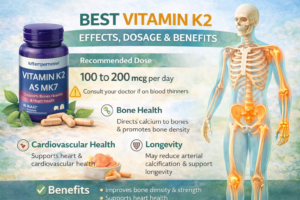

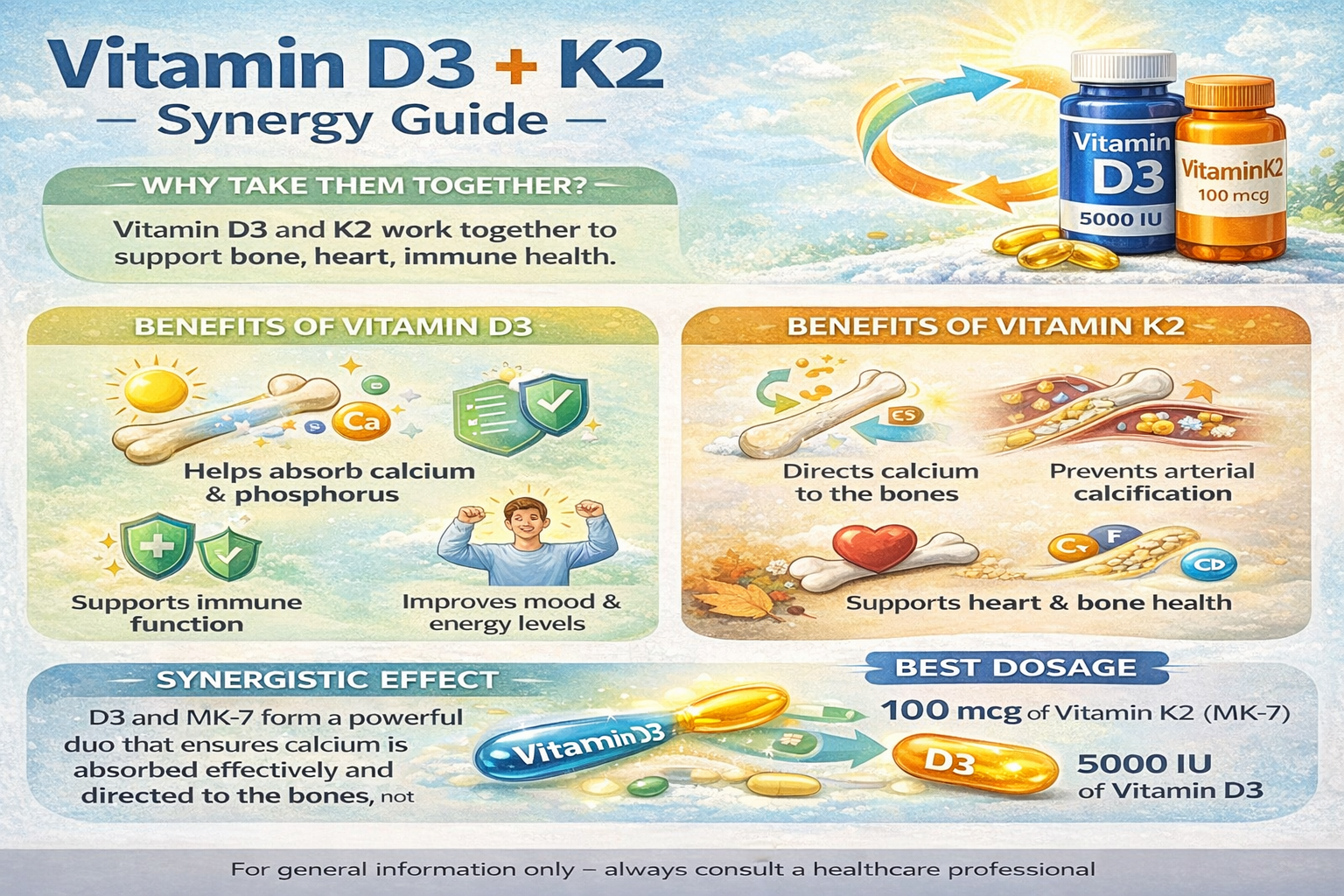
Quick Answer: Vitamin D3 and K2 Synergy work synergistically to optimise calcium metabolism — D3 increases calcium absorption whilst K2 directs calcium to bones and teeth, preventing arterial calcification. Taking them together may enhance bone density, support cardiovascular health, and improve overall vitamin D effectiveness. Most experts recommend combining 1,000–4,000 IU of D3 with 100–200 mcg of K2 (MK-7 form) daily, ideally with a fat-containing meal.
Vitamin D3 and K2 represent one of the most well-documented nutrient synergies in modern nutritional science. Whilst vitamin D3 enhances calcium absorption from your digestive system, vitamin K2 ensures that calcium reaches your bones rather than accumulating in soft tissues like arteries. This complementary relationship has made D3 and K2 combination supplements increasingly popular amongst health-conscious individuals, longevity enthusiasts, and those seeking to support bone and cardiovascular health through targeted nutrition.
🎬 Watch: Learn how vitamin D3 and K2 work together to optimise calcium metabolism and support long-term health.
📜 Prefer reading? Scroll down for the full written guide.
Why Vitamin D3 and K2 Work Better Together
The relationship between vitamin D3 and K2 exemplifies a fundamental principle in nutritional biochemistry: nutrients rarely work in isolation. Vitamin D3 (cholecalciferol) increases your body’s production of calcium-binding proteins and enhances intestinal calcium absorption by up to 30–40%. However, this is only half the story.
Without adequate vitamin K2, increased calcium circulating in your bloodstream may deposit in arteries, kidneys, and other soft tissues rather than strengthening your bones. Vitamin K2 activates two crucial proteins — matrix Gla-protein (MGP) and osteocalcin — that direct calcium to appropriate destinations. MGP prevents arterial calcification by inhibiting calcium deposits in blood vessel walls, whilst osteocalcin binds calcium into bone matrix, improving bone mineralisation.
This synergistic mechanism means that supplementing with D3 alone, particularly at higher doses, may inadvertently increase cardiovascular calcification risk if K2 status is insufficient. Conversely, taking both together creates a complementary system where calcium is efficiently absorbed and properly utilised.
Research suggests this partnership extends beyond calcium metabolism. Emerging evidence indicates that D3 and K2 may work together to support immune function, reduce inflammation, and potentially influence cellular ageing pathways — areas of particular interest in longevity research.
The Science Behind D3 and K2 Synergy
Understanding the biochemical basis of D3 and K2 synergy helps explain why this combination has gained scientific credibility beyond marketing hype. The mechanism centres on vitamin K2-dependent proteins that require carboxylation (activation) to function properly.
When you consume vitamin D3, it converts through several metabolic steps into calcitriol (active vitamin D), which increases production of vitamin K-dependent proteins including osteocalcin and MGP. However, these proteins remain inactive until vitamin K2 provides the carboxyl groups necessary for their activation. Without sufficient K2, these proteins accumulate in their undercarboxylated (inactive) forms, unable to perform their calcium-regulating functions.
Several clinical studies have examined this relationship. A 2015 study published in Osteoporosis International found that postmenopausal women taking vitamin D3 with K2 showed significantly greater improvements in bone mineral density compared to those taking D3 alone. Another investigation demonstrated that combined D3 and K2 supplementation reduced arterial stiffness markers more effectively than either nutrient individually.
The form of vitamin K2 matters considerably. MK-7 (menaquinone-7), derived from fermented foods like natto, has a longer half-life and better bioavailability than MK-4. MK-7 remains active in your system for approximately 72 hours compared to MK-4’s few hours, allowing for sustained activation of K-dependent proteins throughout the day.
From a longevity perspective, this synergy addresses two critical ageing concerns simultaneously: bone loss and vascular calcification. Both conditions accelerate with age and significantly impact healthspan — the period of life spent in good health.
| Combination | Synergy Type | Why It Works | Evidence Level |
|---|---|---|---|
| D3 + K2 (MK-7) | ⚡ Activation | D3 increases production of calcium-binding proteins; K2 activates these proteins to direct calcium to bones and prevent arterial deposits | ⭐⭐⭐ Strong |
| D3 + K2 + Magnesium | 🔗 Cofactor | Magnesium is required for vitamin D activation and supports bone mineralisation; all three nutrients work together in calcium metabolism | ⭐⭐⭐ Strong |
| D3 + K2 + Calcium | 🔄 Absorption | D3 enhances calcium absorption, K2 ensures proper calcium utilisation; particularly beneficial when dietary calcium intake is sufficient | ⭐⭐ Moderate |
| D3 + K2 + Omega-3 | 🛡️ Protection | All fat-soluble nutrients; omega-3s may enhance D3 and K2 absorption whilst providing complementary anti-inflammatory benefits | ⭐⭐ Moderate |
Evidence-Based Benefits of Taking D3 and K2 Together
The combined supplementation of vitamin D3 and K2 offers several well-researched health benefits that extend beyond what either nutrient achieves alone. These benefits are particularly relevant for individuals concerned with healthy ageing, bone health, and cardiovascular function.
Enhanced Bone Mineral Density
Multiple studies demonstrate that D3 and K2 together support bone health more effectively than D3 supplementation alone. A three-year study of postmenopausal women found that those taking combined D3 and K2 maintained bone mineral density at the lumbar spine and hip, whilst the control group showed significant decreases. The K2 component appears crucial for activating osteocalcin, the protein responsible for binding calcium into bone matrix.
Reduced Arterial Calcification Risk
Perhaps the most compelling evidence for D3 and K2 synergy relates to cardiovascular health. Research indicates that higher vitamin K2 intake correlates with reduced arterial calcification and lower cardiovascular disease risk. When combined with D3, K2 activates matrix Gla-protein (MGP), which actively prevents calcium from depositing in arterial walls — a process that contributes to atherosclerosis and arterial stiffness.
A 2015 study in the journal Thrombosis and Haemostasis found that K2 supplementation reduced the progression of coronary artery calcification, whilst improving arterial elasticity. This protective effect becomes particularly important when taking higher doses of vitamin D3, which increases calcium absorption.
Improved Calcium Metabolism
The partnership between D3 and K2 creates an efficient calcium management system. D3 ensures adequate calcium uptake from your diet, whilst K2 directs that calcium to appropriate tissues. This coordinated regulation may reduce the risk of both calcium deficiency (leading to bone loss) and calcium excess in soft tissues (leading to calcification).
Potential Immune and Longevity Benefits
Emerging research suggests both vitamins play roles in immune regulation and cellular health. Vitamin D3 modulates immune cell function and may support healthy inflammatory responses, whilst K2 appears to influence mitochondrial function and potentially cellular energy production. Whilst these effects require further investigation, they align with growing interest in nutrient synergies within longevity and biohacking communities.
✓ Key Takeaways
- D3 and K2 together support bone density more effectively than D3 alone
- K2 helps prevent arterial calcification associated with higher D3 intake
- The combination optimises calcium metabolism for multiple health outcomes
- Benefits appear most pronounced with consistent, long-term supplementation
Optimal Dosages and Ratios
Determining appropriate dosages for vitamin D3 and K2 requires considering individual factors including current nutrient status, sun exposure, dietary intake, age, and health goals. However, evidence-based guidelines can help establish sensible starting points.
Vitamin D3 Dosage
Most research supports vitamin D3 supplementation in the range of 1,000–4,000 IU (25–100 mcg) daily for adults. The UK government recommends 400 IU (10 mcg) daily, though many nutritional experts consider this sufficient only for preventing deficiency rather than achieving optimal status. Vitamin D3 supplementation at 2,000–4,000 IU daily typically raises serum 25(OH)D levels to the 75–125 nmol/L range considered optimal by many practitioners.
Factors increasing vitamin D3 requirements include limited sun exposure, darker skin pigmentation, older age, higher body weight, and living at northern latitudes (such as the UK). Testing your vitamin D status through a 25(OH)D blood test provides the most accurate guidance for individualising dosage.
Vitamin K2 Dosage
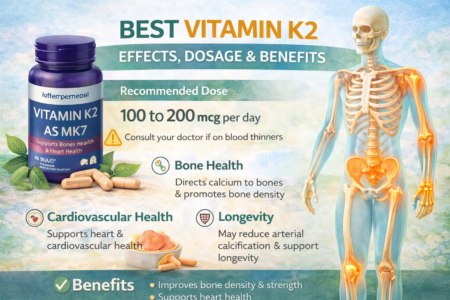
Evidence suggests vitamin K2 (as MK-7) at 100–200 mcg daily effectively supports bone and cardiovascular health. Some studies have used higher doses (up to 360 mcg daily) without adverse effects, though 100–200 mcg appears sufficient for most individuals. The MK-7 form is generally preferred due to superior bioavailability and longer half-life compared to MK-4.
D3 to K2 Ratio
Whilst no universally agreed ratio exists, many combination supplements provide approximately 1,000–2,000 IU of D3 per 100 mcg of K2. This translates to roughly 10–20:1 ratio (D3:K2 in IU:mcg). Some practitioners recommend increasing K2 proportionally with higher D3 doses — for instance, 200 mcg of K2 with 4,000–5,000 IU of D3.
Individual variation matters significantly. Those with existing arterial calcification, cardiovascular disease risk factors, or taking higher doses of vitamin D3 may benefit from proportionally more K2. Conversely, individuals consuming K2-rich fermented foods (natto, certain cheeses) may require less supplemental K2.
⚠️ Important: These dosage ranges represent general guidelines based on current evidence. Individual requirements vary considerably. Consult your GP before starting supplementation, particularly if you take anticoagulant medications, have kidney disease, or have conditions affecting calcium metabolism.
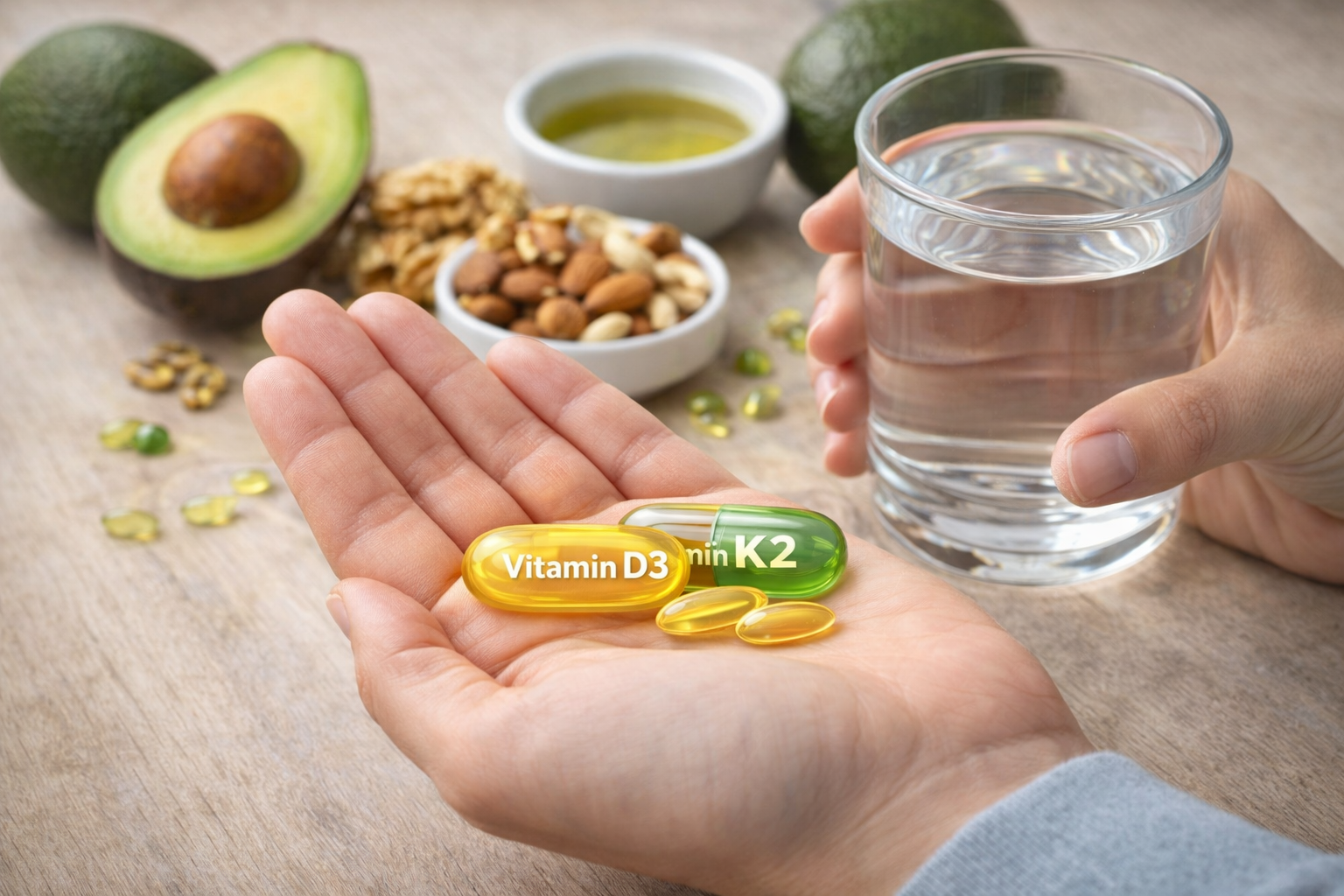
How to take Vitamin D3 and K2 Synergy together
Optimising absorption and effectiveness of vitamin D3 and K2 involves strategic timing and appropriate pairing with complementary nutrients or foods.
Timing and Frequency
Both vitamin D3 and K2 are fat-soluble vitamins, meaning they absorb best when consumed with dietary fats. Taking your D3 and K2 supplement with a meal containing healthy fats — such as eggs, avocado, nuts, olive oil, or fatty fish — significantly enhances bioavailability compared to taking them on an empty stomach.
Morning or midday supplementation often works well, as vitamin D may influence circadian rhythms and energy levels. Some individuals report that evening vitamin D supplementation affects sleep quality, though research on this remains limited. K2 appears less likely to cause timing-related issues.
Once-daily supplementation suits most people, given the long half-lives of these nutrients. However, if taking very high doses of D3 (above 5,000 IU), splitting the dose may improve absorption, though this hasn’t been conclusively demonstrated.
Combination with Other Supplements
Several nutrients complement D3 and K2 supplementation. Magnesium deserves particular attention, as it’s required for converting vitamin D to its active form and supports over 300 enzymatic processes including bone formation. An estimated 50–70% of UK adults consume inadequate magnesium, potentially limiting vitamin D effectiveness.
Calcium supplementation alongside D3 and K2 requires careful consideration. If your dietary calcium intake already meets requirements (700 mg daily in the UK), additional supplemental calcium may be unnecessary and could increase soft tissue calcification risk. However, if dietary calcium is insufficient, combining all three nutrients may be beneficial, with K2 helping direct calcium appropriately.
Omega-3 fatty acids pair well with D3 and K2, both for absorption reasons (all are fat-soluble) and potential synergistic anti-inflammatory effects. Some evidence suggests omega-3s may enhance vitamin D status, though mechanisms remain unclear.
Forms and Formulations
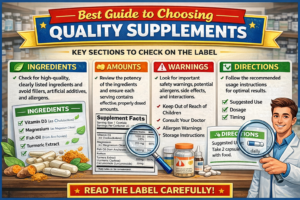
Look for vitamin D3 (cholecalciferol) rather than D2 (ergocalciferol), as D3 raises vitamin D status more effectively. For K2, choose MK-7 (menaquinone-7) over MK-4 for superior bioavailability and sustained activity. Many quality combination products provide D3 with K2 as MK-7 in an oil-based capsule or liquid form to optimise absorption.
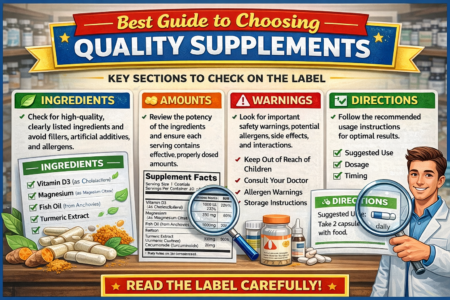
Avoid products with unnecessary additives, fillers, or allergens. Third-party testing for purity and potency provides additional quality assurance, particularly important given variable supplement regulation.
Who Benefits Most From D3 and K2 Supplementation
Whilst many individuals may benefit from vitamin D3 and K2 supplementation, certain groups show particularly compelling reasons to consider this nutrient pairing.
People with Limited Sun Exposure
Anyone living in the UK faces seasonal vitamin D synthesis challenges. Between October and March, the angle of UVB radiation prevents skin vitamin D production at northern latitudes. Those who spend limited time outdoors, work indoor jobs, consistently use sunscreen, or cover their skin for cultural or medical reasons face year-round synthesis challenges. For these individuals, D3 supplementation becomes essential, and K2 helps optimise calcium metabolism resulting from increased D3 intake.
Older Adults
Ageing reduces skin’s capacity to synthesise vitamin D, decreases calcium absorption efficiency, and often correlates with reduced dietary vitamin K2 intake. Simultaneously, bone loss accelerates (particularly in postmenopausal women) and arterial calcification risk increases. These converging factors make D3 and K2 supplementation particularly relevant for adults over 50.
Individuals with Osteoporosis or Osteopenia
Those diagnosed with reduced bone density benefit from comprehensive bone health strategies, of which D3 and K2 supplementation forms one component. Research demonstrates that combining these nutrients with adequate calcium, regular weight-bearing exercise, and appropriate medical management provides superior outcomes compared to single-nutrient approaches.
People Taking High-Dose Vitamin D
If you supplement with vitamin D3 above 2,000 IU daily — whether therapeutically for deficiency or as part of a health optimisation protocol — adding K2 becomes increasingly important. Higher D3 doses significantly increase calcium absorption, raising the theoretical risk of inappropriate calcium deposition without adequate K2 to activate calcium-regulating proteins.
Cardiovascular Disease Prevention
Individuals with cardiovascular disease risk factors (family history, elevated cholesterol, hypertension, diabetes) may benefit from K2’s potential protective effects against arterial calcification. When combined with D3’s immune-modulating and potential anti-inflammatory properties, this pairing supports cardiovascular health through multiple mechanisms.
Longevity and Biohacking Enthusiasts
Those pursuing comprehensive health optimisation and longevity strategies often include D3 and K2 as foundational supplements. The combination addresses two critical aspects of healthspan — maintaining bone strength and vascular health — whilst potentially supporting cellular health through mechanisms still being elucidated. Many longevity-focused supplement protocols combine D3 and K2 with magnesium, omega-3s, and other nutrients targeting age-related decline.
Other Beneficial Pairings to Consider
Beyond the core D3 and K2 synergy, several complementary nutrients can enhance the effectiveness of this foundational pairing, creating more comprehensive support for bone, cardiovascular, and overall health.
Magnesium
Magnesium deserves special mention as perhaps the most important companion nutrient to D3 and K2. It’s required for converting vitamin D to its active form (calcitriol) and serves as a cofactor for over 300 enzymatic reactions, including those involved in bone formation and calcium metabolism. Without adequate magnesium, vitamin D supplementation may be less effective, and some evidence suggests high-dose vitamin D could potentially deplete magnesium stores.
Consider adding 200–400 mg of elemental magnesium daily, preferably as highly bioavailable forms like magnesium glycinate, citrate, or malate. Those experiencing muscle cramps, poor sleep, or stress may benefit from magnesium supplementation alongside their D3 and K2.
Boron
This trace mineral influences vitamin D metabolism and appears to reduce urinary calcium excretion, potentially supporting bone health. Whilst research remains limited, some studies suggest 3–6 mg of boron daily may complement D3 and K2 supplementation for bone density support.
Zinc
Zinc plays roles in bone formation and vitamin D metabolism. Zinc deficiency is relatively common, particularly amongst older adults, and may impair vitamin D function. Moderate zinc supplementation (15–30 mg daily, with copper to maintain appropriate zinc:copper ratio) may enhance the bone health benefits of D3 and K2.
Omega-3 Fatty Acids
EPA and DHA from fish oil or algae supplements provide anti-inflammatory benefits that complement the bone and cardiovascular support from D3 and K2. Additionally, consuming omega-3s with D3 and K2 may enhance fat-soluble vitamin absorption. A combined approach targeting 1,000–2,000 mg of combined EPA and DHA daily works well for most individuals.
Silicon
This lesser-known mineral supports collagen formation and bone mineralisation. Whilst dietary sources (whole grains, green beans) provide silicon, supplemental forms like choline-stabilised orthosilicic acid at 5–10 mg daily may offer additional bone health benefits when combined with D3 and K2.
💡 Tip: Rather than immediately adding multiple supplements, consider starting with the core D3, K2, and magnesium trio. After 8–12 weeks, assess your response and potentially add complementary nutrients based on individual needs and goals. This staged approach helps identify which interventions provide the greatest benefit.
Safety Considerations and Potential Interactions
Whilst vitamin D3 and K2 supplementation is generally well-tolerated, certain individuals should exercise caution, and specific medication interactions require attention.
Vitamin K2 and Anticoagulant Medications
The most significant interaction concern involves vitamin K2 and anticoagulant medications, particularly warfarin (Coumadin). Warfarin works by interfering with vitamin K-dependent clotting factors, and supplemental K2 can reduce warfarin effectiveness, potentially increasing thrombosis risk.
However, the relationship is more nuanced than simple antagonism. Some evidence suggests that maintaining consistent vitamin K2 intake — even whilst taking warfarin — may actually stabilise INR (International Normalised Ratio) values compared to fluctuating K2 intake. Nevertheless, anyone taking warfarin or other vitamin K-antagonist anticoagulants must consult their GP or anticoagulation clinic before starting K2 supplementation.
Newer anticoagulants (direct oral anticoagulants like rivaroxaban, apixaban, dabigatran) don’t work through vitamin K antagonism and theoretically shouldn’t interact with K2. However, limited research exists on this topic, so medical consultation remains advisable.
Vitamin D Toxicity Risk
Vitamin D toxicity, whilst rare, becomes possible with chronic intake exceeding 10,000 IU daily or with very high intermittent doses. Toxicity manifests as hypercalcaemia (elevated blood calcium), potentially causing nausea, vomiting, weakness, and in severe cases, kidney damage. Ironically, adequate vitamin K2 may reduce hypercalcaemia risk associated with high-dose vitamin D by improving calcium regulation.
Most experts consider vitamin D3 supplementation up to 4,000 IU daily safe for long-term use without medical supervision in healthy adults. Higher doses warrant periodic monitoring of serum 25(OH)D and calcium levels.
Kidney Disease
Individuals with chronic kidney disease require careful management of vitamin D and calcium metabolism, as impaired kidney function affects vitamin D activation and calcium balance. Both low and high calcium levels pose risks in kidney disease. Medical supervision is essential before supplementing with D3, K2, or calcium if you have reduced kidney function.
Hypercalcaemia and Calcium-Related Conditions
Conditions causing elevated blood calcium — including primary hyperparathyroidism, certain cancers, and sarcoidosis — represent contraindications for vitamin D supplementation without medical supervision. Vitamin K2 may theoretically benefit some of these conditions by improving calcium regulation, but this requires professional assessment.
Medication Interactions
Several medications may interact with vitamin D3 or affect vitamin D status. Glucocorticoids (prednisone, dexamethasone) can impair calcium absorption and promote bone loss, potentially increasing vitamin D requirements. Certain seizure medications, some cholesterol-lowering drugs, and weight loss medications that block fat absorption may reduce vitamin D and K2 absorption or increase their metabolism.
Always inform your GP and pharmacist about all supplements you take to identify potential interactions.
| Combination | Risk Level | Interaction | Recommendation |
|---|---|---|---|
| D3 + K2 (Standard Doses) | LOW | Synergistic benefits with minimal interaction concerns at recommended doses | Generally safe for most healthy adults |
| K2 + Warfarin | HIGH | K2 may reduce warfarin effectiveness, increasing clotting risk | Consult GP and anticoagulation clinic before supplementing |
| High-Dose D3 (>5,000 IU) Without K2 | MODERATE | Increased calcium absorption without K2 activation may raise soft tissue calcification risk | Add K2 supplementation (100–200 mcg) with higher D3 doses |
| D3 + K2 + Calcium (>1,000 mg) | MODERATE | Very high calcium intake may increase kidney stone or calcification risk in susceptible individuals | Ensure adequate K2; consider total calcium from diet + supplements |
| D3 + K2 During Pregnancy | MODERATE | Both nutrients important for foetal development; excessive vitamin D may pose risks | Use prenatal formulations with appropriate D3 levels; consult midwife or GP |
| K2 + New Anticoagulants (DOACs) | LOW | DOACs don’t work via vitamin K antagonism; theoretical interaction risk low | Likely safe but inform prescribing doctor about supplementation |
🚨 Warning: This information is educational and not a substitute for medical advice. Always consult your GP before starting vitamin D3 and K2 supplementation, particularly if you take medications, have existing health conditions, are pregnant or breastfeeding, or have concerns about appropriate dosing. Regular monitoring of vitamin D status and calcium levels is advisable with long-term supplementation.

Recommended Products
Premium Vitamin D3 + K2 Complex
High-quality combination supplement providing 2,000 IU vitamin D3 with 100 mcg vitamin K2 as MK-7 in an olive oil base for optimal absorption. Suitable for daily bone and cardiovascular support.
- 2,000 IU (50 mcg) vitamin D3 per capsule
- 100 mcg vitamin K2 as menaquinone-7 (MK-7)
- Oil-based softgel for enhanced bioavailability
- Free from common allergens and unnecessary additives
- Third-party tested for purity and potency
High-Strength Vitamin D3 with MK-7 K2
Higher-dose formula for those requiring enhanced vitamin D support or addressing deficiency, combined with proportionally increased K2 for optimal calcium metabolism.
- 4,000 IU (100 mcg) vitamin D3 per capsule
- 200 mcg vitamin K2 as MK-7
- Small, easy-to-swallow capsules
- Vegetarian-friendly formulation
- Manufactured in GMP-certified facility
Frequently Asked Questions
Can I take vitamin D3 and K2 at the same time?
Yes, taking vitamin D3 and K2 together is not only safe but recommended. Both are fat-soluble vitamins that absorb best when consumed with dietary fats, making them ideal companions. Taking them together with a meal containing healthy fats (such as eggs, nuts, avocado, or olive oil) optimises absorption of both nutrients. Many combination supplements provide D3 and K2 in a single capsule specifically to simplify this pairing and ensure you receive both nutrients consistently.
How long does it take to see benefits from D3 and K2 supplementation?
The timeframe varies depending on which benefits you’re measuring and your starting nutrient status. Serum vitamin D levels typically increase within 2–4 weeks of consistent supplementation, reaching steady state after 2–3 months. However, the functional benefits to bone density and cardiovascular health develop more gradually. Studies examining bone mineral density changes typically show measurable improvements after 6–12 months of consistent supplementation. Arterial health markers may show changes within 3–6 months. For optimal results, view D3 and K2 supplementation as a long-term health strategy rather than expecting immediate dramatic changes.
What’s the best ratio of vitamin D3 to K2?
Whilst no universally agreed ratio exists, most evidence-based protocols use approximately 1,000–2,000 IU of vitamin D3 per 100 mcg of vitamin K2, creating a ratio around 10–20:1 (D3 IU to K2 mcg). Some practitioners recommend increasing K2 proportionally with higher D3 doses — for instance, 200 mcg of K2 with 4,000–5,000 IU of D3. Individual factors including age, cardiovascular risk factors, existing arterial calcification, and dietary K2 intake influence optimal ratios. Those taking higher doses of vitamin D3 or with cardiovascular concerns may benefit from proportionally more K2.
Should I take calcium with vitamin D3 and K2?
This depends on your dietary calcium intake. The UK recommended intake is 700 mg daily, achievable through dairy products, fortified plant milks, leafy greens, and other food sources. If your diet provides adequate calcium, additional supplementation may be unnecessary and could potentially increase soft tissue calcification risk despite K2’s protective effects. However, if dietary calcium is insufficient — common amongst those avoiding dairy or following restrictive diets — supplementing with moderate calcium (500–600 mg daily) alongside D3 and K2 may be beneficial. The K2 helps ensure calcium deposits in bones rather than arteries. Consider tracking your dietary calcium intake before adding supplemental calcium.
Is vitamin K2 safe if I’m taking blood thinners?
This requires careful medical supervision. Vitamin K2 can significantly interact with warfarin (Coumadin) and other vitamin K-antagonist anticoagulants, potentially reducing their effectiveness and increasing clotting risk. However, maintaining consistent vitamin K2 intake may actually stabilise INR values compared to fluctuating intake. Never start or stop K2 supplementation whilst taking warfarin without consulting your GP or anticoagulation clinic. Newer direct oral anticoagulants (DOACs like rivaroxaban, apixaban, dabigatran) don’t work through vitamin K antagonism and theoretically shouldn’t interact with K2, but limited research exists. Inform your prescribing doctor about any supplement use.
Can I get enough vitamin K2 from food alone?
Obtaining therapeutic amounts of vitamin K2 from food alone proves challenging for most people following typical Western diets. The richest source is natto (fermented soybeans), providing approximately 1,000 mcg of K2 (as MK-7) per 100g serving — but natto’s strong flavour and unusual texture make it unpalatable to many. Other sources include certain aged cheeses (Gouda, Brie), egg yolks, chicken liver, and fermented foods, but these provide much smaller amounts (typically 5–75 mcg per serving). Achieving the 100–200 mcg daily associated with health benefits in studies would require consuming large quantities of these foods daily. For most individuals, supplementation offers a more practical approach to ensuring adequate K2 intake, particularly when combined with higher-dose vitamin D3.
Final Thoughts
The synergistic relationship between vitamin D3 and K2 represents one of the best-documented nutrient partnerships in nutritional science. Whilst vitamin D3 enhances calcium absorption and supports immune function, vitamin K2 ensures that absorbed calcium reaches bones and teeth rather than accumulating in arteries and soft tissues. This complementary mechanism provides compelling rationale for combining these nutrients, particularly for individuals concerned with bone health, cardiovascular wellness, and healthy ageing.
Research consistently demonstrates that D3 and K2 together support bone mineral density more effectively than D3 alone, whilst potentially reducing arterial calcification risk — a dual benefit that addresses two critical aspects of healthspan. The evidence is particularly strong for postmenopausal women, older adults, those with limited sun exposure, and individuals taking higher doses of vitamin D3.
Practical implementation involves selecting appropriate dosages (typically 1,000–4,000 IU D3 with 100–200 mcg K2 as MK-7), taking supplements with fat-containing meals for optimal absorption, and considering complementary nutrients like magnesium that enhance vitamin D metabolism and bone health. Most importantly, approach supplementation as one component of comprehensive health strategy that includes adequate dietary calcium, regular weight-bearing exercise, and appropriate medical care.
Whilst vitamin D3 and K2 supplementation is generally safe for healthy adults, certain individuals — particularly those taking anticoagulant medications, those with kidney disease, or anyone with conditions affecting calcium metabolism — require medical supervision before supplementing. Testing vitamin D status provides valuable guidance for individualising dosages and monitoring response over time.
As our understanding of nutrient synergies continues to evolve, the D3 and K2 partnership exemplifies how strategic supplementation can support health outcomes more effectively than isolated nutrients. For those seeking evidence-based approaches to supporting bone strength, cardiovascular health, and overall wellness, this combination offers a scientifically grounded foundation worth considering in consultation with your healthcare provider.
Sources
- NHS. “Vitamin D.” NHS Choices. NHS — Vitamin D supplements
- National Institutes of Health Office of Dietary Supplements. “Vitamin D Fact Sheet for Health Professionals.” NIH ODS. NIH ODS — Fact Sheets
- PubMed. “Vitamin D3 and K2 Synergy Research.” PubMed. PubMed — Vitamin D3 K2 Synergy
- Harvard Health Publishing. “Vitamin K2 and Heart Health.” Harvard Health. Harvard Health — Vitamin K2 Heart Health
- Examine.com. “Vitamin K2.” Examine. Examine — Vitamin K2
- Cleveland Clinic. “Calcium Metabolism.” Cleveland Clinic. Cleveland Clinic — Calcium Metabolism
Written by Arsim Rama
Health Content Specialist · Last reviewed: January 2026
Affiliate Disclosure: This article may contain affiliate links. If you purchase through these links, we may earn a small commission at no extra cost to you. We only recommend products we believe in.
Medical Disclaimer: This article is for educational purposes only and does not constitute medical advice. Always consult your GP or qualified healthcare professional before making changes to your health regimen.