




Quick Answer: The best morning routine for a body full of energy is a short, repeatable sequence that supports hydration, light exposure, steady blood sugar, and gentle movement—before you reach for more caffeine. If you wake up tired, focus on “energy stability” (less crashing) rather than intensity. Start with a 20-minute template, then add upgrades on better days.
The best morning routine for a body full of energy is the one that still works when you wake up tired. Instead of chasing a perfect schedule, build a routine that reduces morning grogginess, steadies appetite, and keeps your energy from dipping mid-morning.
This guide is fatigue-aware. That means we’ll cover the basics (hydration, light, movement, breakfast), but we’ll also talk about what to do when you’re drained, stressed, short on sleep, or relying on caffeine. We’ll compare popular routine “types”, show which ones tend to feel best in real life, and include safety notes and when to speak with your GP.
Introduction
Some people wake up feeling switched on. Others need three alarms, two coffees, and sheer willpower just to start the day. If that’s you, you’re not lazy or “bad at routines”. Morning energy is affected by sleep quality, stress, what you ate the day before, hydration, and even whether you see daylight early enough to help your body wake up.
Here’s the good news: you don’t need a long routine to feel better. You need the right order of small actions—like catching the right train instead of sprinting for the last one. In practice, a few minutes of light exposure, water, a protein-and-fibre meal (or a sensible alternative), and gentle movement can make mornings feel steadier for many people.
Also, if you’ve felt persistently exhausted for weeks—or your fatigue comes with dizziness, breathlessness, palpitations, or unusually low mood—it’s worth checking for underlying factors. One possible contributor for some people is low iron. Here’s a practical guide to signs of iron deficiency and what to do (including when to involve your GP).
In the rest of this article, you’ll get a ready-to-use routine, comparisons of popular approaches, and a realistic plan that supports stable energy—not hype.
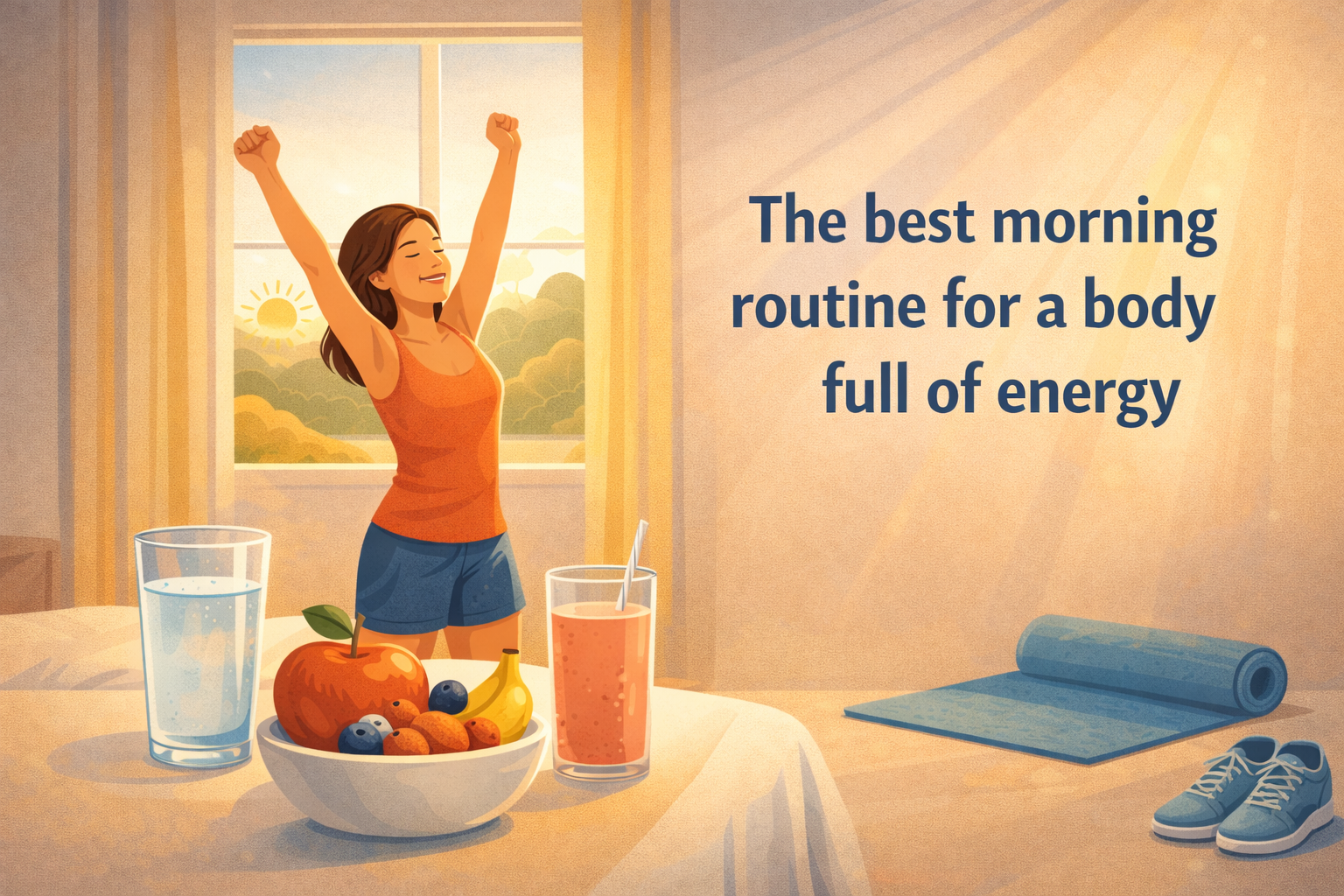
🎬 Watch: A quick walkthrough of a fatigue-friendly best morning routine to support steady energy (plus easy food and movement options).
📜 Prefer reading? Scroll down for the full written routine and comparisons.
What actually creates morning energy (and why you might wake up tired)
If you wake up tired, it’s usually not one thing. It’s a combination of sleep inertia (that heavy, foggy feeling after waking), hydration status, stress hormones, and how steady your blood sugar is after your first meal.
Think of your morning like a delivery system. If you rely on motivation alone, the “package” (your habits) often doesn’t arrive on busy or low-energy days. A better plan is to set up a few repeatable actions that nudge your body into “day mode” with as little effort as possible.
Common reasons mornings feel flat include:
- Short or broken sleep (even if you spent enough time in bed).
- Late-night screens and stimulation, which can make it harder to wind down.
- Dehydration (mild dehydration can still affect how you feel).
- Breakfast that’s mostly sugar, which can lead to a quick spike then a dip for some people.
- High stress, which can blunt appetite, disturb sleep, and increase morning tension.
- Health factors such as low iron, thyroid issues, sleep apnoea, or medication side effects (speak to your GP if fatigue is persistent or worrying).
Now that we’ve covered the “why”, let’s get practical with a routine that targets the highest-impact steps first.
The best morning routine for a body full of energy: the 20-minute template
This routine is designed for energy stability. You’ll start with actions that are easy when you feel tired and build from there. If you only do the first 5 minutes, you’ll still get value.
✓ Key Takeaways
- 0–2 min: light + water (wake your body up gently).
- 2–10 min: easy movement (reduce stiffness and fog).
- 10–20 min: protein + fibre breakfast (or a “good enough” alternative).
- Optional: delay coffee slightly if it makes you crash or feel jittery.
Step 1 (0–2 min): Get daylight and drink water
Open curtains, step outside briefly if you can, and drink a glass of water. Light helps signal morning to your body, and water is a fast win if you wake up dry-mouthed or headachy.
Step 2 (2–10 min): Do gentle movement that “wakes you up”
Choose a short option you’ll actually repeat: a brisk walk, mobility flow, or a few simple bodyweight moves. If you’re tired, aim for “looser and warmer”, not exhausted.
Step 3 (10–20 min): Eat for stable energy (protein + fibre)
A simple breakfast with protein and fibre often helps many people feel steadier. If you’re not hungry, start smaller—something like yoghurt and fruit, a boiled egg and toast, or a smoothie with protein.
💡 Tip: If mornings are chaotic, set up your “delivery system” the night before: water bottle on the counter, breakfast basics visible, and shoes by the door.
Routine types compared: which morning routine is “best” for energy?
People often copy routines built for productivity or fitness goals. If your main problem is low energy, a better match is a routine that supports your body first. Below is a practical comparison of common best morning routine styles.
| Routine Type | Best For | Watch Outs | Energy Rating |
|---|---|---|---|
| Energy-stability (light + water + protein) | Most people, especially fatigue-prone mornings | Needs simple food defaults to stay consistent | ★★★★★ |
| Workout-first | People who feel energised by training | Can backfire with poor sleep or low fuel | ★★★☆☆ |
| Fasted + coffee-only | Some people who prefer later eating | Jitters, reflux, and energy crashes for some | ★★☆☆☆ |
| Meditation-first | Stress-heavy mornings, anxious minds | Still needs movement/food basics for energy | ★★★★☆ |
| “High-output” (cold shower, intense routine) | People who genuinely enjoy intensity | Can spike stress; harder to repeat long-term | ★★★☆☆ |
Verdict: if you wake up tired, the “energy-stability” routine usually wins because it’s repeatable and supports your body without relying on adrenaline.
Pros and cons: popular best morning routine choices
Protein-first breakfast
Often helps steadier energy and fewer cravings for many people.
- Pros: Satiety, stable energy, easier snack control.
- Cons: Needs easy options ready to go.
Coffee immediately on waking
Can feel helpful fast, but it doesn’t suit everyone.
- Pros: Quick alertness, familiar routine.
- Cons: Jitters or crashes for some; may worsen reflux.
Short outdoor walk
A strong “best effort” option on low-energy days.
- Pros: Light + movement supports alertness and mood.
- Cons: Weather and time can be barriers (plan backups).
Intense workout
Works well if you’re already sleeping and fuelling well.
- Pros: Confidence boost, fitness improvements.
- Cons: Can feel worse with poor sleep or fatigue.
How to increase energy naturally in the morning (without relying on caffeine)
Many people use caffeine to replace fundamentals: hydration, food quality, and movement. Caffeine can still be part of your morning, but it works best when it’s not the only tool.
Try these natural “first moves” for tired mornings:
- Light exposure: open curtains, step outside briefly if you can.
- Water: drink a glass early, then another mid-morning.
- Protein + fibre: even a small version can help with steadier appetite.
- Gentle movement: a short walk or mobility reduces stiffness and fog for many people.
If you want a deeper sleep foundation (often the biggest lever), you can build on sleep hygiene basics—especially consistent wind-down cues and realistic screen cut-offs.
Eat, move, or hydrate first? A simple order that works on tired days
If your mornings are low-energy, order matters. Like catching the right train, timing can make the whole routine feel easier.
A simple order many people tolerate well is:
- Hydrate (water first).
- Light (daylight exposure).
- Move (gentle, short, repeatable).
- Eat (protein + fibre or a sensible alternative).
- Caffeine (optional, and ideally not the only strategy).
That said, if you feel nauseous in the morning, start with water and a smaller snack rather than forcing a full meal. Your routine should feel supportive, not punishing.
Breakfast choices that support steady energy (fast, UK-friendly options)
When people want more energy, they often think “more coffee”. A better target is “less crashing”. Breakfast is a helpful place to start because it can shape how steady you feel mid-morning.
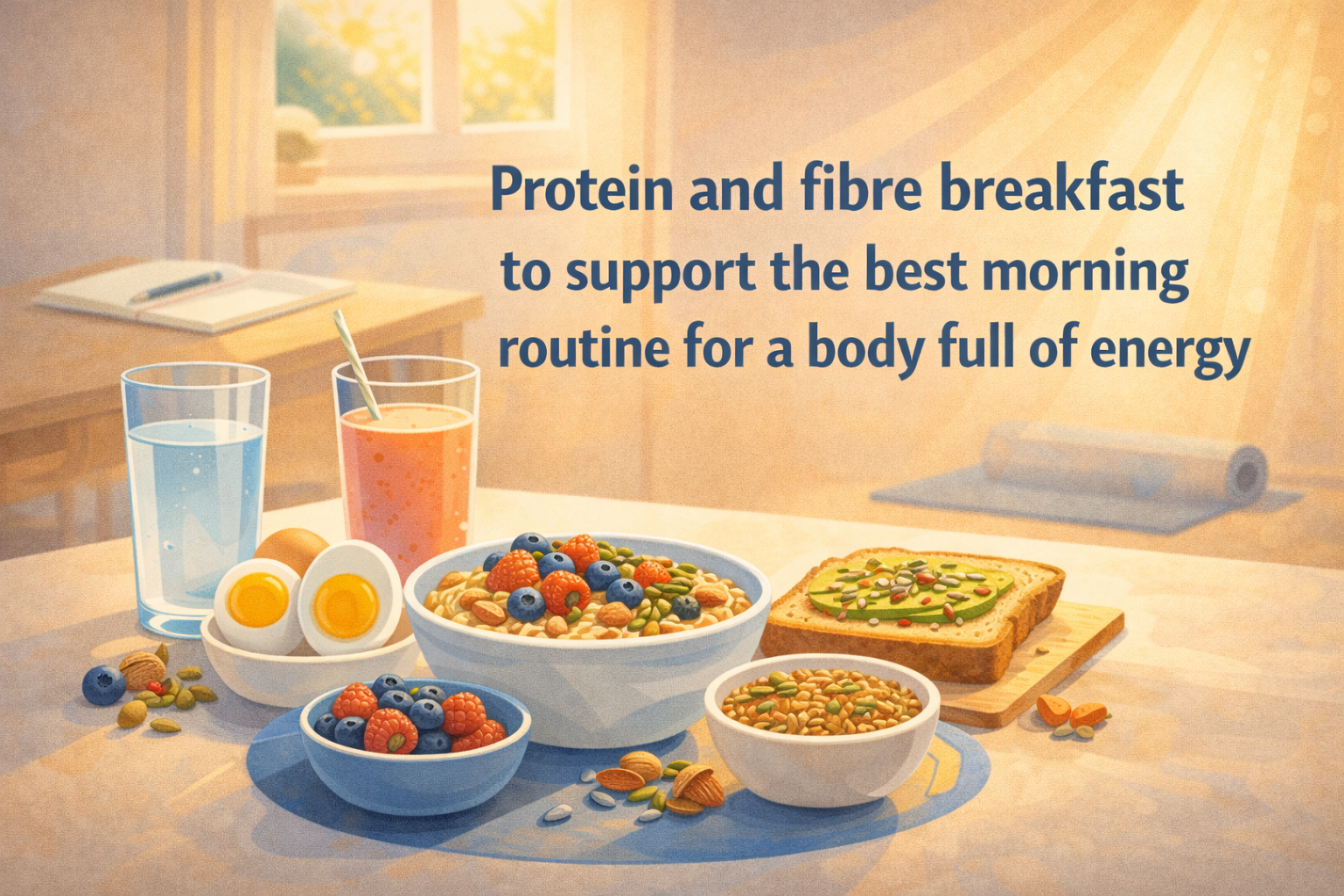
A practical breakfast pattern is protein + fibre, plus some healthy fats if you enjoy them. Examples:
- Greek yoghurt + berries + oats or seeds
- Eggs + wholegrain toast + fruit
- Porridge with milk or yoghurt + nuts + fruit
- Beans on toast with a side of fruit
- Smoothie with protein (yoghurt/milk) + fruit + oats
If you want a dedicated list to rotate through, you can use Paulinna’s healthy breakfast ideas.
Movement that wakes your body up (without draining you)
If you wake up tired, it’s easy to think exercise will make you more tired. Intense workouts can feel that way for some people—especially with poor sleep or low fuel. But gentle movement often has the opposite effect: it can warm you up, reduce stiffness, and help your mind feel clearer.
Start with “movement snacks” you can repeat:
- 5–10 minute brisk walk
- Mobility flow: hips, spine, shoulders
- Bodyweight circuit: squats, wall push-ups, glute bridges
- Stairs for 2–3 minutes (if it feels safe)
If you want a more structured approach, you can build a small plan around morning exercise benefits.
Mental focus without overstimulation (especially if you’re stressed)
Some tired mornings are more “wired and tired” than sleepy. If you wake up tense, your routine should include a short downshift so you don’t start the day already running hot.
Try a 60-second breathing reset: inhale gently for about 4 seconds, exhale for about 6 seconds, and repeat a few times. If you want guidance and options, use breathing exercises for stress.
Habit pairings that work well together (for stable energy)
Some habits reinforce each other. Similar to ingredients in cooking, the combination can feel better than any single habit on its own.
| Combination | Synergy Type | Why It Works | Evidence |
|---|---|---|---|
| Daylight + short walk | ⏱️ Timing | Light and movement can support alertness and help your day-night rhythm feel clearer over time. | ⭐⭐ |
| Protein breakfast + fibre snack plan | 🛡️ Protection | Often supports steadier hunger and fewer energy dips for many people. | ⭐⭐⭐ |
| Water anchor + visible bottle | 🔄 Absorption | An anchor plus visibility improves follow-through when you’re tired. | ⭐ |
| Breathing reset + commute transition | ⚡ Activation | A brief downshift can reduce morning tension and help you start calmer. | ⭐⭐ |
Evidence: ⭐⭐⭐ Strong | ⭐⭐ Moderate | ⭐ Emerging
Evidence Snapshot
| Claim | Evidence Level | Summary |
|---|---|---|
| Protein and fibre can support satiety and steadier appetite | Strong | Diet research often supports protein and fibre for fullness, which may help with more stable eating patterns. |
| Light exposure in the morning can support day-night rhythm | Moderate | Light is a strong cue for circadian timing, though individual response and season matter. |
| Short bouts of movement can still support health when repeated | Moderate | Many studies suggest benefits from accumulated activity across the day, depending on consistency and intensity. |
| Breathing-based downshifts may reduce acute stress for some people | Emerging | Results vary, but many people find short breathing exercises helpful for calming and focus. |
🩺 Expert Note
If you wake up tired most days, build a routine that reduces friction: light + water, gentle movement, and a simple protein-and-fibre breakfast are a strong starting point for many people. If fatigue is persistent, worsening, or linked with breathlessness, dizziness, or low mood, it’s sensible to speak to your GP to check for factors such as iron status, thyroid function, sleep disorders, or medication effects.
Safety Considerations and Precautions
This article is for educational purposes and does not replace medical advice. Most routine changes are low risk, but your context matters. If you are pregnant, have heart disease, diabetes, an eating disorder history, chronic fatigue symptoms, or you take prescription medication, it’s sensible to get personalized guidance.
| Combination | Risk Level | Interaction | Recommendation |
|---|---|---|---|
| Intense workouts + poor sleep + low food intake | HIGH | May raise injury risk and worsen fatigue for some people. | Use gentle movement and prioritize recovery and regular meals. |
| Coffee on an empty stomach + reflux/anxiety tendencies | MODERATE | Can worsen jitters, stomach symptoms, or shaky energy for some people. | Try water and a small snack first, or reduce strength. |
| New exercise routine + dizziness, chest pain, or fainting | HIGH | Could indicate a condition that needs assessment. | Stop and seek urgent medical advice if severe; otherwise speak with a clinician. |
| Gentle walk + balanced breakfast + hydration | LOW | Generally low risk for most people. | A safe baseline routine for many schedules. |
⚠️ Important: If you have persistent fatigue, unusual breathlessness, heavy periods, or symptoms like dizziness and palpitations, speak with your GP. It’s better to check for underlying causes than to assume it’s only lifestyle.
Frequently Asked Questions
What is the best morning routine for energy all day?
A strong option for many people is a short routine that supports stable energy: drink water, get daylight exposure, do 5–10 minutes of gentle movement, then eat a protein-and-fibre breakfast (or a smaller “good enough” version). This routine tends to reduce mid-morning Routine crashes because it supports hydration, appetite stability, and alertness without relying only on caffeine.
How long should a morning routine be?
Long enough to repeat. For most busy adults, 10–20 minutes is realistic and still effective. If you wake up tired, start with 5 minutes (water + light + a brief walk around). You can add “upgrade options” later, but a small routine done daily usually helps more than an ideal routine you rarely manage.
Should I eat breakfast immediately after waking?
Not necessarily. Some people feel best eating soon after waking, while others prefer a bit of time first. If you’re fatigued or prone to energy dips, a protein-and-fibre breakfast within the first couple of hours can help many people feel steadier. If you feel nauseous early, start smaller and build up as your appetite returns.
What should I do first thing in the morning Routine for energy?
If you want the simplest first action, drink water and get light. Then add a small amount of movement, even if it’s only a 5-minute walk or a mobility flow. These steps are easy, low risk for most people, and often help the body shift into “day mode”. Food comes next if you need steadier energy and fewer cravings.
Should you eat or exercise first in the morning Routine?
It depends on your body and your goal. If you wake up tired, gentle movement before food can help you feel more awake without draining you. If you’re doing a harder workout, many people do better with at least a small snack first. If you feel shaky or lightheaded when you exercise fasted, it’s sensible to eat something small before moving.
When should I see a GP about constant low energy?
If fatigue lasts for weeks, worsens, or affects daily life, it’s sensible to speak with a GP—especially if you have symptoms like breathlessness, dizziness, palpitations, heavy periods, low mood, or unexplained weight changes. There are many possible causes (including iron status, thyroid issues, sleep disorders, and medication effects), and it’s safer to check than to guess.
Final Thoughts
The best morning routine for a body full of energy isn’t the flashiest routine online. It’s the one you can repeat when you wake up tired. Start with light + water, add a short burst of gentle movement, and choose a breakfast that supports steady energy (protein + fibre is a solid pattern for many people). If caffeine helps you, keep it—but try not to let it replace the basics.
If your fatigue feels persistent or unusual, don’t just push harder. Use the routine as support, and consider checking common contributors such as iron status—here’s Paulinna’s guide to iron deficiency signs. For calmer starts on stressful days, you can also use Paulinna’s stress breathing guide as a simple add-on.
Sources
- NHS — Fatigue
- NHS — Sleep hygiene
- NHS — Healthy breakfast
- PubMed — Protein, fibre, and satiety
- PubMed — Morning light and circadian rhythm
- Harvard Health — Sleep inertia and morning grogginess
- Cleveland Clinic — Hydration and fatigue
- Examine — Protein breakfast
Written by Arsim Rama
Health Content Specialist · 5+ years in nutrition research
Arsim Rama specialises in translating complex nutrition science into practical, evidence-based guidance. His work focuses on supplement safety, efficacy, and helping readers make informed health decisions.
🩺 Medically Reviewed By: Mavran Todl, Clinical Nutrition Specialist
Last medical review:
Affiliate Disclosure: This article may contain affiliate links. If you purchase through these links, we may earn a small commission at no extra cost to you. We only recommend products we genuinely believe in and have researched thoroughly.
Medical Disclaimer: This article is for educational purposes only and does not constitute medical advice. Always consult your GP or qualified healthcare professional before making changes to your health regimen, especially if you take medications or have existing health conditions.
© 2026 Paulinna. All rights reserved.