
Biotin: The Complete Scientific Guide to Vitamin B7
Medical Disclaimer: This article is intended for informational and educational purposes only. It does not constitute medical advice, diagnosis, or treatment. Biotin supplementation may interact with certain medications and laboratory tests. Always consult a qualified healthcare professional before making changes to your diet or supplement regimen, particularly if you have underlying health conditions or are taking prescription medications.
Last reviewed: January 2025 | Reading time: approximately 14 minutes
Key Takeaways
- Essential coenzyme: Biotin functions as a critical cofactor for five carboxylase enzymes involved in fatty acid synthesis, amino acid catabolism, and gluconeogenesis
- Deficiency is uncommon: True biotin deficiency is rare in healthy individuals but may occur in specific populations including those with genetic disorders, chronic alcoholism, or certain medication use
- Hair, skin, and nail claims require scrutiny: Evidence supporting biotin supplementation for cosmetic benefits in non-deficient individuals remains limited and inconsistent
- Laboratory test interference: High-dose biotin can significantly affect immunoassay results, including thyroid panels and cardiac biomarkers—a clinically important consideration
- Dietary sources are abundant: A balanced diet typically provides adequate biotin through foods such as eggs, organ meats, nuts, seeds, and legumes
Contents
- Introduction
- What Is Biotin?
- Biochemical Mechanisms and Functions
- Physiological Benefits
- Deficiency, Risk Factors, and Considerations
- Practical Recommendations
- Research Evidence and Clinical Studies
- Common Misconceptions
- Summary and Conclusions
- Related Topics
- Frequently Asked Questions
- References and Sources
Introduction
Among the eight B-complex vitamins essential for human health, biotin (Vitamin B7) occupies a distinctive position at the intersection of fundamental metabolism and popular wellness culture. Also historically known as Vitamin H (from the German words Haar and Haut, meaning hair and skin), biotin has garnered considerable attention—and substantial commercial interest—particularly for its purported benefits for hair growth, skin health, and nail strength.
However, the scientific reality is considerably more nuanced than marketing claims might suggest. Whilst biotin undoubtedly performs critical functions in cellular metabolism, the evidence supporting supplementation benefits in non-deficient individuals remains far less robust than commonly perceived. This comprehensive guide examines the biochemistry, clinical evidence, and practical considerations surrounding this essential micronutrient, providing healthcare-informed readers with the knowledge needed to evaluate biotin-related claims critically.
Understanding biotin requires distinguishing between its well-established metabolic functions and the more speculative claims surrounding supplementation. This article synthesises current peer-reviewed research, clinical guidelines, and mechanistic understanding to present an evidence-based perspective on Vitamin B7.
⚕️ Important: The information presented here reflects current scientific understanding and should not replace individualised medical advice. Biotin requirements and supplementation decisions should be discussed with qualified healthcare professionals, particularly for individuals with underlying health conditions.
What Is Biotin?
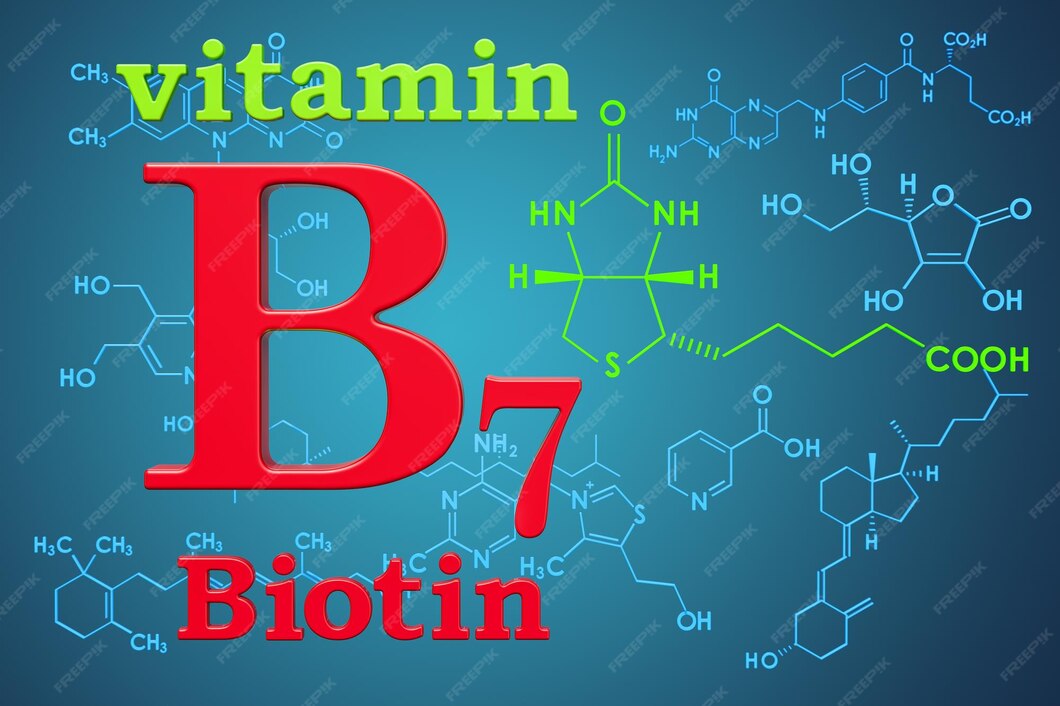
Biotin, designated as Vitamin B7 in contemporary nomenclature, is a water-soluble vitamin belonging to the B-complex family. Its chemical structure comprises a ureido ring fused with a tetrahydrothiophene ring, with a valeric acid substituent attached to one of the ring carbon atoms. This unique bicyclic structure is essential for its biological activity.
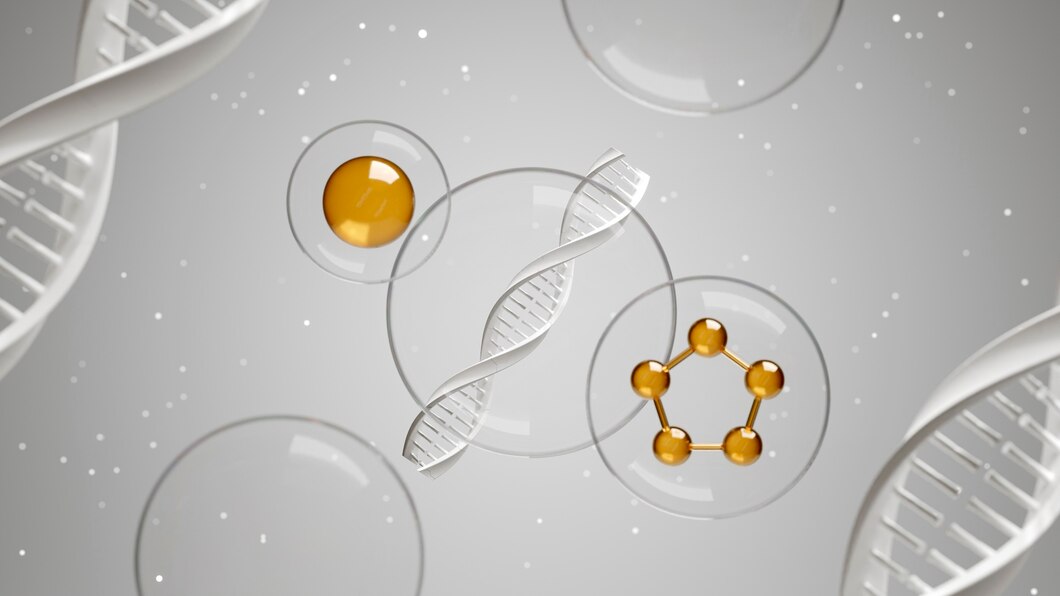
First isolated in 1927 and synthesised in 1943, biotin functions primarily as a covalently-bound prosthetic group for a class of enzymes known as biotin-dependent carboxylases. In humans, five such carboxylases have been identified, each playing crucial roles in intermediary metabolism.
The vitamin exists in eight stereoisomeric forms, but only D-(+)-biotin occurs naturally and possesses full biological activity. Biotin is synthesised by bacteria, fungi, algae, and certain plants, but mammals lack the enzymatic machinery for de novo synthesis and must obtain it through dietary sources or intestinal microbiota production.
Classification and Nomenclature
| Property | Details |
|---|---|
| IUPAC Name | 5-[(3aS,4S,6aR)-2-oxohexahydro-1H-thieno[3,4-d]imidazol-4-yl]pentanoic acid |
| Alternative Names | Vitamin B7, Vitamin H, Coenzyme R |
| Molecular Formula | C₁₀H₁₆N₂O₃S |
| Molecular Weight | 244.31 g/mol |
| Solubility | Water-soluble (220 mg/L at 25°C) |
| Primary Function | Carboxylase enzyme cofactor |
Biochemical Mechanisms and Functions
Biotin’s physiological importance stems from its indispensable role as a prosthetic group for biotin-dependent carboxylases. These enzymes catalyse carboxylation reactions—the transfer of carbon dioxide (CO₂) to organic substrates—which are fundamental to numerous metabolic pathways.
The Five Human Biotin-Dependent Carboxylases
In human physiology, biotin serves as a cofactor for five carboxylases, each with distinct metabolic functions:
- Acetyl-CoA carboxylase 1 (ACC1): Catalyses the rate-limiting step in fatty acid biosynthesis, converting acetyl-CoA to malonyl-CoA in the cytoplasm
- Acetyl-CoA carboxylase 2 (ACC2): Regulates mitochondrial fatty acid oxidation through malonyl-CoA production
- Pyruvate carboxylase (PC): Essential for gluconeogenesis and anaplerotic replenishment of the citric acid cycle
- Propionyl-CoA carboxylase (PCC): Involved in the catabolism of odd-chain fatty acids and certain amino acids
- 3-methylcrotonyl-CoA carboxylase (MCC): Required for leucine catabolism
Biotinylation: The Covalent Attachment Process
For biotin to function, it must be covalently attached to apocarboxylases (the protein portion lacking the cofactor) via a process termed biotinylation. This reaction is catalysed by holocarboxylase synthetase (HCS), which forms an amide bond between biotin’s carboxyl group and a specific lysine residue within the carboxylase.
Conversely, biotinidase cleaves biotin from degraded carboxylases and dietary protein-bound biotin, enabling its recycling and reutilisation. Genetic deficiencies in either HCS or biotinidase result in multiple carboxylase deficiency, a serious metabolic disorder that, if untreated, can lead to severe neurological and developmental consequences.
“Biotin’s metabolic functions extend well beyond hair and nail health—it is fundamental to energy metabolism, fatty acid synthesis, and amino acid processing at the cellular level.”
Non-Carboxylase Functions
Emerging research suggests biotin may have functions beyond its established role as an enzyme cofactor. These include:
- Gene expression regulation: Biotinylation of histones may influence chromatin structure and gene expression
- Cell signalling: Biotin status appears to affect cellular signalling pathways, including those involved in inflammation
- Immune function: Some evidence suggests biotin influences immune cell proliferation and cytokine production
However, these non-carboxylase functions remain an active area of investigation, and their clinical significance in adequately nourished individuals is not yet fully elucidated.
Physiological Benefits
The physiological benefits of adequate biotin status are well-established, though they must be distinguished from the less substantiated claims surrounding supplementation in non-deficient populations.
1. Macronutrient Metabolism
Biotin’s most critical function lies in facilitating the metabolism of all three macronutrients. Through its role in carboxylase enzymes, biotin enables:
- Conversion of pyruvate to oxaloacetate for gluconeogenesis
- The committed step in fatty acid biosynthesis
- Catabolism of branched-chain amino acids (leucine, isoleucine, valine)
- Metabolism of odd-chain fatty acids and cholesterol side-chains
2. Blood Glucose Regulation
Through pyruvate carboxylase, biotin participates in hepatic gluconeogenesis—the synthesis of glucose from non-carbohydrate precursors. Additionally, some research suggests biotin may influence pancreatic beta-cell function and glucose-responsive insulin secretion, though these findings require further validation.
3. Neurological Function
Biotin is essential for normal nervous system function. Deficiency can manifest with neurological symptoms including depression, lethargy, and paraesthesias. The vitamin’s role in myelin synthesis and neurotransmitter production may underlie these effects.
4. Embryonic and Foetal Development
Adequate biotin status during pregnancy appears important for normal embryonic development. Animal studies have demonstrated teratogenic effects of biotin deficiency, and marginal biotin status may be more common during human pregnancy than previously recognised.
5. Keratin-Associated Tissues
The association between biotin and hair, skin, and nail health derives from observations in biotin-deficient states, where dermatological manifestations (including alopecia, seborrhoeic dermatitis, and brittle nails) are prominent symptoms. However, extrapolating these observations to supplementation benefits in non-deficient individuals is not scientifically supported.
6. Cellular Energy Production
By supporting the citric acid cycle through pyruvate carboxylase’s anaplerotic function, biotin indirectly contributes to mitochondrial energy production and cellular ATP generation.
Deficiency, Risk Factors, and Considerations
Understanding biotin deficiency—its causes, manifestations, and populations at risk—is essential for appropriate clinical assessment and management.
Causes of Biotin Deficiency
Primary biotin deficiency from inadequate dietary intake is exceedingly rare in developed nations. Most cases arise from:
| Cause | Mechanism |
|---|---|
| Biotinidase deficiency | Genetic disorder preventing biotin recycling (incidence: ~1:60,000) |
| Holocarboxylase synthetase deficiency | Impaired attachment of biotin to apocarboxylases |
| Prolonged parenteral nutrition | Inadequate biotin provision in TPN formulations |
| Raw egg white consumption | Avidin binds biotin, preventing absorption |
| Chronic alcoholism | Impaired absorption and increased requirements |
| Anticonvulsant medications | Accelerated biotin catabolism |
| Inflammatory bowel disease | Malabsorption and reduced gut bacterial synthesis |
Clinical Manifestations of Deficiency
Biotin deficiency presents with a characteristic constellation of symptoms:
- Dermatological: Periorificial dermatitis (around eyes, nose, mouth), seborrhoeic rash, alopecia (hair loss)
- Neurological: Depression, lethargy, hallucinations, paraesthesias (tingling sensations), hypotonia in infants
- Other: Conjunctivitis, ketoacidosis, organic aciduria
⚠️ Clinical Note: These symptoms are non-specific and may indicate various conditions. Suspected biotin deficiency should be evaluated through appropriate laboratory testing and clinical assessment by a qualified healthcare provider.
Laboratory Test Interference
A critical consideration for individuals taking biotin supplements is the potential for interference with laboratory immunoassays. Many clinical tests utilise biotin-streptavidin binding technology, and high circulating biotin concentrations can produce falsely elevated or decreased results.
Affected tests may include:
- Thyroid function tests (TSH, T3, T4)
- Cardiac troponin (potentially life-threatening implications)
- Certain hormone assays (cortisol, testosterone, parathyroid hormone)
- Tumour markers
- Vitamin D measurements
The FDA has issued safety communications warning of this interference. Individuals taking high-dose biotin supplements should inform their healthcare providers before undergoing laboratory testing and may need to discontinue supplementation for several days prior to testing.
Practical Recommendations
The following evidence-based recommendations can help ensure adequate biotin status whilst avoiding potential pitfalls associated with supplementation.
💡 Tip 1: Prioritise Dietary Sources
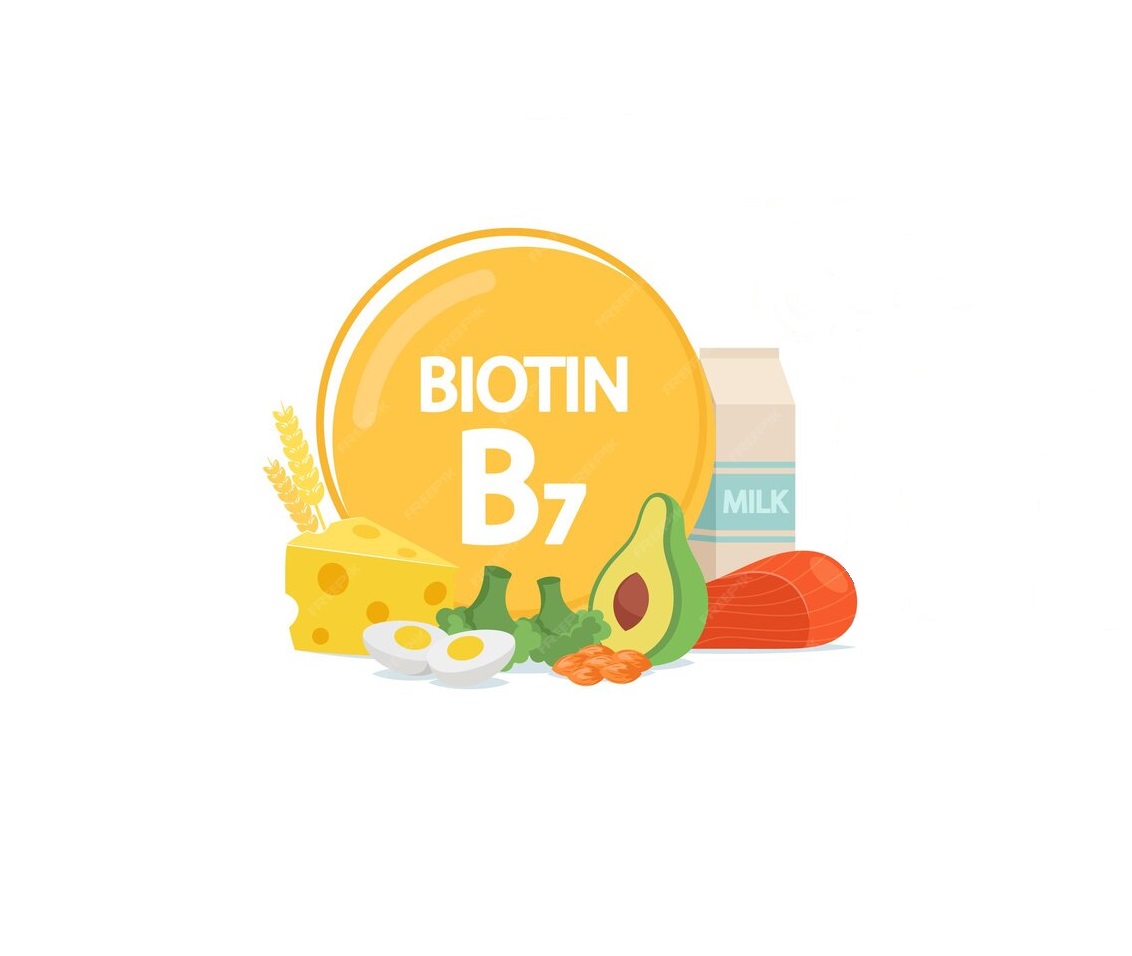
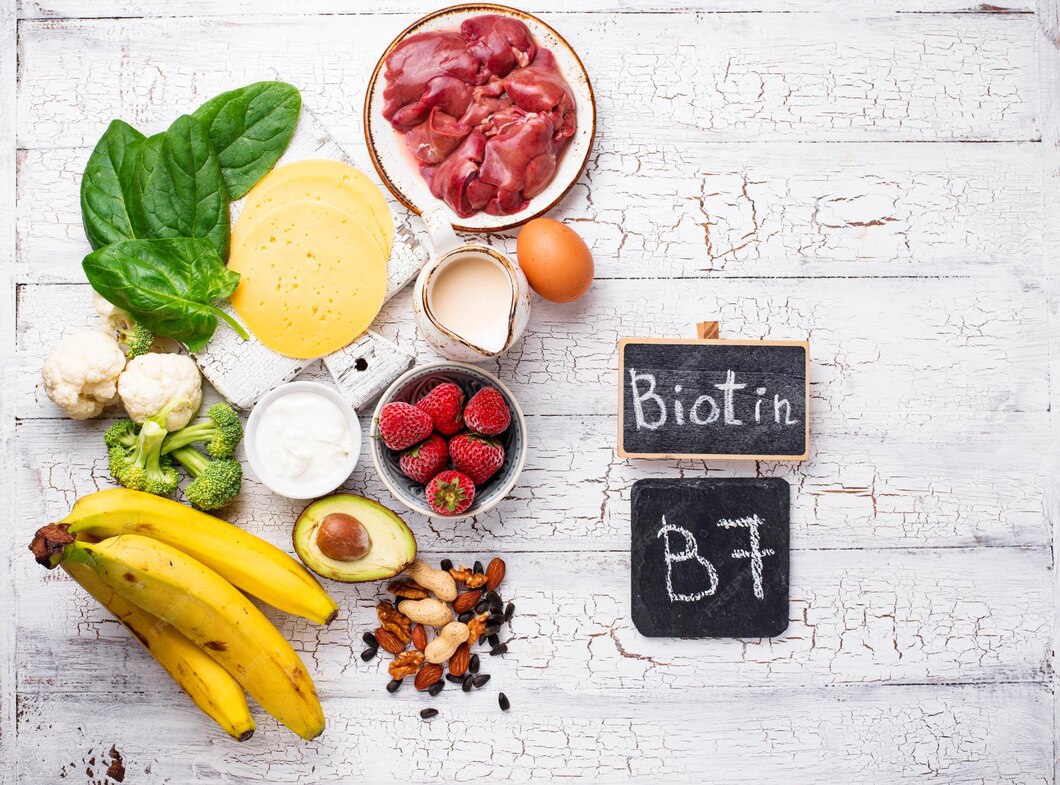
For most individuals, dietary intake provides adequate biotin. Incorporate biotin-rich foods including:
- Cooked eggs (egg yolk contains ~10 µg per yolk)
- Organ meats, particularly liver
- Nuts and seeds (almonds, sunflower seeds, walnuts)
- Legumes (soybeans, peanuts, lentils)
- Whole grains (oats, wheat germ)
- Certain vegetables (sweet potatoes, spinach, broccoli)
💡 Tip 2: Cook Eggs Before Consuming
Raw egg whites contain avidin, a glycoprotein that binds biotin with exceptional affinity (Kd ≈ 10⁻¹⁵ M), preventing intestinal absorption. Cooking denatures avidin, eliminating this anti-nutritional effect. There is no concern with cooked eggs.
💡 Tip 3: Evaluate Supplement Necessity Critically
Before initiating biotin supplementation for hair, skin, or nail concerns, consider whether you fall into a genuine at-risk category for deficiency. Many supplements contain doses vastly exceeding physiological requirements (often 5,000-10,000 µg versus the 30 µg adequate intake), without proportional evidence of benefit.
💡 Tip 4: Disclose Supplement Use to Healthcare Providers
If taking biotin supplements, particularly at doses exceeding 100 µg daily, inform all healthcare providers before undergoing laboratory testing. Request documentation in your medical record and discuss whether temporary discontinuation is advisable before specific tests.
💡 Tip 5: Consider Pregnancy-Specific Needs
Marginal biotin deficiency may be more prevalent during pregnancy than commonly recognised. Pregnant women should discuss their nutritional status with their healthcare provider. Most prenatal supplements contain biotin, though at varying doses.
💡 Tip 6: Be Aware of Medication Interactions
Certain medications may affect biotin status. If taking anticonvulsants (carbamazepine, phenytoin, phenobarbital, primidone), long-term antibiotics, or isotretinoin, discuss biotin status monitoring with your prescribing physician.
💡 Tip 7: Investigate Underlying Causes of Symptoms
Hair loss, brittle nails, or skin issues have numerous potential causes beyond biotin deficiency—including thyroid dysfunction, iron deficiency, hormonal imbalances, and autoimmune conditions. Seek proper diagnostic evaluation rather than assuming biotin supplementation will address these concerns.
Research Evidence and Clinical Studies
A critical examination of the scientific literature reveals important distinctions between established biotin science and the more speculative applications promoted commercially.
Hair Growth and Biotin Supplementation
The most heavily marketed application of biotin supplements—enhancement of hair growth and thickness—has surprisingly limited high-quality evidence supporting it in non-deficient populations.
A systematic review published in the journal Skin Appendage Disorders (2017) examined the available evidence and found that biotin supplementation for hair and nail growth was primarily supported by case reports involving individuals with underlying pathologies or biotin deficiency. Randomised controlled trials in healthy populations with adequate biotin status were notably absent.
The review concluded that whilst biotin deficiency clearly causes hair loss (alopecia), evidence supporting supplementation for hair improvement in non-deficient individuals remained insufficient. This finding is consistent with the broader understanding that correcting a deficiency state differs fundamentally from enhancing function beyond normal physiological parameters.
Brittle Nail Syndrome
Some older studies from the 1990s suggested biotin supplementation (2.5 mg daily) might improve nail thickness and reduce splitting in individuals with brittle nails. However, these studies had methodological limitations including small sample sizes, lack of placebo controls, and subjective outcome measures. More rigorous contemporary trials are needed to substantiate these findings.

Diabetes and Glycaemic Control
Several studies have investigated biotin, often in combination with chromium picolinate, for effects on glycaemic control in type 2 diabetes. A 2006 randomised trial found that biotin-chromium combination improved glycaemic control compared to placebo in poorly controlled type 2 diabetes patients.
However, subsequent research has produced mixed results, and biotin is not currently recommended as a therapeutic intervention for diabetes management by major clinical guidelines. Any consideration of biotin for metabolic purposes should be discussed with an endocrinologist or diabetologist.
Multiple Sclerosis and High-Dose Biotin
Intriguing research has explored very high-dose biotin (100-300 mg daily—far exceeding nutritional doses) as a potential treatment for progressive multiple sclerosis. The rationale involves biotin’s role in fatty acid synthesis and myelin production.
Initial pilot studies showed promising results, with some patients demonstrating disability improvements. However, the pivotal Phase III clinical trial (MS-SPI study, published 2020) failed to meet its primary endpoint, and the investigational product (MD1003) did not receive regulatory approval for this indication. This remains an area of ongoing research interest.
Pregnancy and Marginal Deficiency
Research has demonstrated that biotin catabolism accelerates during pregnancy, and a significant proportion of pregnant women may develop marginal biotin deficiency as assessed by elevated 3-hydroxyisovaleric acid excretion. The clinical implications of this marginal deficiency remain under investigation, but it raises questions about optimal prenatal biotin intake.
📚 Related Research: For those interested in exploring B-vitamin interactions, consider also reading about Vitamin B12 and neurological health and Folate during pregnancy.
Common Misconceptions
Given biotin’s commercial popularity, several misconceptions warrant correction.
Misconception 1: “More Biotin Equals Better Hair and Nails”
Reality: The dose-response relationship for biotin plateaus once adequate status is achieved. Supplementing beyond physiological requirements in non-deficient individuals has not been demonstrated to produce proportional cosmetic benefits. The body excretes excess water-soluble vitamins rather than storing them for enhanced effect.
Misconception 2: “Biotin Deficiency Is Common”
Reality: True biotin deficiency is rare in individuals consuming varied diets without specific risk factors. The wide availability of biotin in foods, combined with intestinal bacterial synthesis, makes isolated dietary deficiency uncommon in developed nations. Self-diagnosing deficiency based on non-specific symptoms is unreliable.
Misconception 3: “Biotin Supplements Are Entirely Harmless”
Reality: Whilst biotin has no established upper intake level and acute toxicity is not reported, high-dose supplementation carries meaningful risks—particularly laboratory test interference. This interference can lead to misdiagnosis or delayed diagnosis of serious conditions, including thyroid disorders and myocardial infarction.
Misconception 4: “Hair Loss Means You Need Biotin”
Reality: Hair loss has numerous aetiologies including androgenetic alopecia, telogen effluvium, thyroid dysfunction, iron deficiency, autoimmune conditions, and medication side effects. Biotin deficiency represents only a small fraction of hair loss cases. Empirical biotin supplementation without proper evaluation may delay identification of treatable underlying causes.
Misconception 5: “Natural Sources Cannot Provide Enough Biotin”
Reality: A varied diet readily provides the adequate intake of 30 µg daily. A single egg yolk provides approximately one-third of this amount; a portion of almonds or peanuts provides similar contributions. Supplementation is unnecessary for most individuals with normal diets and absorption.
Summary and Conclusions
Biotin (Vitamin B7) is an essential micronutrient with well-established roles in human metabolism, serving as an indispensable cofactor for five carboxylase enzymes involved in fatty acid synthesis, gluconeogenesis, and amino acid catabolism. Its physiological importance is beyond question.
However, the evidence base for biotin supplementation benefits in non-deficient individuals—particularly for the cosmetic applications driving commercial interest—remains considerably weaker than marketing suggests. True biotin deficiency, whilst serious when it occurs, is rare in healthy individuals consuming varied diets.
Key considerations include:
- Dietary sources typically provide adequate biotin for most individuals
- Supplementation may be warranted in specific at-risk populations following clinical evaluation
- High-dose supplements can interfere with critical laboratory tests
- Hair, skin, and nail concerns have multiple potential causes warranting proper evaluation
- Evidence supporting supplementation benefits in non-deficient individuals remains limited
⚕️ Final Reminder: This article provides general educational information about biotin and does not constitute medical advice. Individual circumstances vary significantly. Decisions regarding supplementation, particularly for those with health conditions or taking medications, should be made in consultation with qualified healthcare professionals who can evaluate your specific situation.
Related Topics
Frequently Asked Questions
What is the recommended daily intake of biotin for adults?
The adequate intake (AI) for biotin in adults is 30 micrograms per day, according to UK and European guidelines. This represents an estimate rather than a precisely determined requirement, as biotin deficiency is rare in healthy individuals consuming varied diets. The AI is based on observed intakes in healthy populations rather than experimentally derived requirements.
Can biotin supplements genuinely improve hair growth?
Current scientific evidence suggests biotin supplementation may benefit hair growth primarily in individuals with documented biotin deficiency. For those with adequate biotin status, high-quality clinical trials have not consistently demonstrated significant improvements in hair growth or thickness. The evidence base relies largely on case reports involving deficiency correction rather than enhancement beyond normal physiological status.
Does biotin interfere with laboratory blood tests?
Yes, high-dose biotin supplementation can significantly interfere with certain laboratory immunoassays, including thyroid function tests and cardiac troponin measurements. The FDA has issued safety communications warning about this interference, which can lead to falsely elevated or falsely decreased results depending on the assay format. Patients should inform healthcare providers of biotin use before undergoing laboratory testing.
Which foods are the richest natural sources of biotin?
The richest dietary sources include organ meats (particularly liver, providing approximately 30-100 µg per 100g), cooked egg yolks (approximately 10 µg each), nuts and seeds (almonds, sunflower seeds, peanuts), legumes (soybeans, lentils), whole grains (oats, wheat germ), and certain vegetables such as sweet potatoes, spinach, and broccoli.
Who is most at risk of biotin deficiency?
Individuals at elevated risk include those with biotinidase deficiency (a genetic condition), pregnant and breastfeeding women (due to accelerated biotin catabolism), people with chronic alcohol use disorder, those on long-term anticonvulsant therapy (carbamazepine, phenytoin, phenobarbital), individuals receiving prolonged parenteral nutrition, and those with inflammatory bowel conditions affecting nutrient absorption.
Is it possible to consume too much biotin?
Biotin is water-soluble, and excess amounts are typically excreted in urine. No tolerable upper intake level has been established due to lack of observed acute toxicity. However, very high doses can interfere with laboratory tests, potentially leading to clinical mismanagement. Additionally, the long-term effects of mega-dosing (far exceeding physiological needs) remain understudied.
How long does it take for biotin supplementation to show effects?
In cases of genuine deficiency, biochemical improvements may begin within weeks. However, visible changes in hair, skin, or nails typically require 3-6 months of consistent supplementation due to natural growth cycles (hair grows approximately 1cm per month; nails approximately 3mm per month). Individual responses vary considerably, and effects may not be apparent in non-deficient individuals.
Can raw eggs cause biotin deficiency?
Yes, raw egg whites contain avidin, a glycoprotein that binds biotin with exceptionally high affinity, preventing intestinal absorption. Cooking denatures avidin, eliminating this anti-nutritional effect. Regular consumption of large quantities of raw egg whites (approximately 12 or more daily) over extended periods has been documented to induce biotin deficiency. This is not a concern with cooked eggs or raw egg yolks alone.
Does biotin help with blood sugar regulation?
Biotin is a cofactor for pyruvate carboxylase, an enzyme involved in gluconeogenesis. Some preliminary research suggests potential benefits for glycaemic control, particularly in combination with chromium. However, evidence remains limited and inconsistent across studies. Biotin should not replace conventional diabetes management approaches, and any consideration of biotin for metabolic purposes should be discussed with a physician.
Are there drug interactions with biotin supplements?
Certain anticonvulsant medications (carbamazepine, phenytoin, phenobarbital, primidone) may reduce biotin levels through increased catabolism and reduced intestinal absorption. Long-term antibiotic use can affect intestinal bacteria that synthesise biotin. Isotretinoin and related retinoids may affect biotin status. Always consult a healthcare provider about potential interactions with current medications before initiating supplementation.
References and Sources
- National Institutes of Health (NIH) Office of Dietary Supplements – Biotin Fact Sheet for Health Professionals. https://ods.od.nih.gov/factsheets/Biotin-HealthProfessional/
- NHS UK – B Vitamins and Folic Acid. https://www.nhs.uk/conditions/vitamins-and-minerals/vitamin-b/
- U.S. Food and Drug Administration (FDA) – Update: The FDA Warns that Biotin May Interfere with Lab Tests. Safety Communication. https://www.fda.gov/medical-devices/safety-communications/
- Patel DP, Swink SM, Castelo-Soccio L (2017). A Review of the Use of Biotin for Hair Loss. Skin Appendage Disorders. 3(3):166-169. https://pubmed.ncbi.nlm.nih.gov/28879195/
- European Food Safety Authority (EFSA) – Scientific Opinion on Dietary Reference Values for Biotin. EFSA Journal. https://www.efsa.europa.eu/en/efsajournal/pub/3580
- Zempleni J, Wijeratne SS, Hassan YI (2009). Biotin. BioFactors. 35(1):36-46. https://pubmed.ncbi.nlm.nih.gov/19319844/
- Mock DM (2017). Biotin: From Nutrition to Therapeutics. The Journal of Nutrition. 147(8):1487-1492. https://pubmed.ncbi.nlm.nih.gov/28724662/
- Tourbah A, et al. (2016). MD1003 (high-dose biotin) for the treatment of progressive multiple sclerosis: A randomised, double-blind, placebo-controlled study. Multiple Sclerosis Journal. 22(13):1719-1731. https://pubmed.ncbi.nlm.nih.gov/27589059/
All sources were accessed and verified as of January 2025. External links are provided for reference only and do not imply endorsement.