

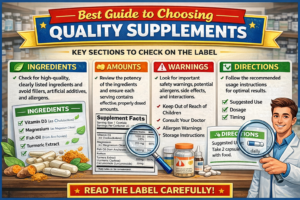

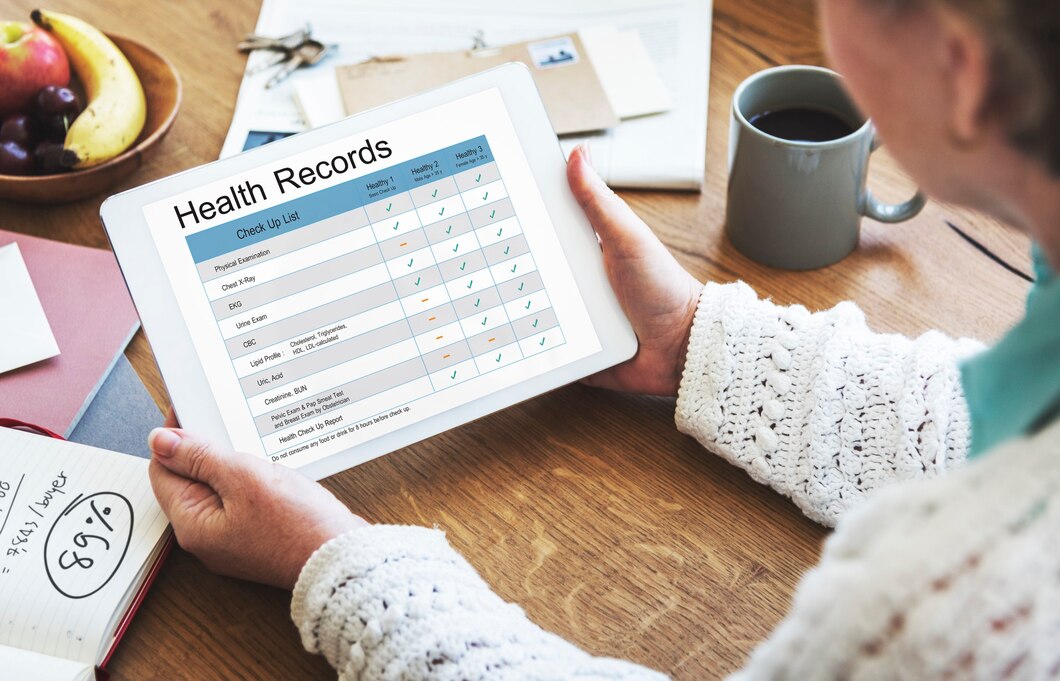
Quick Answer: A personal health assessment is a systematic evaluation of your physical, mental, and lifestyle factors that influence overall wellbeing. Regular self-assessment helps you identify potential concerns early, track progress, and have more productive conversations with healthcare providers.
Key Takeaways
- ✓ Regular health self-evaluation helps identify potential issues before they become serious problems
- ✓ Key areas to monitor include energy levels, sleep quality, digestion, mood, and physical symptoms
- ✓ Self-assessment complements but never replaces professional medical evaluation
- ✓ Tracking your health over time reveals patterns that can guide lifestyle and wellness decisions
Introduction
Understanding your personal health situation is the foundation for making informed decisions about your wellbeing. A personal health assessment gives you a structured approach to evaluating how your body and mind are functioning, helping you identify areas that may need attention. Whether you’re experiencing unexplained symptoms, considering lifestyle changes, or simply want to be more proactive about your health, knowing how to evaluate your current state is an essential skill.
Many people go through life without ever pausing to systematically consider their health status. They react to problems as they arise rather than taking a preventive approach. While regular check-ups with healthcare professionals remain important, developing the ability to assess your own wellbeing between appointments can help you catch potential issues earlier and make better day-to-day choices.
This comprehensive guide will walk you through the key components of evaluating your health situation. We’ll cover physical indicators to monitor, mental and emotional factors to consider, lifestyle elements that influence wellbeing, and practical tools for tracking your progress over time. You’ll also learn to recognise warning signs that warrant professional attention.
By the end of this guide, you’ll have a clearer framework for understanding your current health status and the knowledge to take meaningful action. Remember that self-assessment is a complement to—never a replacement for—professional medical care. When in doubt, always consult a qualified healthcare provider.
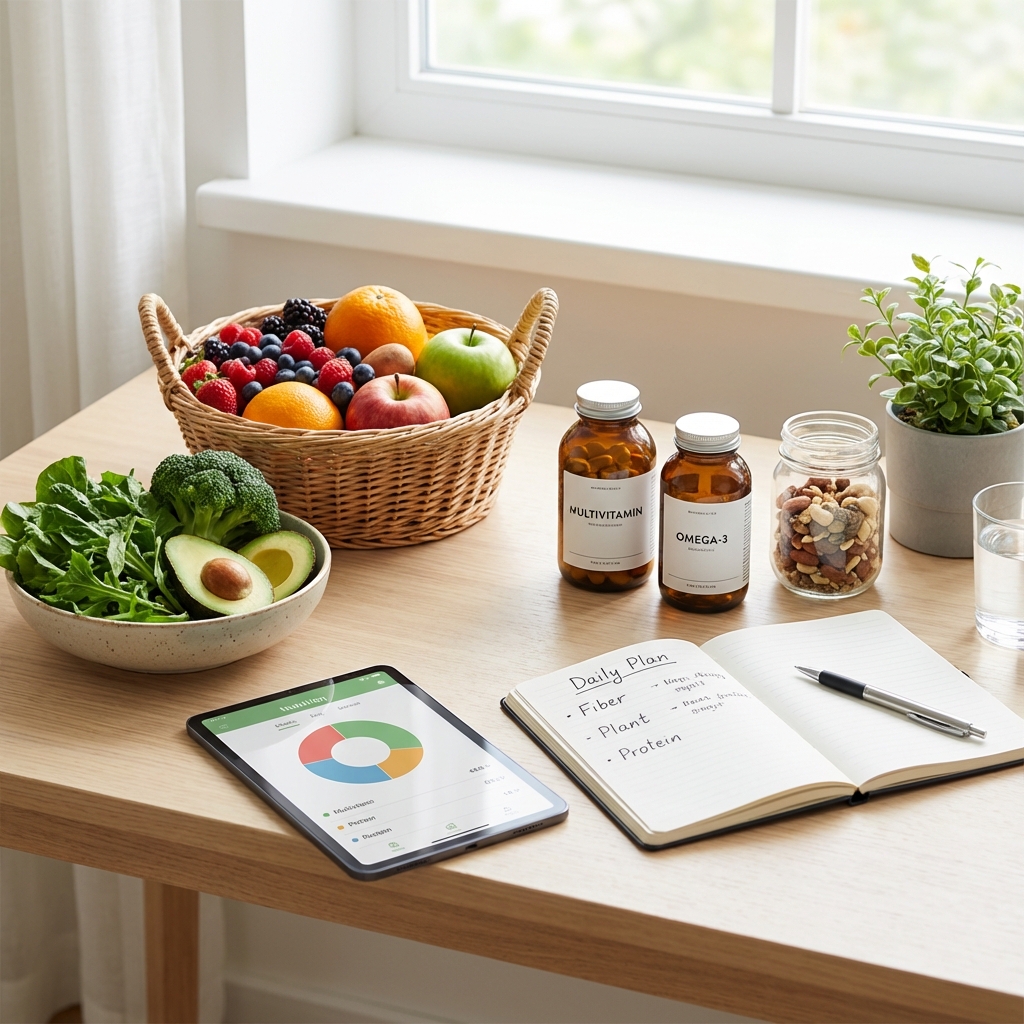
What Is a Personal Health Assessment?
A personal health assessment is a structured process of evaluating various aspects of your physical, mental, and emotional wellbeing. According to the NHS, regular health monitoring and awareness of your body’s signals play important roles in maintaining good health and identifying potential problems early.
This type of self-evaluation typically encompasses several domains: physical health markers like energy levels, sleep quality, and bodily symptoms; mental and emotional factors including mood, stress levels, and cognitive function; lifestyle elements such as diet, exercise, and substance use; and social and environmental considerations that affect overall wellbeing.
The goal isn’t to diagnose medical conditions—that’s the role of trained healthcare professionals. Rather, it’s to develop greater awareness of your body and mind, notice changes from your normal baseline, identify patterns that might indicate areas needing attention, and prepare for more productive conversations with your doctor or other health practitioners.
Health self-evaluation has become increasingly accessible with the availability of home monitoring devices, health tracking apps, and educational resources. However, the fundamental practice requires nothing more than attention, honesty, and consistency in observing and recording your experiences.
How Personal Health Assessment Works
Effective health self-evaluation follows a systematic approach that covers multiple dimensions of wellbeing. Rather than focusing on a single aspect, comprehensive assessment considers how various factors interact and influence your overall health status.
The process typically begins with establishing your baseline—understanding what’s normal for you. Everyone’s body is different, and what represents optimal function for one person may differ from another. By paying attention to your typical energy levels, sleep patterns, digestion, mood, and physical sensations, you create a reference point against which you can measure changes.
Regular monitoring then allows you to notice deviations from this baseline. A sudden drop in energy, persistent sleep difficulties, new or worsening symptoms, or shifts in mood can all signal that something may need attention. The key is distinguishing between normal fluctuations and patterns that warrant concern.
Core Components of Health Self-Evaluation
- Physical assessment: Evaluating energy, sleep, appetite, pain, and bodily functions
- Mental evaluation: Considering mood, stress, concentration, and cognitive clarity
- Lifestyle review: Examining diet, exercise, substance use, and daily habits
- Social consideration: Reflecting on relationships, support systems, and life satisfaction
- Environmental factors: Assessing work conditions, living situation, and exposure to stressors
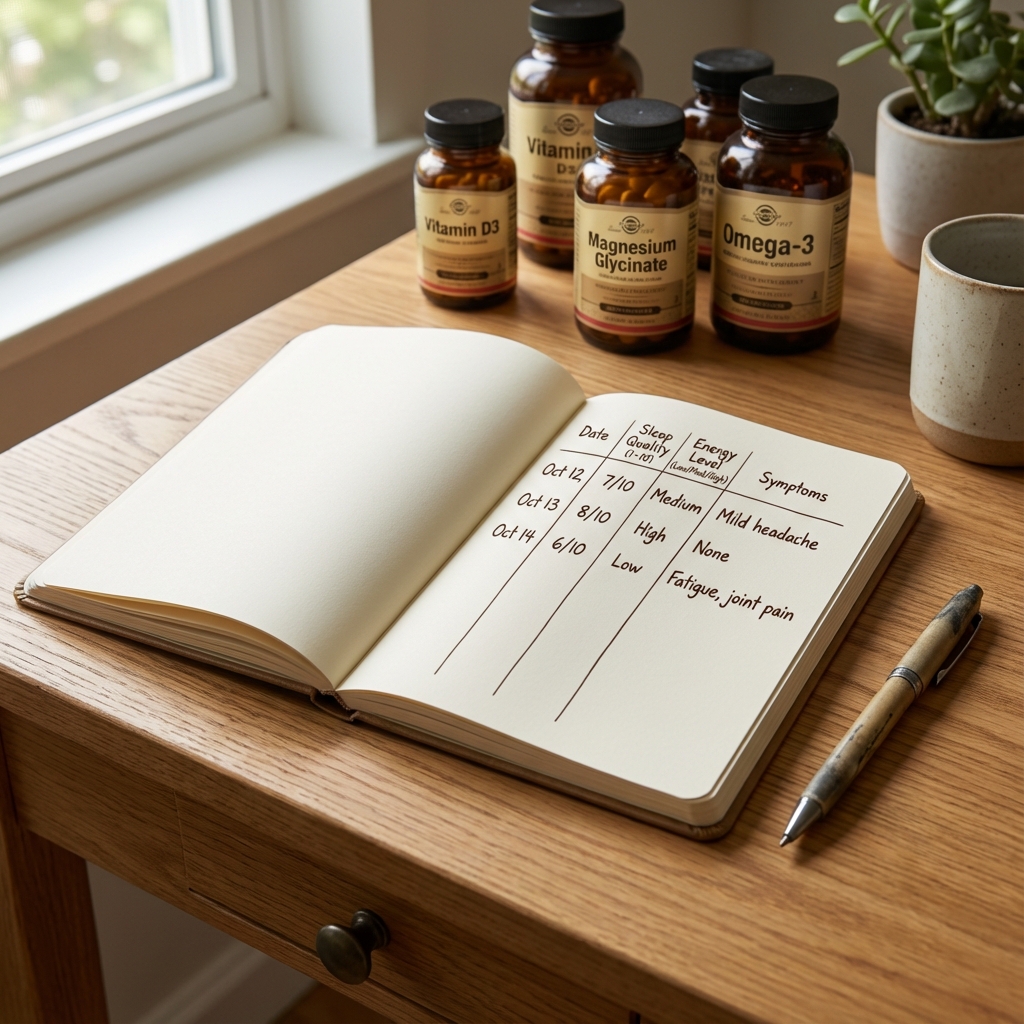
Documentation plays an important role in effective assessment. Whether using a journal, app, or simple notes, recording your observations helps identify patterns over time that might not be obvious day-to-day. This record also provides valuable information to share with healthcare providers when needed.
Key Personal Health Assessment Benefits You Should Know
Understanding why health self-evaluation matters can motivate consistent practice. The benefits extend beyond simply knowing your current status—they influence how you approach your overall wellness journey and interact with the healthcare system.
1. Early Problem Detection
Regular self-monitoring helps you notice subtle changes that might indicate developing health issues. Many conditions are more treatable when caught early, and your awareness of what’s normal for your body positions you to recognise when something is off. This doesn’t mean self-diagnosing—but it does mean being prepared to seek appropriate care promptly.
2. More Productive Medical Appointments
When you’ve been tracking your health, you can provide healthcare providers with specific, detailed information rather than vague complaints. Knowing when symptoms started, what makes them better or worse, and how they’ve changed over time helps doctors make more accurate assessments and recommendations.
3. Informed Lifestyle Decisions
Understanding your current health situation helps you make appropriate choices about diet, exercise, supplements, and other lifestyle factors. Rather than following generic advice, you can tailor your approach based on your specific circumstances, needs, and how your body responds to different interventions.
4. Progress Tracking and Motivation
When you’re making changes to improve your health, regular assessment helps you see whether those changes are working. Noticing improvements—even small ones—provides motivation to continue. Equally important, recognising when something isn’t working allows you to adjust your approach before wasting more time and effort.
5. Increased Health Autonomy
Developing assessment skills empowers you to take a more active role in your health rather than passively waiting for problems to arise. This sense of agency and understanding can reduce health anxiety while simultaneously making you a more effective advocate for your own care when interacting with the healthcare system.
Risks and Considerations
While health self-evaluation offers many benefits, it’s important to approach it with appropriate perspective and awareness of potential pitfalls.
Potential Concerns to Be Aware Of
- Health anxiety can increase if you become overly focused on symptoms or changes
- Self-diagnosis without professional training can lead to incorrect conclusions
- Delaying medical care based on self-assessment assumptions can be dangerous
- Over-reliance on tracking can create unhealthy obsession with metrics
- Confirmation bias may lead you to see patterns that don’t exist
Who Should Be Especially Careful
- Those with health anxiety: Constant self-monitoring may worsen anxious thoughts. Consider working with a mental health professional to find a balanced approach.
- People with chronic conditions: While self-monitoring is often valuable, it should complement rather than replace regular medical follow-up. Your healthcare team should guide what to track.
- Those experiencing acute symptoms: New or severe symptoms require professional evaluation, not extended self-observation. Seek medical attention appropriately.
- Anyone considering major health changes: Before starting new exercise programmes, diets, or supplements based on self-assessment, consult with qualified professionals.
5 Practical Tips for Personal Health Assessment
Tip 1: Establish Your Personal Baseline
Spend two to four weeks simply observing and recording your typical patterns before looking for problems. Note your usual energy levels at different times of day, normal sleep patterns, regular digestive function, and baseline mood. This reference point makes it easier to identify meaningful changes later.
Tip 2: Use Simple, Consistent Tracking Methods
Choose a tracking approach you’ll actually maintain. A basic notebook works just as well as sophisticated apps if you’ll use it consistently. Rate key factors on simple scales (1-10 for energy, mood, sleep quality) and note any significant symptoms or events. Consistency matters more than complexity.
Tip 3: Look for Patterns, Not Individual Data Points
A single bad night’s sleep or low-energy day rarely indicates a problem. Look for trends over days or weeks. Are you consistently tired despite adequate sleep time? Is your mood declining over several weeks? Patterns tell you more than isolated observations.
Tip 4: Include Lifestyle Context in Your Records
Note factors that might influence your health markers. Did you exercise more or less than usual? Were you under particular stress? Did you change your diet or try a new supplement? This context helps you understand what might be causing any changes you observe.
Tip 5: Know When to Seek Professional Help
Self-assessment has limits. Seek medical attention for: new or worsening symptoms that persist beyond two weeks; any sudden or severe symptoms; symptoms that interfere with daily functioning; or when you’re simply unsure whether something needs evaluation. When in doubt, consult a healthcare provider.
How to Interpret the Evidence
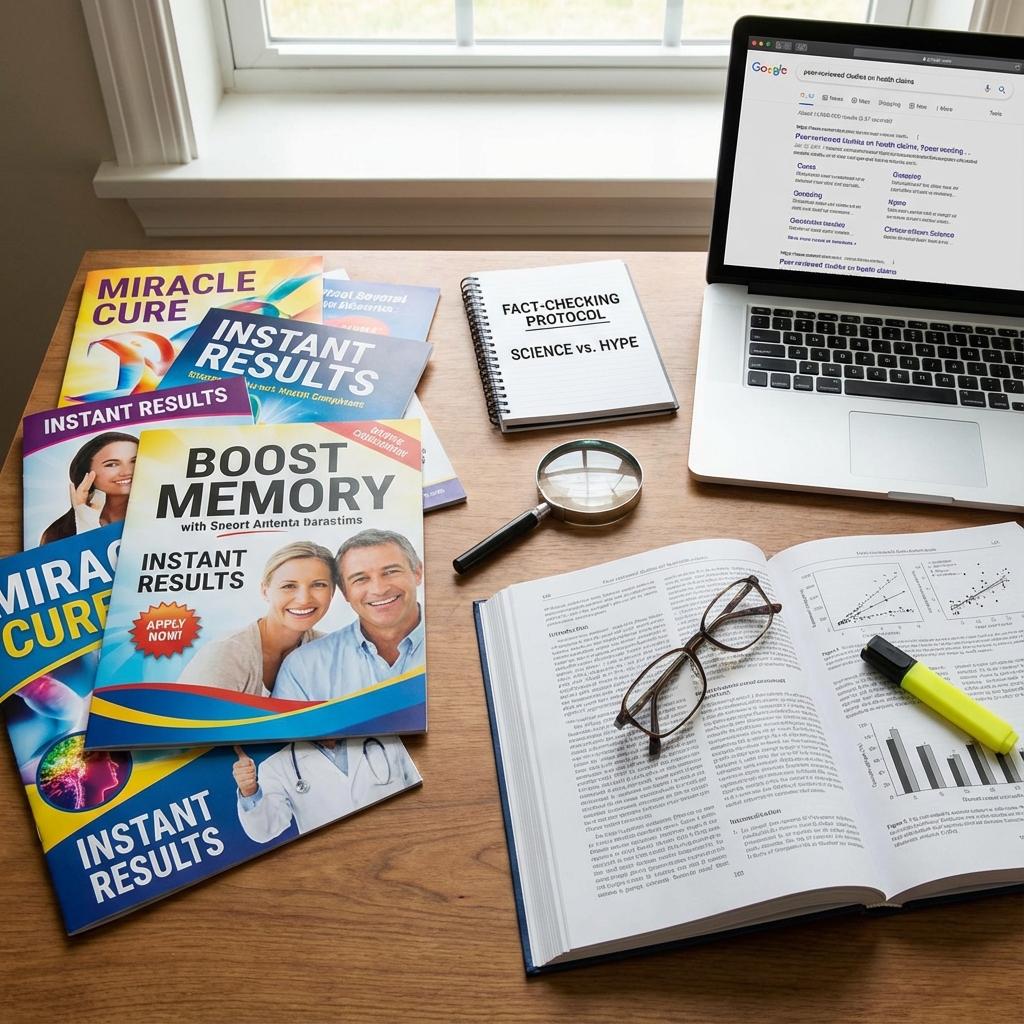
When you’re evaluating your health situation, the “evidence” comes from your own observations and, sometimes, home measurement devices. Understanding how to interpret this personal data helps you draw meaningful conclusions without over-reacting to normal variations.
First, recognise that human health fluctuates naturally. Energy levels vary throughout the day and week. Sleep quality is affected by countless factors. Mood shifts with circumstances, hormones, and seasons. A single unusual reading or day doesn’t constitute a pattern worth acting upon.
Statistical thinking helps here. Just as scientists look for consistent results across multiple experiments, you should look for consistent patterns across multiple observations. If you feel tired one morning after sleeping poorly, that’s expected. If you feel consistently tired despite seemingly adequate sleep over two weeks, that’s a pattern worth investigating.
Consider the principle of regression to the mean. After an unusually good or bad day, things tend to move back toward your average. If you feel exceptionally energetic one day, expect to feel more normal the next—that’s not a decline, just natural variation.
When using home monitoring devices (blood pressure monitors, glucose meters, pulse oximeters), understand their limitations. Consumer devices have error margins, and technique affects readings. Take multiple measurements, follow device instructions carefully, and look at trends rather than individual numbers.
Context matters enormously. Did you just start a new medication? Begin or stop an exercise programme? Experience a major life stress? Travel across time zones? Change your diet significantly? These factors can explain many health changes without indicating underlying problems.
Beware of confirmation bias—the tendency to notice and remember information that confirms what you already suspect while ignoring contradictory evidence. If you believe you have a particular condition, you may subconsciously focus on symptoms that fit while overlooking those that don’t. Stay open to alternative explanations.
Finally, remember that self-assessment can identify patterns but cannot diagnose conditions. Even if you notice clear trends suggesting a problem, professional evaluation is necessary for accurate diagnosis and appropriate treatment. Your observations are valuable input, not definitive conclusions.
Realistic Expectations and How to Track Progress
Setting appropriate expectations for health self-evaluation helps maintain perspective and prevents both under-reaction to genuine concerns and over-reaction to normal variations.
Health improvement, when it occurs through lifestyle changes, typically happens gradually rather than dramatically. If you start eating better, exercising more, or improving your sleep habits, expect subtle improvements over weeks to months rather than overnight transformation. Quick fixes are usually unrealistic, and expecting them leads to discouragement.
Progress is rarely linear. Even when you’re doing everything right, you’ll have better and worse days. Weight fluctuates, energy levels vary, and symptoms can wax and wane regardless of your efforts. Judge success over longer timeframes—weeks and months—rather than day-to-day comparisons.
Tracking physical measures provides concrete data points but shouldn’t become obsessive. For most people, weekly weight checks are more useful than daily ones (and less likely to cause frustration from normal fluctuations). Similarly, tracking sleep, mood, or energy every day is valuable, but reviewing trends weekly or monthly offers better perspective.
Consider which metrics actually matter to you. Not everything that can be tracked should be tracked. Focus on measures that relate to your specific goals and concerns. Someone working on sleep issues should track sleep quality and duration. Someone managing stress might focus on mood and anxiety levels. Tracking everything leads to data overload without corresponding insight.
Use simple rating scales that you’ll maintain consistently. A 1-10 scale for energy, sleep quality, mood, and any relevant symptoms is often sufficient. Complicated systems with dozens of variables rarely survive past the first enthusiastic week.
Periodic review sessions help you step back and see the bigger picture. Weekly or monthly, look back at your records and ask: What patterns am I seeing? What was different about good days versus difficult ones? Are there clear connections between lifestyle factors and how I feel? This reflection transforms raw data into actionable insight.
Share relevant findings with your healthcare providers. Your tracking records can provide valuable information that helps doctors understand your situation better and make more informed recommendations.
Quality Checklist Before You Buy
If you’re considering purchasing tools to support your health self-evaluation—whether monitoring devices, tracking apps, or wellness journals—evaluating quality helps ensure you invest in products that actually serve your needs.
For home monitoring devices like blood pressure monitors, pulse oximeters, or thermometers, look for validation against clinical standards. Devices cleared by regulatory bodies (like the MHRA in the UK or FDA in the US) have demonstrated reasonable accuracy. Check whether the manufacturer provides accuracy specifications and whether independent testing confirms their claims.
User reviews can provide useful information but require critical reading. Look for reviews from people with similar needs and circumstances. Pay attention to comments about reliability over time, ease of use, and customer support experiences. Be sceptical of reviews that seem promotional or overly negative without specific details.
For tracking apps, consider data privacy carefully. Health information is sensitive, and not all apps handle it appropriately. Check the privacy policy, understand how your data is stored and whether it’s shared with third parties, and look for apps that allow you to export or delete your data. Consider whether the app requires an account or can function locally on your device.
Usability matters more than features. An app with dozens of tracking capabilities that you find cumbersome to use provides less value than a simple app you’ll actually use consistently. Look for interfaces that match how you want to track and don’t require excessive daily time investment.
For journals and planners, consider the format that fits your preferences. Some people prefer structured templates with prompts; others want blank pages for flexible recording. The “best” journal is the one you’ll actually write in regularly.
Be wary of products making exaggerated health claims. No consumer device or app can diagnose medical conditions, and any product suggesting otherwise should be viewed sceptically. Quality products acknowledge their limitations and emphasise that they support—not replace—professional healthcare.
Consider ongoing costs. Some devices require regular accessory purchases (like blood pressure cuff batteries or glucose test strips). Some apps use freemium models where basic features are free but useful functionality requires subscription. Factor these ongoing expenses into your decision.
Safety Checklist and When to Speak to a Professional
While health self-evaluation empowers you to understand your body better, recognising when professional medical attention is needed remains essential. This safety checklist helps you navigate that boundary appropriately.
Seek immediate medical attention (A&E or 999) for: chest pain or pressure, especially with shortness of breath, sweating, or arm/jaw pain; sudden severe headache unlike any you’ve had before; sudden weakness or numbness on one side of the body; difficulty speaking or understanding speech; sudden vision changes; serious injuries or uncontrolled bleeding; thoughts of harming yourself or others.
Make a routine GP appointment when: symptoms persist for more than two weeks without improvement; you notice persistent changes from your normal baseline; you have questions about results from home monitoring; you’re considering starting new supplements, major dietary changes, or exercise programmes; you simply feel that something isn’t right—trust your instincts.
Speak with a pharmacist (often accessible without appointment) for: questions about over-the-counter remedies; minor symptoms that may not need GP evaluation; advice about whether symptoms warrant medical attention; medication questions and potential interactions.
Consider mental health support when: low mood persists for more than two weeks; anxiety regularly interferes with daily activities; you’re using alcohol or substances to cope; sleep problems significantly affect your functioning; you feel isolated, hopeless, or unable to enjoy things you normally would.
Keep in mind that certain populations require more careful monitoring: pregnant or possibly pregnant individuals should discuss all health changes with their midwife or GP; those with chronic conditions should follow their care team’s guidance about what to monitor and when to report changes; people taking multiple medications should be aware of potential interactions and side effects; older adults may experience symptoms differently and should have lower thresholds for seeking evaluation.
Never assume that a symptom is “just” anxiety, stress, or aging without appropriate evaluation. While these can cause many symptoms, concerning possibilities should be ruled out by professionals rather than dismissed through self-assessment.
What Research Shows
The research landscape around health self-monitoring and patient-reported outcomes has grown substantially as healthcare increasingly recognises the value of patient engagement and self-awareness. While studies specifically on comprehensive health self-assessment are limited, related research offers valuable insights.
Research Highlights
- Patient-Reported Outcomes Research (NIH, 2017): Studies show that systematic patient self-reporting improves communication with healthcare providers and may enhance treatment outcomes across multiple conditions.
- Harvard Health on Self-Tracking (2019): Research indicates that health tracking can improve awareness and motivation, though benefits depend on how data is used and whether it leads to actionable changes.
- Home Blood Pressure Monitoring (PubMed, 2020): Regular home monitoring combined with clinical care improves blood pressure management outcomes compared to clinic-based monitoring alone.
It’s worth noting that research quality varies, and findings from specific populations or conditions may not generalise broadly. Self-monitoring appears most beneficial when integrated with professional healthcare rather than pursued in isolation, and when it leads to meaningful behavioural changes rather than just data collection.
The Mayo Clinic emphasises that while self-awareness is valuable, it works best as a complement to professional medical care rather than a substitute for it.
Summary
Conducting a personal health assessment empowers you to understand your body, identify potential concerns early, and make informed decisions about your wellbeing. By establishing your baseline, tracking key indicators consistently, and looking for meaningful patterns, you develop valuable insight into your health situation.
Remember that self-evaluation supports but never replaces professional medical care. Your observations provide useful information to share with healthcare providers, helping them understand your situation and make better recommendations. When symptoms persist, worsen, or cause concern, seeking professional evaluation remains essential.
If you’re ready to begin a more structured approach to understanding your health, the products below can support your self-assessment journey. Whether you prefer digital tools or traditional journaling, consistent tracking over time reveals patterns that random observation misses.
Editorial Note: This content is informational and does not replace medical advice. Self-assessment has limitations, and concerning symptoms should always receive professional evaluation.
Important: This article is for educational purposes only. Consult your GP or healthcare professional for personalised medical advice, especially if you have existing health conditions or are considering significant lifestyle changes.
Our Top Picks
Based on our research into quality, usability, and value, here are 2 options worth considering to support your health self-assessment:


How to Choose
- Consider your tracking preferences: Digital tools offer convenience and automatic trend analysis; paper journals provide simplicity and privacy
- Match to your goals: If you need to monitor specific measures (blood pressure, etc.), prioritise validated devices; if general wellness tracking is your goal, a journal may suffice
- Think about consistency: Choose the option you’re most likely to use regularly—the best tool is the one you’ll actually use
- Consider your healthcare team’s input: If managing a condition, ask your doctor what monitoring they recommend
Frequently Asked Questions
How often should I conduct a health self-assessment?
Brief daily tracking of key indicators (energy, sleep, mood) works well for most people. More comprehensive assessment of patterns and trends benefits from weekly or monthly review. Find a rhythm that’s sustainable for you.
What are the most important health indicators to track?
For general wellness, focus on energy levels, sleep quality and duration, mood/stress levels, and any recurring symptoms. Those managing specific conditions should track indicators relevant to their situation as advised by healthcare providers.
Can health self-assessment replace regular GP check-ups?
No. Self-assessment complements professional care but cannot replace it. Regular check-ups allow for clinical examination, blood tests, and screening that you cannot perform at home. Self-monitoring enhances what you can share with your GP.
How do I know if a symptom I’m tracking is serious?
Concerning signs include symptoms that persist beyond two weeks, progressively worsen, significantly affect daily functioning, or are sudden and severe. When uncertain, it’s always appropriate to seek professional evaluation rather than continuing to observe.
What’s the best app for health tracking?
The best app depends on your specific needs and preferences. Look for apps with good privacy practices, intuitive interfaces, and features matching what you want to track. Free options often work well; paid subscriptions aren’t always necessary.
Should I share my tracking data with my doctor?
Yes, when relevant. Your observations and records can provide valuable information that helps healthcare providers understand your situation better. Bring a summary of key patterns rather than overwhelming detail. Learn more about preparing for productive medical appointments.
Sources
This article is based on peer-reviewed research and authoritative health sources:
Why You Can Trust This Article
- Written by: Arsim Rama
- Research-backed: Claims supported by cited authoritative sources
- Regularly updated: Content reviewed every 12 months
- Editorial independence: Recommendations based on quality and merit
- Customer trust: See our Trustpilot reviews
Last reviewed: January 2025. Next review: January 2026.
© 2025 Paulinna. All rights reserved.
Disclosure: This article contains affiliate links. If you purchase through these links, we may earn a small commission at no extra cost to you.