
Your Essential Guide to Vitamin B12: What This Vital Nutrient Does for You
Medical Disclaimer: This article provides general information about vitamin B12 for educational purposes only. It is not intended as medical advice, diagnosis, or treatment. Individual needs vary, and you should consult a qualified healthcare professional before making changes to your diet or starting supplementation, especially if you have existing health conditions or concerns about deficiency.
Last reviewed: January 2025 | Reading time: approximately 8 minutes
Key Takeaways
- Essential for nerve health: Vitamin B12 plays a crucial role in maintaining healthy nerve cells and producing the protective myelin sheath around nerves
- Found mainly in animal products: The best natural sources include meat, fish, eggs, and dairy—vegans and vegetarians may need supplements or fortified foods
- Deficiency can be subtle: Symptoms often develop gradually and may include fatigue, tingling sensations, and cognitive difficulties
- Absorption decreases with age: Older adults are at higher risk of deficiency due to reduced stomach acid and intrinsic factor production

Introduction
You’ve probably heard that vitamin B12 is important, especially if you follow a vegetarian or vegan diet. But what exactly does this nutrient do, and why should you care about getting enough of it?
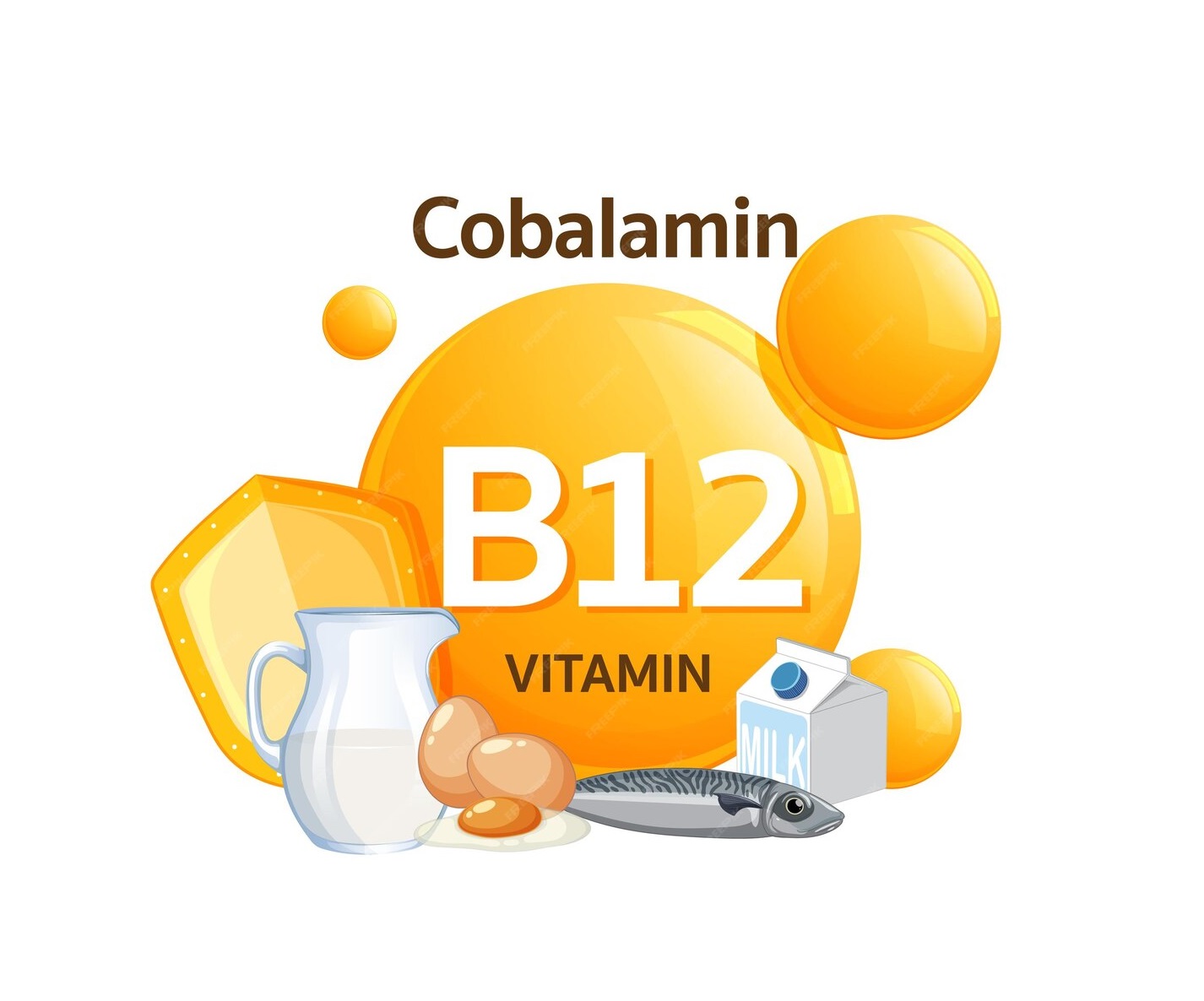
Vitamin B12, also known as cobalamin, is one of eight B vitamins that your body needs to function properly. Unlike some nutrients that you can get from a wide variety of foods, B12 is found almost exclusively in animal products—which is why it’s often a topic of conversation in discussions about plant-based eating.
But dietary choices aren’t the only reason B12 matters. This vitamin is involved in some of your body’s most fundamental processes, from keeping your nervous system healthy to helping create the red blood cells that carry oxygen throughout your body. And while serious deficiency is relatively uncommon in the general population, certain groups are at notably higher risk.
In this guide, we’ll explore what B12 does, where to find it, who might need to pay extra attention to their intake, and what to look out for if levels run low. Whether you’re curious about your own nutrition or simply want to understand this essential vitamin better, you’re in the right place.
What Is Vitamin B12?
Vitamin B12 is a water-soluble vitamin with a remarkably complex structure—in fact, it’s the largest and most structurally complicated vitamin. Its chemical name, cobalamin, comes from the cobalt atom at its centre, which gives B12 its distinctive red colour.
There are several forms of B12, but the ones you’ll encounter most often are:
- Cyanocobalamin: The synthetic form commonly used in supplements and fortified foods
- Methylcobalamin: A naturally occurring form that’s already in its active state
- Adenosylcobalamin: Another active form used by the body
- Hydroxocobalamin: Often used in B12 injections
Your body can convert cyanocobalamin into the active forms, so for most people, the type of B12 in supplements makes little practical difference. However, some people prefer methylcobalamin or adenosylcobalamin, believing these may be more readily used by the body.
Recommended Daily Intake
The NHS recommends that adults need approximately 1.5 micrograms of vitamin B12 per day. This is a tiny amount compared to many other nutrients, but it’s absolutely essential.
Unlike many water-soluble vitamins, B12 can be stored in the liver—sometimes enough to last several years. This is why deficiency often develops slowly, and why someone who stops consuming B12 may not notice symptoms for quite some time.
How B12 Works in Your Body
Getting B12 from your food into your cells is a surprisingly complex journey. Here’s a simplified look at how it works:
When you eat foods containing B12, your stomach acid helps release the vitamin from the proteins it’s bound to. The freed B12 then attaches to a protein called intrinsic factor, which is produced by cells in your stomach lining. This B12-intrinsic factor complex travels to the lower part of your small intestine (the ileum), where it’s absorbed into your bloodstream.
Once absorbed, B12 is transported to cells throughout your body, where it serves as a coenzyme—a helper molecule that enables certain enzymes to do their jobs. B12 is particularly important for:
- DNA synthesis: B12 is needed to produce the building blocks of DNA, making it essential for cell division
- Red blood cell formation: Without adequate B12, red blood cells become abnormally large and can’t function properly
- Nervous system maintenance: B12 helps produce myelin, the protective coating around nerve fibres
- Homocysteine metabolism: B12 works with folate to convert homocysteine (an amino acid) into methionine
“B12 is unique among vitamins—it requires a specific protein (intrinsic factor) for absorption, which is why some people can eat plenty of B12-rich foods yet still become deficient.”
Health Benefits of Vitamin B12
Adequate vitamin B12 supports several important aspects of health. Here’s what the evidence suggests:
1. Healthy Nerve Function
Perhaps B12’s most critical role is in maintaining the health of your nervous system. It’s essential for producing myelin, the protective sheath that surrounds nerve fibres and allows electrical impulses to travel efficiently. When B12 levels are inadequate, this myelin can become damaged, potentially leading to neurological symptoms.
2. Red Blood Cell Production
B12 is crucial for the normal development of red blood cells in your bone marrow. Without enough B12, red blood cells become abnormally large (a condition called megaloblastic anaemia) and can’t carry oxygen as effectively. This can lead to fatigue, weakness, and shortness of breath.
3. DNA Synthesis
Every cell in your body needs B12 to replicate its DNA properly. This makes adequate B12 especially important during periods of rapid cell division, such as during pregnancy and early childhood development.
4. Energy Metabolism
While B12 doesn’t directly provide energy, it plays a role in the metabolic pathways that convert food into usable energy. This is why fatigue is often one of the first symptoms people notice when B12 levels are low—though it’s worth noting that fatigue has many possible causes.
5. Brain and Cognitive Health
Some research has explored links between B12 status and cognitive function, particularly in older adults. Low B12 levels have been associated with memory problems and cognitive decline in some studies, though more research is needed to understand this relationship fully.

Deficiency: Causes and Risk Factors
B12 deficiency can develop for different reasons, and certain groups are at higher risk. Understanding these factors can help you assess whether you might need to pay extra attention to your intake.
Who’s at Higher Risk?
- Vegans and strict vegetarians: Since B12 is found almost exclusively in animal products, those who avoid these foods need alternative sources
- Older adults: Age-related decreases in stomach acid and intrinsic factor production can impair absorption
- People with digestive conditions: Conditions like coeliac disease, Crohn’s disease, or atrophic gastritis can affect B12 absorption
- Those who’ve had gastrointestinal surgery: Procedures affecting the stomach or ileum may reduce absorption capacity
- People taking certain medications: Long-term use of metformin or proton pump inhibitors may affect B12 status
Signs and Symptoms to Watch For
B12 deficiency often develops gradually, and symptoms can be vague at first. Possible signs may include:
- Unusual tiredness or weakness
- Tingling or numbness in hands or feet
- Balance problems or difficulty walking
- A sore, red tongue
- Mouth ulcers
- Cognitive difficulties (memory problems, confusion)
- Mood changes, including depression
- Pale or yellowish skin
⚠️ Important: These symptoms can have many causes and aren’t unique to B12 deficiency. If you’re experiencing persistent symptoms, see a healthcare professional for proper evaluation rather than self-diagnosing or self-treating.
Practical Tips for Adequate Intake
Ensuring you get enough vitamin B12 doesn’t have to be complicated. Here are some practical strategies based on your dietary patterns and circumstances.
💡 Tip 1: Know Your Best Food Sources
If you eat animal products, these are the richest natural sources of B12:
- Liver and kidney: Exceptionally high in B12 (though liver should be avoided during pregnancy)
- Shellfish: Clams, mussels, and crab are excellent sources
- Fish: Salmon, trout, tuna, and sardines
- Meat: Beef, lamb, and pork
- Eggs: Particularly the yolk
- Dairy: Milk, cheese, and yoghurt
💡 Tip 2: Use Fortified Foods if You’re Plant-Based
If you follow a vegan or vegetarian diet, fortified foods are essential. Look for B12-fortified:
- Plant milks (soya, oat, almond, coconut)
- Breakfast cereals
- Nutritional yeast
- Some meat alternatives
Check labels carefully, as not all products are fortified, and amounts vary between brands.
💡 Tip 3: Consider Supplementation When Appropriate
For some people, supplements may be the most reliable way to ensure adequate B12. This is particularly true for:
- Vegans (The Vegan Society recommends daily supplements)
- Adults over 50 (many guidelines suggest fortified foods or supplements)
- Anyone with absorption issues or taking medications that affect B12
Supplements are available as tablets, sublingual (under the tongue), sprays, and in some cases, injections prescribed by a doctor.
💡 Tip 4: Get Tested if You’re Concerned
If you fall into a higher-risk category or are experiencing symptoms, ask your GP about testing. A blood test can measure your B12 levels and help determine whether supplementation is needed. Keep in mind that “normal” ranges can vary, and some people may experience symptoms even at levels within the standard range.
💡 Tip 5: Don’t Forget About Absorption
Eating B12-rich foods is only half the equation—your body also needs to absorb it effectively. To support absorption:
- Address any digestive issues with your healthcare provider
- Be aware that excessive alcohol can impair B12 absorption
- If you take medications that affect stomach acid, discuss B12 status with your doctor
What the Research Shows
Scientific understanding of vitamin B12 continues to evolve. Here’s a brief look at what current research tells us.
Prevalence of Deficiency
Studies suggest that B12 deficiency is more common than many people realise, though estimates vary depending on the population studied and the criteria used. According to research published in the American Journal of Clinical Nutrition, deficiency rates may be particularly high among older adults and those following strict vegetarian or vegan diets.
B12 and Cognitive Health
The relationship between B12 and brain health has attracted considerable research interest. While low B12 levels have been associated with cognitive decline in observational studies, clinical trials of B12 supplementation have shown mixed results for improving cognition. The evidence suggests that correcting deficiency may help prevent cognitive problems, but supplementation in people with adequate levels may not provide additional benefit.
B12 and Cardiovascular Health
Like folate, B12 helps lower homocysteine levels in the blood. Elevated homocysteine has been linked to cardiovascular disease risk in some studies. However, trials of B-vitamin supplementation to reduce cardiovascular events have generally not shown significant benefits, suggesting the relationship is more complex than initially thought.
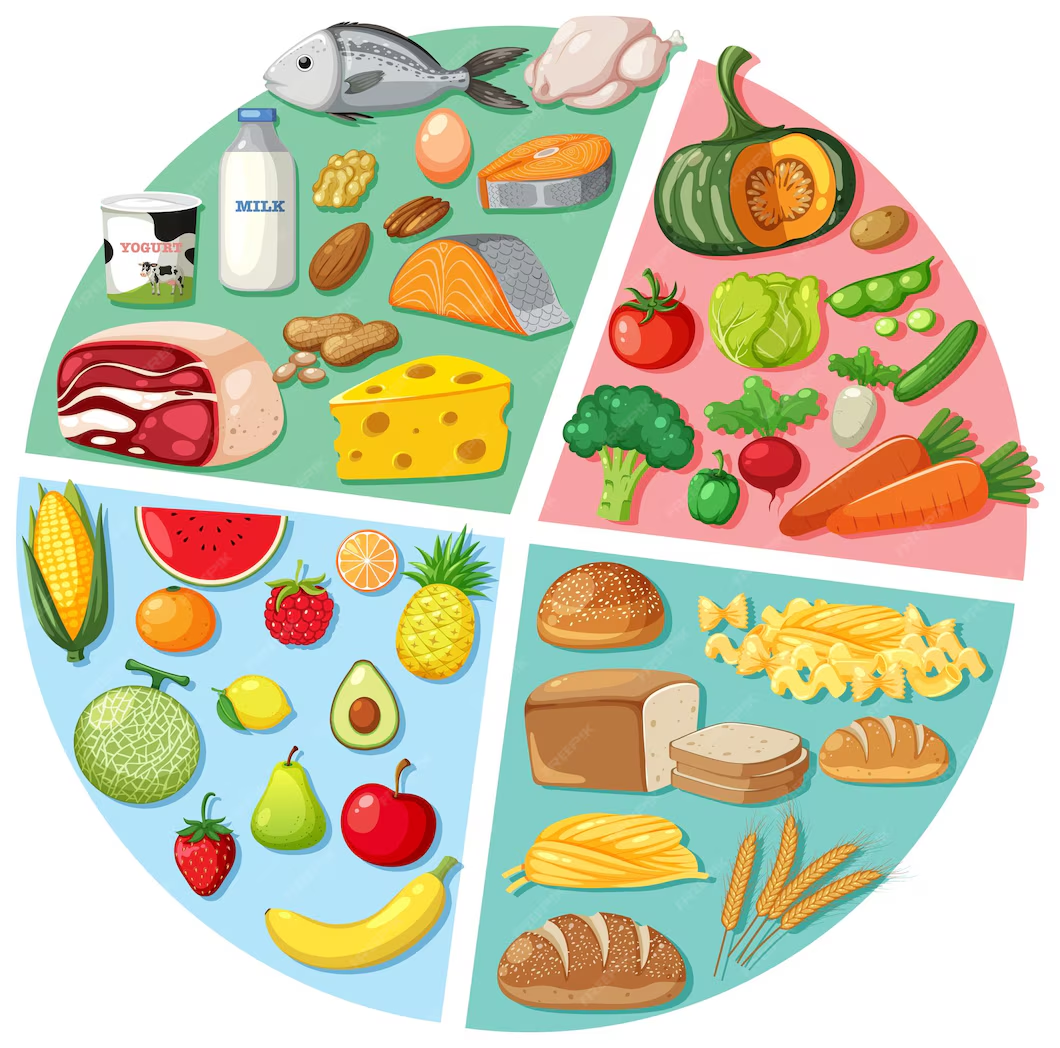
📚 Related Reading: Learn more about how B vitamins work together in our article on Vitamin B9 (Folic Acid) and The Complete B Vitamin Family.
Summary
Vitamin B12 is a genuinely essential nutrient that plays irreplaceable roles in your nervous system, blood cell production, and DNA synthesis. While your body is remarkably efficient at storing and using this vitamin, certain factors—including diet, age, and digestive health—can put you at higher risk of running low.
The good news is that maintaining adequate B12 is straightforward for most people. If you eat animal products regularly, you’re likely getting enough. If you follow a plant-based diet, fortified foods and supplements offer reliable alternatives. And if you’re in a higher-risk group or experiencing symptoms, a simple blood test can provide clarity.
As with all aspects of nutrition, individual needs vary. What matters most is understanding your own risk factors and making informed choices that work for your lifestyle.
⚕️ Reminder: This article provides general information and should not replace professional medical advice. If you have concerns about your vitamin B12 status or are experiencing symptoms of deficiency, please consult a healthcare professional for personalised guidance.
Related Topics
Frequently Asked Questions
What are the early signs of vitamin B12 deficiency?
Early signs may include unusual fatigue, weakness, tingling or numbness in hands and feet, difficulty with balance, brain fog or difficulty concentrating, and mood changes. These symptoms can be subtle and develop gradually over months or even years. Because they’re non-specific and can indicate many conditions, it’s important to consult a healthcare professional for proper evaluation if you experience persistent symptoms.
How much vitamin B12 do I need each day?
The NHS recommends approximately 1.5 micrograms per day for adults. However, because absorption efficiency varies, some guidelines suggest higher intakes from supplements or fortified foods, particularly for those over 50 or following plant-based diets. Pregnant and breastfeeding women may have slightly higher requirements. A healthcare provider can advise on individual needs.
Can vegans get enough B12 from plant foods?
Vitamin B12 is not reliably present in unfortified plant foods. While some fermented foods and algae (like spirulina) contain B12 analogues, these may not be biologically active or well-absorbed. Vegans need to obtain B12 from fortified foods (such as plant milks, nutritional yeast, and breakfast cereals) consumed 2-3 times daily, or from a reliable supplement. The Vegan Society provides detailed guidance on B12 for vegans.
Can you have too much vitamin B12?
Vitamin B12 is water-soluble, and excess amounts are typically excreted in urine. No tolerable upper intake level has been established because toxicity from oral supplements is considered rare. However, very high doses are generally only recommended under medical supervision, particularly for treating severe deficiency. If you have concerns about your B12 intake, discuss them with a healthcare provider.
Why do older adults often have lower B12 levels?
As we age, the stomach produces less hydrochloric acid and intrinsic factor—both essential for B12 absorption. This condition, sometimes called atrophic gastritis, becomes more common with age. Additionally, digestive conditions and medications that affect stomach acid (like proton pump inhibitors) are more prevalent in older populations. Many guidelines recommend that adults over 50 get most of their B12 from supplements or fortified foods, which don’t require stomach acid for absorption.
How long does it take to correct a B12 deficiency?
The timeline depends on the severity of deficiency and the treatment approach. Blood levels may begin to improve within a few weeks of starting supplementation or injections. However, symptoms—particularly neurological ones like tingling, numbness, or balance problems—can take several months to resolve fully. In cases of long-standing severe deficiency, some nerve damage may be permanent, which underscores the importance of early detection and treatment.
References
- NHS UK – Vitamin B12 or folate deficiency anaemia. https://www.nhs.uk/conditions/vitamin-b12-or-folate-deficiency-anaemia/
- National Institutes of Health (NIH) Office of Dietary Supplements – Vitamin B12 Fact Sheet for Health Professionals. https://ods.od.nih.gov/factsheets/VitaminB12-HealthProfessional/
- The Vegan Society – What Every Vegan Should Know About Vitamin B12. https://www.vegansociety.com/resources/nutrition-and-health/nutrients/vitamin-b12
- British Dietetic Association – Vitamin B12 Food Fact Sheet. https://www.bda.uk.com/resource/vitamin-b12.html
- Hunt A, Harrington D, Robinson S (2014). Vitamin B12 deficiency. BMJ. 349:g5226. https://www.bmj.com/content/349/bmj.g5226
Sources accessed and verified January 2025. External links are provided for reference and do not constitute endorsement of all content on those sites.