

Understanding Vitamin K2: Benefits, Sources and What the Research Says
Key Takeaways
- ✓ Vitamin K2 is distinct from K1 and may play an important role in calcium regulation, bone health and cardiovascular function
- ✓ Food sources include fermented foods like natto, certain cheeses, egg yolks and organ meats
- ✓ Research suggests K2 works synergistically with vitamin D3 for optimal calcium metabolism
- ✓ Consult a healthcare professional before supplementing, especially if taking blood-thinning medications
📖 Table of Contents
Featured Image: Vitamin K2 Rich Foods
[Hero image placeholder – 1200x628px recommended]
Introduction
⚠️ Health Disclaimer: This article is for informational purposes only and does not constitute medical advice. The information provided should not be used to diagnose or treat any health condition. Always consult with a qualified healthcare professional before making changes to your diet or starting any supplement regimen.
You’ve probably heard plenty about vitamins C, D, and even K1 – but vitamin K2 often flies under the radar. This lesser-known nutrient has been gaining attention in the health and wellness community, and for good reason. Research is beginning to uncover the potentially important role it may play in everything from bone health to cardiovascular function.
If you’ve ever wondered why some cultures seem to have notably strong bones well into old age, or questioned whether your calcium supplements are actually doing their job properly, vitamin K2 might be a piece of that puzzle worth exploring.
In this guide, we’ll explore what vitamin K2 is, how it differs from its better-known cousin K1, what the current research suggests about its benefits, and practical ways you might incorporate it into your daily routine.
What Is Vitamin K2?
Vitamin K is a fat-soluble vitamin that exists in two main forms: K1 (phylloquinone) and K2 (menaquinone). While vitamin K1 is abundant in leafy green vegetables and is primarily involved in blood clotting, vitamin K2 is found mainly in fermented foods and animal products and appears to have distinct functions in the body.
Vitamin K2 itself comes in several subtypes, with MK-4 and MK-7 being the most researched. MK-4 is found in animal products like egg yolks and organ meats, whilst MK-7 is predominantly found in fermented foods, particularly the Japanese dish natto (fermented soybeans).
The key distinction is that K2 appears to remain in the bloodstream longer than K1 and may be more effective at activating proteins involved in calcium metabolism throughout the body – not just in the liver where K1 primarily works.
How Vitamin K2 Works in the Body
Vitamin K2’s primary role appears to be activating certain proteins that help regulate where calcium ends up in your body. Two key proteins are particularly important:
Key Proteins Activated by K2:
- Osteocalcin: This protein helps bind calcium to the bone matrix, potentially supporting bone mineralisation and strength.
- Matrix GLA Protein (MGP): This protein may help prevent calcium from accumulating in soft tissues like blood vessel walls, where it’s not wanted.
Think of vitamin K2 as a “traffic director” for calcium – it may help ensure calcium goes to your bones and teeth where it’s beneficial, rather than building up in your arteries where it could potentially cause problems.
This is why many researchers and practitioners suggest that K2 works synergistically with vitamin D3. While vitamin D helps your body absorb calcium from food, K2 may help direct that calcium to the right places.
Potential Benefits of Vitamin K2
Research into vitamin K2 is ongoing, and whilst some findings are promising, it’s important to note that more large-scale studies are needed. Here’s what the current evidence suggests:
1. May Support Bone Health
Some studies suggest that adequate vitamin K2 intake may be associated with improved bone mineral density and reduced fracture risk, particularly in postmenopausal women. The mechanism appears to involve K2’s role in activating osteocalcin, which helps incorporate calcium into bone tissue.
2. May Support Cardiovascular Health
Research suggests K2 may help prevent arterial calcification by activating matrix GLA protein. Some observational studies have found associations between higher K2 intake and reduced cardiovascular risk, though more research is needed to establish causation.
3. May Support Dental Health
Osteocalcin, the protein activated by K2, is also found in teeth. Some researchers theorise that K2 may support dental health by helping to maintain proper calcium distribution in tooth enamel, though human studies in this area are limited.
4. May Work Synergistically with Vitamin D
Vitamins D3 and K2 appear to complement each other. While D3 increases calcium absorption, K2 may help ensure that calcium is properly utilised. Some practitioners recommend taking them together, particularly for those supplementing with higher doses of vitamin D.
5. May Have Anti-Inflammatory Properties
Preliminary research suggests vitamin K2 may have anti-inflammatory effects, though this area of study is still in its early stages. Chronic inflammation is linked to numerous health conditions, making this a potentially interesting area for future research.
Tips for Getting Enough Vitamin K2
💡 Tip 1: Include Fermented Foods in Your Diet
Fermented foods are amongst the best sources of K2. Consider adding natto (if you can acquire a taste for it), sauerkraut, or certain aged cheeses like Gouda, Brie, and Edam to your regular diet. Even small, regular portions may contribute to your K2 intake.
💡 Tip 2: Choose Pasture-Raised Animal Products
Animal products from pasture-raised animals typically contain more K2 than those from conventionally raised animals. Egg yolks, butter, and organ meats from grass-fed sources may provide higher amounts of this nutrient.
💡 Tip 3: Consider the MK-7 Form for Supplements
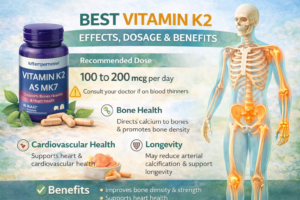
If you’re considering supplementation (after consulting your healthcare provider), MK-7 tends to stay in the bloodstream longer than MK-4, potentially requiring just one daily dose. Common supplement doses range from 100-200mcg of MK-7.
💡 Tip 4: Take K2 with Fats for Better Absorption
As a fat-soluble vitamin, K2 is better absorbed when consumed with dietary fats. Taking supplements with a meal containing healthy fats, or choosing food sources that naturally contain fat (like cheese or egg yolks), may improve absorption.
💡 Tip 5: Be Mindful of Medication Interactions
If you take blood-thinning medications like warfarin, speak with your doctor before significantly changing your vitamin K intake. While K2 appears to have less effect on blood clotting than K1, it’s still important to maintain consistent intake levels.
What Does the Research Say?
The body of research on vitamin K2 is growing, though it’s worth noting that many studies have been observational rather than randomised controlled trials. Here’s an overview of the current scientific landscape:
Research Highlights:
- Rotterdam Study: This large observational study found that higher dietary intake of vitamin K2 was associated with reduced cardiovascular calcification and cardiovascular mortality risk.
- Japanese Studies: Research from Japan, where natto consumption is common, has suggested associations between K2 intake and bone health outcomes.
- MK-7 Research: Studies on the MK-7 form have shown it may improve markers of bone metabolism and vascular health, though results have been mixed.
It’s important to approach these findings with appropriate caution. Many studies have limitations including small sample sizes, short durations, or confounding factors. The NHS and other health authorities currently don’t have specific recommendations for K2 intake separate from general vitamin K requirements.
That said, ensuring adequate vitamin K2 through diet appears to be safe for most people and aligns with general healthy eating principles that emphasise whole, minimally processed foods.
Summary
Vitamin K2 is an intriguing nutrient that research suggests may play important roles in bone health, cardiovascular function, and calcium metabolism. While it’s less well-known than vitamins C or D, the growing body of evidence indicates it deserves more attention.
The best dietary sources include fermented foods like natto and certain cheeses, as well as animal products from pasture-raised sources. For those who struggle to get enough through diet alone, supplements (particularly the MK-7 form) may be worth discussing with a healthcare provider.
Remember that K2 appears to work best alongside other nutrients – particularly vitamin D3 and calcium – as part of an overall balanced approach to nutrition and health.
⚠️ Important Reminder: This article is for educational purposes only and should not replace professional medical advice. Individual nutritional needs vary, and what works for one person may not be appropriate for another. Before starting any new supplement or making significant dietary changes, please consult with your GP or a registered dietitian, especially if you have existing health conditions or take medications.
⭐ Was this article helpful?
Help others discover quality information — share your experience on Trustpilot!
Related Topics
Frequently Asked Questions
What is the difference between vitamin K1 and K2?
Vitamin K1 (phylloquinone) is found primarily in leafy greens and is mainly used by the liver for blood clotting. Vitamin K2 (menaquinone) is found in fermented foods and animal products, and appears to be more involved in directing calcium to bones and away from arteries. They are chemically related but have different functions and food sources.
How much vitamin K2 should I take daily?
There is no established Recommended Daily Allowance specifically for K2. Research studies have typically used doses ranging from 90-200mcg of MK-7 or higher doses of MK-4. It’s best to consult with a healthcare professional who can assess your individual needs, particularly if you have any health conditions or take medications.
Can I get enough K2 from diet alone?
It’s possible, particularly if you regularly consume fermented foods like natto, aged cheeses, or products from pasture-raised animals. However, Western diets typically contain limited K2 sources, which is why some people consider supplementation. A varied diet rich in whole foods is a good starting point.
Is it safe to take vitamin K2 with blood thinners?
If you take anticoagulant medications such as warfarin, you should consult your doctor before taking K2 supplements or significantly changing your dietary intake. While K2 appears to have less effect on blood clotting than K1, it can still potentially interact with these medications.
Should I take vitamin D3 and K2 together?
Many practitioners recommend taking D3 and K2 together, as they appear to work synergistically. Vitamin D increases calcium absorption, while K2 may help ensure that calcium is properly directed to bones rather than soft tissues. This combination is particularly relevant for those taking higher doses of vitamin D.
What are the signs of vitamin K2 deficiency?
K2 deficiency can be difficult to identify as symptoms may develop slowly over time. Potential indicators might include poor bone health, easy bruising, or cardiovascular issues, though these can have many causes. If you’re concerned about your vitamin K status, speak with a healthcare professional who can advise on appropriate testing.