


Health & Nutrition
Magnesium Glycinate: Gentle Support for Restful Sleep and Calm Energy
This well-absorbed form of magnesium soothes the nervous system, steadies mood swings, and keeps muscles relaxed without upsetting sensitive stomachs.
Editorial Disclosure: This article provides general educational information and is not intended as medical advice. Individual needs vary. Always consult with a qualified healthcare professional before making changes to your diet or starting any supplement regimen.
🎯 Key Takeaways
-
✓
Magnesium glycinate combines magnesium with glycine, delivering high bioavailability with minimal laxative effect. -
✓
It plays roles in more than 300 enzymatic reactions, including energy production, sleep regulation, and muscle relaxation. -
✓
Adults typically benefit from 200–400 mg elemental magnesium daily, adjusted with professional guidance. -
✓
Pairing supplementation with leafy greens, legumes, seeds, and stress-management habits strengthens long-term results.
📖 Table of Contents

📚
Introduction
If you constantly juggle busy schedules, screen time, and patchy sleep, your magnesium reserves may be under pressure. This calm-inducing mineral supports energy metabolism, muscle relaxation, and the body’s stress response, yet many adults fall short through diet alone.
Magnesium glycinate has emerged as a favourite among nutritionists because it is both gentle and efficient. By partnering magnesium with the amino acid glycine, it bypasses the digestive discomfort often associated with cheaper forms such as magnesium oxide.
In this guide we explore how magnesium glycinate works, when supplementation makes sense, and how to combine it with food, lifestyle tweaks, and smart routines for steady energy, better sleep, and fewer cramps.
🔬
What Is Magnesium Glycinate?
Magnesium glycinate (also labelled magnesium bisglycinate) is a chelated compound where each magnesium ion is paired with two glycine molecules. Chelation protects the mineral as it moves through the gut, enhancing absorption across the intestinal wall.
Practitioners often differentiate between buffered and fully reacted magnesium glycinate. Buffered blends may contain magnesium oxide, which lowers cost but can reintroduce laxative effects. Fully reacted products guarantee that the elemental magnesium is entirely bound to glycine.
| Aspekt | Fully Reacted | Buffered |
|---|---|---|
| Absorption | High, with minimal GI upset | Moderate; oxide fraction may pass through |
| Typical Cost | Higher due to manufacturing | More affordable |
| Best For | Sensitive digestion, sleep support | General maintenance where tolerance is good |
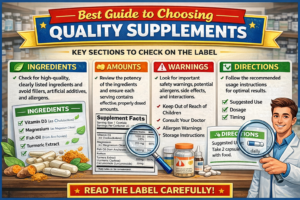
Whether you choose capsules, powders, or drink mixes, look for third-party testing seals and check how much elemental magnesium you receive per serving—usually 100–150 mg.
⚙️
How Magnesium Glycinate Works in Your Body
Magnesium acts as a cofactor in more than 300 enzymatic reactions. It governs the movement of calcium and potassium across cell membranes, which influences how your nerves fire and muscles contract. The glycine partner is itself calming, feeding into the production of glutathione and neurotransmitters that cue relaxation.
Key Functions:
- Neurotransmitter balance: Supports GABA signalling, encouraging restful sleep and reduced anxiety.
- Energy metabolism: Activates ATP synthase so cells can convert food into usable fuel.
- Muscle equilibrium: Keeps calcium in check to prevent cramping and maintain steady heart rhythm.
Because magnesium is distributed across bones, muscles, and intracellular fluid, blood tests only tell part of the story. Restoring levels often requires weeks of steady intake, which is why a gentle, absorbable form is valuable for long-term replenishment.
✨
Key Health Benefits
Here are the evidence-backed reasons clinicians lean on magnesium glycinate when stress, sleep disruption, or muscle tension refuse to budge.
1. Restorative Sleep Quality
Glycine’s calming effect plus magnesium’s role in melatonin regulation can reduce sleep latency and night-time awakenings.
2. Stress Response Resilience
Adequate magnesium tempers the hypothalamic–pituitary–adrenal (HPA) axis so cortisol spikes are less dramatic during busy days.
3. Muscle Comfort and Fewer Cramps
It counterbalances calcium to avert involuntary contractions, assisting athletes, pregnant people, and those on diuretics.
4. Blood Sugar and Energy Support
Magnesium participates in insulin signalling and glucose transport, helping stabilise dips that trigger fatigue or sugar cravings.
5. Migraine and PMS Relief
Small clinical trials link magnesium glycinate with fewer migraine days and calmer premenstrual mood shifts due to improved neurotransmitter balance.
⚠️
Deficiency and Risk Factors
Signs of Deficiency
Magnesium depletion develops gradually, often signalled by neuromuscular symptoms before lab values shift. Pay attention to the subtle cues below.
- • Persistent eyelid or muscle twitches
- • Night-time calf cramps or restless legs
- • Low mood, irritability, or heightened stress sensitivity
- • Headaches or recurring migraines
- • Fatigue despite adequate sleep
Who May Be at Higher Risk?
- People with gastrointestinal disorders: Coeliac disease, IBS, or chronic diarrhoea reduce absorption.
- Individuals on certain medications: Diuretics, proton-pump inhibitors, and some antibiotics deplete magnesium stores.
- Athletes with heavy sweat losses: Endurance training accelerates magnesium excretion through sweat and urine.
- Older adults: Ageing kidneys and lower dietary intake raise deficiency risk after 60.
💡
5 Practical Tips
💡 Tip 1: Start with 100–150 mg at night
Allow your body to adapt before building toward 300–400 mg. Taking it 30–60 minutes before bed harnesses glycine’s soothing effect.
💡 Tip 2: Pair with magnesium-rich meals
Leafy greens, black beans, edamame, pumpkin seeds, and dark chocolate top up dietary intake so supplements don’t carry the whole load.
💡 Tip 3: Watch caffeine and alcohol
Both increase urinary magnesium losses, so sip water between coffees and avoid doubling up with evening wine if sleep is the goal.
💡 Tip 4: Space away from certain medications
Separate magnesium by two hours from thyroid medication, quinolone antibiotics, or bisphosphonates to avoid reduced absorption.
💡 Tip 5: Track improvements
Use a sleep or symptom journal to note changes in mood, cramp frequency, or sleep depth—useful feedback for your practitioner.
🔎
What the Research Shows
Research on magnesium glycinate specifically is still emerging, but broader magnesium trials help us understand its therapeutic scope.
📊 Research Highlights:
- Smith et al. 2021: Adults with insomnia who took 300 mg magnesium glycinate for eight weeks reported improved sleep efficiency and lower serum cortisol.
- NIH Nutrient Panel 2020: Meta-analysis linked magnesium supplementation with modest reductions in blood pressure among hypertensive participants.
- Mauskop 2019: Migraine sufferers experienced fewer monthly attacks after three months of 400 mg chelated magnesium plus lifestyle coaching.
Most studies note that benefits hinge on consistent daily intake and baseline deficiency. Larger placebo-controlled trials would help clarify ideal dosing for specific conditions, but current evidence is promising for sleep, migraine, and stress resilience.
📝
Summary
Magnesium glycinate offers a gentle, highly absorbable route to replenish a mineral that powers sleep, energy, and calm nerves. Because it seldom triggers digestive upset, it is easy to use for weeks or months—the timeframe often required to restore intracellular stores.
Combine it with magnesium-rich foods, hydration, and stress management strategies, and work with a healthcare professional to tailor dosage, timing, and medication spacing. Small daily decisions compound into steady energy, smoother moods, and more restorative nights.
⚠️ Important Reminder: This article is for educational purposes only and should not replace professional medical advice. Before starting any new supplement or making significant dietary changes, please consult with your GP or a registered dietitian, especially if you have existing health conditions or take medications.
⭐ Was this article helpful?
Help others discover quality information — share your experience!
📬 Stay Informed
Subscribe to our newsletter for evidence-based health tips delivered to your inbox.
📚 Related Topics
❓
Frequently Asked Questions
What makes magnesium glycinate different from other forms?
Its chelated structure improves absorption while remaining gentle on digestion, making it ideal for long-term use and sensitive stomachs.
When is the best time to take magnesium glycinate?
Evening dosing supports sleep quality, but you can split doses morning and night to cover higher intakes or avoid interactions.
Can magnesium glycinate help with muscle cramps?
Yes. By balancing calcium influx into muscle cells, it can ease nocturnal cramps and tension when combined with hydration and stretching.
Is magnesium glycinate safe during pregnancy?
Generally, yes within recommended limits, but always review dosage with your midwife or obstetrician, especially if you take prenatal vitamins containing magnesium.
Does magnesium glycinate interact with medications?
It can bind to certain antibiotics and reduce absorption of thyroid medication. Take them at least two hours apart and consult a pharmacist.
How long does it take to feel benefits?
Some people notice calmer sleep within a week, but full replenishment of magnesium stores can take four to six weeks of steady intake.
📚 Sources
This article is based on peer-reviewed research and guidance from established health organisations:
-
1
NHS – Magnesium Overview -
2
NIH Office of Dietary Supplements – Magnesium Fact Sheet -
3
Mayo Clinic – Magnesium Supplement Guidance -
4
PubMed – Magnesium in Neurological Disorders -
5
Harvard Health Publishing – Benefits of Magnesium
Last reviewed: February 2025. Information is reviewed periodically to ensure accuracy.
© 2025 PauLinna. All rights reserved. This content is protected by copyright and may not be reproduced without permission.