
Quick Answer: The best iron supplements in the UK use gentle, highly absorbable forms like iron bisglycinate or ferrous fumarate rather than ferrous sulphate, which commonly causes digestive upset. Key signs of iron deficiency include persistent fatigue, breathlessness, pale skin, and brittle nails. Most adults need 8.7–14.8 mg of iron daily, but deficiency often requires higher therapeutic doses under GP guidance.
Iron deficiency is the most common nutritional deficiency worldwide, affecting an estimated 2 billion people—and the UK is no exception. The best iron supplements available in the UK offer gentle, well-absorbed forms that effectively restore iron levels without the notorious digestive side effects that cause many people to abandon treatment.
If you’ve been experiencing unexplained fatigue, getting breathless climbing stairs, or noticing that your skin looks paler than usual, iron deficiency could be the culprit. These signs of iron deficiency often develop gradually, making them easy to dismiss as simply “feeling run down” or “getting older.” But left unaddressed, iron deficiency can significantly impact your quality of life, cognitive function, and physical performance.
Finding the right iron supplement in the UK market can feel overwhelming. Should you choose ferrous sulphate, ferrous fumarate, or the newer gentle iron formulas? What dose do you actually need? And how can you tell if your symptoms truly point to iron deficiency rather than something else?
This guide covers everything you need to know: recognising the signs of iron deficiency, understanding which iron forms work best with fewer side effects, getting tested through the NHS, and choosing a quality supplement. For a broader overview of iron supplementation, see our comprehensive guide to iron supplements and deficiency.
🎬 Watch: Understanding iron deficiency symptoms and how to choose the right supplement.
📜 Prefer reading? Scroll down for the complete UK guide.
How Iron Works in Your Body
Iron is an essential mineral that your body cannot produce—you must obtain it from food or supplements. Despite being needed in relatively small amounts, iron performs critical functions that affect nearly every aspect of your health and daily performance.
Oxygen Transport: Iron’s Primary Role
The majority of your body’s iron—about 70%—exists within haemoglobin, the protein in red blood cells responsible for carrying oxygen from your lungs to every tissue and organ. Each haemoglobin molecule contains four iron atoms, and it’s these iron centres that actually bind and release oxygen.
When iron levels drop, your body produces fewer red blood cells and those it does produce contain less haemoglobin. The result is iron deficiency anaemia: your tissues receive less oxygen, leading to the characteristic fatigue, weakness, and breathlessness that make everyday activities feel exhausting.
Energy Production at the Cellular Level
Beyond oxygen transport, iron is essential for cellular energy production. Iron-containing enzymes in your mitochondria (the cellular powerhouses) are crucial for converting nutrients into ATP—the energy currency your cells use for everything from muscle contraction to brain function.
This explains why iron deficiency causes fatigue even before you develop outright anaemia. Your cells may have adequate oxygen but lack the iron-dependent enzymes needed to efficiently generate energy from that oxygen.
Immune Function and Beyond
Iron also supports immune cell function, neurotransmitter synthesis, and DNA production. Your immune cells need iron to produce the reactive oxygen species they use to kill pathogens. Your brain requires iron for synthesising dopamine, serotonin, and norepinephrine—neurotransmitters that regulate mood, motivation, and cognition.
This wide-ranging involvement explains why iron deficiency symptoms can be so diverse, affecting energy, mood, concentration, immunity, and physical performance simultaneously.
💡 Tip: Iron deficiency exists on a spectrum. You can experience symptoms of low iron stores (depleted ferritin) before developing full anaemia. This is why testing ferritin—not just haemoglobin—provides a more complete picture of your iron status.
Signs of Iron Deficiency: What to Look For
Recognising the signs of iron deficiency early allows you to address the problem before it progresses to anaemia. Symptoms often develop gradually over weeks or months, which makes them easy to normalise or attribute to other causes like stress or poor sleep.
| Stage | Signs of Iron Deficiency | Action |
|---|---|---|
| 🟡 Early/Mild | Unusual tiredness, reduced exercise tolerance, difficulty concentrating, feeling cold easily, mild headaches | Consider dietary changes; GP blood test advisable |
| 🟠 Moderate | Persistent fatigue, breathlessness on exertion, pale skin/inner eyelids, brittle nails, hair thinning, restless legs, frequent infections | See GP promptly; blood tests recommended |
| 🔴 Severe (Anaemia) | Extreme fatigue, heart palpitations, chest pain, dizziness, spoon-shaped nails (koilonychia), sore tongue, cravings for ice/dirt (pica), severe breathlessness | Seek medical attention promptly |
The Classic Signs Explained
Fatigue and weakness: The hallmark symptom of iron deficiency occurs because your body can’t efficiently deliver oxygen to tissues or produce cellular energy. This isn’t ordinary tiredness that improves with rest—it’s a persistent, heavy exhaustion that affects your ability to function normally.
Breathlessness: When your blood carries less oxygen, your body compensates by increasing breathing rate. You might notice getting winded climbing stairs, walking uphill, or during activities that previously felt easy.
Pale skin and pallor: Haemoglobin gives blood its red colour. When levels drop, skin—particularly inner eyelids, gums, nail beds, and inner lips—may appear paler than usual. This can be subtle and easier to notice in comparison photos taken months apart.
Brittle nails and hair changes: Iron is essential for keratin production. Deficiency often manifests as nails that chip, crack, or develop ridges, and hair that becomes dry, damaged, or falls out more than usual.
Restless legs syndrome: Up to 25% of people with restless legs syndrome have iron deficiency. The uncomfortable urge to move your legs, particularly in the evening or at night, may improve with iron supplementation.
Less Common Signs
Several less-recognised symptoms can also indicate iron deficiency:
- Pica: Unusual cravings for non-food items like ice (pagophagia), dirt, or starch
- Sore or swollen tongue: The tongue may appear pale, smooth, or swollen
- Angular cheilitis: Cracks or sores at the corners of the mouth
- Difficulty swallowing: In severe cases, iron deficiency can cause oesophageal webbing
- Cold hands and feet: Poor oxygen delivery affects temperature regulation
- Frequent infections: Iron deficiency impairs immune function
⚠️ Important: These symptoms overlap with many other conditions. Don’t self-diagnose or self-treat—always confirm iron deficiency with blood tests before starting supplementation. Taking iron when you don’t need it can cause harm.
Who Is Most at Risk of Iron Deficiency?
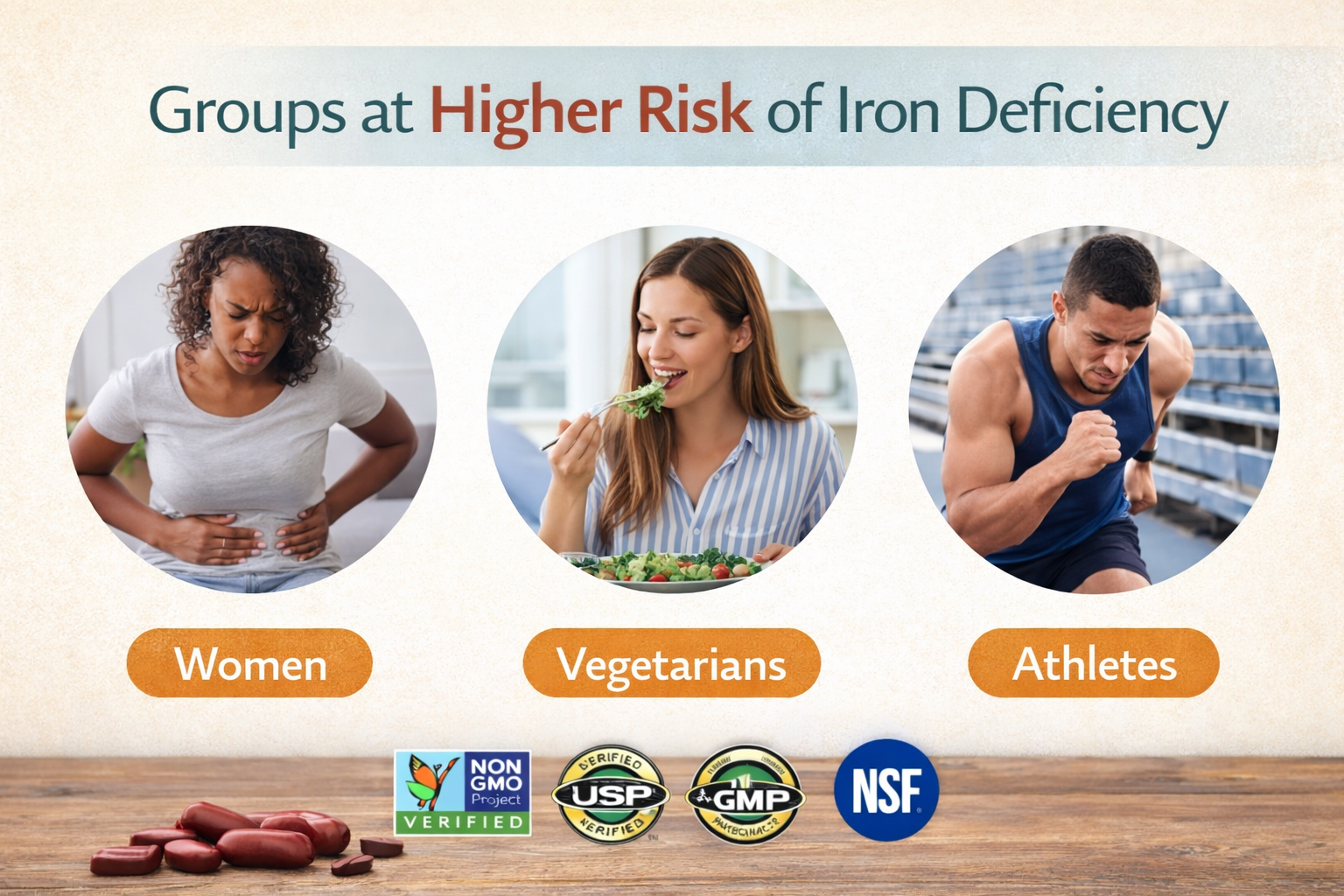
While anyone can develop iron deficiency, certain groups face significantly higher risk due to increased requirements, reduced intake, or impaired absorption.
Women of Reproductive Age
Menstruation represents a significant source of iron loss. Women with heavy periods (menorrhagia) are particularly vulnerable—losing more than 80ml of blood per cycle substantially depletes iron stores over time. Studies suggest up to 30% of menstruating women in the UK have low iron stores.
Pregnant Women
Pregnancy dramatically increases iron requirements. Blood volume expands by 30–50%, the placenta requires iron, and the developing baby builds its own iron stores. The UK Reference Nutrient Intake doesn’t increase during pregnancy because iron absorption becomes more efficient, but many women still become deficient—routine blood tests during antenatal care help identify this.
Vegetarians and Vegans
Plant-based diets contain only non-haem iron, which is less readily absorbed than haem iron from animal sources. While vegetarians and vegans can absolutely meet iron needs through diet, they need to be more strategic about iron-rich food choices and absorption enhancers like vitamin C.
Endurance Athletes
Runners and endurance athletes face increased iron losses through sweat, gastrointestinal bleeding, and a phenomenon called “foot-strike haemolysis” (red blood cell destruction from repetitive impact). Combined with inflammation from training that reduces iron absorption, this puts athletes at notable risk.
People with Digestive Conditions
Conditions affecting the stomach or intestines can impair iron absorption:
- Coeliac disease: Damages intestinal villi where iron is absorbed
- Inflammatory bowel disease: Crohn’s and ulcerative colitis cause malabsorption and blood loss
- Gastric bypass surgery: Bypasses the primary absorption site
- H. pylori infection: Reduces stomach acid needed for iron absorption
- Long-term PPI use: Proton pump inhibitors reduce stomach acid
Other At-Risk Groups
- Frequent blood donors: Each donation removes approximately 200–250mg of iron
- Infants and toddlers: Rapid growth increases requirements
- Teenagers: Growth spurts plus menstruation (in girls) increase needs
- Older adults: Reduced dietary intake and potential absorption issues
- People with chronic kidney disease: Reduced erythropoietin production and dialysis losses
How to Get Tested for Iron Deficiency (UK)
If you’re experiencing signs of iron deficiency, getting tested through your GP is the essential first step. Self-diagnosing and supplementing with iron when you don’t need it can cause harm—excess iron accumulates in organs and can be toxic.
What Tests Will Your GP Order?
A complete iron status assessment typically includes:
Full Blood Count (FBC): Measures haemoglobin, red blood cell count, and other parameters. Low haemoglobin confirms anaemia, while mean corpuscular volume (MCV) and mean corpuscular haemoglobin (MCH) help characterise it. Iron deficiency anaemia typically shows low MCV (microcytic) and low MCH (hypochromic).
Serum Ferritin: The most useful marker of iron stores. Ferritin below 30 µg/L suggests depleted stores; below 15 µg/L indicates definite deficiency. However, ferritin can be falsely elevated by inflammation, infection, or liver disease.
Serum Iron and Transferrin Saturation: These provide additional context. Low serum iron with low transferrin saturation supports iron deficiency. Your GP may also check C-reactive protein (CRP) to assess whether inflammation might be affecting results.
Interpreting Your Results
Iron deficiency exists on a spectrum:
- Iron depletion: Low ferritin, normal haemoglobin—stores are running low but anaemia hasn’t developed yet
- Iron deficiency without anaemia: Low ferritin, borderline haemoglobin—you may have symptoms despite “normal” haemoglobin
- Iron deficiency anaemia: Low ferritin AND low haemoglobin—confirmed anaemia requiring treatment
Importantly, you can experience significant symptoms at the iron depletion stage before developing anaemia. If your GP says your blood count is “normal” but your ferritin is low and you have symptoms, discuss this further.
When to Push for Testing
GPs should readily offer iron studies if you report symptoms. However, if you’re experiencing persistent fatigue that’s affecting your daily life, don’t accept being dismissed without investigation. The tests are inexpensive and straightforward—there’s no reason not to check.
Private blood testing is also available in the UK through services like Medichecks or Thriva if you prefer not to wait for a GP appointment, though results should still be discussed with a healthcare professional.
Investigating the Underlying Cause
Once iron deficiency is confirmed, your GP should investigate why. For menstruating women with heavy periods, the cause may be obvious. For men and post-menopausal women, unexplained iron deficiency requires investigation for potential gastrointestinal blood loss, which sometimes indicates serious underlying conditions.
Forms of Iron Supplements: Which Is Best?
Choosing the right iron form can make the difference between successful treatment and abandoned bottles due to side effects. The UK market offers numerous options, from traditional ferrous salts to newer “gentle iron” formulations.
| Form | Absorption | Best For | Elemental Iron | Side Effects |
|---|---|---|---|---|
| Iron Bisglycinate | ●●●●○ High | Sensitive stomachs, daily maintenance | ~20% of compound | Minimal GI upset |
| Ferrous Fumarate | ●●●●○ High | Treating deficiency/anaemia | 33% of compound | Moderate; less than sulphate |
| Ferrous Sulphate | ●●●○○ Moderate | NHS standard treatment (cost-effective) | 20% of compound | Common GI side effects |
| Ferrous Gluconate | ●●●○○ Moderate | Those who can’t tolerate sulphate | 12% of compound | Generally gentler |
| Ferric Iron (III) | ●●○○○ Lower | Specific medical situations | Variable | Fewer GI effects |
| Iron Polymaltose | ●●●○○ Moderate | Pregnancy, children | Variable | Very gentle; can take with food |
The Side Effect Problem
Traditional ferrous salts—particularly ferrous sulphate, the NHS standard—commonly cause gastrointestinal side effects: nausea, constipation, diarrhoea, stomach cramps, and dark stools. Studies suggest up to 30–40% of people taking ferrous sulphate experience bothersome symptoms, and many discontinue treatment as a result.
These side effects occur because free iron ions irritate the gut lining. The higher the dose of elemental iron, the worse the effects tend to be.
Why Gentle Iron Forms Work Better for Many
Iron bisglycinate (also called iron glycinate or chelated iron) binds iron to the amino acid glycine. This chelation protects the gut lining from direct iron exposure and allows absorption through amino acid pathways rather than competing with other minerals. Research shows iron bisglycinate causes significantly fewer GI symptoms while achieving comparable or better iron status improvements.
The trade-off is cost—iron bisglycinate supplements are more expensive than ferrous sulphate. But if ferrous sulphate’s side effects mean you stop taking it, the cheaper option provides no benefit at all.
Pros and Cons Comparison
✓ Iron Bisglycinate Pros
- Excellent absorption
- Minimal digestive side effects
- Can often be taken without food
- Doesn’t compete with other minerals
- Well-suited for long-term use
✗ Iron Bisglycinate Cons
- More expensive per dose
- Lower elemental iron per mg of compound
- May need higher mg amounts for therapeutic doses
- Less availability on NHS prescription
✓ Ferrous Sulphate Pros
- Very affordable
- Widely available (NHS and OTC)
- Proven effective for treating anaemia
- High elemental iron content
- Extensive research base
✗ Ferrous Sulphate Cons
- Common GI side effects (30–40%)
- High discontinuation rates
- Best absorbed on empty stomach (worsens nausea)
- Interacts with many foods and medications
🌿 Best for Sensitive Stomachs
Iron Bisglycinate (20–25 mg)
Gentle chelated form minimises digestive upset
💪 Best for Treating Anaemia
Ferrous Fumarate (65–100 mg elemental)
Higher elemental iron with better tolerability than sulphate
💰 Best Budget Option
Ferrous Gluconate (14–28 mg elemental)
Affordable with fewer side effects than sulphate
How Much Iron Do You Need Daily?
Iron requirements vary significantly based on age, sex, and life circumstances. The UK Reference Nutrient Intakes (RNIs) represent amounts sufficient to meet the needs of 97.5% of the population—but treating deficiency often requires higher therapeutic doses.
| Population | UK RNI | Treatment Dose Range | Upper Limit |
|---|---|---|---|
| Adult Men (19+) | 8.7 mg | 65–200 mg* | 45 mg (without deficiency) |
| Women (19–50, menstruating) | 14.8 mg | 65–200 mg* | 45 mg (without deficiency) |
| Women (50+, post-menopause) | 8.7 mg | 65–200 mg* | 45 mg (without deficiency) |
| Pregnancy | 14.8 mg† | 30–120 mg if deficient* | Discuss with midwife/GP |
| Breastfeeding | 14.8 mg | As advised by GP | Discuss with GP |
| Vegetarians/Vegans | RNI × 1.8‡ | As above | As above |
*Treatment doses for confirmed deficiency; under GP supervision
†No formal increase in UK RNI for pregnancy, but many require supplementation
‡Some experts recommend 1.8× RNI for vegetarians due to lower non-haem iron absorption
Daily Maintenance vs Treatment Doses
There’s an important distinction between maintaining adequate iron status and treating existing deficiency:
Maintenance (preventing deficiency): If your iron levels are normal and you’re eating a varied diet, you may not need supplements at all. If you’re at higher risk (vegetarian, heavy periods, athlete), a low-dose supplement of 14–20 mg elemental iron can help maintain stores.
Treatment (correcting deficiency): Confirmed iron deficiency typically requires 65–200 mg of elemental iron daily for 2–3 months to replenish stores. This should be monitored by your GP with repeat blood tests to confirm improvement.
The Every-Other-Day Approach
Interesting recent research suggests that taking iron every other day may be as effective as daily dosing for treating deficiency, with fewer side effects. This works because iron absorption triggers a hormone called hepcidin that temporarily blocks further absorption. By the next day, hepcidin levels remain elevated, meaning much of a second daily dose isn’t absorbed anyway.
If you struggle with daily iron supplement side effects, discuss alternate-day dosing with your GP—it may improve compliance while maintaining effectiveness.
Food Sources of Iron
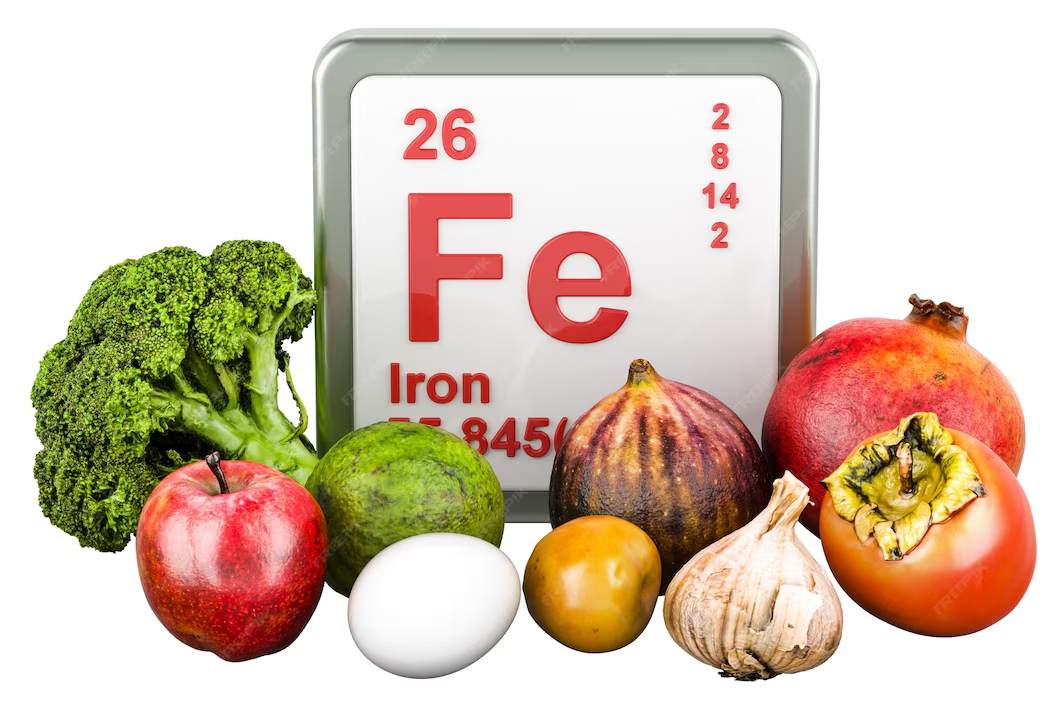
While supplements can correct deficiency, building a diet rich in iron-containing foods helps maintain healthy levels long-term. Understanding the difference between haem and non-haem iron is key to maximising dietary intake.
| Food | Serving Size | Iron Content | Iron Type |
|---|---|---|---|
| Liver (chicken or beef) | 100g | 7–11 mg | Haem (high absorption) |
| Beef (lean, cooked) | 100g | 2.5–3.5 mg | Haem |
| Mussels (cooked) | 100g | 5–7 mg | Haem |
| Sardines (canned) | 100g | 2.9 mg | Haem |
| Lentils (cooked) | 200g (1 cup) | 6.6 mg | Non-haem |
| Spinach (cooked) | 180g (1 cup) | 6.4 mg | Non-haem |
| Kidney beans (cooked) | 175g (1 cup) | 3.9 mg | Non-haem |
| Fortified breakfast cereal | 30–40g | 3–12 mg | Non-haem (fortified) |
| Tofu (firm) | 125g | 3 mg | Non-haem |
Haem vs Non-Haem Iron
Haem iron (from animal sources) is absorbed efficiently—typically 15–35% of what you consume enters your bloodstream. Absorption is relatively constant regardless of your iron status or what else you eat.
Non-haem iron (from plants, eggs, and fortified foods) is absorbed less efficiently—typically 2–20%. However, absorption increases when your body needs more iron and can be significantly enhanced or inhibited by other dietary factors.
For vegetarians and vegans relying entirely on non-haem iron, paying attention to absorption enhancers and inhibitors becomes particularly important.
Iron Absorption: Synergies and Blockers
What you eat and drink with iron-rich foods or supplements can dramatically affect how much iron you actually absorb. Understanding these interactions helps you maximise absorption and avoid common mistakes.
| Combination | Effect | How It Works | Evidence |
|---|---|---|---|
| Iron + Vitamin C | ↑↑ Enhances | Vitamin C converts iron to more absorbable form; can double or triple non-haem iron uptake | ⭐⭐⭐⭐ Strong |
| Iron + Meat/Fish | ↑ Enhances | “Meat factor” in animal protein enhances non-haem iron absorption from plant foods eaten together | ⭐⭐⭐ Good |
| Iron + Tea/Coffee | ↓↓ Blocks | Tannins and polyphenols bind iron, reducing absorption by up to 60–70% | ⭐⭐⭐⭐ Strong |
| Iron + Calcium/Dairy | ↓ Blocks | Calcium competes with iron for absorption; separate by 2 hours | ⭐⭐⭐ Good |
| Iron + Phytates (whole grains, legumes) | ↓ Blocks | Phytic acid binds iron; soaking/sprouting reduces phytate content | ⭐⭐⭐⭐ Strong |
| Iron + Zinc (high-dose supplements) | ↓ Competes | Minerals compete for absorption pathways; take separately | ⭐⭐⭐ Good |
Practical Tips for Better Absorption
✓ Iron Absorption Strategy
- Take iron with vitamin C: A glass of orange juice or vitamin C supplement can double absorption
- Avoid tea and coffee: Wait at least 1–2 hours before or after taking iron
- Separate from dairy and calcium: Take iron supplements 2 hours apart from calcium
- Take on an empty stomach if tolerated: Maximises absorption (but take with food if causes nausea)
- Space from other mineral supplements: Don’t take iron and zinc together
- Consider timing: Absorption may be slightly better in the morning
Iron and B12/Folate Connection
Iron deficiency often occurs alongside vitamin B12 or folate deficiency, particularly in vegetarians or those with digestive issues. All three nutrients are needed for healthy red blood cell production, and treating only one while ignoring the others may not fully resolve anaemia. Your GP should test all three when investigating fatigue or anaemia symptoms.
Safety Considerations and Precautions
Iron supplementation carries specific risks that make it different from many other nutrients. Taking iron when you don’t need it can cause harm, and certain populations need to exercise particular caution.
Iron Overload Risk
Unlike vitamins C or B, which your body excretes when excess is consumed, iron accumulates. Your body has no efficient mechanism for eliminating excess iron, so it builds up in organs—particularly the liver, heart, and pancreas—where it can cause serious damage over time.
Haemochromatosis is a genetic condition affecting approximately 1 in 200 people of Northern European descent that causes excessive iron absorption. People with haemochromatosis should never take iron supplements and may need regular blood removal (phlebotomy) to maintain safe iron levels. Symptoms often don’t appear until middle age and include fatigue, joint pain, abdominal pain, and bronzed skin.
Drug Interactions
| Medication | Risk Level | Interaction | Recommendation |
|---|---|---|---|
| Levothyroxine (thyroid medication) | HIGH | Iron significantly reduces levothyroxine absorption | Take at least 4 hours apart |
| Quinolone antibiotics (ciprofloxacin) | HIGH | Iron binds antibiotic, reducing effectiveness | Take iron 2 hours before or 6 hours after |
| Tetracycline antibiotics | HIGH | Mutual binding reduces absorption of both | Separate by 2–3 hours minimum |
| Levodopa (Parkinson’s medication) | MODERATE | Iron can reduce levodopa absorption | Separate by 2 hours; monitor symptoms |
| Bisphosphonates (osteoporosis drugs) | MODERATE | Iron reduces bisphosphonate absorption | Take iron at a completely different time of day |
| Proton pump inhibitors (omeprazole) | MODERATE | Reduced stomach acid impairs iron absorption | May need higher doses or chelated forms; discuss with GP |
Other Precautions
- Never give adult iron supplements to children: Iron overdose is a leading cause of poisoning deaths in young children. Keep supplements locked away.
- Don’t supplement without confirmed deficiency: Get tested first; symptoms of iron deficiency overlap with many other conditions.
- Monitor during pregnancy: While iron supplementation is often needed, it should be guided by antenatal blood tests.
- Report GI bleeding: Dark/black stools are normal with iron supplements, but if you see red blood or have concerning symptoms, seek medical attention.
🚨 Warning: Iron supplements are dangerous to children. Even a small handful of adult iron tablets can be fatal to a young child. Always store iron supplements in child-resistant containers, out of sight and reach. If a child consumes iron supplements, call 999 or go to A&E immediately.
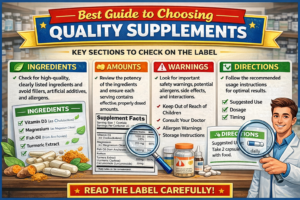
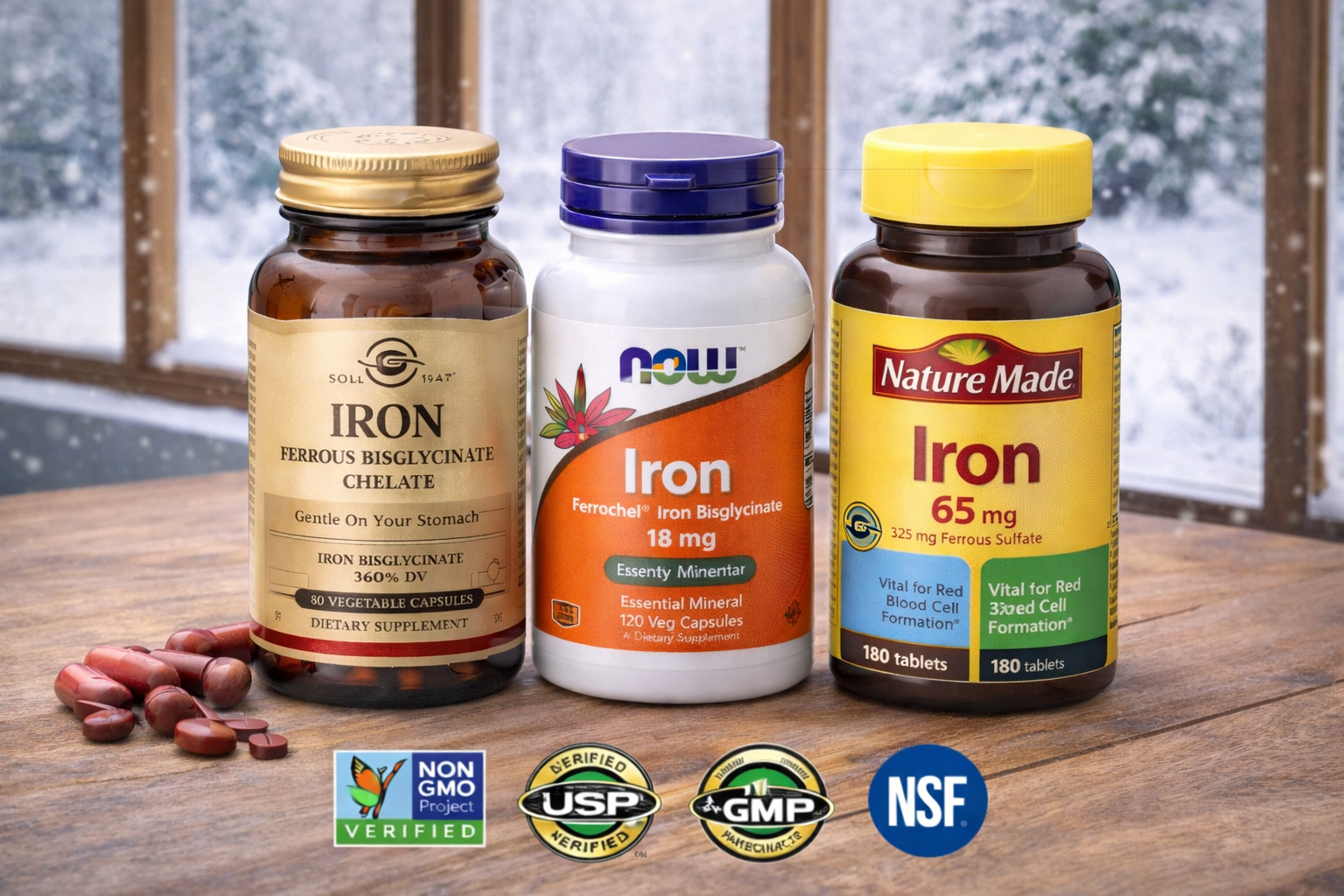
How to Choose a Quality Iron Supplement
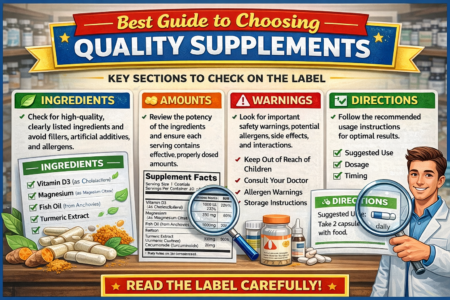
The UK market offers a wide range of iron supplements at various price points. Understanding what to look for helps you choose wisely.
✅ Quality Checklist: What to Look For
- ☐ Gentle, well-absorbed form — Iron bisglycinate, ferrous fumarate, or ferrous gluconate preferred
- ☐ Elemental iron clearly stated — Label should specify actual iron content (e.g., “providing 20mg iron”)
- ☐ Appropriate dose — 14–20mg for maintenance; higher only if treating confirmed deficiency
- ☐ Added vitamin C — Enhances absorption; convenient in combination products
- ☐ Third-party tested — Quality verification from independent labs
- ☐ No unnecessary additives — Minimal fillers, no artificial colours
- ☐ Clear dosing instructions — Including timing relative to food and other supplements
- ☐ UK/EU manufactured or certified — Adheres to strict quality standards
🚩 Red Flags to Avoid
- Very high doses without clear indication — 100mg+ elemental iron daily is rarely needed for maintenance
- No elemental iron specified — “200mg ferrous sulphate” doesn’t tell you actual iron content
- Ferrous sulphate only — High side effect rate; better options available
- Contains only ferric iron (III) — Poorly absorbed compared to ferrous forms
- Unverified claims — “Instant energy boost” or similar marketing speak
- Unfamiliar brands with no quality certification — Especially important for mineral supplements
- Non-child-resistant packaging — Safety concern for households with children
Products Worth Considering
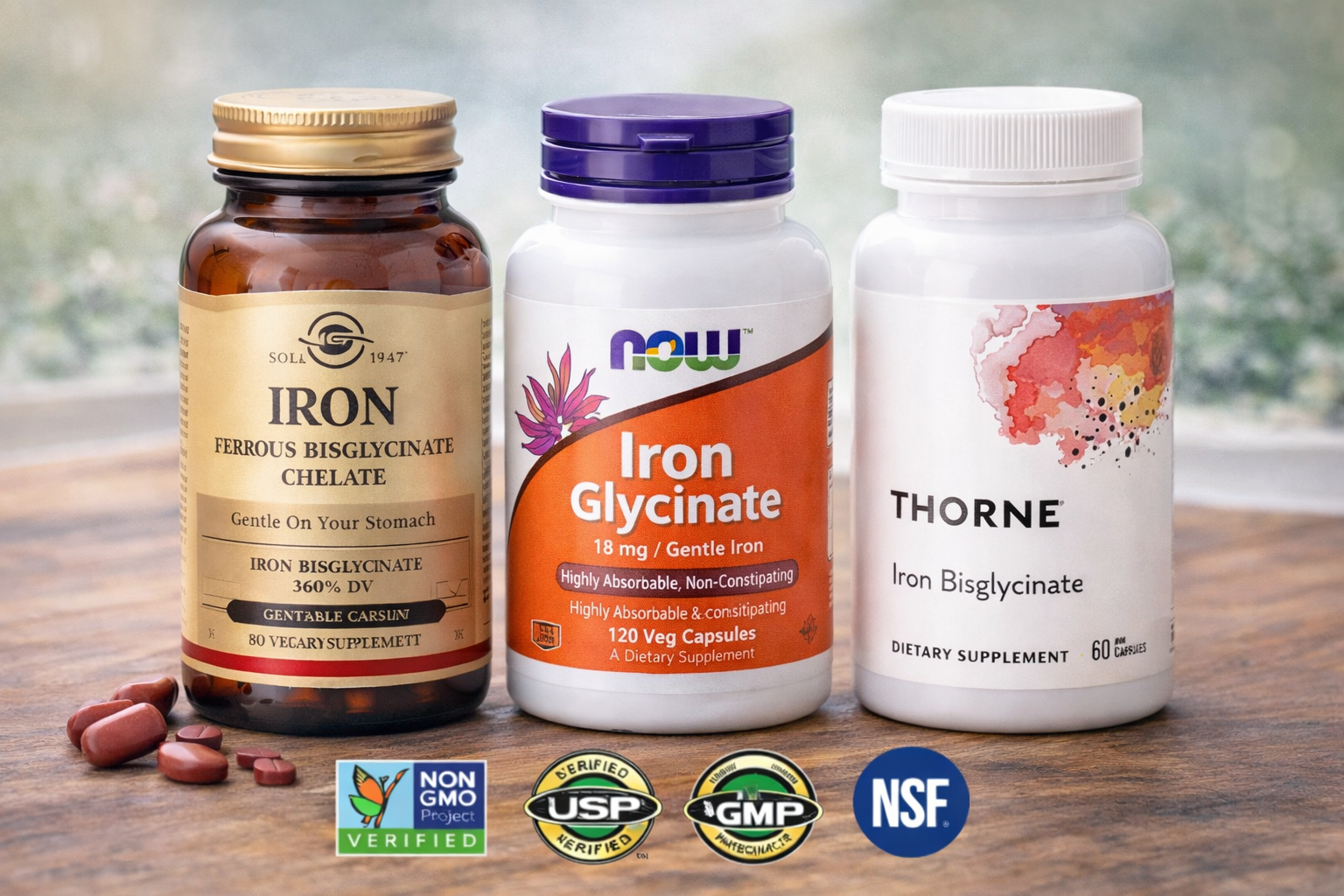
Iron Bisglycinate Gentle Formula
A gentle, highly absorbable iron formula using chelated iron bisglycinate. Designed for those who experience digestive upset with traditional iron supplements.
- 20mg elemental iron (as iron bisglycinate)
- Gentle on the stomach—can often be taken without food
- Doesn’t cause constipation for most users
- Small, easy-to-swallow vegetarian capsule
- Suitable for long-term maintenance use
Iron + Vitamin C Complex
Combines iron fumarate with vitamin C for enhanced absorption. Ideal for those treating iron deficiency who want to maximise uptake without taking separate supplements.
- 24mg elemental iron (as ferrous fumarate) + 80mg vitamin C
- Vitamin C enhances iron absorption by up to 2–3 times
- One-a-day tablet—convenient dosing
- Also includes folic acid (400µg) for complete blood health support
- Suitable during pregnancy (discuss with midwife)
Frequently Asked Questions
What are the main signs of iron deficiency?
The most common signs of iron deficiency include persistent fatigue and weakness, breathlessness during normal activities, pale skin (especially inner eyelids and nail beds), brittle or spoon-shaped nails, hair loss or thinning, restless legs syndrome, frequent infections, difficulty concentrating, and unusual cravings for ice or non-food items. Symptoms typically develop gradually and may be subtle at first. If you’re experiencing several of these, ask your GP for a blood test.
What is the best iron supplement in the UK?
The best iron supplements in the UK use gentle, well-absorbed forms like iron bisglycinate (also called chelated iron or gentle iron) or ferrous fumarate. Iron bisglycinate causes significantly fewer digestive side effects than ferrous sulphate—the traditional NHS option—while providing comparable absorption. For maximum absorption, look for products that include vitamin C or take your iron with a vitamin C source.
How much iron should I take daily?
For maintenance (preventing deficiency), 14–20mg elemental iron is typically sufficient. For treating confirmed deficiency or anaemia, your GP may recommend 65–200mg elemental iron daily for 2–3 months until stores are replenished. Never take high-dose iron supplements without confirmed deficiency, as excess iron accumulates and can cause organ damage.
Why does iron cause constipation and stomach upset?
Traditional iron forms like ferrous sulphate release free iron ions that irritate the gut lining, causing nausea, constipation, and other digestive symptoms. Chelated forms like iron bisglycinate keep iron bound to amino acids, protecting the gut lining and allowing absorption through different pathways. Taking iron with food reduces side effects but also reduces absorption—it’s a trade-off.
Can I take iron supplements without a blood test?
It’s not advisable. Iron deficiency symptoms overlap with many other conditions, and taking iron when you don’t need it can cause harm—excess iron accumulates in organs and is toxic. Getting a simple blood test through your GP confirms whether you’re actually deficient and provides a baseline to measure improvement. If you’re in a high-risk group (vegetarian, heavy periods, athlete), periodic testing is worthwhile.
How long does it take to correct iron deficiency?
With appropriate supplementation, you may start feeling better within 2–4 weeks as new red blood cells are produced. However, fully replenishing iron stores typically takes 2–3 months or longer. Your GP should retest your ferritin after this period to confirm stores are restored. Even after levels normalise, some people benefit from ongoing low-dose maintenance, particularly if they have ongoing risk factors.
Final Thoughts
Iron deficiency remains surprisingly common in the UK, affecting energy, immunity, cognitive function, and quality of life. The good news is that once identified, it’s highly treatable—the key is choosing the right approach.
If you’re experiencing the classic signs of iron deficiency—persistent fatigue, breathlessness, pale skin, or unexplained hair and nail changes—don’t brush them off. A simple blood test through your GP can confirm or rule out deficiency and guide appropriate treatment. Self-diagnosing and supplementing without testing risks missing other conditions or causing harm from unnecessary iron intake.
When it comes to choosing the best iron supplement in the UK, prioritise gentle, well-absorbed forms like iron bisglycinate or ferrous fumarate over the traditional ferrous sulphate. Yes, they cost more—but if ferrous sulphate’s side effects mean you stop taking it, the cheaper option provides no benefit at all. Adding vitamin C to your iron routine, whether through diet or supplements, can significantly boost absorption.
Remember that correcting iron deficiency takes time. You may feel better within a few weeks, but fully replenishing stores requires 2–3 months of consistent supplementation. Work with your GP, get follow-up blood tests to confirm improvement, and address any underlying causes of your deficiency for lasting results.
For more comprehensive information about iron supplementation and addressing deficiency, see our complete guide to iron supplements and deficiency signs.
Sources
- NHS. “Iron deficiency anaemia.” NHS Choices. NHS — Iron Deficiency Anaemia
- NIH Office of Dietary Supplements. “Iron – Fact Sheet for Health Professionals.” NIH ODS. NIH ODS — Fact Sheets
- British Dietetic Association. “Iron.” Food Fact Sheets. BDA — Iron
- Stoffel NU et al. “Iron absorption from oral iron supplements given on consecutive versus alternate days and as single morning doses versus twice-daily split dosing.” Blood. PubMed — Iron Dosing Research
- Cancelo-Hidalgo MJ et al. “Tolerability of different oral iron supplements: a systematic review.” Curr Med Res Opin. PubMed — Iron Tolerability
- Harvard T.H. Chan School of Public Health. “Iron.” The Nutrition Source. Harvard Health — Iron
Written by Arsim Rama
Health Content Specialist · Last reviewed: January 2026
Affiliate Disclosure: This article may contain affiliate links. If you purchase through these links, we may earn a small commission at no extra cost to you. We only recommend products we believe in.
Medical Disclaimer: This article is for educational purposes only and does not constitute medical advice. Always consult your GP or qualified healthcare professional before making changes to your health regimen.