

✓ Quick Answer
Vitamin D3 (cholecalciferol) is essential for calcium absorption, immune function, and bone health. Most UK adults need 1000-4000 IU daily, especially October through March when sunlight cannot produce adequate vitamin D. It’s best absorbed when taken with food containing fats.
Vitamin D3 is a fat-soluble nutrient that regulates calcium absorption, supports immune cell function, and maintains bone density. Unlike vitamin D2, D3 is the form your body naturally produces from sunlight and is more effective at raising blood levels. In the UK’s climate, supplementation is often necessary during winter months when UVB exposure is insufficient.
📅 Last reviewed: January 2026 · Research current as of: 2026
Introduction: Why Vitamin D3 Matters
Vitamin D3 plays critical roles beyond bone health. Research indicates it influences over 200 genes and affects immune system regulation, cardiovascular function, and mood stability [2].
In the UK, approximately one in five adults has low vitamin D levels, with deficiency particularly common during winter months [1]. Geographic latitude means that between October and March, the angle of the sun prevents UVB rays from triggering vitamin D production in skin, regardless of time spent outdoors.
Understanding how this nutrient works, optimal intake levels, and practical supplementation strategies helps you maintain adequate status year-round.

🎬 Watch: How vitamin D3 works in your body and why UK residents often need supplementation
What Is Vitamin D3
Vitamin D3 (cholecalciferol) is one of two main forms of vitamin D, the other being D2 (ergocalciferol). Your body produces D3 when UVB rays from sunlight interact with 7-dehydrocholesterol in your skin, converting it through a heat-dependent reaction.
Once formed, D3 travels to your liver where it becomes 25-hydroxyvitamin D (calcidiol), the form measured in blood tests. This then converts in kidneys to the active hormone calcitriol (1,25-dihydroxyvitamin D), which regulates calcium, bone metabolism, and cellular functions throughout your body.
What’s the difference between vitamin D and D3?
“Vitamin D” is an umbrella term covering both D2 and D3 forms, while “vitamin D3” specifically refers to cholecalciferol. D3 is more potent and effective at maintaining blood levels compared to D2 [4]. Your body treats them differently—D3 binds more effectively to vitamin D binding proteins and has a longer half-life.
D2 comes from plant sources and is often used to fortify foods, while D3 is found in animal sources and is what your skin synthesizes from sunlight. When choosing supplements, D3 is generally preferred for its superior bioavailability.
How Vitamin D3 Works in the Body
Vitamin D3 functions as a steroid hormone rather than a traditional vitamin. After conversion to its active form, it binds to vitamin D receptors (VDRs) found in nearly every cell type.
How does vitamin D3 work in the body?
Vitamin D3 regulates gene expression by binding to VDRs in cell nuclei, controlling over 200 genes involved in calcium transport, immune responses, and cell growth. Its primary role is maintaining calcium homeostasis—when blood calcium drops, active vitamin D increases intestinal calcium absorption and, if needed, signals bones to release calcium [3].
Beyond bones, it modulates immune cells including T cells and macrophages, influences insulin secretion, and affects cardiovascular muscle tissue. This widespread receptor distribution explains its broad health effects.
| Body System | Primary Function | Mechanism |
|---|---|---|
| Skeletal | Calcium absorption and bone mineralization | Increases intestinal calcium uptake by 30-40% |
| Immune | Pathogen defense and inflammation regulation | Activates antimicrobial peptides in immune cells |
| Cardiovascular | Blood pressure regulation | Suppresses renin production in kidneys |
| Muscular | Muscle contraction and strength | VDRs in muscle tissue affect protein synthesis |
| Nervous | Neuroprotection and mood regulation | Influences neurotransmitter synthesis |
Main Benefits of Vitamin D3
Current evidence suggests vitamin D3 supports multiple aspects of health, though not all proposed benefits have equal research backing.
What are the main benefits of vitamin D3?
The most established benefits include maintaining bone density, supporting immune function against respiratory infections, and regulating calcium metabolism. Evidence also suggests potential benefits for cardiovascular health, mood support, and muscle strength [2]. However, benefits vary based on individual vitamin D status—those with deficiency experience more noticeable improvements than those with adequate baseline levels.
Research quality differs across health outcomes. Bone health benefits have the strongest evidence base, while effects on conditions like depression or diabetes show more mixed results in clinical trials.
✓ Key Benefits Supported by Research
- Bone Health: Reduces fracture risk in elderly by 20-30% when combined with calcium
- Immune Function: May reduce risk of acute respiratory infections, particularly in deficient individuals
- Muscle Strength: Improves muscle function and reduces fall risk in older adults
- Calcium Absorption: Essential for efficient dietary calcium uptake (30-40% increase)
- Cardiovascular Support: Evidence suggests modest blood pressure reduction in hypertensive individuals [5]
- Mood Regulation: Some studies link adequate levels with better mood, though mechanisms remain unclear
- Cell Growth Regulation: Influences normal cell differentiation and may play role in cancer prevention (under investigation)

Vitamin D3 Dosage and Requirements
Recommended intake varies based on age, baseline status, sun exposure, and individual factors. As of 2026, UK guidelines suggest 400 IU (10 mcg) daily as a baseline, though many health professionals recommend higher amounts for therapeutic use [6].
How much vitamin D3 should I take daily?
Most UK adults benefit from 1000-2000 IU (25-50 mcg) daily during autumn and winter, with some requiring up to 4000 IU based on blood test results. The NHS recommends at minimum 400 IU (10 mcg) year-round for those with limited sun exposure [6]. Individual needs depend on factors including skin tone (darker skin requires more sun for equivalent D3 production), body weight (higher weight may need more), and existing deficiency levels.
Blood testing provides the most accurate guidance—optimal levels generally fall between 50-75 nmol/L (20-30 ng/mL), though some practitioners target 75-100 nmol/L for immune optimization. If you’re interested in testing your vitamin D levels, both NHS and private options are available.
| Age Group | NHS Minimum | Common Supplement Dose | Upper Safe Limit |
|---|---|---|---|
| Infants (0-1 year) | 340-400 IU | 400 IU | 1000 IU |
| Children (1-10 years) | 400 IU | 400-600 IU | 2000 IU |
| Teens (11-18 years) | 400 IU | 600-1000 IU | 4000 IU |
| Adults (19-70 years) | 400 IU | 1000-2000 IU | 4000 IU |
| Seniors (70+ years) | 400 IU | 2000-4000 IU | 4000 IU |
📊 Insight You Won’t Find Elsewhere
Due to the UK’s latitude (51-59°N), UVB rays capable of triggering vitamin D synthesis only reach the country from late March through early October. During the October-March period, even midday sun exposure produces zero vitamin D, regardless of time outdoors. This creates a seasonal dosing strategy many experts recommend: 1000 IU daily April-September (with regular sun exposure) versus 2000-4000 IU October-March. This approach mimics natural seasonal variation while preventing winter deficiency.
Source: NHS seasonal guidance + latitude-based UVB research
Should vitamin D3 be taken with food?
Yes, vitamin D3 absorption increases by approximately 32% when taken with a meal containing dietary fats compared to fasted intake [8]. The nutrient is fat-soluble, requiring lipids for optimal uptake. Your largest meal of the day typically provides the best absorption opportunity, whether that’s breakfast, lunch, or dinner.
As little as 11 grams of fat (found in a tablespoon of olive oil, a handful of nuts, or half an avocado) significantly improves bioavailability. Some emerging evidence suggests evening dosing might interfere with sleep quality in sensitive individuals, though research remains limited.
Food Sources of Vitamin D3
Few foods naturally contain significant vitamin D3, making supplementation or sun exposure necessary for most people to reach optimal levels.
Can you get vitamin D3 from food?
Yes, but dietary sources alone rarely provide adequate amounts. Oily fish (salmon, mackerel, sardines) offer the highest concentrations at 400-1000 IU per 100g serving, while egg yolks provide about 40 IU per egg and beef liver contains roughly 50 IU per 100g. Fortified foods like milk, orange juice, and cereals add 100-140 IU per serving but still fall short of daily needs.
Even a varied diet rich in these foods typically provides only 200-400 IU daily—below what most UK residents require, especially during winter months. For context on improving nutrient absorption, our guide on optimizing calcium absorption offers complementary strategies.
| Food Source | Serving Size | Vitamin D3 Content |
|---|---|---|
| Salmon (wild) | 100g | 600-1000 IU |
| Mackerel | 100g | 400-500 IU |
| Sardines (canned) | 100g | 300-600 IU |
| Egg yolk | 1 large egg | 40 IU |
| Fortified milk | 240ml | 100-140 IU |
| Beef liver | 100g | 50 IU |
| Fortified orange juice | 240ml | 100 IU |
| Mushrooms (UV-exposed) | 100g | 100-400 IU (D2, not D3) |
Vitamin D3 Deficiency
Deficiency occurs when blood levels of 25-hydroxyvitamin D fall below 25-30 nmol/L (10-12 ng/mL), though insufficiency (below 50 nmol/L) is also problematic. Public Health England data suggests approximately 20% of UK adults have levels below 25 nmol/L in winter [10].
What are the signs of vitamin D3 deficiency?
Early deficiency symptoms include fatigue, frequent infections (particularly respiratory), muscle weakness, bone pain, and low mood. Many people experience no obvious symptoms until deficiency becomes severe, which is why it’s often called a “silent” deficiency [10]. Long-term deficiency leads to rickets in children (soft, weak bones) and osteomalacia in adults (bone pain and muscle weakness).
Risk factors include limited sun exposure, darker skin tone, being housebound or covering skin for cultural reasons, being over 65, having obesity (vitamin D gets sequestered in fat tissue), and certain medical conditions affecting absorption. For more detail, see our article on common signs of deficiency.
How long does it take for vitamin D3 to work?
Blood levels typically begin rising within one week of daily supplementation, with significant improvements visible in 2-4 weeks. However, tissue saturation and full health benefits may take 3-6 months of consistent intake [9]. People starting from deficient status often notice energy improvements within 2-3 weeks, while bone density changes require several months of adequate levels.
The rate of improvement depends on starting level, dosage, and individual absorption efficiency. Higher therapeutic doses (4000-10,000 IU) under medical supervision can correct severe deficiency faster than maintenance doses.

Safety and Side Effects
Vitamin D3 is remarkably safe when used within recommended ranges, but excessive intake carries risks.
Is it safe to take vitamin D3 every day?
Yes, daily vitamin D3 supplementation is safe for most people at doses up to 4000 IU, which is considered the tolerable upper intake level for adults without medical supervision [7]. Many people safely take 1000-2000 IU daily for years. Daily dosing is preferable to weekly mega-doses as it maintains more stable blood levels and better mimics natural production patterns.
Safety concerns primarily arise above 10,000 IU daily taken long-term without monitoring, though even these higher doses rarely cause problems in short-term use. The key is consistency at appropriate levels rather than sporadic high doses.
Can you take too much vitamin D3?
Yes, though toxicity is rare and typically only occurs with prolonged intake exceeding 10,000 IU daily or blood levels above 125-150 nmol/L. Symptoms of excess include nausea, vomiting, weakness, frequent urination, and in severe cases, kidney damage from calcium deposits [7]. Toxicity results from hypercalcemia (excess blood calcium) rather than vitamin D itself.
The risk is extremely low with supplements containing 4000 IU or less. Sun exposure cannot cause vitamin D toxicity as your body self-regulates production. If you’re taking high-dose supplementation (above 4000 IU), periodic blood testing helps ensure levels remain in the optimal range.
Who Should Be Careful or Avoid This
While vitamin D3 supplementation is safe for most people, certain groups should exercise caution:
- Those with hypercalcemia: High blood calcium makes vitamin D supplementation dangerous without medical supervision
- Kidney disease patients: Impaired vitamin D metabolism and calcium handling requires careful monitoring and adjusted dosing
- Sarcoidosis or lymphoma patients: These conditions can cause abnormally high sensitivity to vitamin D, leading to dangerous calcium elevation
- People taking certain medications: Thiazide diuretics, digoxin, and some weight-loss medications may interact; consult your GP
- Those with hyperparathyroidism: Parathyroid disorders affect calcium regulation, complicating vitamin D supplementation
- Individuals with kidney stones: High vitamin D can increase calcium absorption, potentially increasing stone risk in susceptible people
Always consult your GP before starting any new supplement, especially if you take medications or have existing health conditions.
Practical Tips for Taking Vitamin D3
Optimizing how you take vitamin D3 improves results and helps maintain consistent levels.
Timing: Take with your largest meal containing fats—breakfast, lunch, or dinner all work equally well. Some evidence suggests morning dosing may support natural circadian rhythms, while others prefer evening with dinner for convenience.
Consistency: Daily supplementation works better than weekly mega-doses for maintaining stable blood levels. Set a reminder if you struggle with routine.
Storage: Keep supplements in cool, dark, dry locations. Heat and light degrade potency over time. Avoid bathroom storage due to humidity.
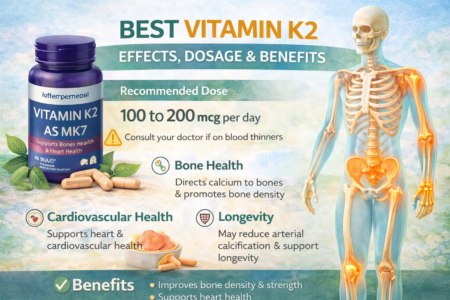
Combination supplements: Vitamin D3 + K2 combinations may enhance bone benefits by directing calcium appropriately. Learn more about how K2 works with vitamin D. Magnesium also supports vitamin D metabolism, as it’s required for converting D3 to its active form.
Sun exposure: Even in summer, aim for 10-15 minutes of midday sun on arms and legs 2-3 times weekly. This provides approximately 3000-5000 IU, though amount varies significantly by skin tone—darker skin requires 3-6 times longer exposure for equivalent production.
Testing: If you’ve never checked your vitamin D status, consider baseline testing then retest after 3 months of supplementation to confirm adequate dosing.
Those interested in a seasonal approach might explore our guide on adjusting supplements by season to align intake with natural UVB availability.
Choosing Quality Vitamin D3 Supplements
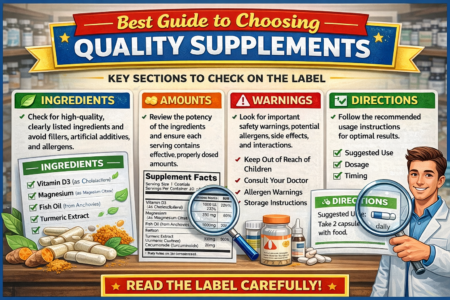
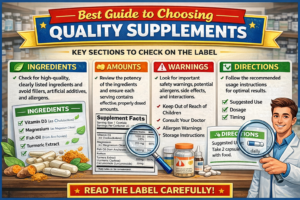
Supplement quality varies significantly between brands. Look for these indicators when selecting a product:
Form: Choose D3 (cholecalciferol) over D2 for superior absorption and potency. Check that labels specifically state “D3” or “cholecalciferol.”
Dosage: Select strength based on your needs—1000-2000 IU for general maintenance, higher doses only with healthcare guidance. Avoid extremely high doses (10,000+ IU) unless specifically recommended by your GP.
Delivery format: Softgel capsules contain oil for better absorption. Liquid drops offer flexible dosing. Tablets work but may absorb slightly less efficiently. All formats are effective when taken with food.
Added nutrients: D3 + K2 combinations support bone health. D3 + calcium products suit those needing both nutrients. Plain D3 offers maximum flexibility.
Third-party testing: Look for products tested by independent organizations confirming purity and accurate labeling.
Source: Most D3 derives from lanolin (sheep’s wool). Vegan options sourced from lichen are available but typically more expensive.
For detailed product comparisons, see our guide to the highest-rated vitamin D3 supplements available in the UK.
Premium Vitamin D3 Supplements
Premium Vitamin D3 4000 IU with K2
This comprehensive formula combines high-strength D3 with synergistic K2 (MK-7 form) for optimal bone and cardiovascular support. The 4000 IU dosage suits those with confirmed deficiency or limited sun exposure during UK winter months.
- ✓ 4000 IU vitamin D3 per capsule (optimal therapeutic dose)
- ✓ Includes 100 mcg vitamin K2 (MK-7 form for enhanced bioavailability)
- ✓ Softgel format with coconut oil for improved absorption
- ✓ Third-party tested for purity and potency
- ✓ 3-month supply (90 capsules)
High-Strength Vitamin D3 Liquid Drops
Flexible liquid format ideal for those preferring non-capsule supplements or requiring precise dosage adjustments. Each drop provides 1000 IU, allowing customization based on individual needs or healthcare provider recommendations.
- ✓ 1000 IU per drop (highly adjustable dosing)
- ✓ MCT oil base for enhanced absorption
- ✓ Unflavored formula suitable for adding to drinks or taking directly
- ✓ Suitable for all ages with appropriate dosing
- ✓ Faster absorption than tablets
Both formats offer reliable supplementation. Capsules provide consistent dosing and longer shelf life, while liquids allow flexible adjustment and faster uptake. Consider your preferences and whether you need dosing flexibility when choosing. Those looking for comprehensive bone support might also explore essential nutrients for bone strength beyond vitamin D alone.
Frequently Asked Questions
Can I get enough vitamin D from sunlight alone in the UK?
During April-September, 10-15 minutes of midday sun on arms and legs 2-3 times weekly can provide adequate vitamin D for some people, though this varies significantly by skin tone and weather. Between October and March, the sun’s angle prevents UVB rays from reaching the UK, making vitamin D production impossible regardless of time outdoors. Even in summer, factors like sunscreen use (which blocks UVB), cloud cover, and indoor lifestyles often result in insufficient production, making supplementation advisable for most UK residents year-round.
What’s better: vitamin D2 or D3?
Vitamin D3 (cholecalciferol) is more effective than D2 (ergocalciferol) at raising and maintaining blood levels. Research shows D3 increases 25-hydroxyvitamin D concentrations approximately 87% more effectively than equivalent doses of D2 [4]. D3 also has a longer half-life and binds more effectively to vitamin D binding proteins. Always choose D3 supplements when possible, unless you follow a strict vegan diet and prefer plant-based D2 or lichen-derived vegan D3.
Does vitamin D3 help with weight loss?
While some observational studies link adequate vitamin D levels with healthier body weight, direct evidence that supplementation causes weight loss remains weak. People with obesity often have lower vitamin D levels, but this may reflect the nutrient getting sequestered in fat tissue rather than deficiency causing weight gain. Correcting deficiency may indirectly support weight management by improving energy levels and enabling more physical activity, but D3 is not a weight-loss supplement. Focus on proven approaches like balanced nutrition and regular exercise.
Can vitamin D3 interfere with sleep?
Some people report sleep disruption when taking vitamin D3 in the evening, though research remains limited and individual responses vary. The nutrient may influence melatonin production and circadian rhythms. If you experience sleep issues after starting supplementation, try taking your dose with breakfast or lunch instead. Most people tolerate evening dosing without problems, so experiment to find what works best for your body.
Should pregnant women take vitamin D3?
Yes, adequate vitamin D during pregnancy supports fetal bone development and may reduce risk of complications like pre-eclampsia. The NHS recommends pregnant women take 400 IU (10 mcg) daily as a minimum, though some healthcare providers suggest higher doses based on blood tests. Doses above 4000 IU should only be taken under medical supervision during pregnancy. Always consult your midwife or GP before starting supplementation, and consider joining our discussion on other immune-supporting nutrients beneficial during pregnancy.
How does vitamin D3 differ from calcium supplements?
Vitamin D3 and calcium serve different but complementary roles. Calcium provides the mineral building blocks for bones and teeth, while vitamin D3 regulates how much calcium your intestines absorb from food and how it’s deposited in bones. Taking calcium without adequate vitamin D results in poor absorption—only about 10-15% gets absorbed versus 30-40% with sufficient D3. Many people benefit from both nutrients, though adequate D3 levels should be established first before adding calcium supplementation. Not everyone needs calcium supplements if dietary intake is sufficient (700-1000mg daily from dairy, leafy greens, fortified foods).
Final Thoughts
Vitamin D3 represents one of the most important nutrients for UK residents, given limited UVB exposure during half the year and widespread insufficiency. Its roles in calcium absorption, immune function, bone health, and potentially cardiovascular and mood support make adequate intake essential.
For most adults, 1000-2000 IU daily during autumn and winter provides reliable maintenance, with higher doses appropriate for those with confirmed deficiency or limited sun exposure. Taking supplements with food containing fats optimizes absorption, while consistency matters more than perfect timing.
The strongest evidence supports bone health benefits, but immune support and muscle function also show clear advantages. While supplementation cannot replace balanced nutrition, regular activity, and appropriate sun exposure, it fills a critical gap that UK climate creates.
If you’re uncertain about your status, consider blood testing to establish baseline levels and confirm appropriate dosing. Most people notice improvements in energy and wellbeing within several weeks of achieving adequate levels, with bone benefits developing over months of consistent intake.
Sources
- NHS. “Vitamin D.” NHS, 2024. View source
- National Institutes of Health. “Vitamin D – Fact Sheet for Health Professionals.” Office of Dietary Supplements, 2024. View source
- Christakos S, et al. “Vitamin D: Metabolism, Molecular Mechanism of Action, and Pleiotropic Effects.” Physiological Reviews, 2016. View source
- Tripkovic L, et al. “Comparison of vitamin D2 and vitamin D3 supplementation in raising serum 25-hydroxyvitamin D status: a systematic review and meta-analysis.” American Journal of Clinical Nutrition, 2012. View source
- Qi D, et al. “Vitamin D supplementation and cardiovascular disease risks in more than 83,000 individuals: a systematic review and meta-analysis.” Journal of the American Heart Association, 2019. View source
- NHS. “Do I need vitamin D supplements?” NHS, 2023. View source
- National Institutes of Health. “Vitamin D – Fact Sheet for Health Professionals (Safety).” Office of Dietary Supplements, 2024. View source
- Dawson-Hughes B, et al. “Estimates of optimal vitamin D status.” Osteoporosis International, 2005. View source
- Gallagher JC, et al. “Dose response to vitamin D supplementation in postmenopausal women.” Annals of Internal Medicine, 2012. View source
- Public Health England. “Vitamin D and Health.” Scientific Advisory Committee on Nutrition, 2016. View source
Written by Arsim Rama, Health Content Specialist · Last reviewed: January 2026
Affiliate Disclosure: This article contains affiliate links. If you purchase through these links, we may earn a small commission at no extra cost to you.
Medical Disclaimer: This article is for educational purposes only and is not intended as medical advice. Always consult your GP or qualified healthcare professional before starting any new supplement, especially if you are pregnant, nursing, taking medications, or have a medical condition.