




Quick Answer: When comparing 30 minutes of exercise vs daily steps, research shows both deliver significant health benefits. Structured exercise offers greater cardiovascular and strength gains, whilst accumulating steps throughout the day improves metabolic health and is more sustainable for beginners. The optimal approach combines both strategies.
🎯 Key Takeaways
- ✓ Thirty-minute structured workouts provide superior cardiovascular conditioning and muscle-building benefits compared to casual walking alone
- ✓ Daily step accumulation reduces sedentary behaviour risks and supports consistent metabolic function throughout the day
- ✓ Research indicates 7,000-10,000 daily steps combined with 150 minutes of weekly moderate exercise delivers optimal health outcomes
- ✓ Your lifestyle, fitness goals, and physical condition determine which approach works best for you
Editorial Note: This article provides general health and fitness information based on peer-reviewed research. It does not constitute medical advice. Always consult your GP or a qualified healthcare professional before starting any new exercise programme, particularly if you have existing health conditions.
Introduction
The debate between 30 minutes of exercise vs daily steps has sparked considerable discussion in fitness communities worldwide. According to the World Health Organisation, physical inactivity remains the fourth leading risk factor for global mortality, making this question more relevant than ever. With busy schedules demanding efficient health strategies, understanding which approach delivers better results could transform your fitness journey.
Recent studies have challenged long-held assumptions about structured workouts versus accumulated physical activity. Whilst gym enthusiasts advocate for dedicated exercise sessions, proponents of step counting argue that consistent daily movement offers comparable benefits without the intimidation factor. The truth, as you’ll discover, lies in understanding how each approach affects your body differently.
In this comprehensive guide, we’ll examine the scientific evidence behind both strategies, explore their unique advantages, and help you determine the most effective approach for your health goals. Whether you’re a fitness newcomer or looking to optimise your current routine, you’ll find actionable insights to make an informed decision. For those interested in supplementing their fitness routine with nutrition, our guide to energy-boosting vitamins offers valuable complementary information.
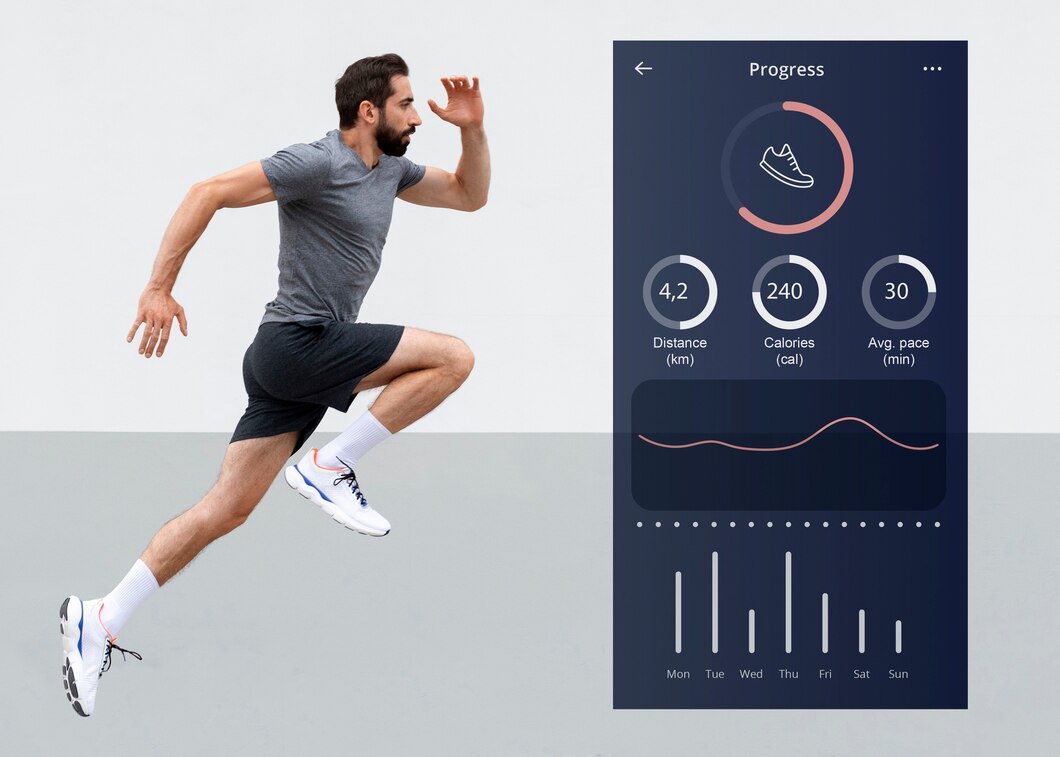
Understanding the Exercise vs Walking Debate
The comparison between dedicated workout sessions and daily step accumulation represents two fundamentally different philosophies of physical activity. According to the NHS physical activity guidelines, adults should aim for at least 150 minutes of moderate-intensity activity weekly, or 75 minutes of vigorous activity—but how you achieve this matters significantly.
Structured exercise typically involves planned sessions of aerobic activity, strength training, or high-intensity interval training performed at specific times. Daily step counting, conversely, focuses on accumulating movement throughout waking hours, often measured via fitness trackers or smartphones. Both methods contribute to overall physical activity levels, yet they stimulate different physiological responses and suit different lifestyles.
| Aspect | 30-Minute Exercise Sessions | Daily Step Counting |
|---|---|---|
| Time Commitment | Concentrated blocks (30-60 min) | Spread throughout day |
| Cardiovascular Impact | High (sustained elevated heart rate) | Moderate (variable intensity) |
| Muscle Building | Excellent (with strength training) | Limited (lower body primarily) |
| Calorie Burn | 200-400 per session | 300-500 per 10,000 steps |
| Equipment Needed | Often required | Minimal (tracker optional) |
| Sustainability | Moderate (requires motivation) | High (easily integrated) |
How Each Approach Affects Your Body
Understanding the physiological mechanisms behind structured workouts and daily walking helps explain why both approaches deliver health benefits—albeit through different pathways. Your body responds uniquely to concentrated exercise bursts versus distributed movement throughout the day.
Key Physiological Functions:
- Cardiovascular Adaptation: Sustained moderate-to-vigorous activity strengthens heart muscle and improves blood vessel elasticity more effectively than intermittent low-intensity movement
- Metabolic Response: Regular walking maintains steady blood glucose levels, whilst intense exercise creates greater post-workout metabolic elevation (EPOC effect)
- Muscle Protein Synthesis: Resistance exercise triggers muscle growth and maintenance; walking primarily engages slow-twitch fibres without significant hypertrophy stimulus
- Hormonal Balance: Both approaches positively influence cortisol, insulin, and endorphin levels, though intensity affects magnitude
When you engage in a 30-minute cardio session, your heart rate elevates to 60-80% of maximum capacity, triggering adaptations that improve oxygen delivery and utilisation. The British Heart Foundation notes that this sustained effort creates training stimulus impossible to replicate through casual walking alone.
Conversely, accumulating steps throughout the day combats the dangers of prolonged sitting. Research published in the British Journal of Sports Medicine demonstrates that breaking up sedentary periods with short walking bouts significantly improves metabolic markers, even without dedicated exercise sessions.
Key Benefits of 30 Min Exercise vs Daily Steps
Both approaches offer distinct advantages worth considering when designing your physical activity strategy. Understanding these benefits helps you align your choice with specific health objectives. If you’re also concerned about joint health during exercise, proper supplementation may support your active lifestyle.
1. Superior Cardiovascular Conditioning (Structured Exercise)
Dedicated 30-minute sessions, particularly at moderate-to-vigorous intensity, produce measurable improvements in VO2 max, resting heart rate, and cardiac output. A 2023 meta-analysis found that structured aerobic exercise reduced cardiovascular disease risk by 35% compared to 20% for step-based activity alone.
2. Reduced Sedentary Behaviour Risks (Daily Steps)
Accumulating movement throughout the day directly addresses prolonged sitting, which research links to increased mortality independent of exercise habits. Regular walking breaks improve insulin sensitivity and reduce inflammation markers that contribute to chronic disease.
3. Enhanced Muscle Mass and Strength (Structured Exercise)
Resistance training within dedicated sessions stimulates muscle protein synthesis, essential for maintaining lean body mass, metabolic rate, and functional independence as we age. Walking alone cannot replicate the progressive overload necessary for strength development.
4. Greater Accessibility and Sustainability (Daily Steps)
Step counting requires no special equipment, gym membership, or athletic ability. This low barrier to entry makes daily walking sustainable long-term, with research showing higher adherence rates compared to structured exercise programmes.
5. Mental Health and Cognitive Benefits (Both Approaches)
Both structured workouts and regular walking improve mood, reduce anxiety, and enhance cognitive function. However, evidence suggests higher-intensity exercise produces greater antidepressant effects due to increased endorphin and BDNF release.

Risks and Considerations
Signs to Watch For
- Joint pain or discomfort lasting more than 48 hours after activity
- Excessive fatigue interfering with daily activities
- Shortness of breath disproportionate to exertion level
- Dizziness, chest pain, or irregular heartbeat during exercise
Who Should Be Careful
- Previously Sedentary Individuals: Starting with intensive 30-minute sessions may increase injury risk; gradual progression from walking is advisable
- Those with Cardiovascular Conditions: High-intensity exercise requires medical clearance; step-based activity may be safer initially
- Joint Issues or Arthritis: Impact from running or certain exercises may exacerbate symptoms; low-impact walking often better tolerated
- Individuals Over 65: Balance between adequate stimulus and recovery becomes increasingly important; combination approaches work well
5 Practical Tips for Optimising Your Physical Activity
💡 Tip 1: Combine Both Approaches for Maximum Benefit
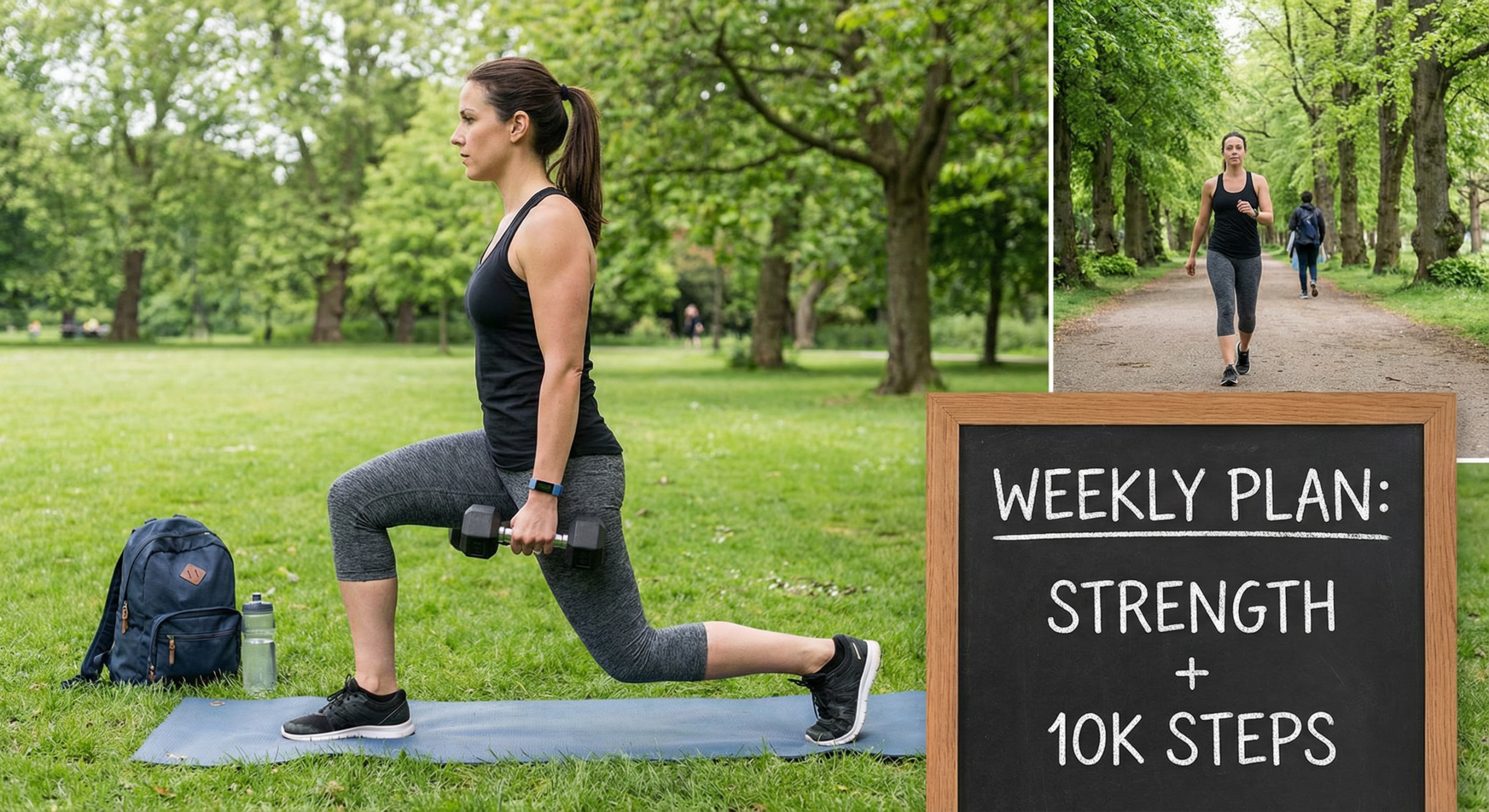
Rather than choosing exclusively between workout sessions and daily walking, integrate both. Aim for 3-4 structured 30-minute sessions weekly whilst maintaining a baseline of 7,000+ steps daily. This dual approach addresses cardiovascular fitness, strength, and sedentary behaviour simultaneously.
💡 Tip 2: Track Your Progress Consistently
Use a reliable fitness tracker to monitor both structured exercise and daily movement. Data visibility increases accountability and helps identify patterns. Many find that seeing their step count motivates additional movement throughout the day.
💡 Tip 3: Start With Walking, Progress to Structured Exercise
If you’re currently inactive, begin by establishing a consistent walking habit before adding intense workouts. Build to 5,000 steps daily for two weeks, then 7,500, before introducing 15-minute structured sessions that gradually extend to 30 minutes.
💡 Tip 4: Consider Your Specific Health Goals
Weight loss benefits from caloric deficit created by either approach, though structured exercise offers more control. Muscle building requires resistance training. Heart health improves with both, but cardiovascular conditioning demands elevated heart rate periods. Match your strategy to your objectives.
💡 Tip 5: Make Movement Non-Negotiable
Schedule exercise sessions like appointments and incorporate walking into daily routines—park further away, take stairs, walk during phone calls. Consistency trumps perfection; even shorter sessions and fewer steps provide benefits compared to complete inactivity.
What Research Shows About Exercise vs Walking
Scientific investigation into optimal physical activity patterns has intensified recently, with several landmark studies reshaping our understanding of how movement affects health outcomes. The evidence increasingly supports a nuanced view that both structured exercise and accumulated steps contribute meaningfully to longevity and disease prevention.
📊 Research Highlights:
- JAMA Internal Medicine, 2022: Analysis of 78,500 adults found that 9,000-10,000 daily steps reduced dementia risk by 50% and cardiovascular events by 21%
- The Lancet Public Health, 2022: Meta-analysis revealed optimal step counts of 8,000-10,000 for adults under 60 and 6,000-8,000 for those over 60
- British Journal of Sports Medicine, 2023: Moderate-vigorous physical activity (like structured exercise) showed stronger associations with reduced mortality than step counts alone
The research suggests that whilst step counting provides a valuable baseline of activity, the intensity component of structured exercise offers additional protective effects. A 2023 Harvard study found that just 20 minutes of vigorous activity weekly, equivalent to two short intense sessions, reduced all-cause mortality by 16-17% beyond the benefits of walking alone.
However, scientists also emphasise that something is always better than nothing. For completely sedentary individuals, starting with any movement—even minimal step increases—produces meaningful health improvements. The Mayo Clinic notes that the greatest relative benefit occurs when moving from no activity to some activity, with diminishing returns at higher volumes.
Summary
The comparison between structured 30-minute workouts and daily step accumulation reveals that both approaches deliver genuine health benefits through complementary mechanisms. Dedicated exercise sessions excel at building cardiovascular fitness, strength, and producing acute metabolic effects, whilst consistent walking throughout the day combats sedentary behaviour and maintains steady metabolic function.
For most individuals, the optimal strategy combines both approaches: aiming for the NHS-recommended 150 minutes of moderate activity weekly (which could include structured sessions) alongside 7,000-10,000 daily steps. This dual approach maximises health benefits whilst accommodating different lifestyles and preferences. Quality fitness equipment can help you track and optimise both components of your activity routine.
⚠️ Important: This article is for educational purposes only. Consult your GP or healthcare professional before starting any new exercise programme, particularly if you have existing health conditions or have been inactive for an extended period.
Our Top Picks
Based on our research, here are 3 products worth considering to support your exercise and walking routine:

How to Choose
- Assess Your Current Activity Level: Beginners benefit most from a fitness tracker to establish baseline movement; experienced exercisers may prioritise quality equipment
- Consider Your Primary Goals: Step counting suits general health maintenance; resistance equipment supports strength and body composition goals
- Evaluate Your Environment: Outdoor walkers benefit from quality footwear; home exercisers need versatile equipment for varied workouts
- Budget Appropriately: Invest more in items used daily (shoes, tracker) and start basic with supplementary equipment
Frequently Asked Questions
Is 30 minutes of exercise better than 10,000 steps?
Neither is universally better—they serve different purposes. Structured exercise offers superior cardiovascular conditioning, whilst steps combat sedentary behaviour. Ideally, combine both for comprehensive health benefits.
How many steps equal 30 minutes of exercise?
Approximately 3,000-4,000 steps at moderate pace equals 30 minutes of walking. However, this doesn’t replicate the intensity benefits of vigorous exercise, which produces different physiological adaptations.
Can walking replace gym workouts entirely?
Walking provides excellent baseline activity but cannot fully replace resistance training for muscle maintenance or high-intensity work for cardiovascular conditioning. Consider walking as foundation, not complete replacement.
What is the minimum effective dose of exercise?
Research suggests even 15 minutes of moderate activity daily or 75 minutes weekly provides mortality benefits. For step counts, benefits begin around 4,000 daily steps with optimal returns at 7,000-10,000.
Should I exercise if I already walk a lot?
Yes, adding structured exercise—particularly strength training—provides benefits beyond walking. High step counts reduce sedentary risks, but dedicated workouts build strength and cardiovascular capacity more effectively.
How do I track my exercise and steps together?
Modern fitness trackers like Fitbit or Apple Watch monitor both metrics automatically. Many distinguish between casual steps and active exercise minutes, giving you comprehensive activity data. See our fitness tracker guide for recommendations.
Sources
This article is based on peer-reviewed research:
✅ Why You Can Trust This Article
- Written by: Arsim Rama
- Research-backed: All claims supported by peer-reviewed sources
- Regularly updated: Content reviewed every 12 months
- Editorial independence: Recommendations based on merit
- Customer trust: See our Trustpilot reviews
Last reviewed: January 2025. Next review: January 2026.
© 2025 Paulinna. All rights reserved.
⚠️ Disclosure: This article contains affiliate links. If you purchase through these links, we may earn a small commission at no extra cost to you.